Woodworking courses in high demand at VDAB
Text Wendy ThijsImage VDAB
Many joiners and interior fit-out companies are desperate to find motivated staff. It is no coincidence that these have been shortage occupations for years. VDAB is trying to ease the shortfall with vacancy-led training and tailored programmes. “But companies also need to be willing to adjust their expectations,” says Inge Van der Linden.
Inge Van der Linden is manager of construction & wood at VDAB East Flanders and wants to help as many jobseekers with an interest in the construction and woodworking sectors as possible into work. VDAB does this through training in interior joinery, interior fit-out and exterior joinery at training centres across Flanders. The courses are popular. The training centre in Wondelgem sometimes even has a short waiting list, despite having three instructors training learners there every day.
Training tailored to vacancies
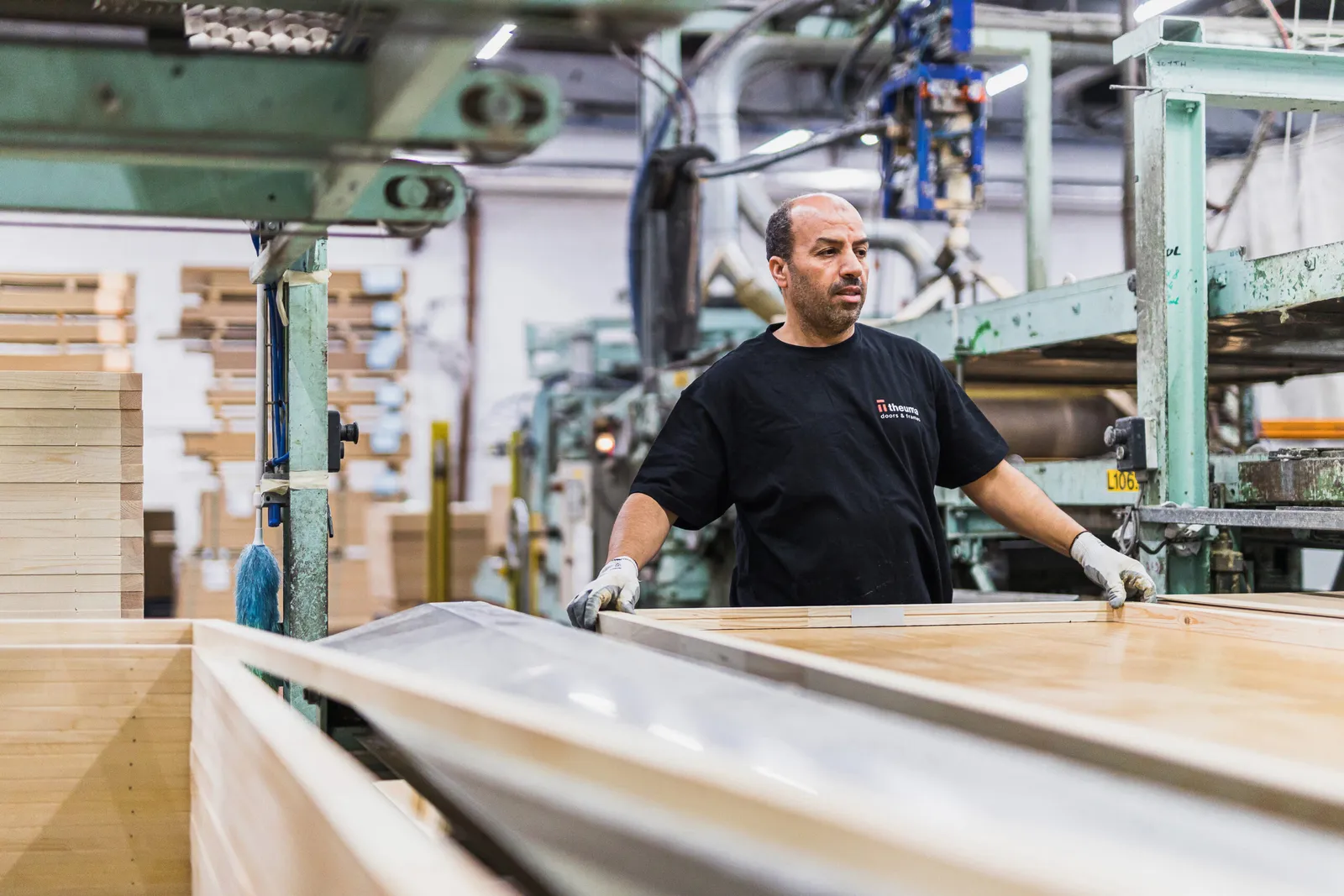
Willem Vercruyssen, team leader for woodworking in Wondelgem, explains VDAB’s approach to training: “During a short introductory course, learners try out all three occupations. After an in-depth information session, they choose the path that best suits their skills and interests. This is often interior joinery or interior fit-out. Exterior joinery is less in demand.”
This is followed by an accelerated programme lasting an average of three months. The duration can be adjusted if someone needs more time or is making faster progress. “The instructor always looks at exactly what a candidate needs to move quickly into the labour market. If someone has a specific vacancy or work placement in mind, we adapt the programme accordingly,” says Vercruyssen. “For example, we might place extra emphasis on CNC machines or installation techniques. Recently, we taught a learner how to integrate LED lighting into bespoke furniture, although that is not normally part of the course. We always make the training as practical as possible. This gives candidates a realistic picture of the job and means they are ready to work straight away.”

Tailored to employers
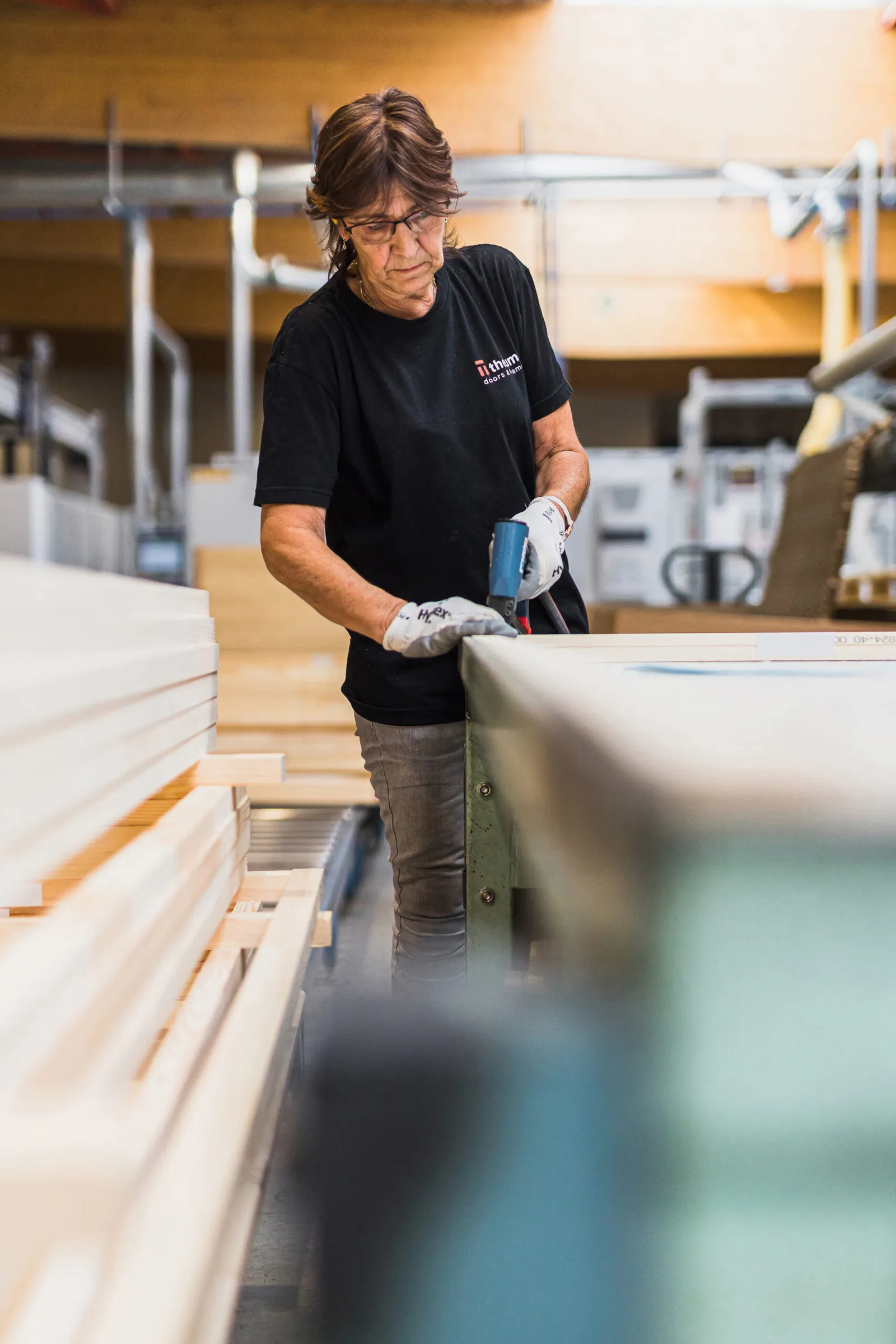
VDAB is therefore highly flexible in responding to the needs of learners and employers. “We also develop training programmes tailored to individual companies,” Van der Linden continues. “Most recently, we did this for construction company Wyckaert, which was looking for bricklayers and formworkers. VDAB supports the whole process, from finding candidates and providing training to getting them into work. This is especially motivating for jobseekers, because they know straight away where they will be working. A programme like this can be set up for six to eight vacancies, but there are options for smaller businesses too.
We can also bring together companies looking for similar profiles for a joint project.”
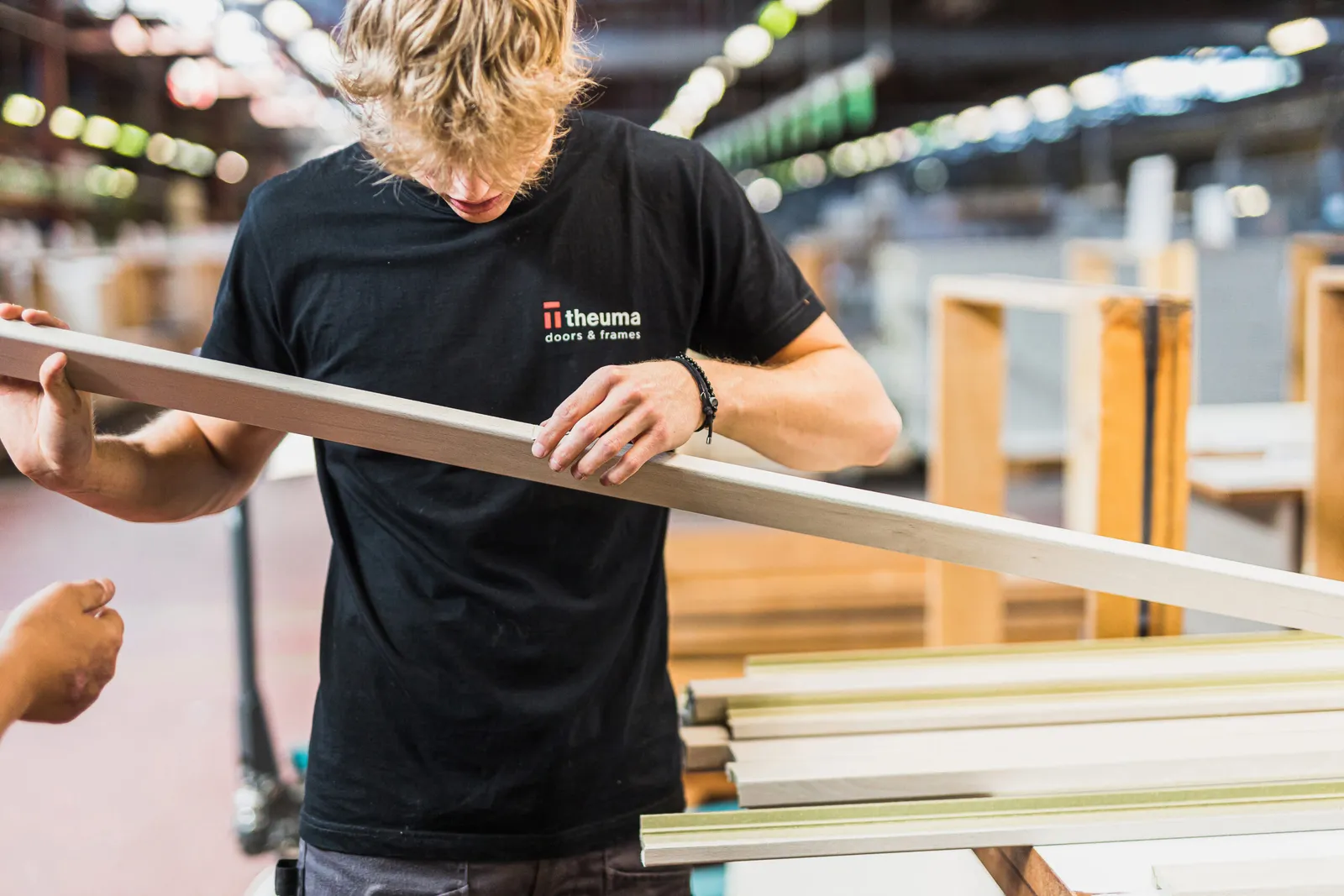
State-of-the-art machinery
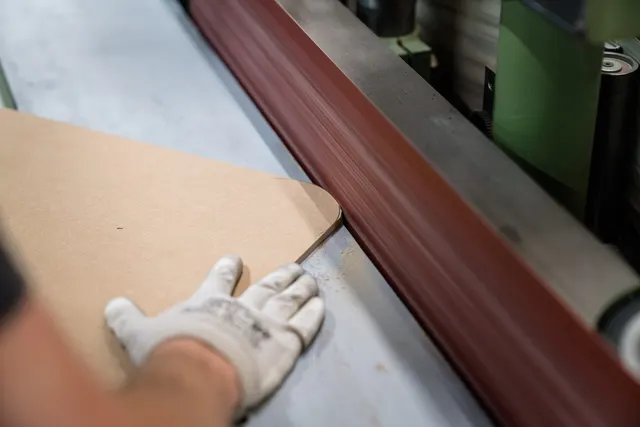
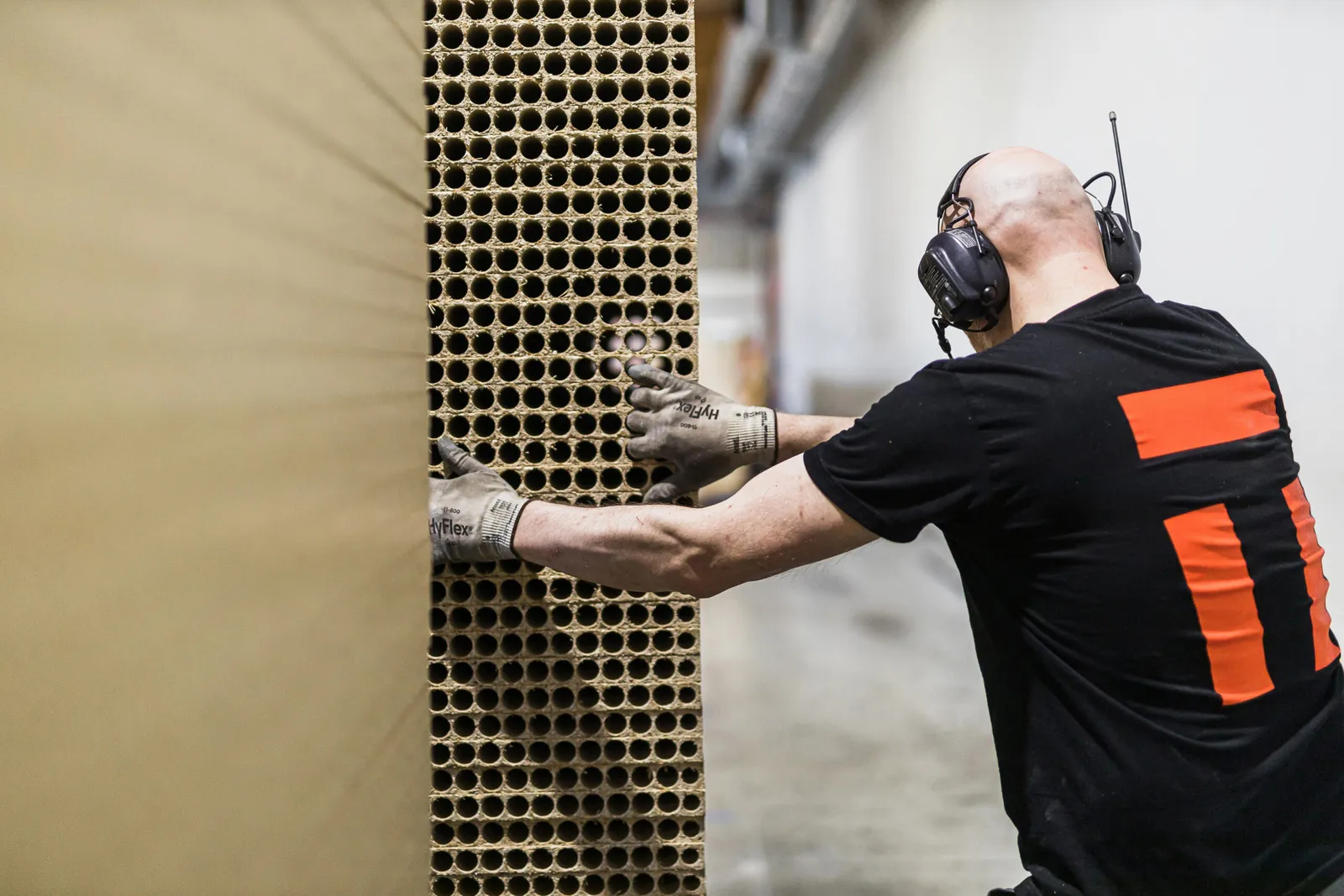
The machinery is another crucial factor in ensuring that jobseekers can hit the ground running at a company after completing their training. Technology is evolving at breakneck speed, and anyone trained by VDAB needs to keep up. “When companies visit the training centre, they are amazed every time by the machines we have,” says Vercruyssen. “As well as a standard CNC machine, we recently added a vertical CNC machine. We keep a close eye on the machinery market to identify what we need to invest in next.”
“Schools don’t always have those resources,” adds Van der Linden. “That’s why, under the ten-day scheme run by the Regional Technological Centres (RTC), they can use our facilities and machinery for ten days per school year. This also helps us train the next generation of skilled workers.”
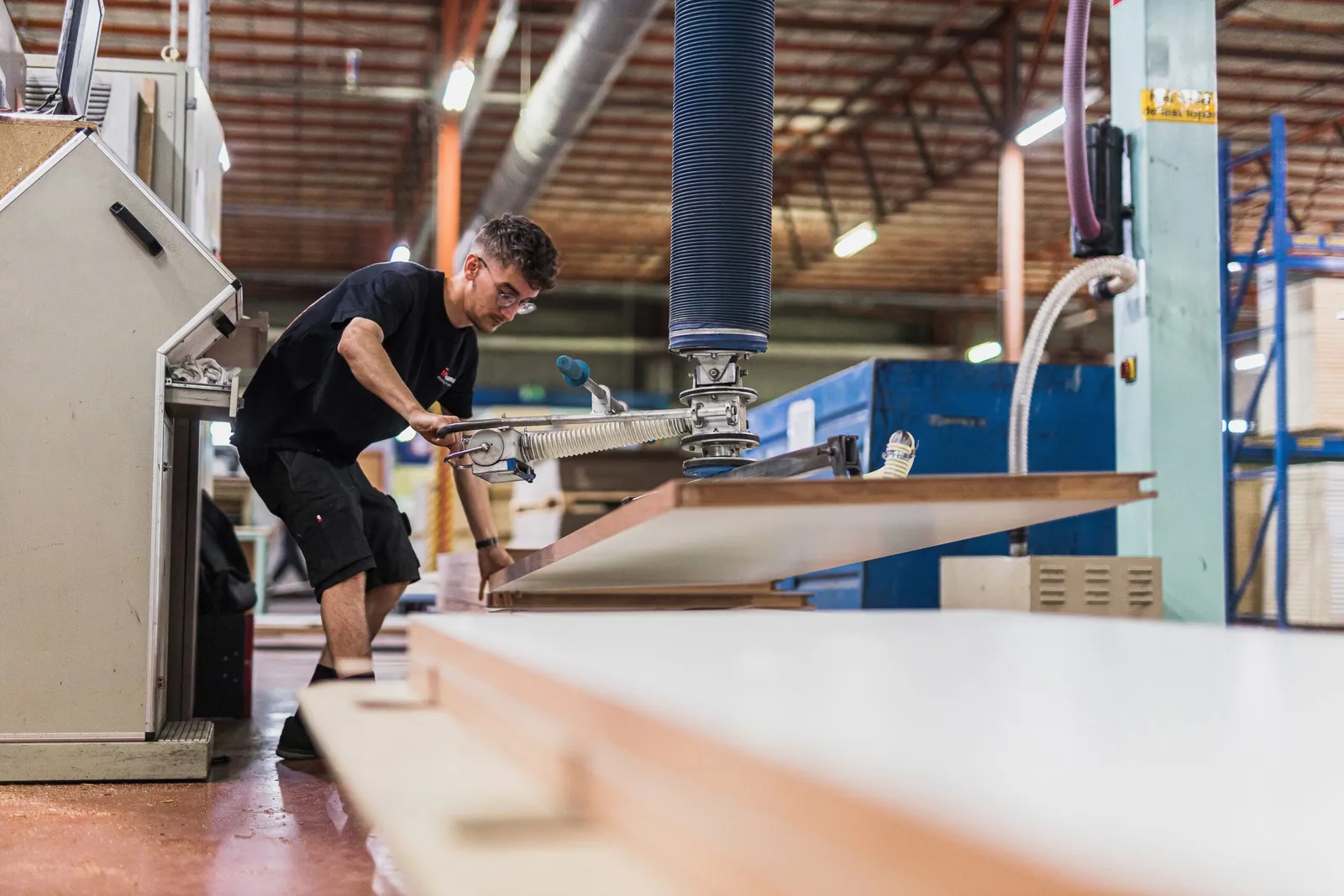
Giving people opportunities
Seven out of ten learners who complete a course have a permanent job within three months. Van der Linden believes the figure could be even higher. “Employers often set the bar too high. They’re looking for a rare find: someone with extensive experience, perfect Dutch and, ideally, a driving licence too. That’s like looking for a needle in a haystack. We’re facing an ageing population, after all. More people are retiring than there are people ready to take their place. The labour market is tight. So the ideal employee is someone you have trained yourself.”
“Companies are supported in doing that,” she continues. “Through an individual vocational training programme (IBO), they can train candidates on the job for several months, with financial, administrative and teaching support from VDAB. Safety is another concern. You don’t want employees exposed to risks because they don’t have a sufficient command of the language. But VDAB guarantees that everyone we train can work safely. They all take an exam to obtain a safety certificate. It is recognised by Constructiv and is equivalent to a VCA certificate. So we are making a heartfelt appeal: give non-Dutch speakers and candidates without a driving licence the chance to prove their abilities in practice too.”
Question about this story? Ask your question
Keep following this
Get an email when a new story is published. No account needed.
- ThemeStrong and safe trade businesses
- SubjectWoodworking