











How Hogerhuis | Hofheren keeps raising the bar
Text Wendy ThijsImage Hogerhuis
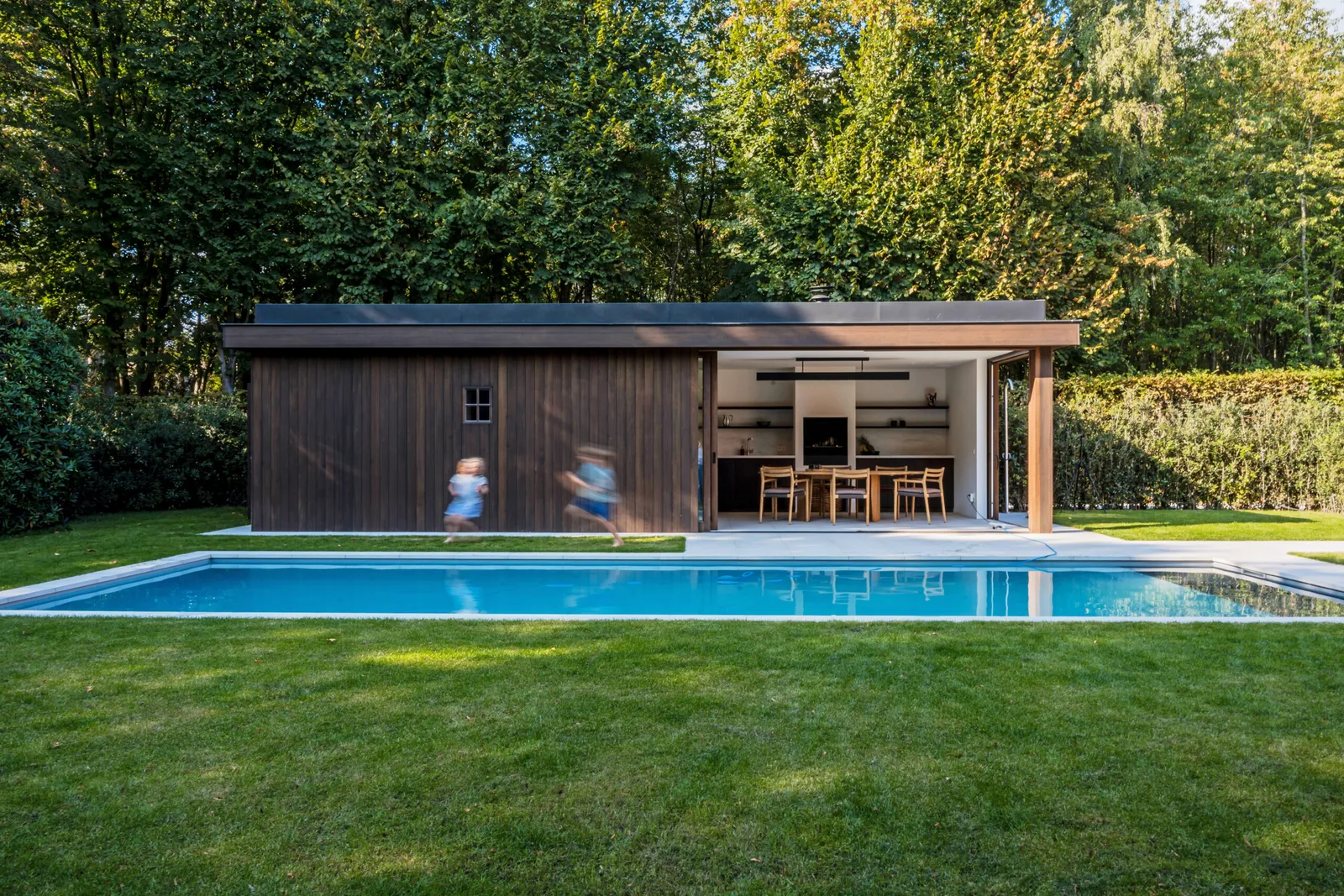
While most joinery businesses today specialise in either interiors or exterior joinery, Hogerhuis does both. What’s more, through Hofheren, the company also offers garden design, landscaping and maintenance. Two brothers steadily built up this comprehensive offering, until they saw their dream go up in flames. They refused to give up, pressed on and embarked on an intensive professionalisation programme.
Founders Nicolas and Bruno De Brabandere built their very first treehouse as teenagers, in their parents’ garden. While studying commercial engineering and architecture, they set up their first workshop, and not long after graduating they officially launched Hogerhuis | Hofheren. At the time, the focus was exclusively on building treehouses and landscaping.
From treehouses to complete projects
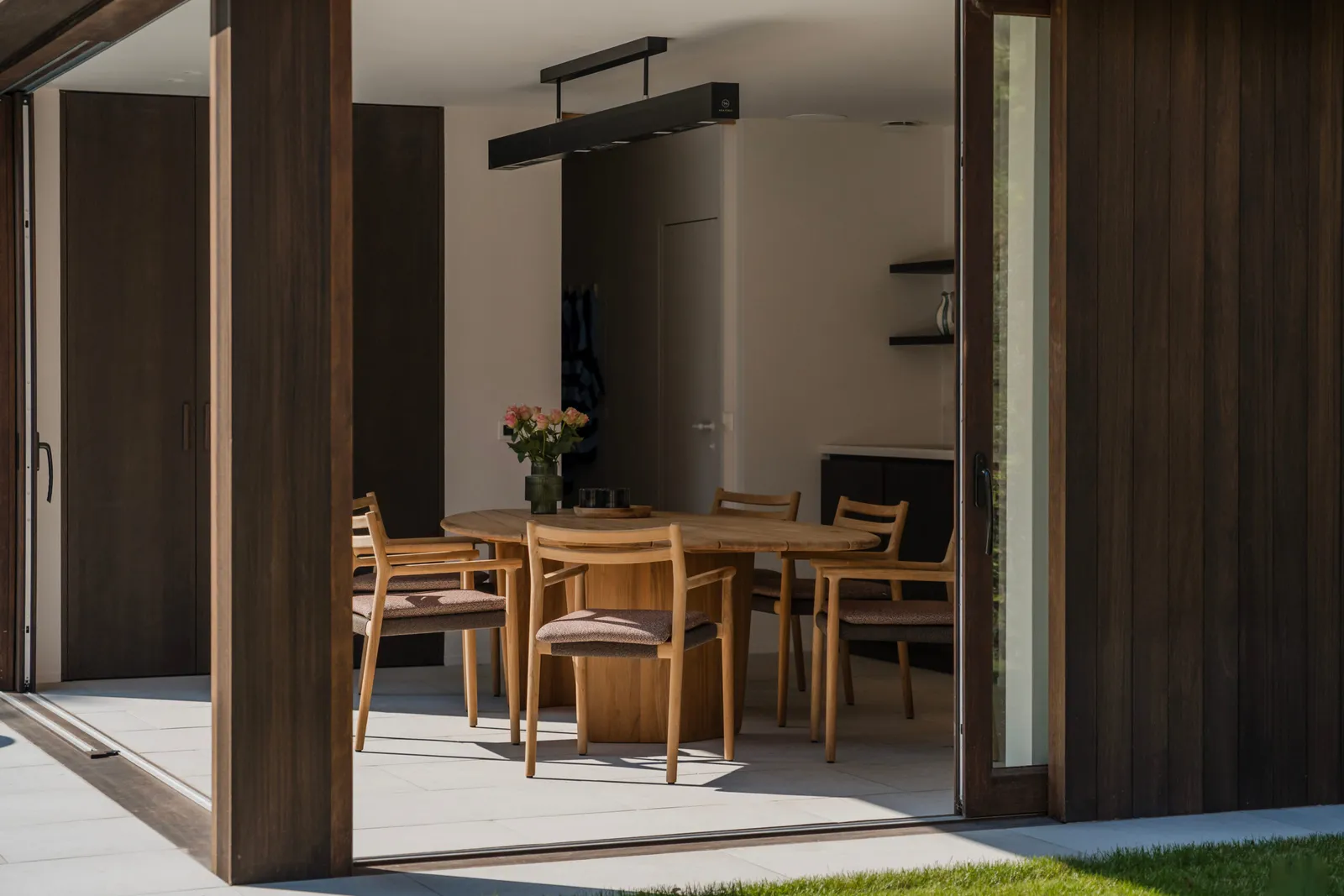
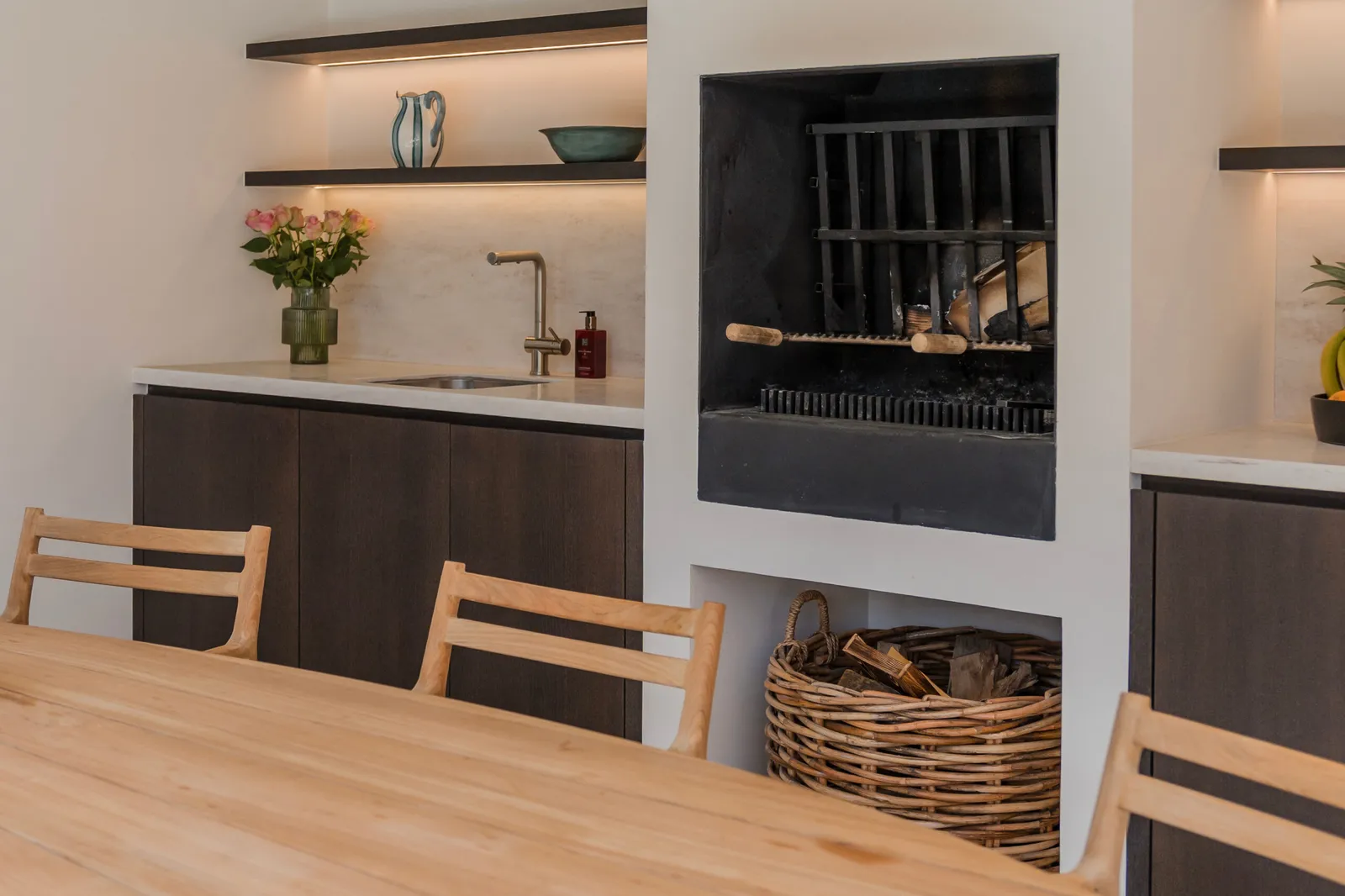
A treehouse is not for everyone, of course. Over time, the company built up expertise in all kinds of garden buildings and added swimming pools to its offering. Anyone putting up an outbuilding will need exterior joinery, and often bespoke furniture too. They added that to their offering as well. “My brothers had a clear vision,” says Felix De Brabandere, the youngest member of the family, who joined the company five years ago. “They wanted to become a one-stop shop, supporting customers from design through to completion. By organising everything in-house, they could work more flexibly and deliver a better end result.”
Timber exterior joinery requires a great deal of expertise. Hogerhuis brought that expertise in-house through an acquisition. “We don’t make standard windows and doors. With special cutter sets and profile cutters, we can produce very refined profiles. We really need the older generation for that. They are gradually passing on their knowledge so it won’t be lost, because young people no longer learn this at school.”
A dream goes up in smoke
The company was firmly established when a fire in 2020 destroyed the workshop, the machinery and a van. The culprit was a stray firework set off near the company on New Year’s Eve. “My brothers showed tremendous resilience,” says De Brabandere. “They invested in new machinery, got the business back up and running in a rented workshop, and in the meantime built a new business premises. One with room to grow, too.”
This placed the company under considerable financial pressure. Everything was focused on production to keep cash flow healthy. “At the same time, we felt things had to change. The market largely determines the price, so there is limited room to manoeuvre in that respect. If you want to improve your financial position, you need to look at purchasing and production.” This was right up the street of Hogerhuis’ new operations director, Bart De Clercq, a lean management enthusiast who had previously worked for companies including Toyota. He is introducing a Kaizen culture, a culture of continuous improvement that uses small, daily changes to reduce waste and improve quality and efficiency.
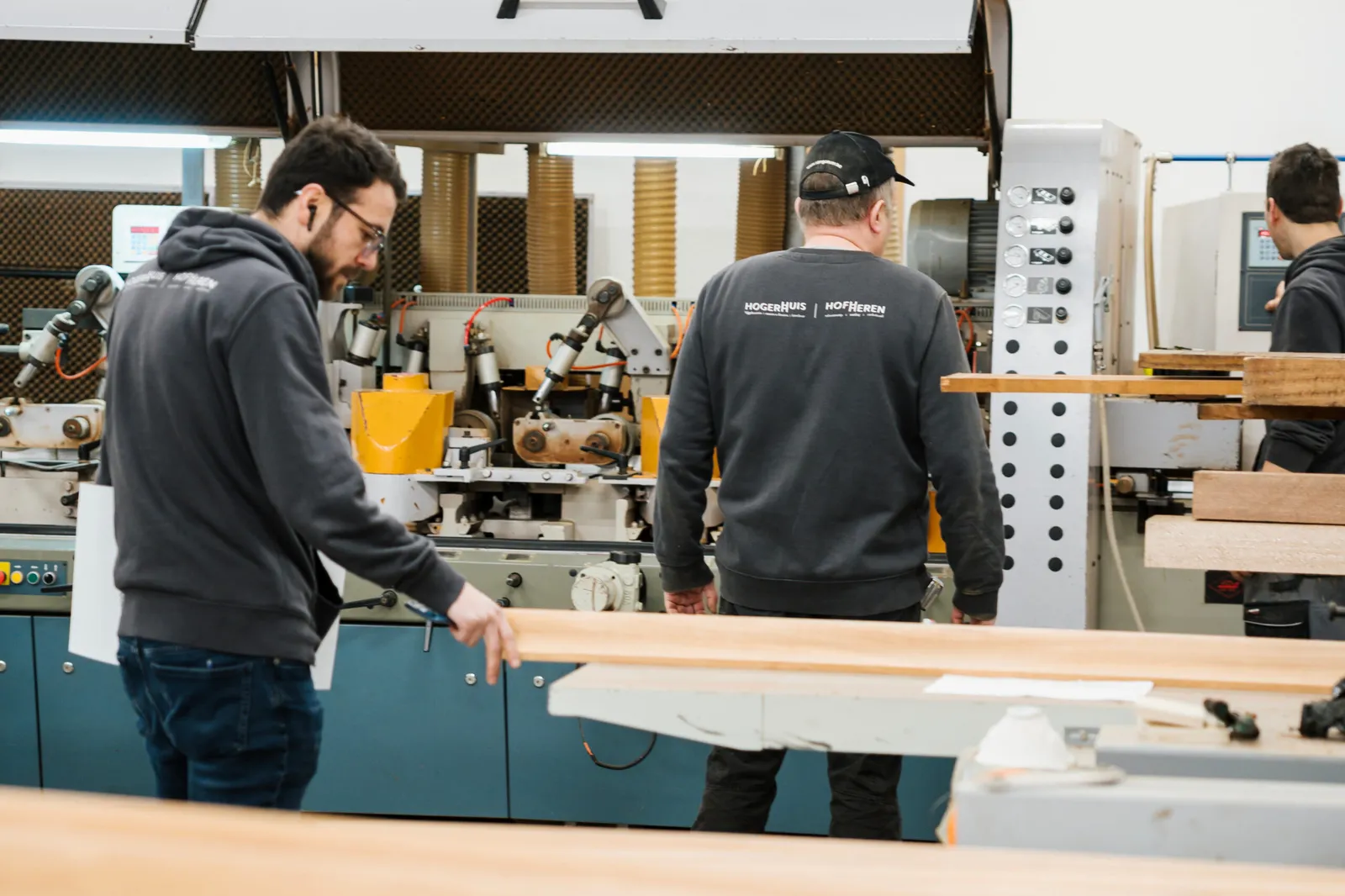
Kaizen in practice
Hogerhuis puts its people at the centre of this approach. “We have drawn up a skills matrix so everyone knows how they can progress within the company, and each employee has a personal development plan to take charge of their own growth,” explains De Brabandere.
“Some employees choose to progress into a management role, while others want to specialise in their trade. Both options are possible, but we do expect everyone to take steps to keep developing.”
The company has implemented the 5S method. The principles of sorting, setting in order, shining, standardising and sustaining help prevent wasted time. Just think how much time you lose each day looking for tools or documents that don’t have a fixed place. More recently, they have also started using quick response manufacturing (QRM) to shorten project lead times, and set up an advisory board. “Like everyone, we’ve made mistakes along the way. That’s how you learn. With the advisory board, we want to speed up that process and learn from others before we have to make the mistakes ourselves.”
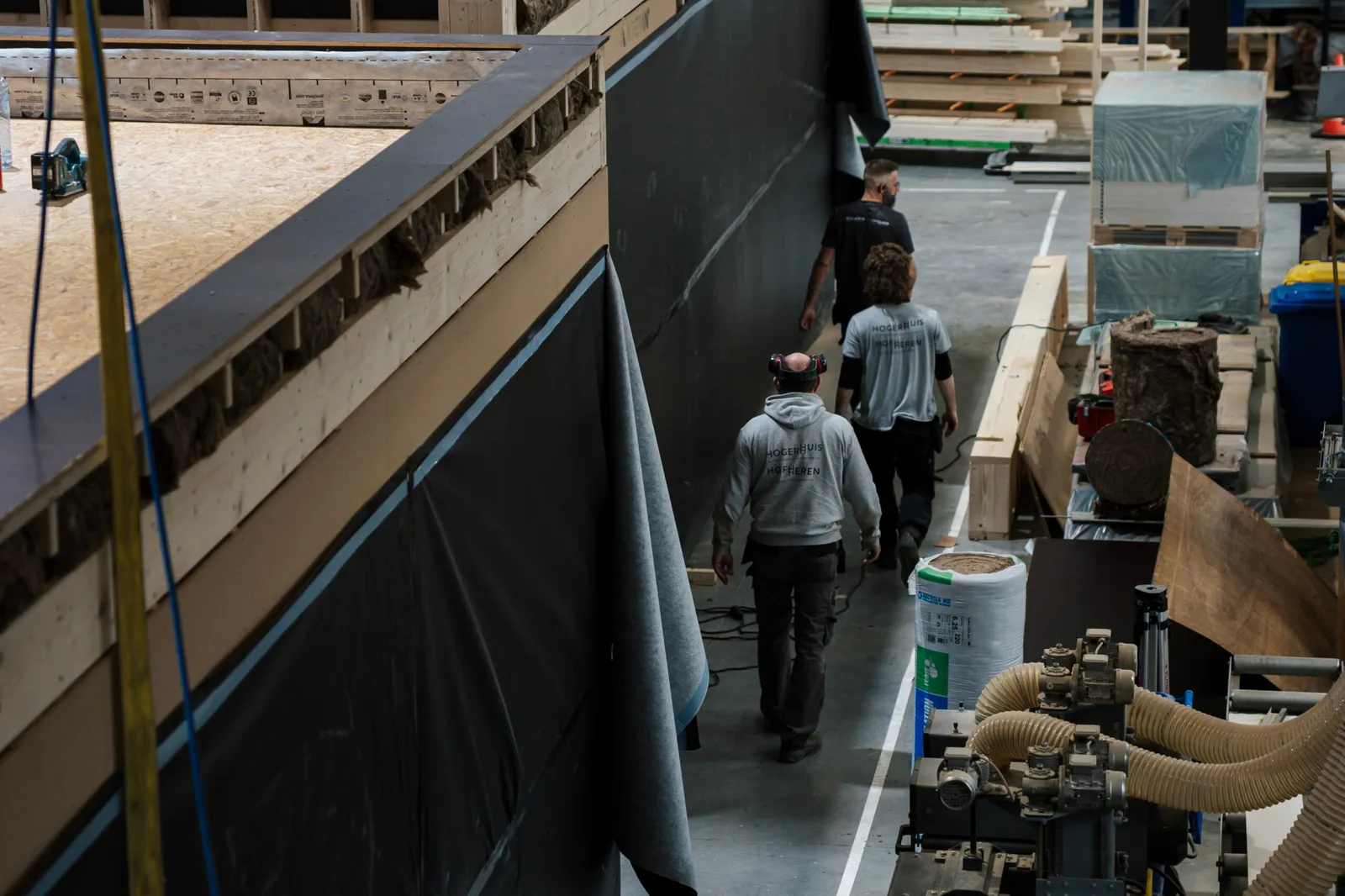
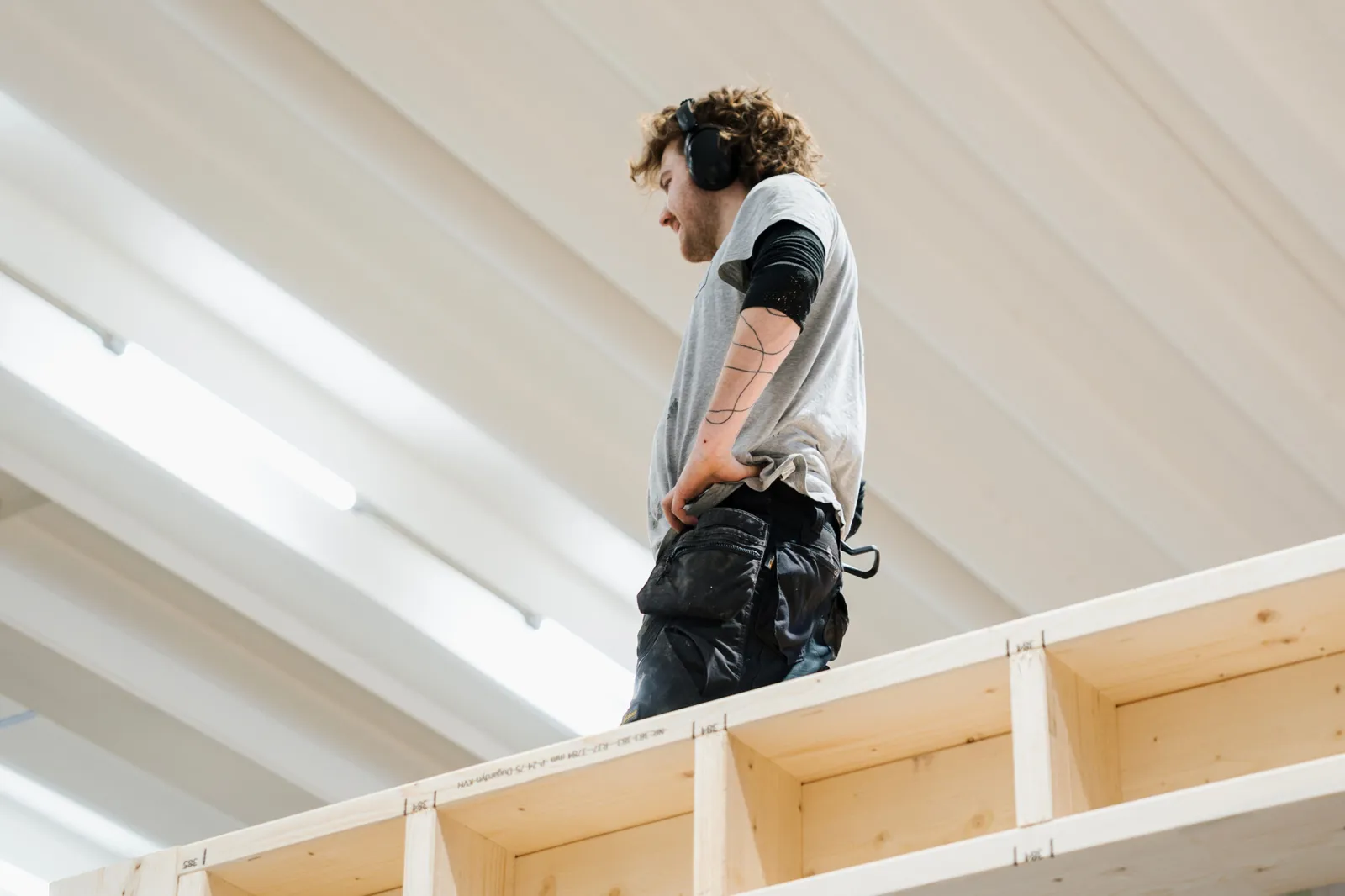
Continuous improvement coordinator
When every minute counts, it feels counterintuitive to set aside time to work on your processes. “There was a lot of resistance, until we started seeing the positive effects. People are blossoming, taking on more responsibility and feeling happier,” says De Brabandere. They even appointed an improvement coordinator to oversee the process.
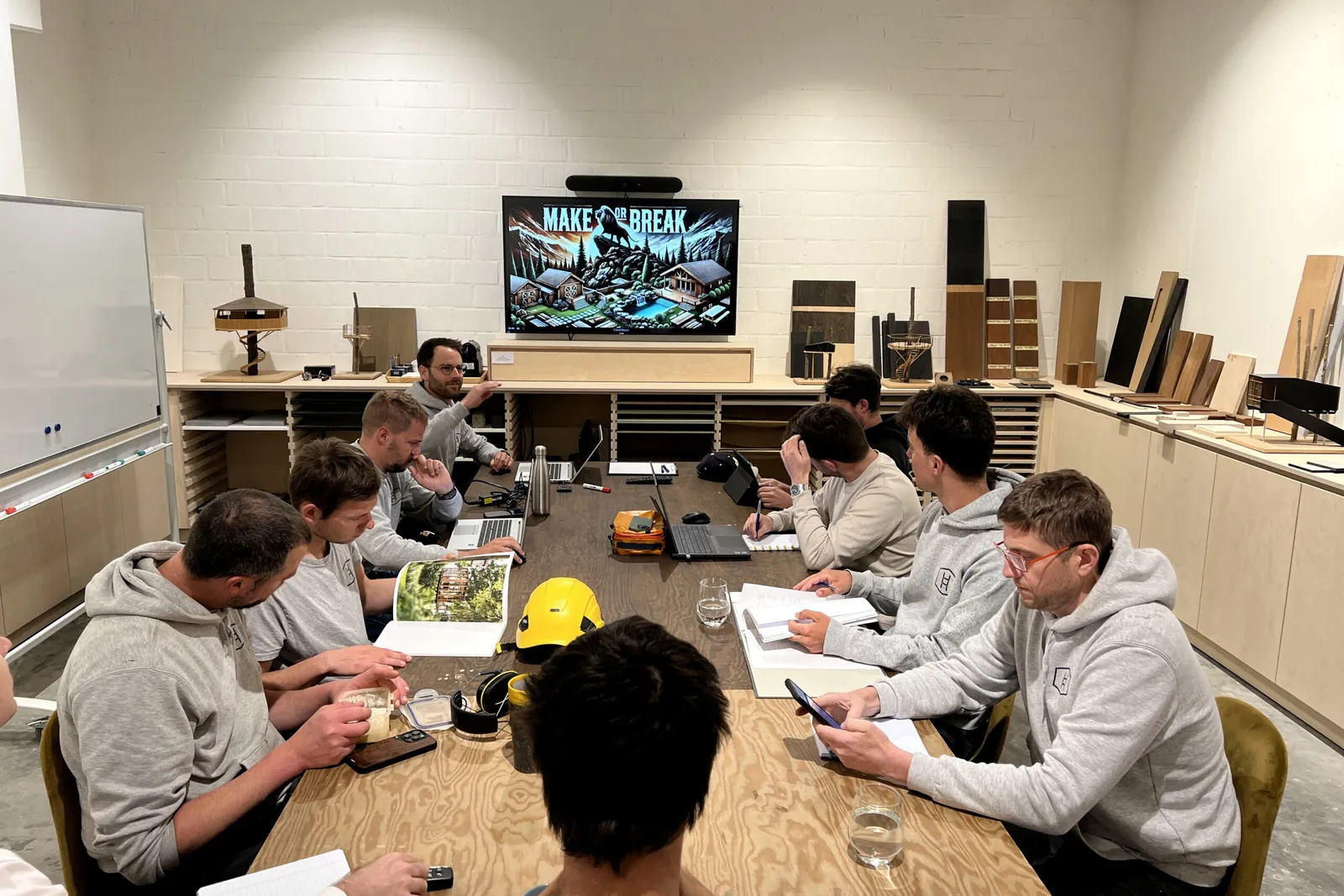
Every project starts with a kick-off and is not truly complete until after a final evaluation, which looks not only at the project’s profitability but also at customer satisfaction. “That depends not only on the quality of your work, but also on the process around it. A satisfied customer is your best ambassador. That’s why we focus strongly on the customer experience, including a code of conduct for customer interactions.”
Tiny house ready for transport
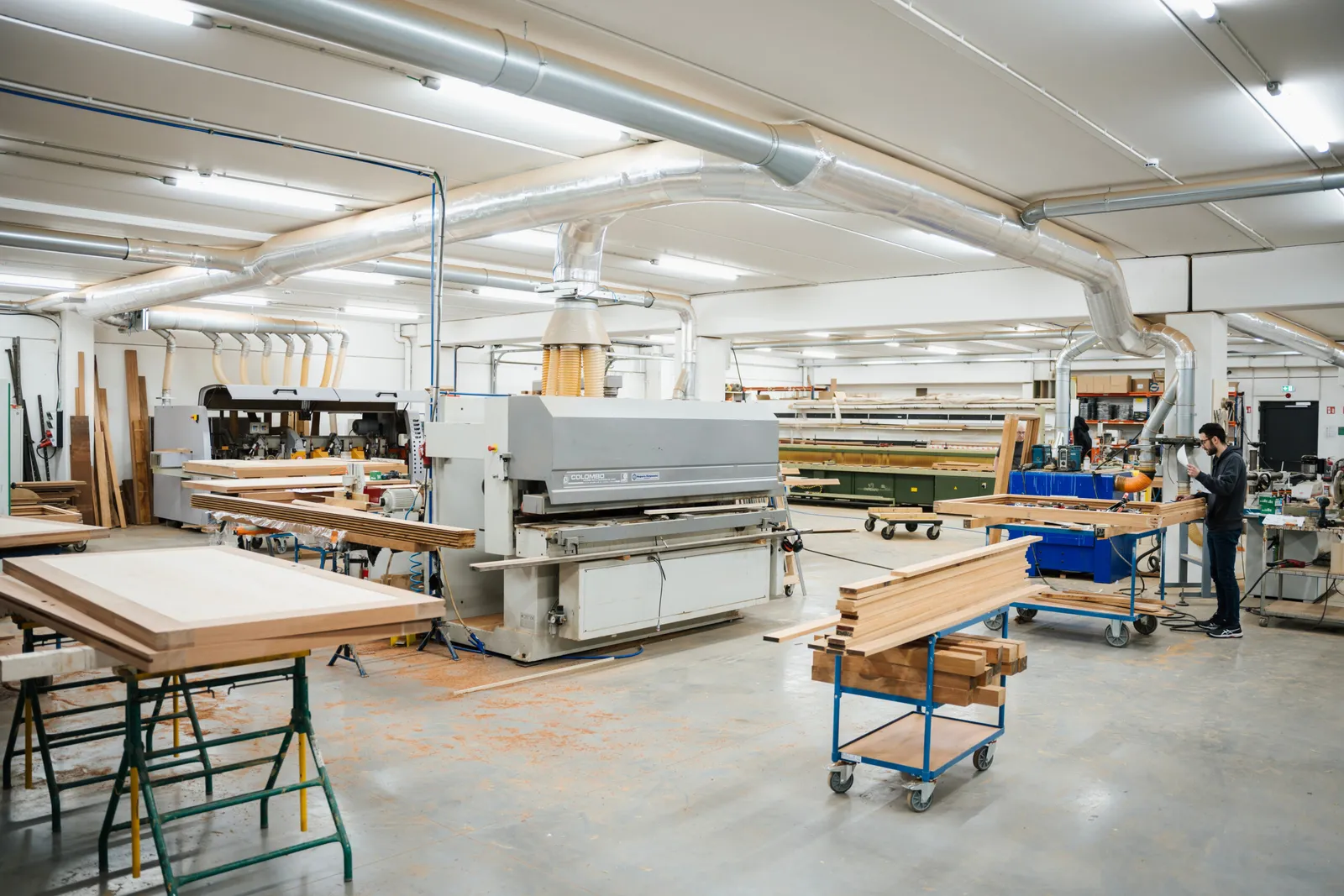
Walking through the offices and workshop, you can see just how well everything is organised. A tiny house is fully assembled and ready for transport. “It’s the fourth in a series of fourteen. Recently, we built an entire timber-frame house, which was transported to site in three modules. We never cut timber on site. Everything is prepared here on the CNC machine and assembled as far as possible. The better your preparation, the more profitable your project.”
With material prices soaring, labour costs sky-high and the number of permits at a historic low, the construction sector is under pressure. Hogerhuis feels it too. Even so, the company sees plenty of opportunities. “No sector is organised less efficiently, so there’s still a lot of potential to unlock. We now have fifty people working here, and in 2025 our turnover grew by 35 per cent. 2026 is not a year for big changes, but for holding steady. For holding on to what we’ve built and getting just a little better at it every day,” concludes De Brabandere.
Question about this story? Ask your question
Keep following this
Get an email when a new story is published. No account needed.
- ThemeImproving window and door performance
- SubjectGeneral







