











WOOD.BE takes you from waste to restart
Text Marlies DecavelImage Herman Desmet fotografie voor WOOD.BE
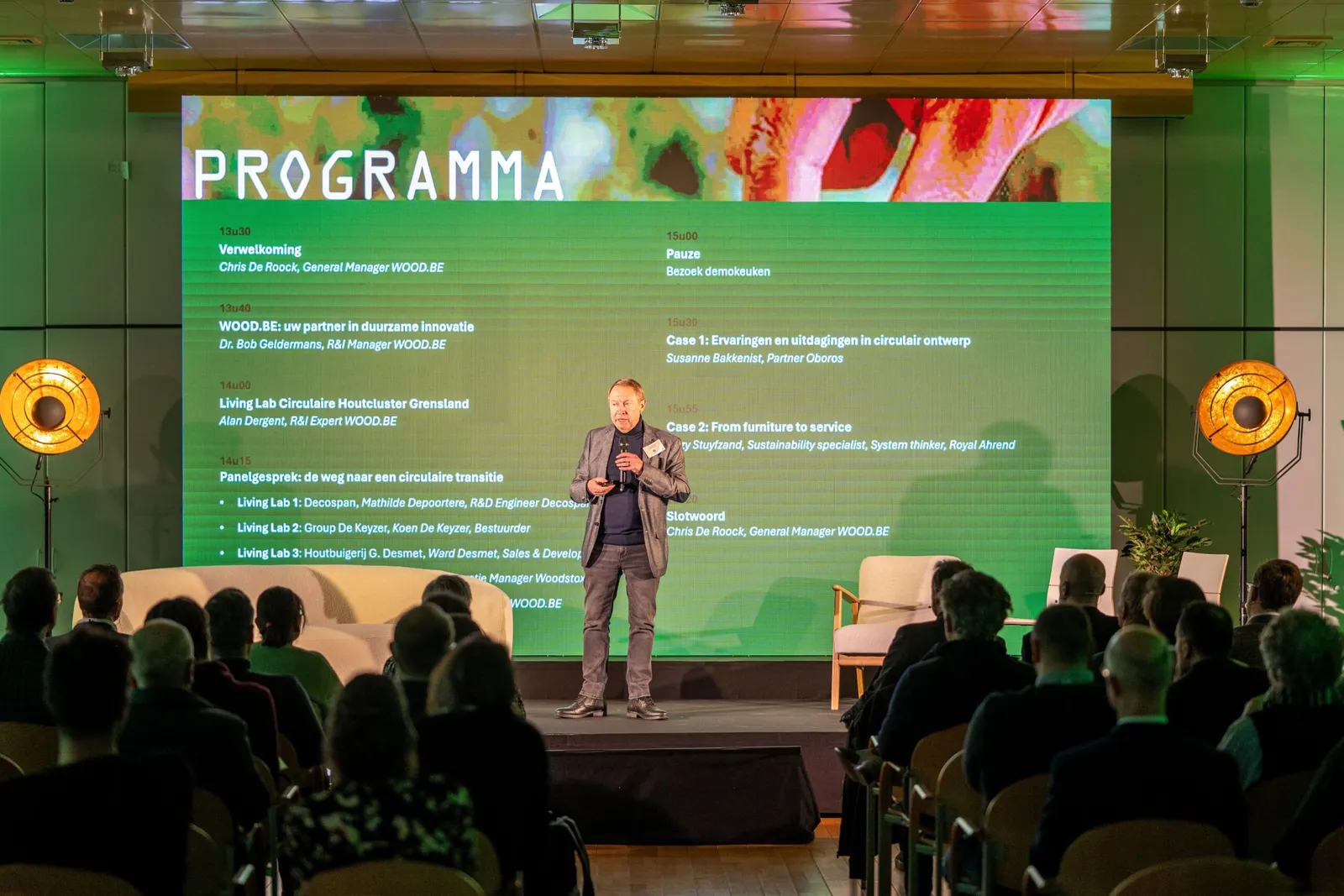
What happens when four timber companies, a knowledge centre and a regional development agency join forces to put circularity into practice? For three years, Decospan, Group De Keyzer, G-Desmet and Woodstoxx tested practical circular strategies in the Living Lab Circulaire Houtcluster Grensland (LLCHG). The results show that collaboration and experimentation can drive innovation, competitiveness and climate impact.
Today, wood offcuts and discarded products often end up in the incinerator, releasing the CO2 they contain back into the atmosphere too soon. The Living Lab Circulaire Houtcluster Grensland (LLCHG) set out to break this pattern. The initiative, led by POM West-Vlaanderen and WOOD.BE with support from VLAIO and in collaboration with the Grensland-Menen-Wervik business park association, brought companies, researchers and policymakers together for three years at the Grensland business park (Menen-Wervik). Working in real production environments, with real products, machinery and deadlines, they explored circular strategies such as extending product life, valorising residual streams and using bio-based materials.
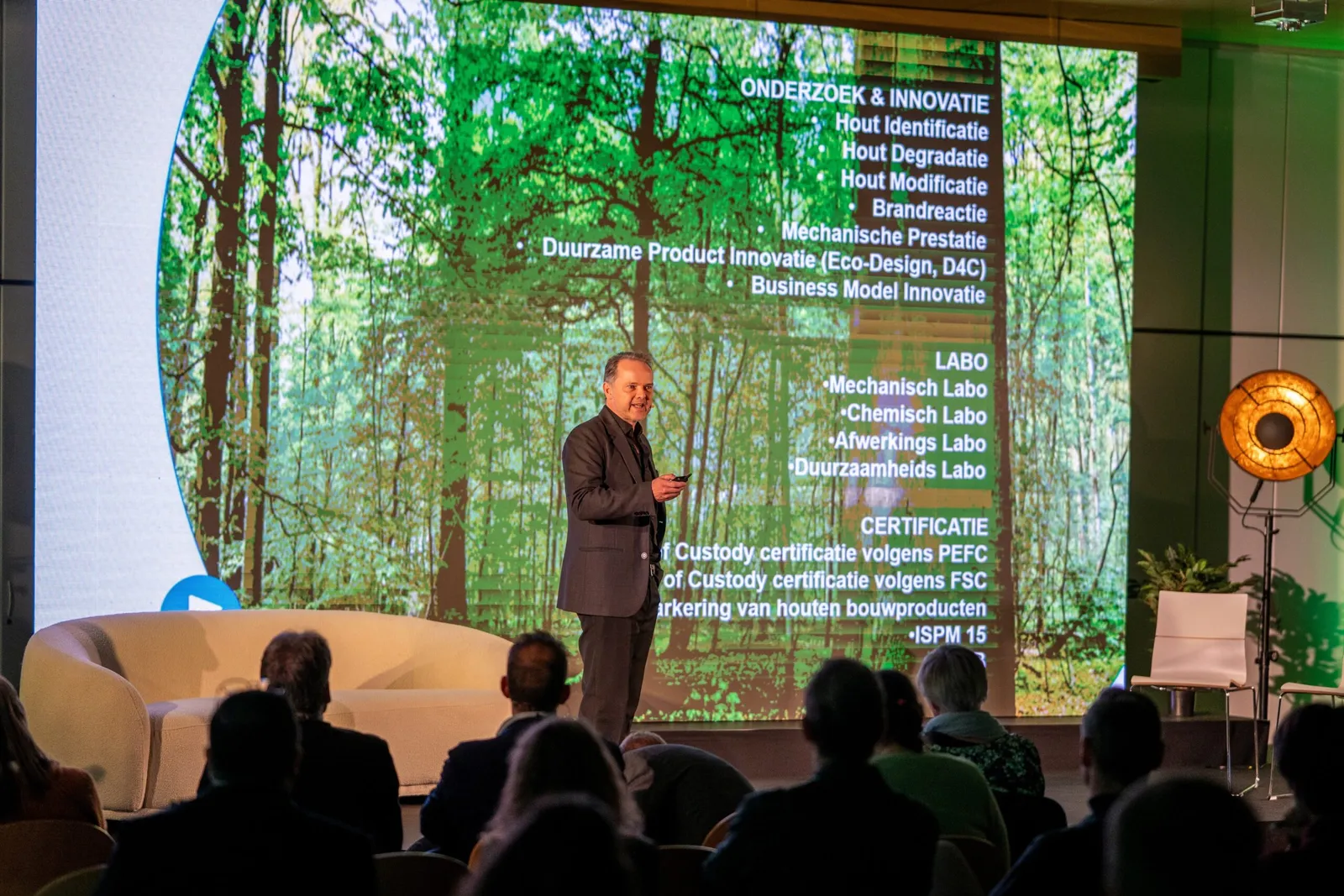
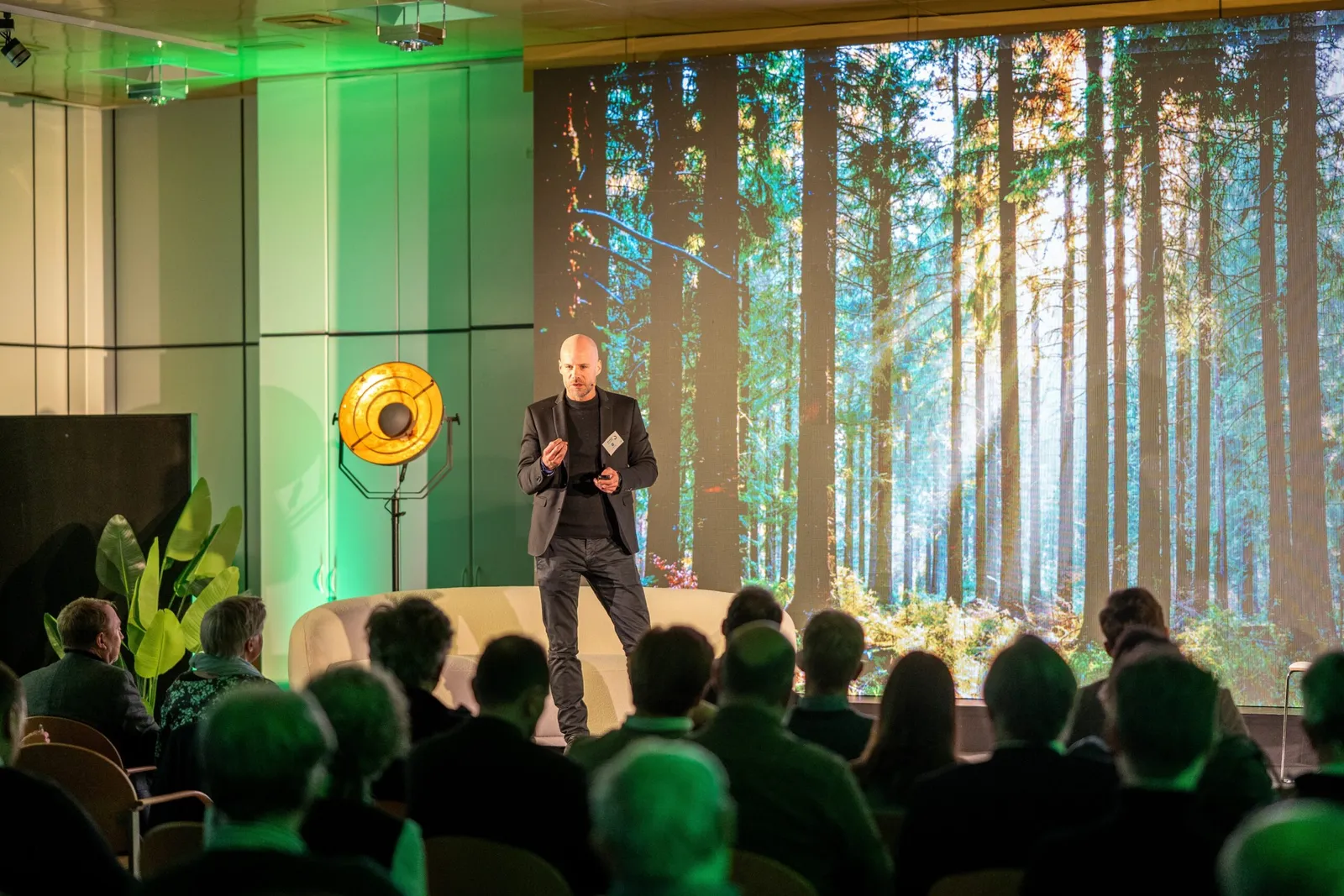
“The strength of this project lies in its realism,” says Alan Dergent, innovation expert at WOOD.BE. “Everything was tested in day-to-day practice. That is exactly what makes the insights so valuable.” The Living Lab explored how wooden flooring, façade and decking cladding, and furniture can be designed and used circularly, with one goal: to keep wood in circulation for longer and thereby lock in its CO2 for longer. The exercise also went beyond the level of individual companies. At ecosystem level, the project examined how one company’s residual streams could serve as another’s raw materials.
Circular thinking in practice
The four companies started with their own challenges and tested new circular concepts, materials and processes.
Decospan
Decospan’s R&D teams took a deep dive into veneer panels. By testing combinations of bio-based substrates, natural binders and plant-based finishes, and assessing their stability, pressing behaviour and aesthetic results, they produced the first prototypes of veneer panels made almost entirely from natural materials. The company also gained a clear understanding of the technical limitations and scaling opportunities of bio-based alternatives.
G-Desmet
G-Desmet focused on process control and compatibility. Its upgraded wood-bending workshop served as a test environment where the team trialled different bio-based adhesives and plywood variants under realistic production conditions. The teams analysed how moisture content, curing time and temperature setpoints affected the results. These intensive test runs led to a method for learning and comparing systematically, and making decisions based on robust parameters.
Woodstoxx
Woodstoxx set its circular efforts in motion by looking at what it already had in-house: residual parquet flooring, short lengths of decking and surplus stock from warehouse operations. Reprofiling, additional finishing steps and collaboration with social enterprises gave these streams market value once again. In parallel, the company investigated how façade cladding performs in real-world conditions. Maintenance techniques, orientation, brushing depth, angles and finish layers were all examined. The findings now provide a clear step-by-step plan for keeping timber cladding performing well for longer.
Group De Keyzer
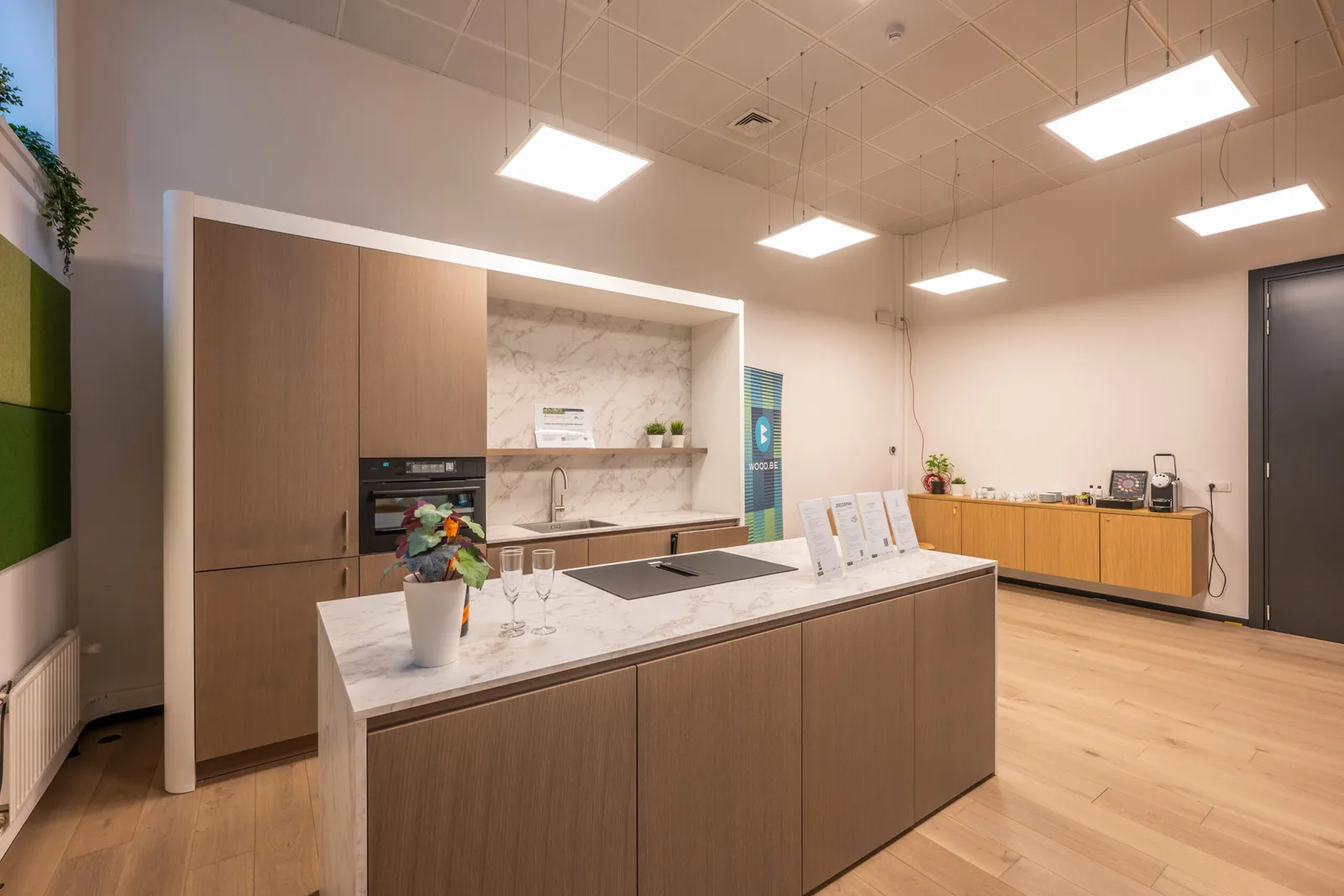
Group De Keyzer’s design teams looked at their kitchens across the full life cycle. They mapped material flows, joining techniques and replacement points, and explored how a kitchen could adapt to changing living needs. This resulted in a fully modular model featuring bio-based panels, circular components and connections designed for reuse and renovation. The company also investigated which services and logistics loops could support a longer service life.
Learning about legislation, materials and traceability
Alongside the experiments on the shop floor, WOOD.BE provided the companies with intensive guidance. “We found that there was a strong need for clarification on regulations,” says Dergent.
“New European rules such as the European Union Deforestation Regulation (EUDR), Corporate Sustainability Due Diligence Directive (CSDDD) and Ecodesign for Sustainable Products Regulation (ESPR) are fundamentally changing the landscape. Companies must be able to show where their wood comes from, how it was produced and what materials it contains. This involves a great deal of administration, but above all requires an understanding of their own supply chain.”
The introduction of the Digital Product Passport (DPP), stricter requirements under VLAREMA and the new Construction Products Regulation (CPR) all require thorough preparation. Companies that invest in traceability and ecodesign will gain a head start.
The power of bringing people together
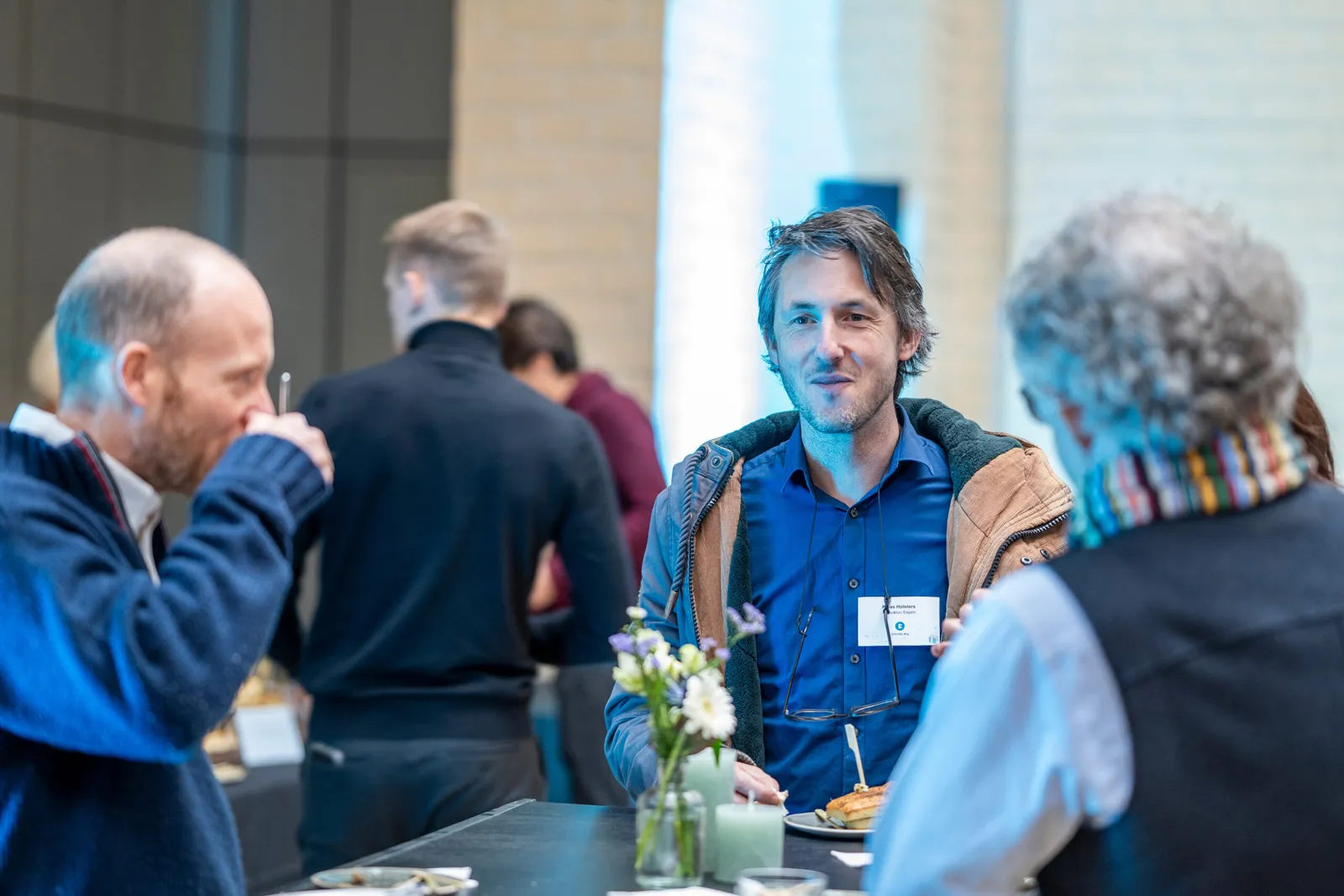
The Living Lab invested heavily in knowledge-sharing and bringing people together. Through Grensland.IN, Inspired by WOOD and the Innovation Wall at the Circular Materials Center in Kortrijk, companies from different sectors had the chance to inspire one another and see each other’s approaches at first hand. The Wood & Carpet matchmaking event built on this by bringing businesses and researchers together to address shared challenges. These exchanges fostered an environment in which companies could learn from one another more quickly, try out new ideas and initiate collaborations naturally. In this way, circularity gains collective momentum, strengthening companies as they make the transition.
Policy lessons for the sector
However, the transition to a circular economy requires more than individual efforts. Governments also shape the pace of change: regulation, procurement policy and support create the conditions in which innovation can grow. In response to this shared challenge, WOOD.BE drew on lessons from the Living Lab to formulate practical recommendations.
Innovation-friendly regulation is central, with quality assurance as a guiding principle to make high-quality reuse easier to implement. Stronger circular procurement can also make a significant difference, as public tenders can provide sustained stimulus for demand for innovative products. There is also a clear need for regional hubs for residual streams and digital platforms that efficiently match materials with new applications, as well as a faster rollout of digital product passports to manage material data reliably. Finally, knowledge-sharing remains essential: designers, operators and policymakers all need new skills to make circular choices possible.
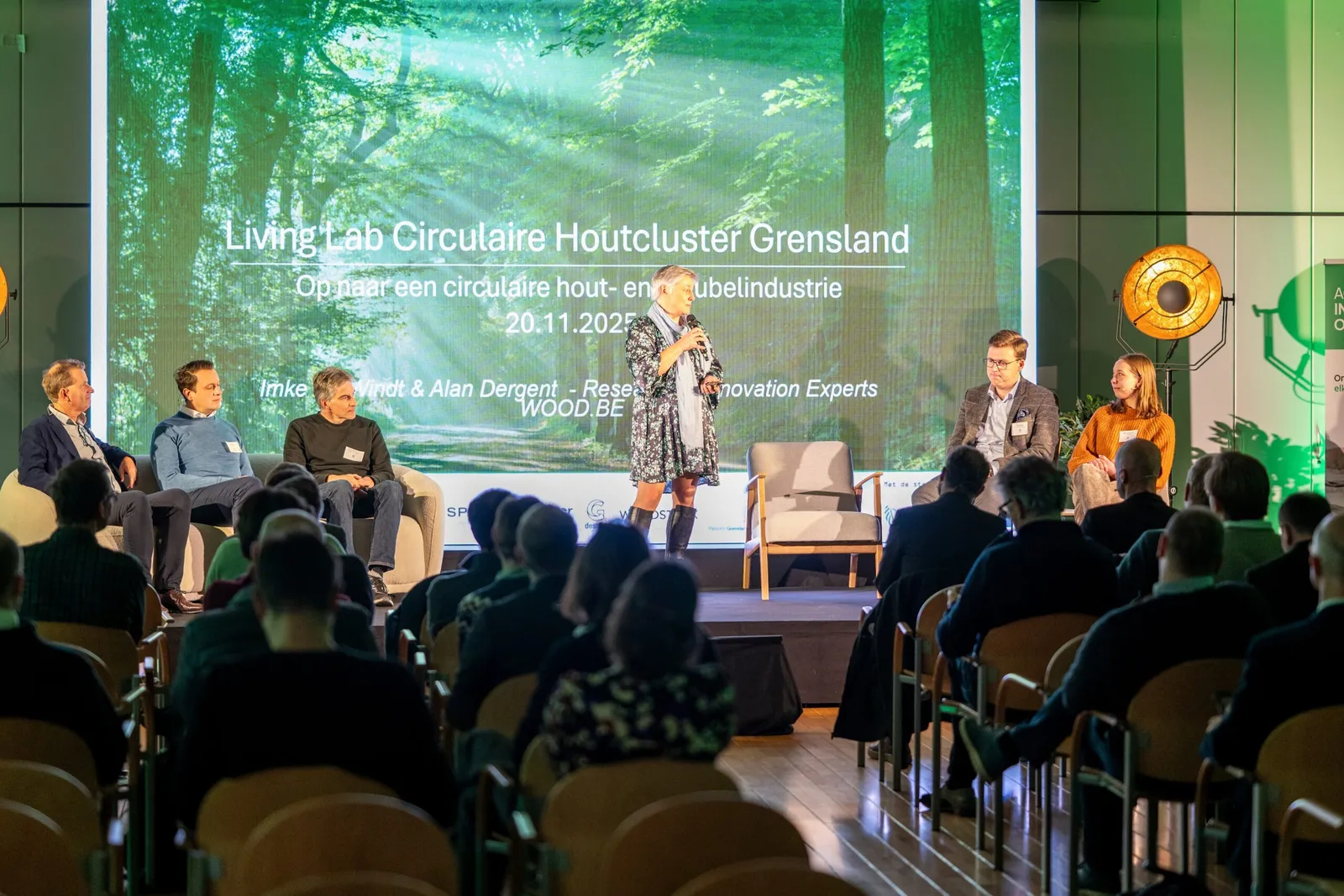
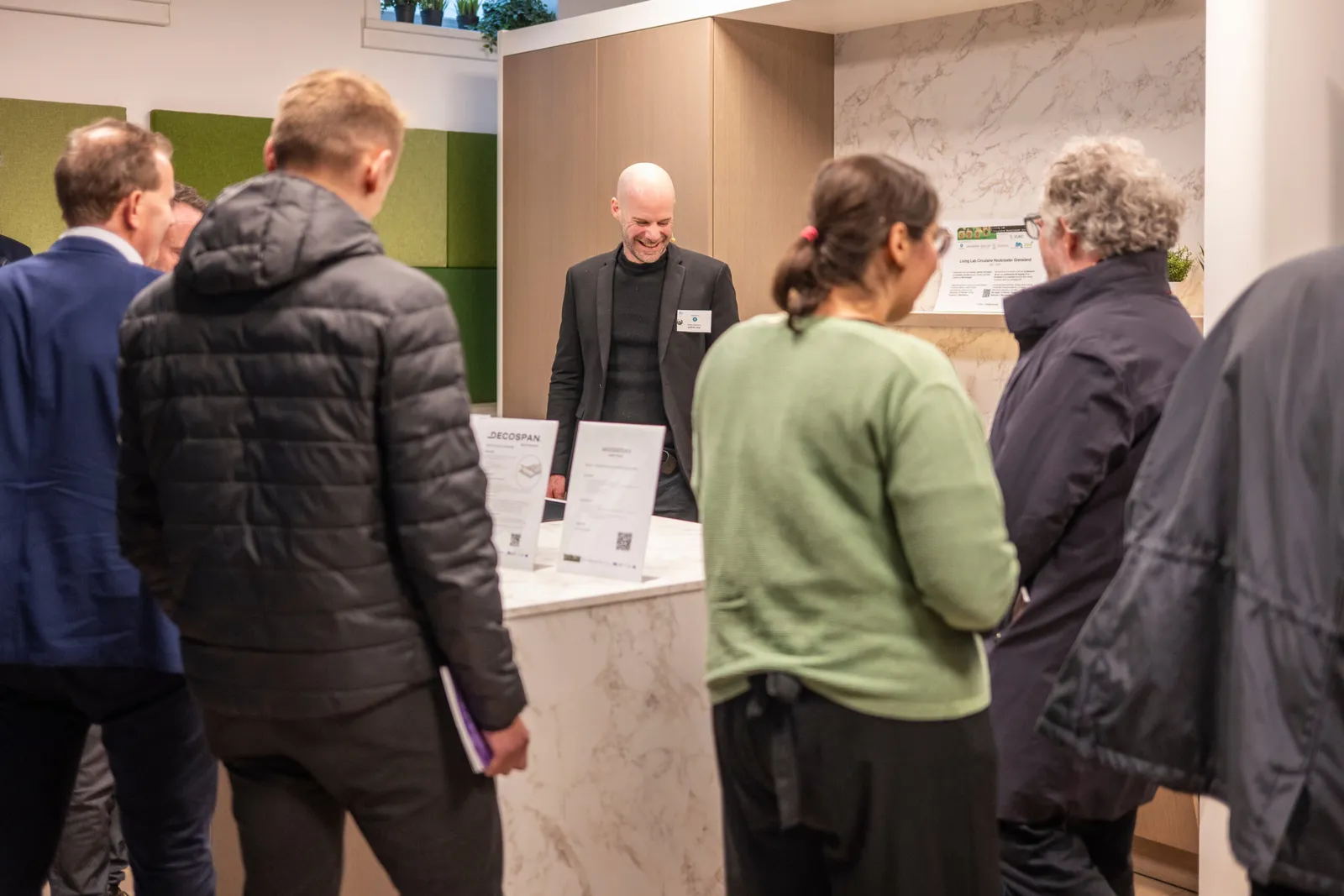
These insights were shared with the sector at the closing event on 20 November. The full project brochure is available from POM West-Vlaanderen and WOOD.BE.
Question about this story? Ask your question
Keep following this
Get an email when a new story is published. No account needed.
- ThemeSustainable and circular timber supply chain
- SubjectGeneral







