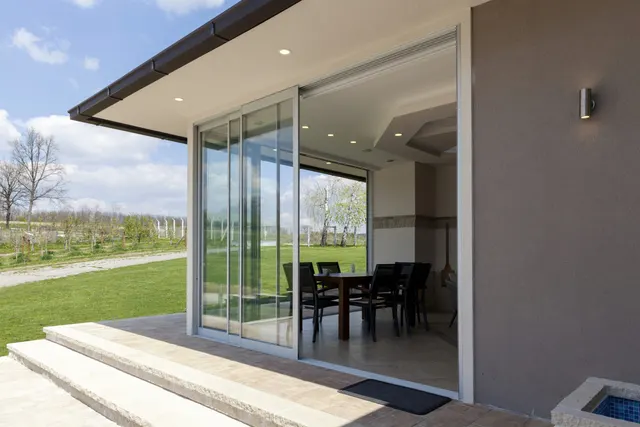
Major investment set to double PVC production by 2035
Text Kris VandekerckhoveImage Pierret
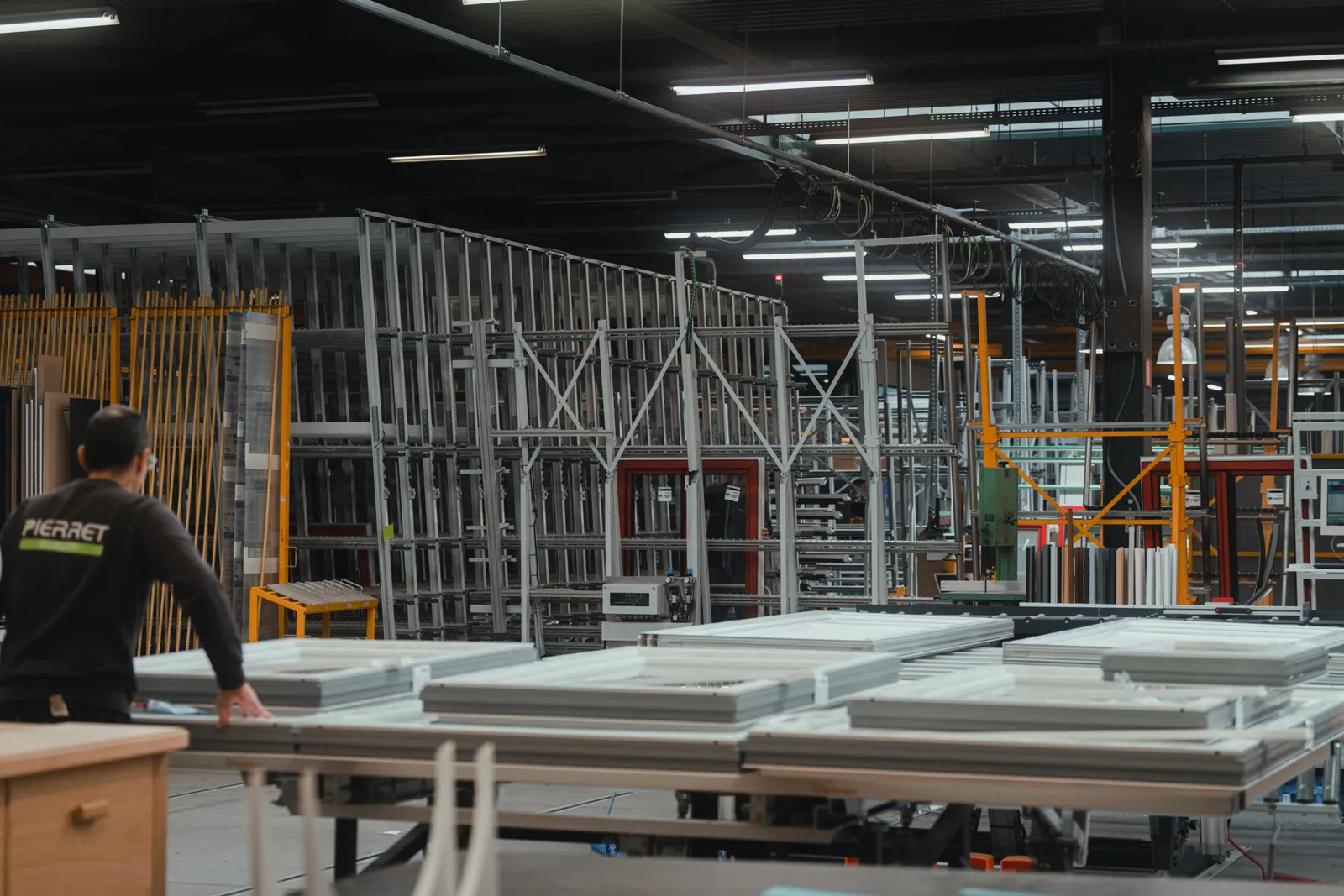
With a new 25,000-square-metre PVC factory in Transinne, Pierret is taking a major step towards further industrialisation. The investment of more than €100 million is set to double production capacity over time. But a visit to both the new PVC site and the timber production facility in Malonne shows that the Belgian manufacturer’s strategy is not simply a matter of ‘more machines’. Automation is intended above all to take on the right tasks, while people remain key to flexibility and quality.
The scale of the new facility in Transinne speaks for itself. The production hall is about 300 metres long and 60 metres wide, and is a key part of the ambition to double PVC production by 2035. Pierret announced the project in 2024 as an investment of more than €100 million. Production is now under way and 50 additional employees have already been recruited, taking the group’s workforce to around 600.
Pierret develops and manufactures its own high-performance product ranges at three specialised sites: PVC in Transinne, aluminium in Bertrix, and timber and timber-aluminium in Malonne. The group also has more than 300 partner distributors across France, Luxembourg, Switzerland and Belgium.
A factory designed around workflow
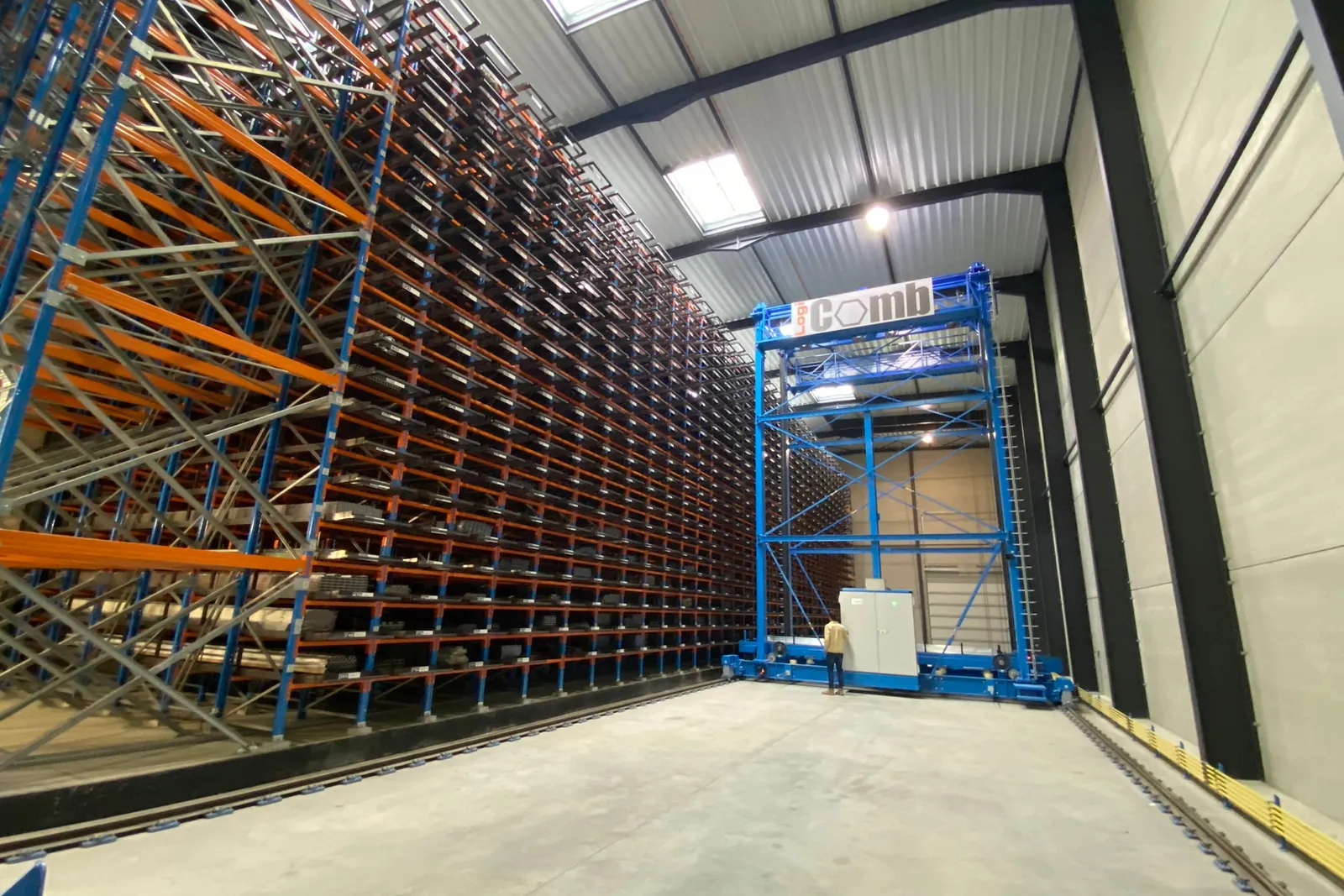
The logistics layout is what stands out most in Transinne. The facility has been designed not only for today’s volumes, but also around a growth plan leading up to 2035. New machines and production lines can be added in stages as volumes increase. The aim was not to install the theoretical maximum capacity from day one, but to build a factory that can grow with demand.
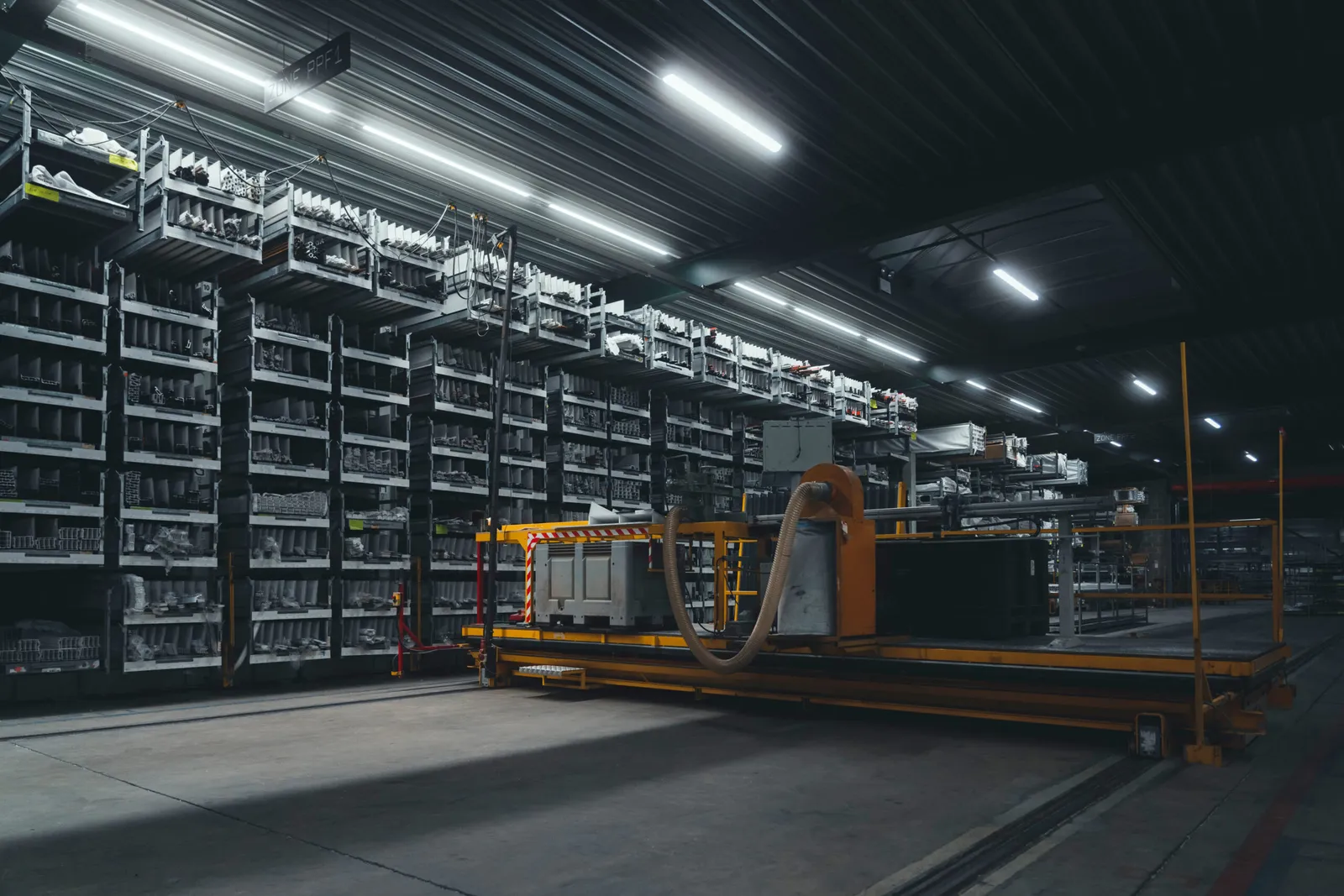
That thinking extends down to the smallest details. Production stations are digitally controlled, while buffers allow products to bypass certain workstations when no processing is required there. This means operators do not have to handle components that need no work from them.
One of the most striking examples is the glass buffer. The system can store and automatically sort around 700 panes. The shuttles travel up to 30 metres. To allow them to move freely, the building’s structure had to be adapted, with intermediate columns omitted.
The difference for the operator is just as significant. Whereas heavy glass trolleys used to be moved by hand, the system now brings the right glass to the right place. “Optimising sometimes means working faster, but also reducing the physical strain,” was the message during the tour.
Technology for a better finish
New eight-head welding machines also produce an almost invisible corner weld on PVC windows. Around 80 per cent of the machinery in the new hall is new. Where possible, relatively recent equipment from the previous production site has been reused.
The glazing is also bonded directly into the PVC profile. According to Pierret, this contributes to the window’s rigidity and dimensional stability, and is one of the technical choices underpinning the manufacturer’s 20-year guarantee.
“After the machines comes the human touch”
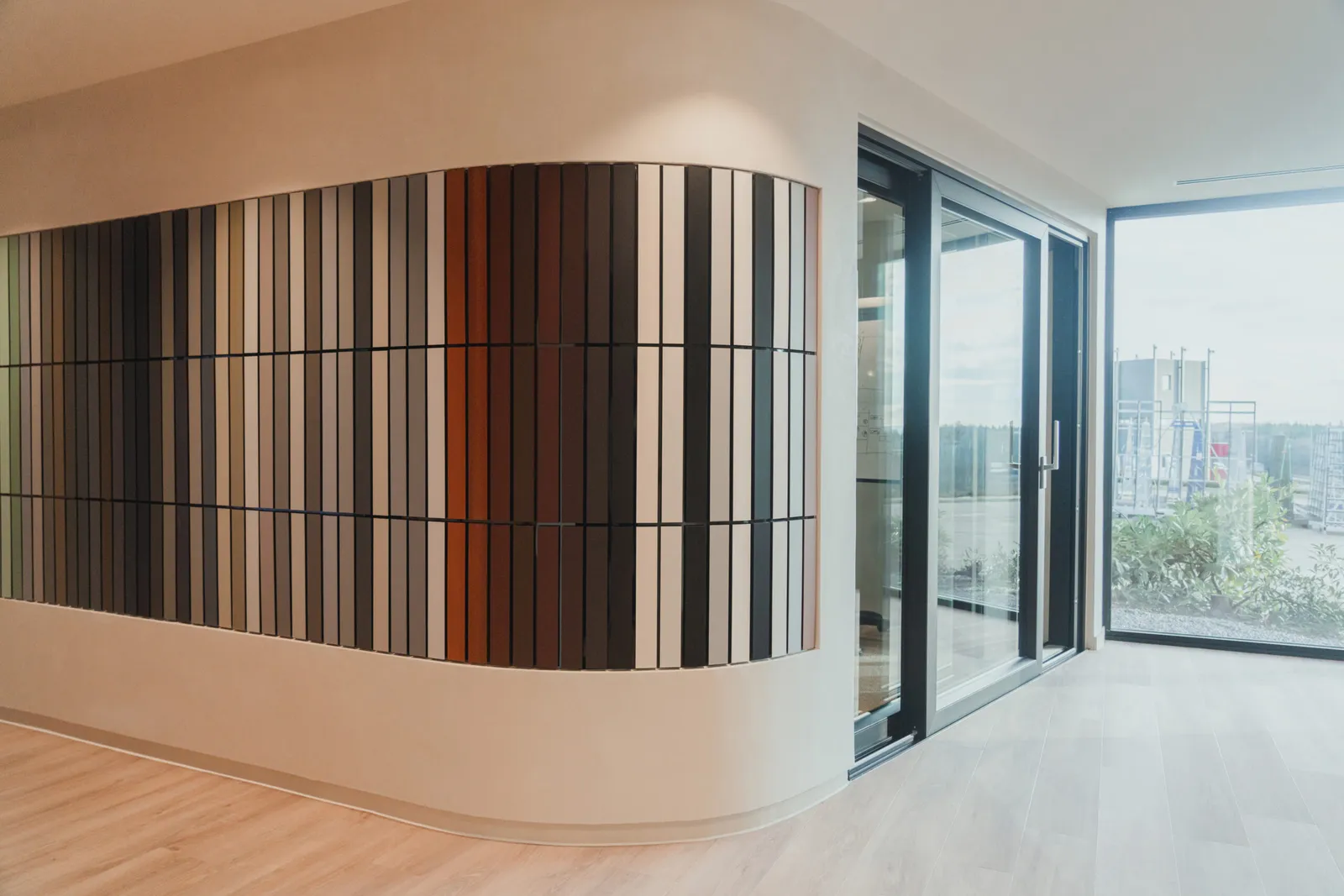
A visit to the timber production facility in Malonne offers almost a mirror image. Computer-controlled machines are used there too. One central machine, for example, has around 240 tools, selected automatically to suit the required profile. Lasers check timber components for length, width and thickness.
But once the finishing work begins, people take over for the most part. Frames are assembled and inspected by hand, and the timber is thoroughly sanded by hand. Pierret has even replaced automatic sanding and painting solutions it had previously used with manual work. According to the manufacturer, a machine cannot detect every natural defect in timber. “After the machines, it’s human work all the way,” was the summary during the visit.
Together, Transinne and Malonne illustrate two sides of the same industrial philosophy. Robotics, IT and automation are used where they can reduce repetitive tasks, physical strain and errors. But where feel for the material, inspection and bespoke work are decisive, the skilled craftsperson remains in charge. It is no coincidence that Pierret uses the term ‘artisanat industriel’: industrial craftsmanship.
Een zakelijke vraag aan PIERRET sa? Get in touch
Companies in this story
Keep following this
Get an email when a new story is published. No account needed.
- SubjectGeneral
- CompanyPIERRET sa