Thermally modified timber: more durable and stable, but not stronger
Text Wendy ThijsImage Hout Info Bois, Marble Moon
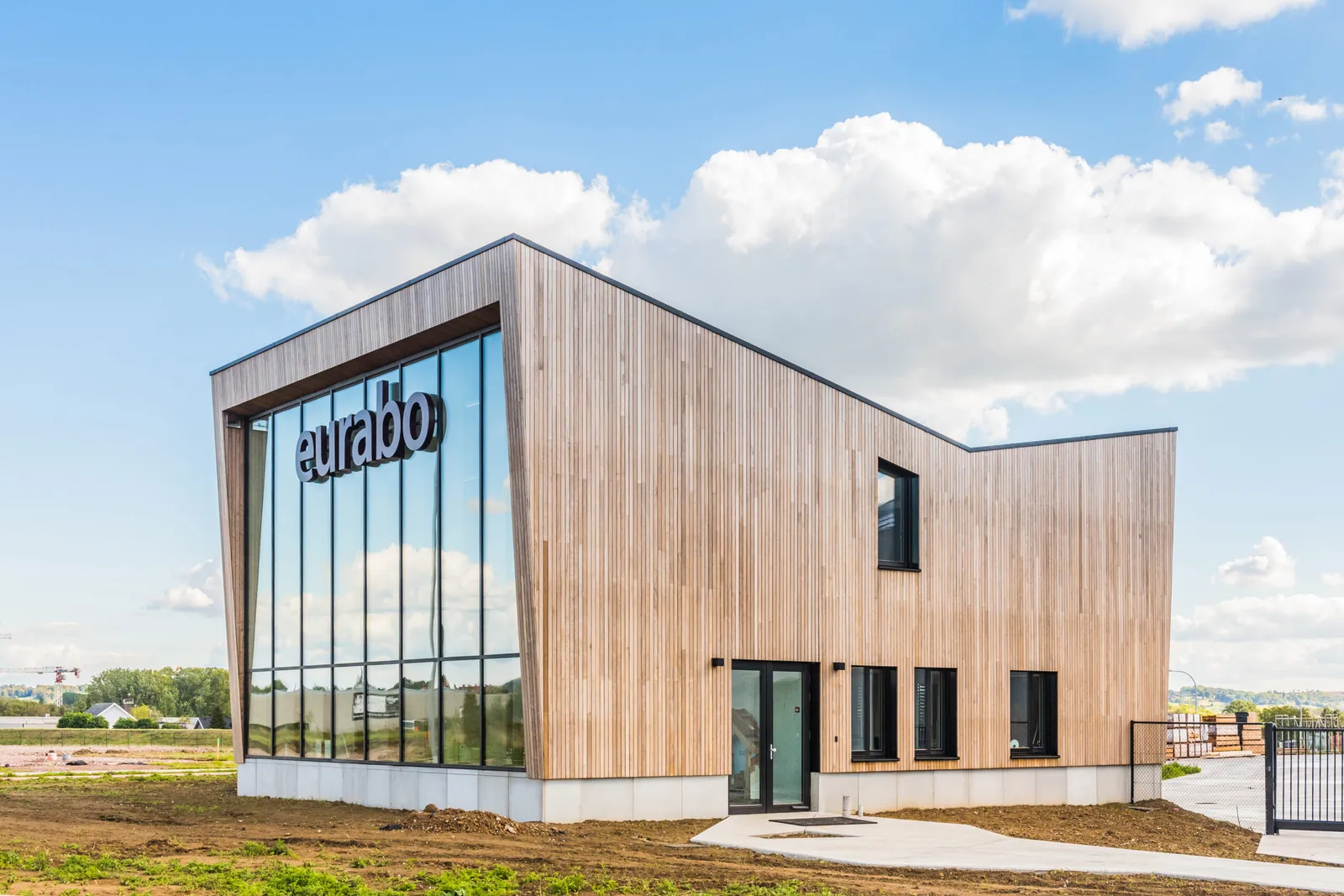
Today, we’re focusing not on a timber species, but on a treatment process. Thermally modified timber has been gaining ground for some time, but it is not always used correctly. A persistent misconception, for example, is that it is also suitable for structural applications. We clearly set out its possibilities as well as its limitations.
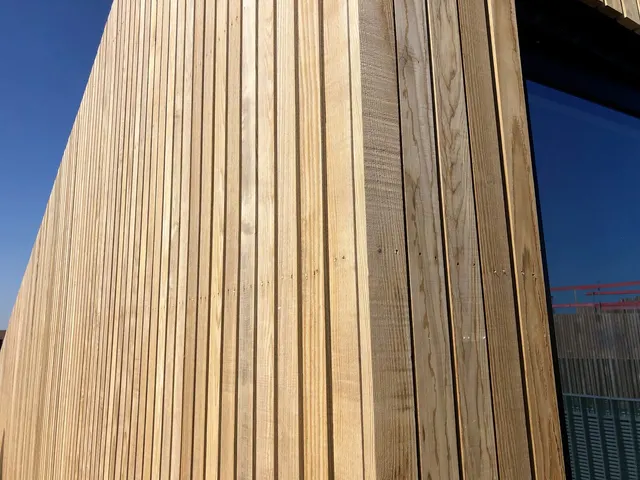
Every timber species has a specific chemical composition and unique physical and mechanical properties. Thermal modification has a profound effect on these. During treatment, the timber undergoes a controlled pyrolysis process: it is heated in a low-oxygen environment to the point where its chemical and physical properties change. For example, after treatment, the timber absorbs less moisture and becomes more dimensionally stable. Its appearance also changes. Depending on the species and the intensity of the process, the timber takes on a more uniform, darker hue. This gives it the same warm, even appearance as certain popular tropical timber species.
Suitable for demanding applications
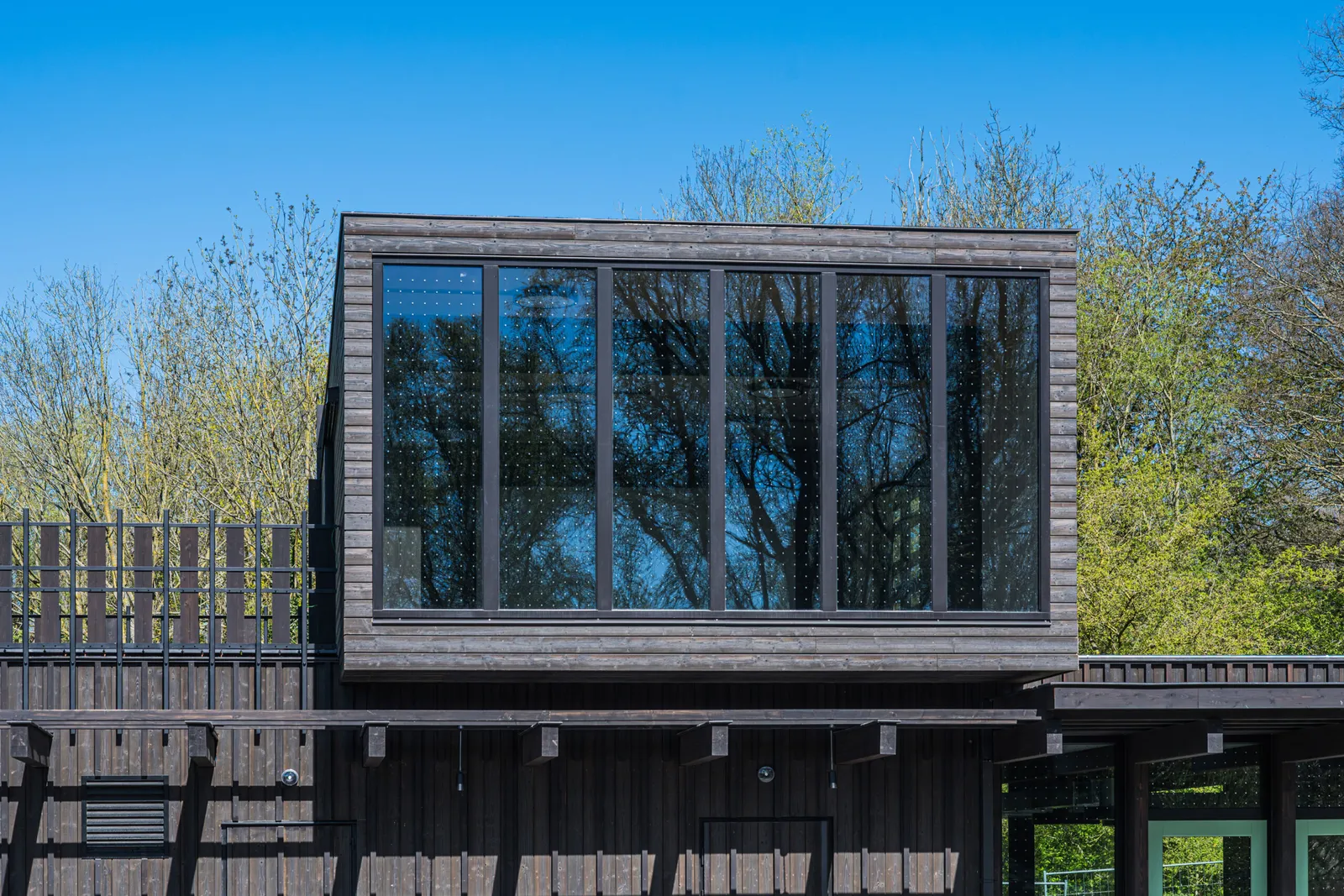
Thermal modification allows timber to be used in a higher use class. This is also why it is being used increasingly often. Timber species that are naturally less durable, such as spruce or ash, can then be used in applications for which they would otherwise be unsuitable, such as cladding or decking.
The treatment also reduces moisture absorption and improves dimensional stability, making the timber less prone to shrinkage and swelling. These benefits make thermally modified timber particularly suitable for exterior applications, although it also proves useful indoors. In spaces with fluctuating humidity, such as bathrooms and wellness areas, for example, the dimensional stability of thermally modified timber is a major advantage.
Almost all timber species can be thermally modified to improve their durability, but they are not all equally popular. Ayous, for example, is very often thermally modified, while demand for thermally modified padouk is lower.
Reduced mechanical properties
The main benefits are therefore increased durability and stability, but that does not mean thermally modified timber is suitable for every application. The treatment also has an adverse effect on the timber’s mechanical properties. In particular, its strength and toughness decrease. The extent depends on various parameters, including the timber species, treatment duration, and the temperature and pressure used in the process.
There are not yet any general design rules, but one study found that the breaking strength of a particular type of thermally modified timber fell by 45 per cent, and its bending strength by 41 per cent. This makes thermally modified timber less suitable for applications where structural performance is critical, such as load-bearing beams and columns, roof trusses, or CLT floors and walls.
A considered choice
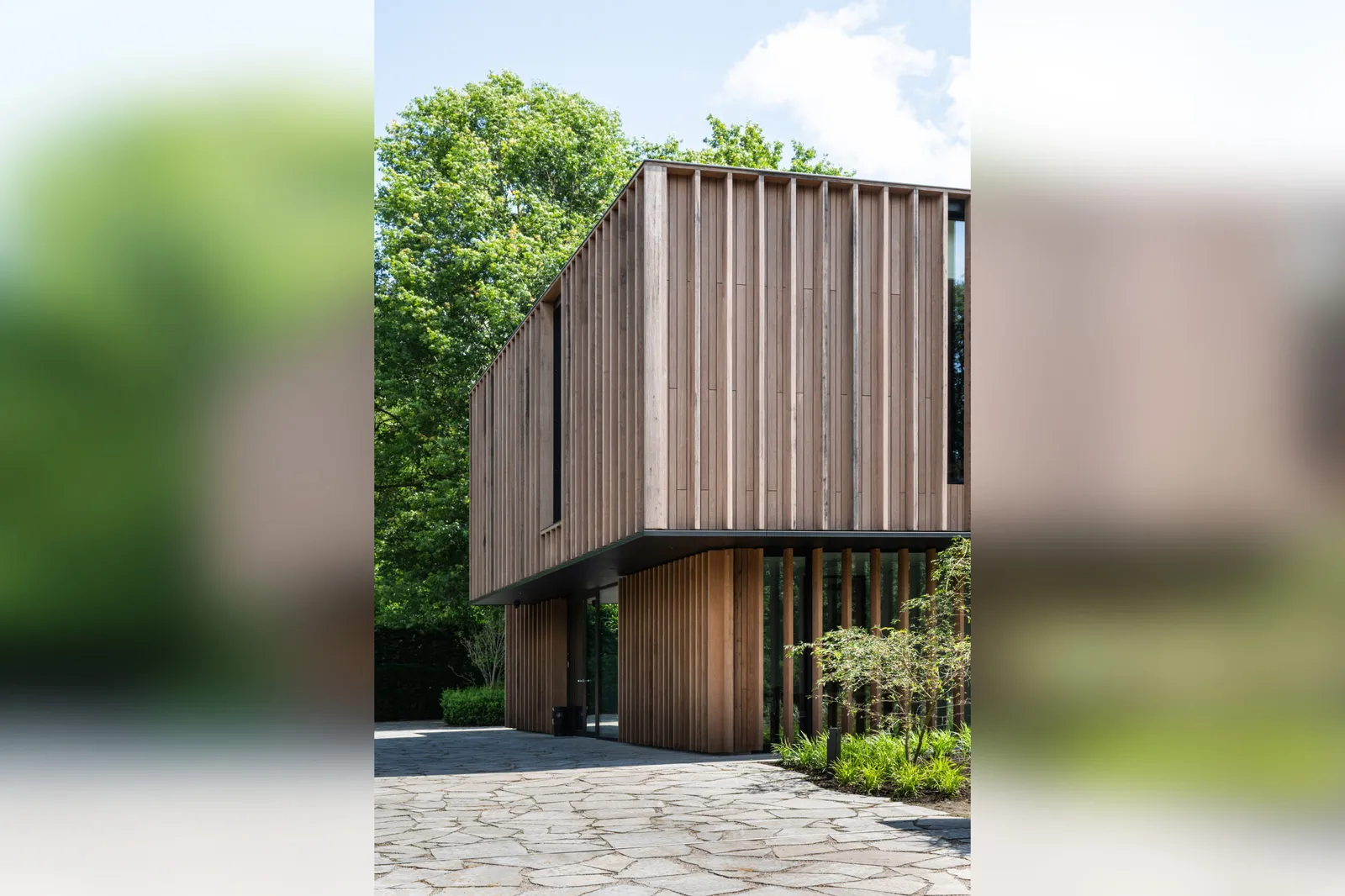
Thermally modified timber offers clear benefits, but it needs to be used with care. Using it for its durability, stability and appearance is a sound choice. But treating it as a fully fledged alternative to structural timber means running up against the material’s limitations and entering dangerous territory.
Want to know more? Contact Hout Info Bois (www.hout.be) with any questions about thermally modified timber.
Question about this story? Ask your question
Keep following this
Get an email when a new story is published. No account needed.
- ThemeSelecting timber and panel materials
- SubjectWoodworking