











Why the customer experience matters in the showroom today
Text Kris VandekerckhoveImage Leonie Snauwaert

Buying a kitchen, bathroom or bespoke interior is not an everyday decision for most people. It often involves a significant investment, along with plenty of preparation, expectations and emotion. Whereas customers used to come in mainly looking for information, today they arrive at the showroom well prepared. They have found inspiration on social media, Pinterest or through an interior designer, and often already know what direction they want to take.
That also means expectations are changing. Expertise and bespoke work remain important, but are no longer enough to set a business apart. “The overall experience will determine which interior companies people choose to work with,” says Caroline Dries, commercial manager at Brio Group. According to her, customers are increasingly looking for a fully supported, hassle-free process. They want a single point of contact to guide them through the entire project, from the first idea to completion. Expertise and product knowledge matter, but so do accessibility, communication and trust.
Hospitality is in the details
Customer experience is often associated with grand gestures, but according to Chris De Waele, founder of Customer Delight Works, it is the little things that make the difference: “Using someone’s name is, in my view, an incredibly powerful tool that very few people use.” A personal greeting, a warm welcome or a simple follow-up after a purchase can leave a lasting impression. These small moments are what make customers feel seen and valued.
De Waele also points out that the customer experience does not end when the sale is complete. Quite the opposite. The period after the purchase offers opportunities to build the relationship further. A thoughtful gesture, a follow-up call or a simple check-in can turn a satisfied customer into an ambassador for the business.
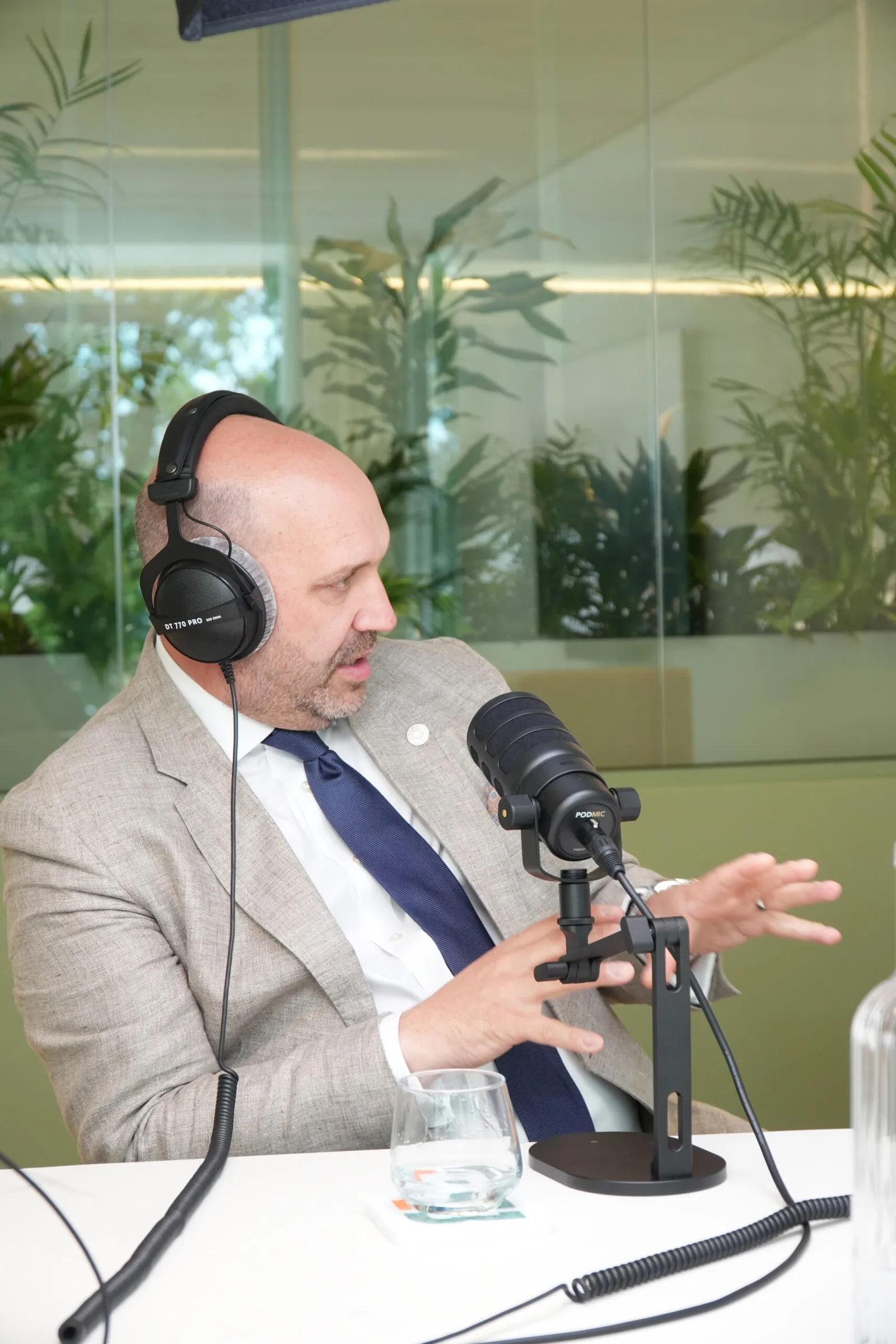

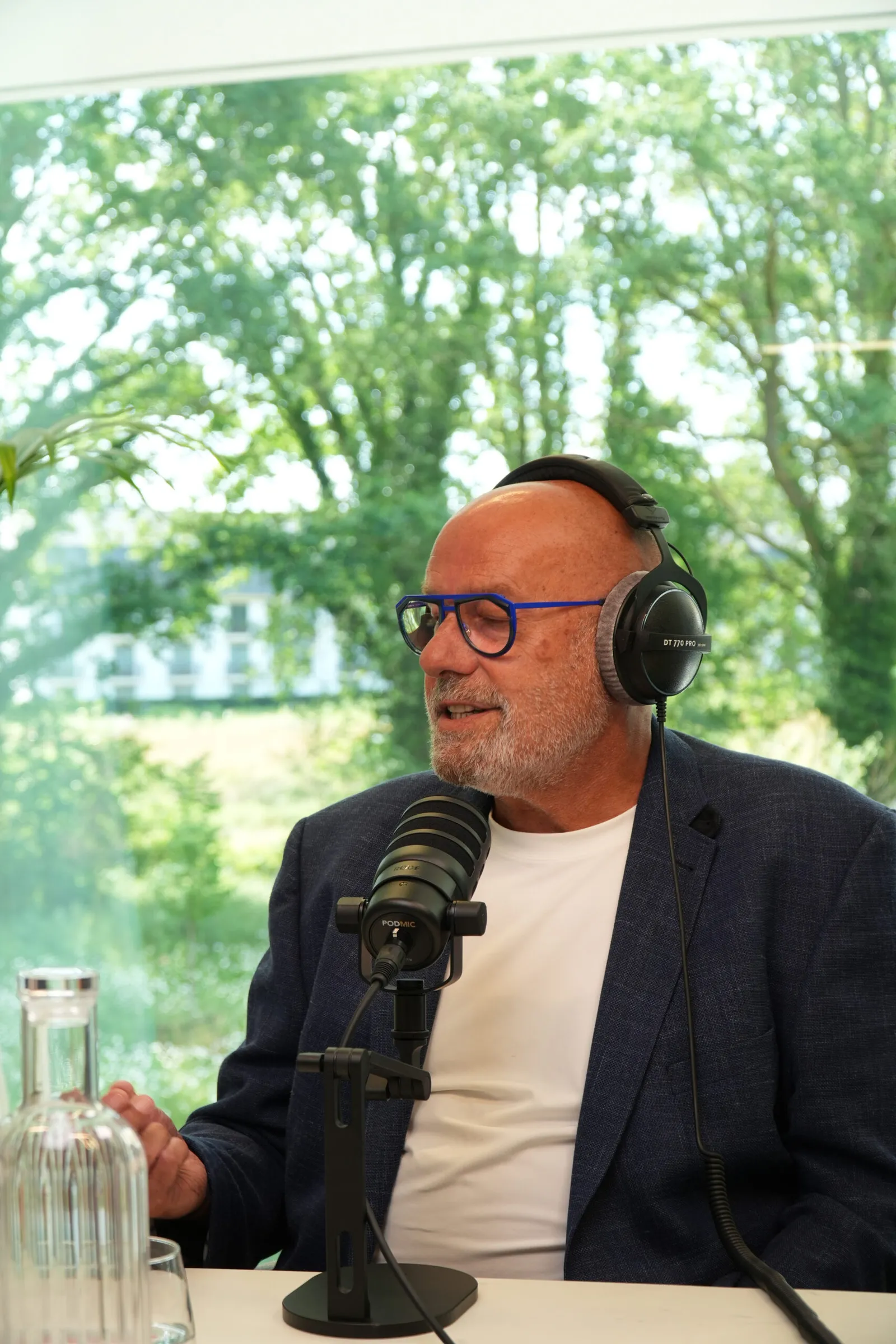
From service to emotion
For Vincent Vermeulen, founder of School for Butlers & Hospitality, the essence of hospitality lies in the difference between service and emotion: “Service is technical knowledge. Hospitality is about emotions.” He believes many organisations still focus too heavily on the technical aspects of their service. Of course, staff need to be competent at their job, but that alone does not create a memorable experience.
Customers do not necessarily remember the technical explanation they were given. They do remember how they felt during their visit. Were they listened to? Did they feel welcome? Was genuine attention paid to their situation? According to Vermeulen, that emotional connection is what distinguishes competent service from an exceptional customer experience.
Let customers experience what you sell
One important lesson from the hospitality world is that customers should be able to experience a product as soon as possible. Vermeulen says: “Put the product in the customer’s hands in the first moments of the interaction.” For interior companies, that means making ideas tangible. Let customers feel the materials, explore combinations and experience the spaces. The more concrete a concept becomes, the easier it is for customers to picture the finished result.
This also reflects a clear shift in the sector. Whereas showrooms used to be designed primarily to display and compare products, the focus is increasingly shifting towards inspiration. Dries says: “Many showrooms are switching from informing to inspiring.” The showroom is becoming more than a place where products are sold. It is an environment where customers gather ideas, discover possibilities and receive help in shaping their home project.
Training remains crucial
The importance of education and training cannot be overstated. Many businesses invest in technical knowledge, but less in customer experience skills. Yet that is precisely where the difference is made. How do you greet customers? What questions do you ask? How do you pick up on cues? How do you build trust? According to De Waele, small details often determine how customers experience a business: “You set yourself apart through all those little details. If you manage to get them right consistently, you create an experience that is difficult to copy.”
In short, customers are not just buying a kitchen, bathroom or interior. They are buying peace of mind, trust, guidance and a feeling. Products and prices can be compared, but how customers feel throughout the process remains unique. That is a significant opportunity: to invest not only in craftsmanship and quality, but also in hospitality. Because ultimately, it is not necessarily the products that customers remember, but the experience that came with them.
Een zakelijke vraag aan Brio Group? Get in touch
Companies in this story

Keep following this
Get an email when a new story is published. No account needed.
- ThemeStrong and safe trade businesses
- SubjectGeneral
- CompanyBrio Group







