Edgebanding: a small detail with a big impact
Text Christobal van LeeuwenImage Vecteezy
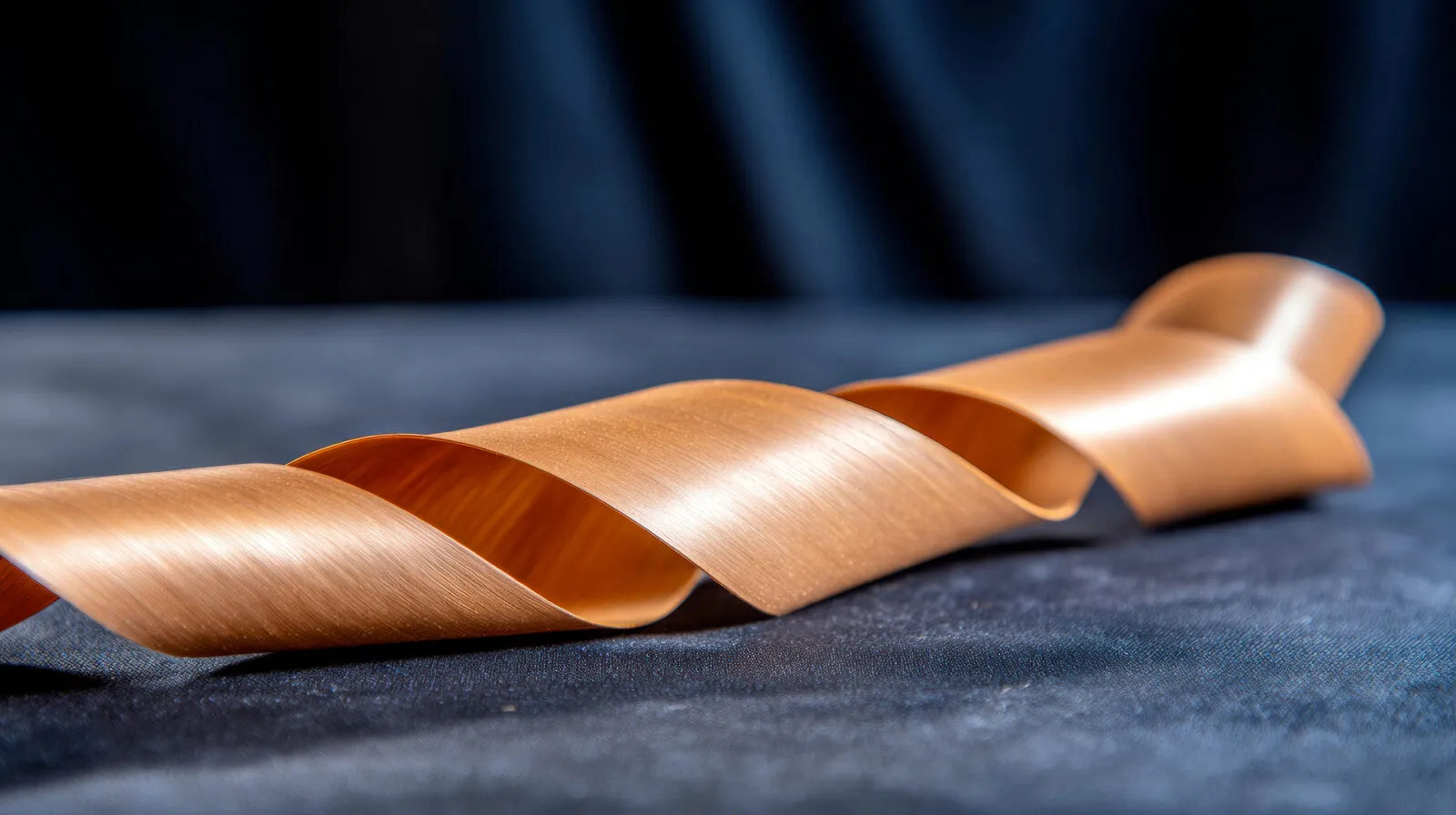
In interior construction, much attention is paid to panel materials, colour and fittings. Yet a much smaller component also helps shape perceptions of quality: the finish on the panel edge.
This is where edgebanding comes in. What may seem like a minor detail at first glance is, in practice, a technical and aesthetic link between design, production and use. Edge finishing deserves particular attention on furniture exposed to moisture, temperature fluctuations, intensive cleaning and daily contact.
Protection and a defining visual feature
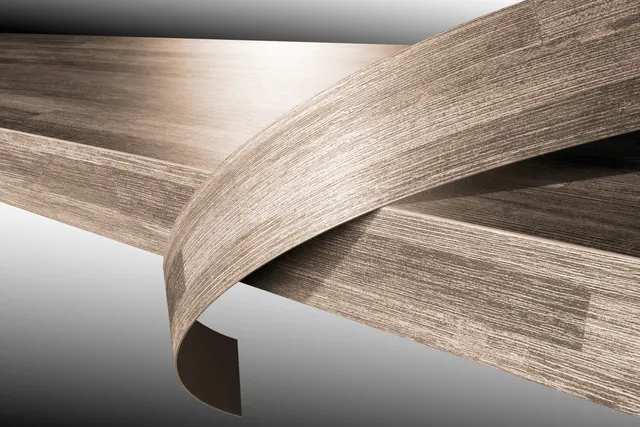
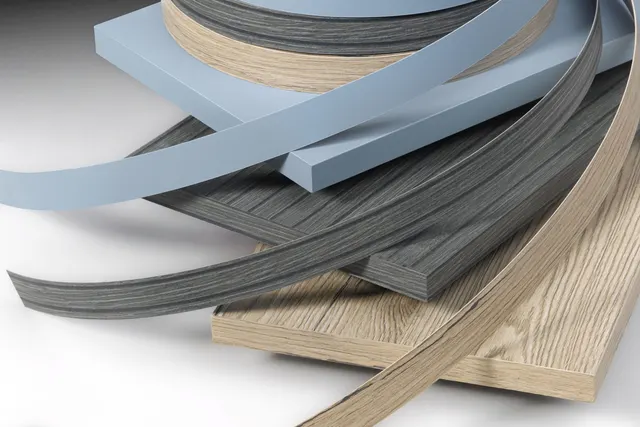
Edgebanding serves a dual purpose. It protects the edge of the panel against knocks and wear from use. At the same time, it is a visible design element that helps determine whether a piece of furniture looks sleek, refined or robust.
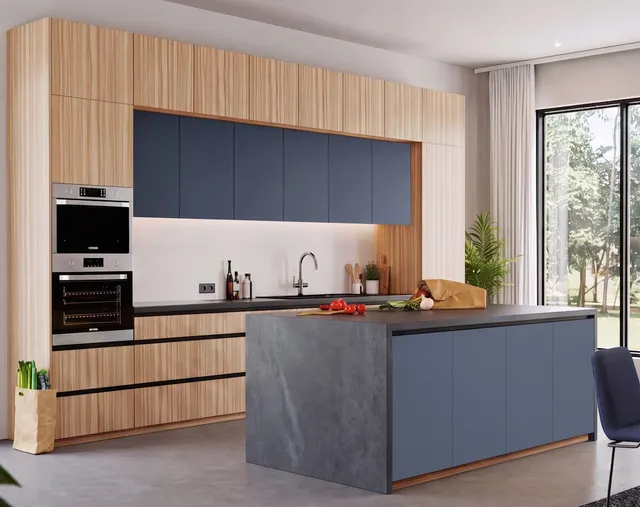
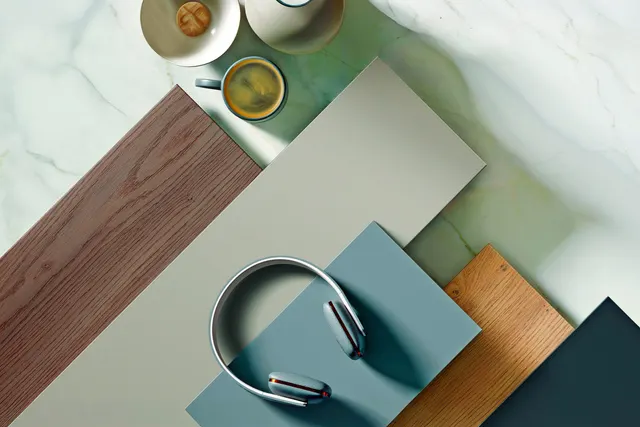
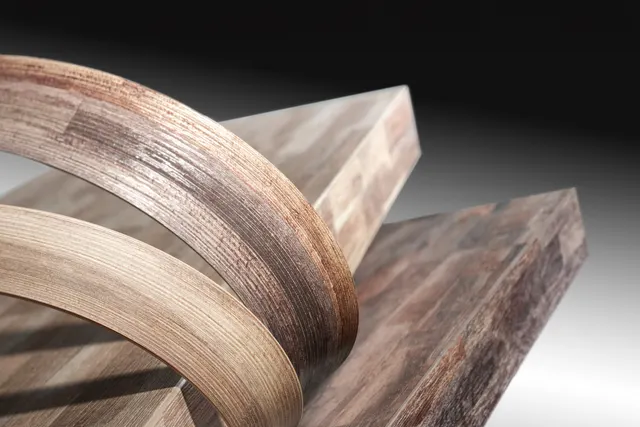
Its role goes beyond protection alone. Contemporary interiors combine supermatt surfaces, wood reproductions, deep textures and high gloss. This calls for precise coordination between the panel, texture, gloss level and radius. The edge should not stand out, unless that is intentional.
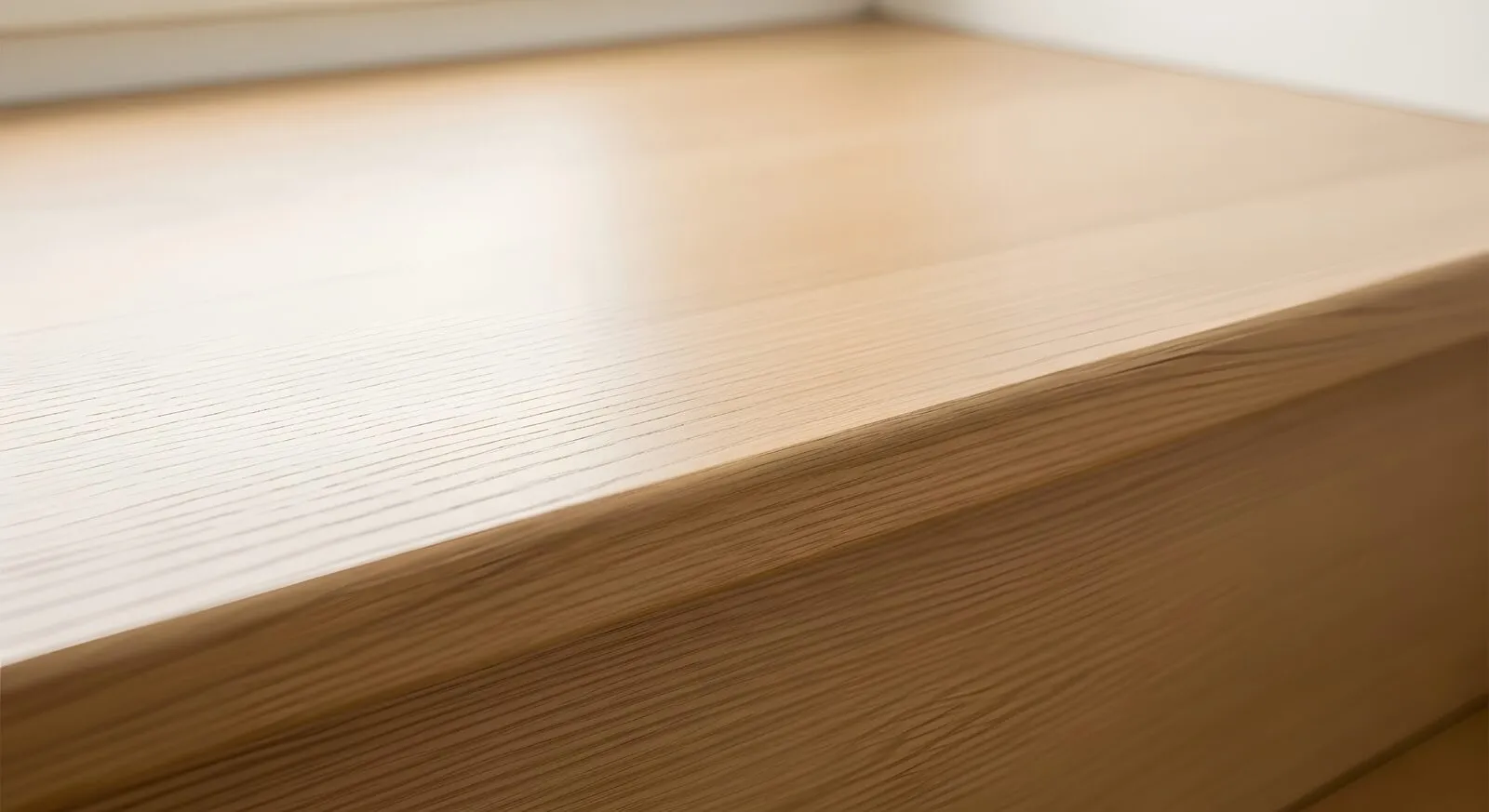
ABS and alternatives
ABS remains one of the best-known and most widely used materials for edgebanding. This is thanks to its workability, mechanical and thermal resistance, and wide range of decors. It is available in a variety of finishes, from supermatt to high gloss, and in a range of textures.
PP, acrylic and other options are also available, depending on the desired appearance and performance. For interior fitters and joiners, choosing an edgeband is therefore becoming less of a purely logistical decision. Increasingly, it forms part of the overall concept, tailored to the product’s design, use and market positioning.
The adhesive joint as a critical link
The bonding process itself has also become more technical. In the past, the main concern was whether an edge was ‘stuck on properly’. Today, the bar is considerably higher. Resistance to moisture and temperature, as well as ease of cleaning, are becoming increasingly important.
EVA remains widely applicable in practice. PUR, meanwhile, has become firmly established in applications with more demanding requirements, such as kitchens and bathrooms. However, PUR is not automatically the best choice for every production setup. Processing it demands greater discipline in process control, maintenance and material handling. The key question has therefore shifted from ‘which adhesive is best?’ to ‘which adhesive technology suits the product level and production process in question?’
Flexibility and precision on the factory floor
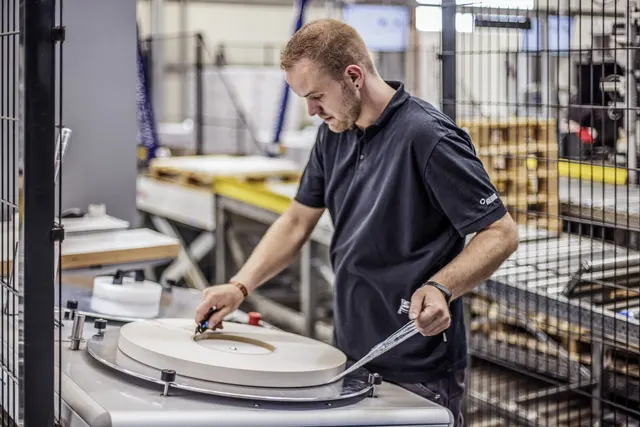
This evolution is also reflected on the factory floor. With modern edgebanders, flexibility, repeatability and finishing quality matter as much as speed. Modern machines combine several operations in a continuous line: joint trimming, adhesive application, end trimming, profile and radius milling, scraping and polishing. This allows them to process a wide range of materials and small batches efficiently, without compromising on quality. This is relevant for interior fitters and joiners looking to combine bespoke work with consistent production quality.
The rise of zero-joint technology
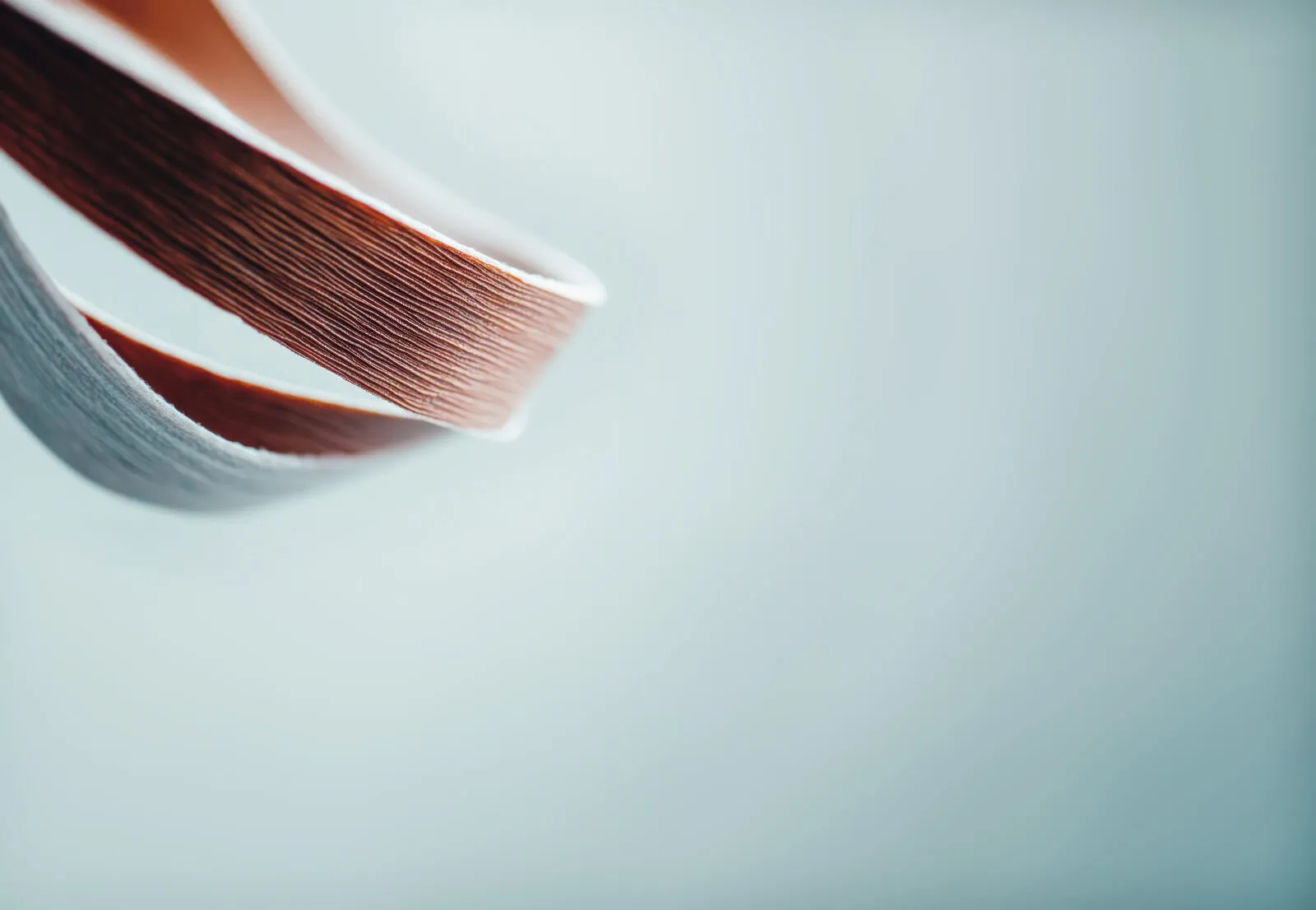
Zero-joint technology is also attracting increasing attention. Here, an activated functional layer on the edgeband creates the bond, instead of a conventional visible glue line. Three technologies are commonly used: laser, hot air and NIR. The aim is always the same: a transition between panel and edge that is barely visible.
This offers clear advantages for the premium interior construction segment. Clean lines remain intact and transitions between materials look more seamless. At the same time, this approach requires investment in machinery, process expertise and market positioning. Zero-joint technology is therefore both an aesthetic and a strategic choice.
Sustainability right down to the edge finish
Alongside aesthetics and process quality, sustainability is also becoming more important. This is reflected in both material choice and energy consumption on the production floor. For example, lower processing temperatures for certain hot-melt adhesives can reduce the energy required for melting. This matters to businesses, as energy costs, working conditions and environmental impact are increasingly influencing investment decisions. A seemingly small production operation such as edge bonding is thus directly connected to broader issues such as efficiency and future-proofing.
A narrow edge with a big impact
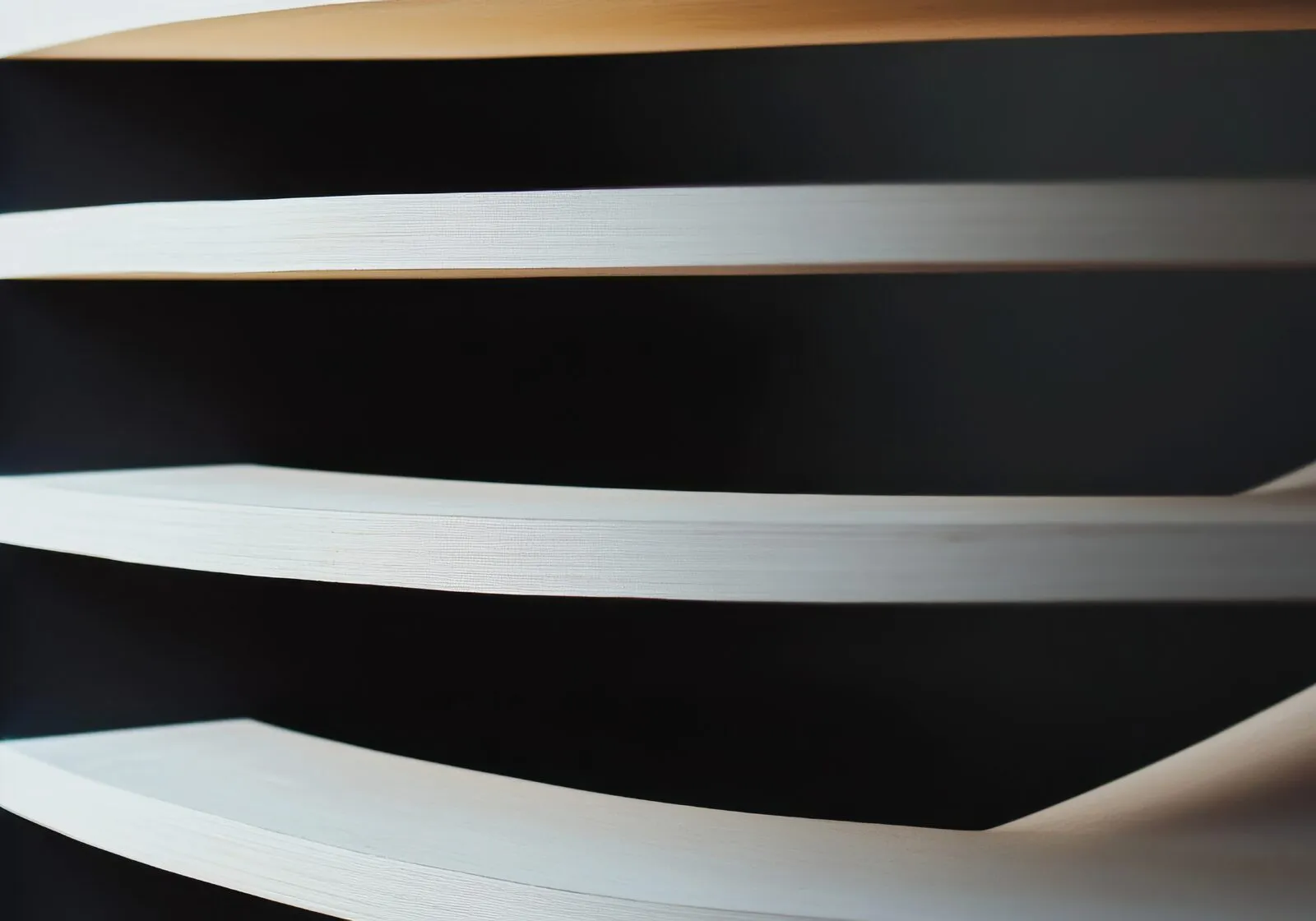
Edgebanding has evolved from a finishing detail into a marker of quality. At the panel edge, decor and protection, machine and material, speed and precision all come together.
Anyone producing, selling or specifying furniture today can hardly limit themselves to asking which edge ‘roughly fits’. Which combination of edgeband, adhesive technology and machine setup best supports the desired product level? That is the relevant question. This narrow edge helps determine how much quality a piece of furniture ultimately conveys.
PUR or EVA: not a black-and-white choice
In practice, the choice between EVA and PUR bonding depends largely on the application and production context. EVA is widely applicable, easy to process and well suited to standard applications or flexible production. PUR comes into play when higher resistance to moisture, heat and chemicals is required, as in kitchens and bathrooms. On the factory floor, it is therefore rarely an either-or decision.
Question about this story? Ask your question
Keep following this
Get an email when a new story is published. No account needed.
- ThemeSustainable surface and edge finishing
- SubjectEdgebanding