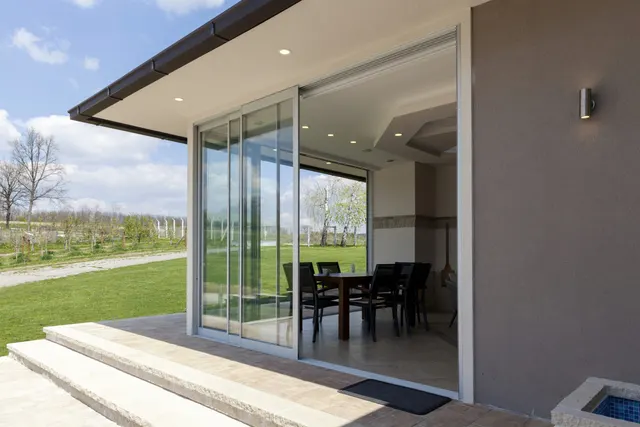
Wood, a strategic choice
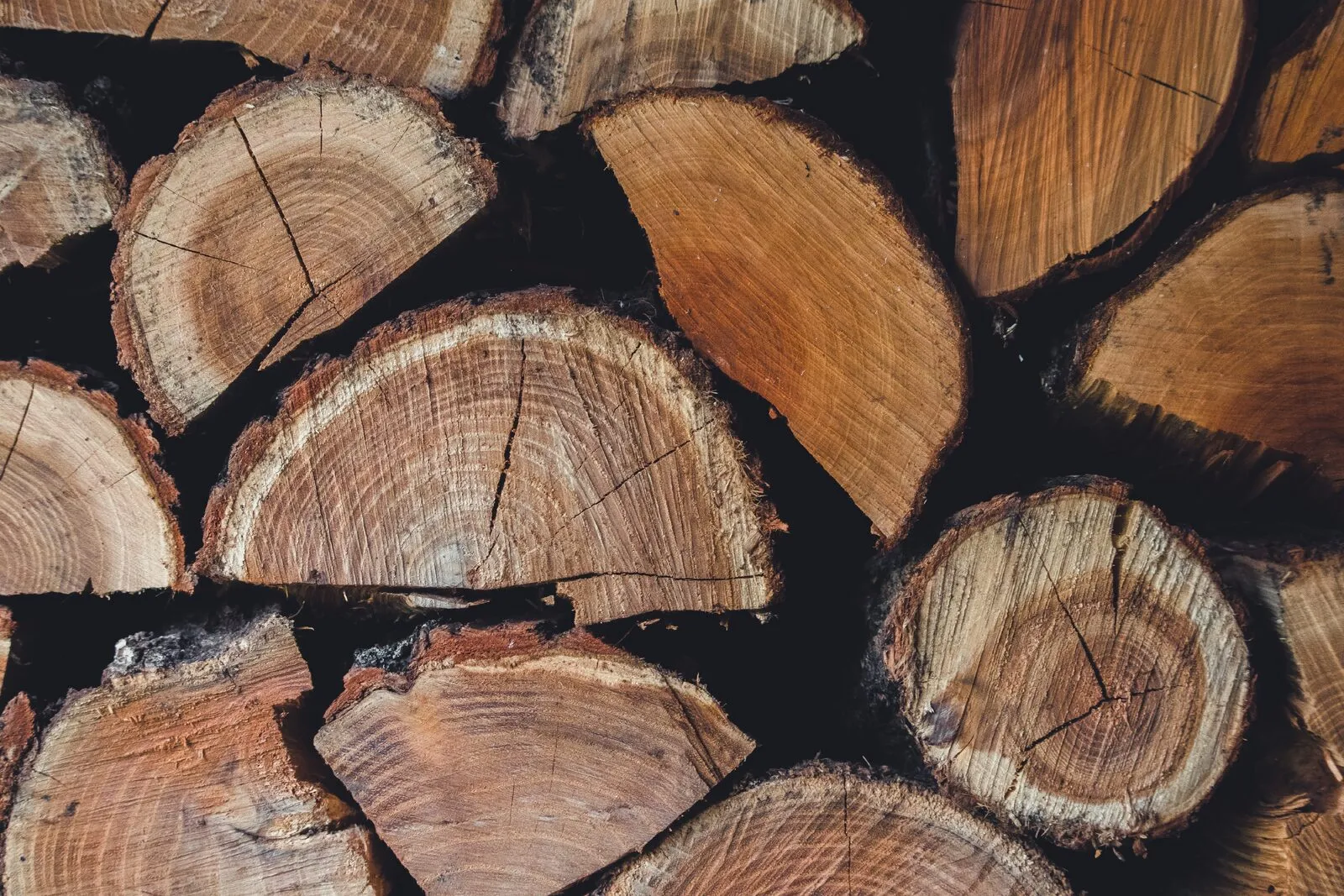
While Europe is concerned about critical metals, energy dependence and geopolitical tensions, one strategic, sustainable and renewable resource remains remarkably under the radar: wood.
Yet wood meets almost all the criteria that are central to today’s debate on economic resilience and strategic autonomy. It is renewable, produced and processed locally, and offers answers to major societal challenges: climate, circularity, renovation and the scarcity of space. What is more, the wood and furniture industry anchors industrial activity and employment at home, with more than 15,600 jobs in Belgium today.
The Flemish Government recently reached a provisional agreement on the Flanders Spatial Policy Plan. One of its key priorities is densification: creating more housing without encroaching on additional open space. This is essential in one of Europe’s most densely built-up regions.
But the strategic question is not just where we will build. What we will build with is equally important. This is where wood from sustainably managed forests comes into sharp focus.
When adding storeys to existing buildings, wood offers significant advantages. Its low weight and high degree of prefabrication make it possible to extend buildings quickly and efficiently, with minimal disruption to residents and the surrounding area.
Which materials do we want at the heart of our economy?
Wood is one of the few raw materials that brings together climate benefits, economic value and strategic autonomy. While many building materials depend on energy-intensive production processes and imported raw materials, Europe has its own forest resource and a strong wood-processing value chain.
Every cubic metre of sustainably harvested wood processed and used here supports jobs, added value, expertise and industrial capacity. A strong local wood value chain is therefore more than an economic opportunity. It is a form of economic insurance.
If Flanders and Belgium are to invest in shorter supply chains, circularity and strategic autonomy, local production, processing and use of sustainable wood must also move much higher up the policy agenda.
The climate story deserves a broader perspective too
Wood stores carbon throughout its service life and can thus contribute to the climate transition. But the significance of wood goes beyond CO₂ alone.
Wood connects forest and building. Economically viable demand for sustainably produced wood can encourage sustainable forest management, create scope for new planting and strengthen the social and economic value of our forests. Investing in a sustainable wood value chain also means investing in forests, biodiversity and a renewable resource for our economy.
There is another dimension too: wellbeing.
The neuroscience study commissioned by Fedustria under the direction of Prof. Dr Steven Laureys shows that wood in interiors elicits significantly greater engagement and more positive feelings, while suppressing negative emotions such as stress, anxiety and aversion.
This matters in homes, but just as much in schools, care facilities and offices. The material choices we make when shaping our living and working environments are therefore not neutral. They have an ecological and economic impact, but also affect how people experience spaces.
Wood is not just a building material, but a strategic raw material
Europe is increasingly focusing on the bioeconomy, circularity and making the construction sector more sustainable. For several years, the Netherlands has been firmly committed to bio-based construction, with concrete ambitions to match.
Belgium must also accelerate this shift. At federal level, for example, a targeted VAT reduction on new-build homes that are the owner’s sole and own property could provide an additional incentive for sustainable and bio-based construction methods, including timber construction.
Flanders also has the expertise and industrial base to take a leading role. Through initiatives such as the Green Deal Lokaal Hout, forest owners, wood processors, architects, construction companies, knowledge institutions and public authorities are already working together to strengthen the local value chain.
There is support. The expertise is there. The industry is there. What is missing is a clear long-term vision.
This debate must also take place at European level.
Europe still has a strong forest resource and wood-processing value chain. But rising international demand and exports of roundwood to third countries, including China, could weaken this position. When European roundwood leaves without being processed here, we export not only a valuable raw material, but also potential industrial added value, jobs and expertise.
That is precisely why we must look ahead. We must not wait until wood becomes subject to the same strategic dependencies that Europe is now trying to eliminate for other raw materials.
The European Critical Raw Materials Act focuses largely on existing supply risks and import dependence. But economic security policy must also anticipate strategic raw materials for which Europe still has a strong domestic resource today, but whose availability to its own industry could come under pressure in the future.
From this perspective, we are calling for wood’s place in European policy to be reassessed and for wood to be explicitly included in policy on economic security, the bioeconomy, sustainable construction, circularity and industrial competitiveness.
What is missing is a clear long-term vision for both the production and use of wood
A Belgian wood strategy, firmly rooted in the regions, is therefore not an unnecessary extra but a logical next step.
Such a strategy must bring together forest policy, climate policy, industrial policy, spatial development and economic resilience. It must focus on sustainable forest management, ensuring the optimal availability of wood for high-value applications, strengthening the local wood-processing value chain and giving wood and other bio-based materials a greater role in construction.
Ultimately, this is about much more than buildings.
It is about how we strengthen our economy, achieve our climate targets and increase our strategic autonomy. How we make the most of our own renewable resources. And how we reconnect nature, industry and society.
Wood offers an answer to all these challenges.
The question is no longer whether wood can play a role in our future. The question is whether Flanders, Belgium and Europe are ready to give wood the strategic place it deserves.
Karla Basselier, CEO of Fedustria
_________________________________________________________________________________
"Fedustria is the Belgian federation of the textile, wood and furniture industries. We represent around 1,400 companies in Belgium, 91% of which are SMEs. Together, they create more than 30,200 direct jobs and generate a turnover of 11 billion euros, around 70% of which comes from exports. Our companies are a shining example of manufacturing in Belgium."
Question about this story? Ask your question
Keep following this
Get an email when a new story is published. No account needed.
- SubjectGeneral