A guide to sustainable building methods and materials
Text Wendy ThijsImage Eurabo & Marble Moon
Eurabo’s mission is to help the construction industry move towards circular building methods and truly sustainable buildings. That is why the company not only supplies ecological building, timber and insulation materials, but also focuses on advice and knowledge-sharing. “Peter Suys founded Eurabo out of a strong commitment to society. Employees are therefore given every opportunity to contribute to making the sector more sustainable,” says Dries Hubrechts, who regularly travels around the country to give guest lectures.
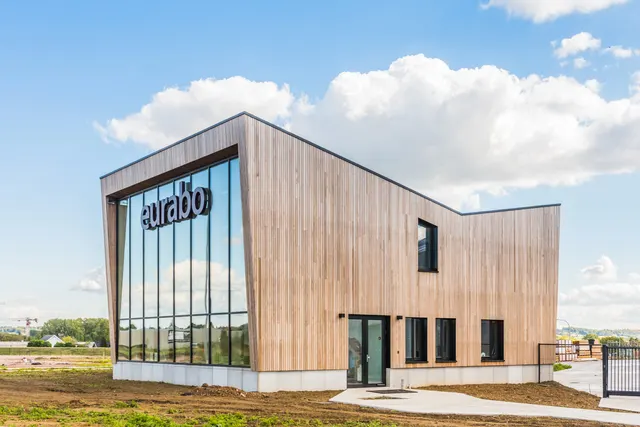
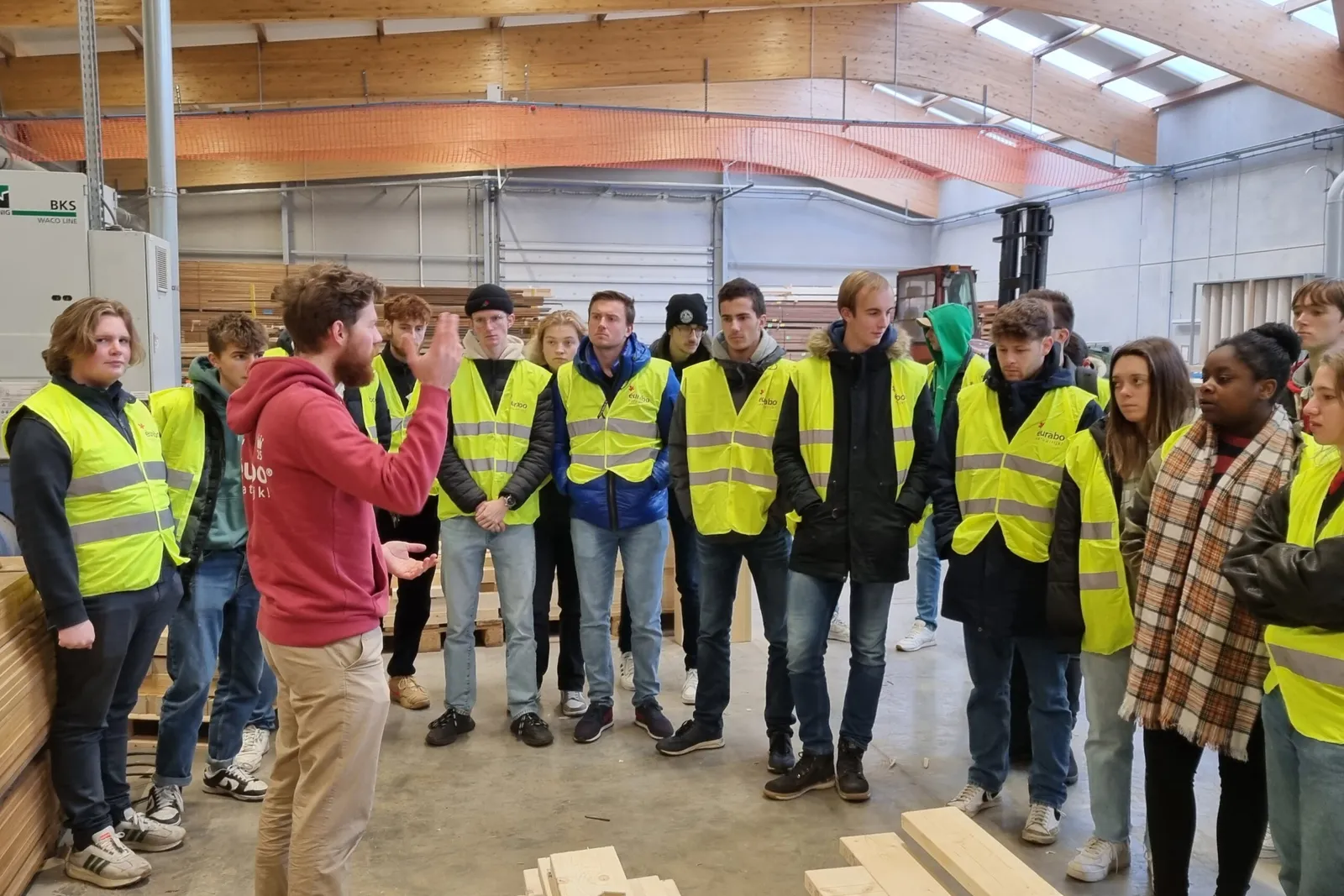
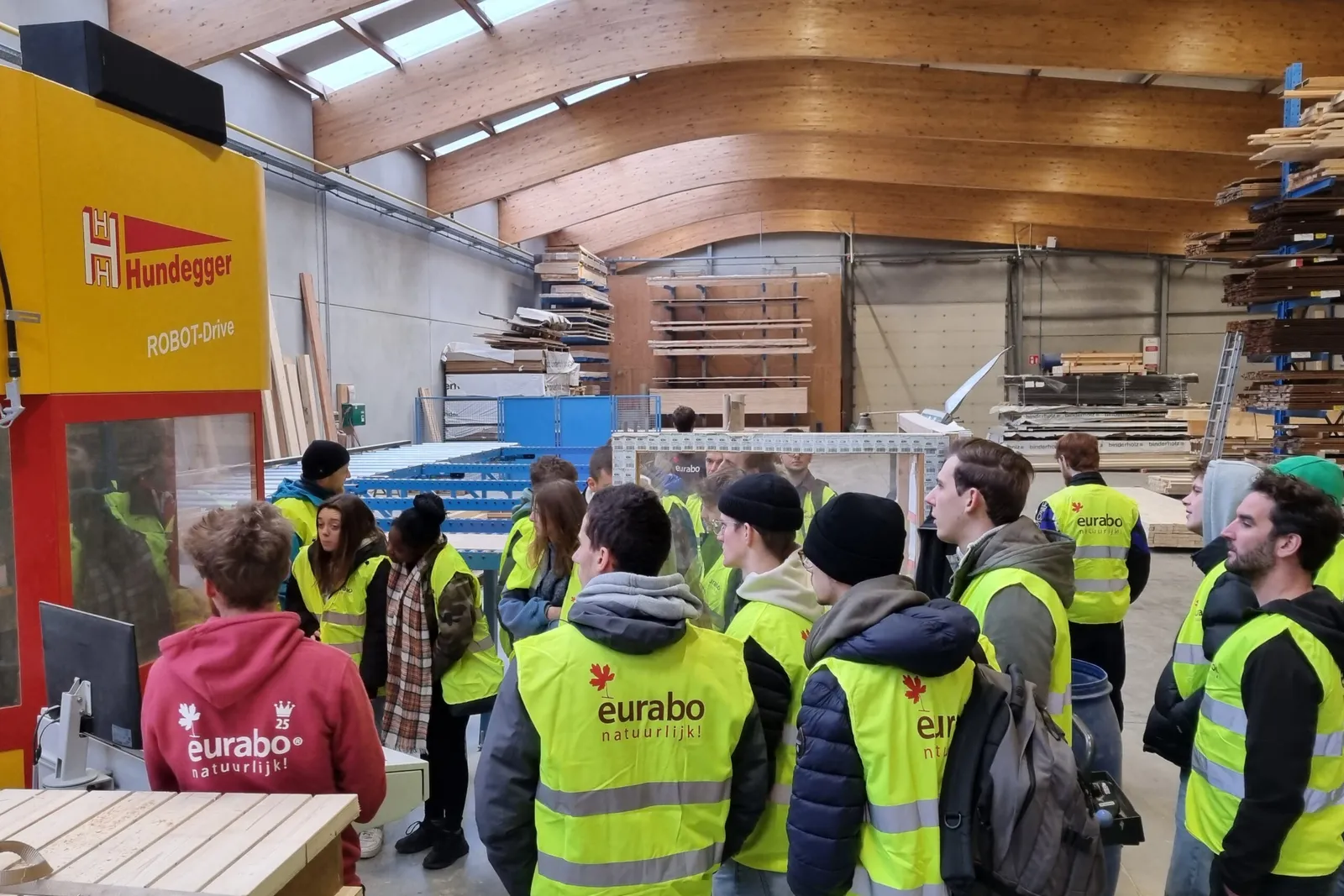
Learn young, learn well. Eurabo is counting on this when secondary school pupils visit the company. They are given a short presentation on sustainable building, but above all get to see what it looks like in practice. “Our own office building is an example of circular construction using CLT and bio-based insulation, and the pupils are always impressed when they see our two beam-processing centres and our design office,” says Hubrechts.
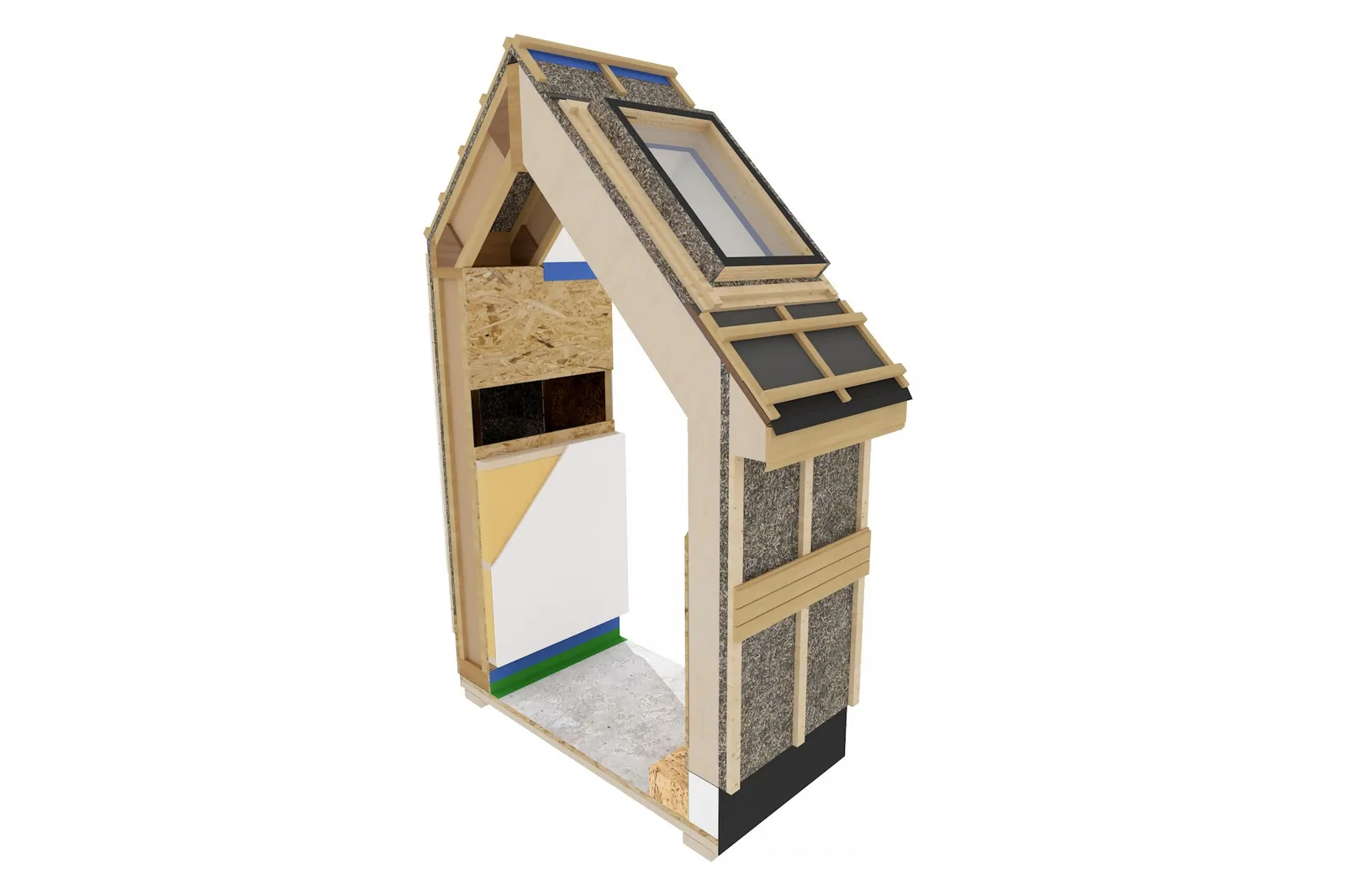
Through a partnership with the RTCs, Eurabo also provides teachers with the knowledge and tools they need to explore sustainable building in the classroom, such as a sample box of ecological building materials. “We also developed a demonstration house that the RTCs distribute. Think of it as a miniature timber-frame home: an educational construction kit containing all the materials used in a real house. Pupils build it step by step and discover how timber construction works as they go. The little house can now be found in sixty schools in Flanders.”
Lessons from practice
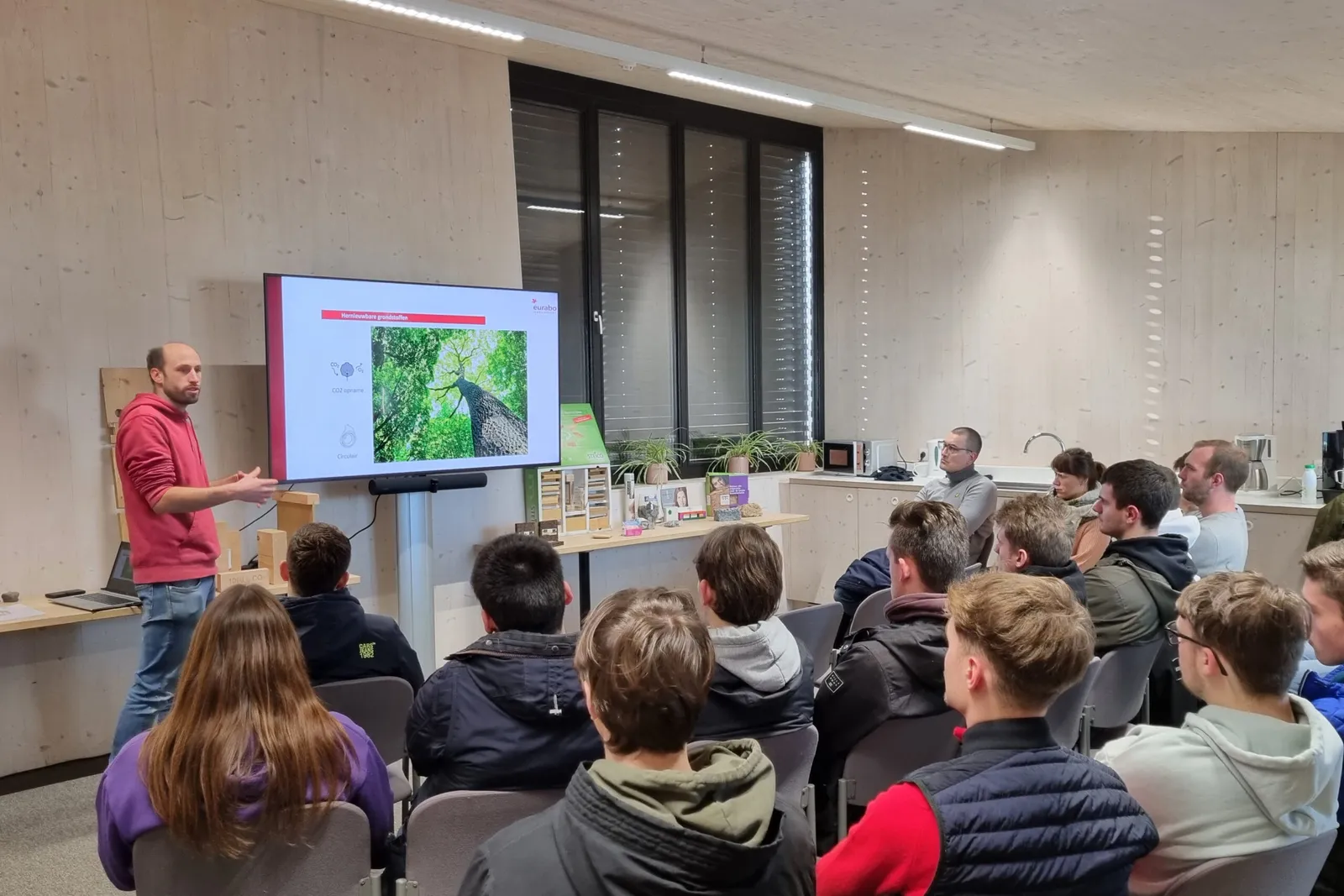
At universities of applied sciences and universities, knowledge-sharing takes the form of guest lectures. Hubrechts reached around 400 students this past academic year. He gave lectures to future timber technologists at HOGENT, as well as to bio-engineers, industrial engineers and civil engineering architects at UGent.
He also gave guest lectures at LUCA School of Arts and Howest during the past academic year. “Ecological building is the future, but most lecturers still don’t know enough about it to teach it themselves,” says Hubrechts. “We want students to understand that timber construction will only become more important. If not for sustainability reasons, then because we are depleting the Earth and its resources to such an extent that more traditional building materials will become unaffordable and eventually disappear. If we continue using them at the current rate, for example, Belgium will have no locally sourced sand available for construction purposes within fifty years. There are plenty of opportunities for those who specialise in building with renewable materials and circular building methods. We also want to prepare them for the shift to off-site construction, which calls for a different way of working together and different skills.”
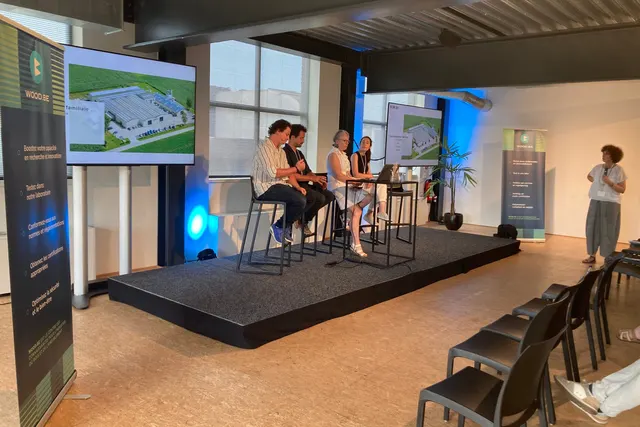
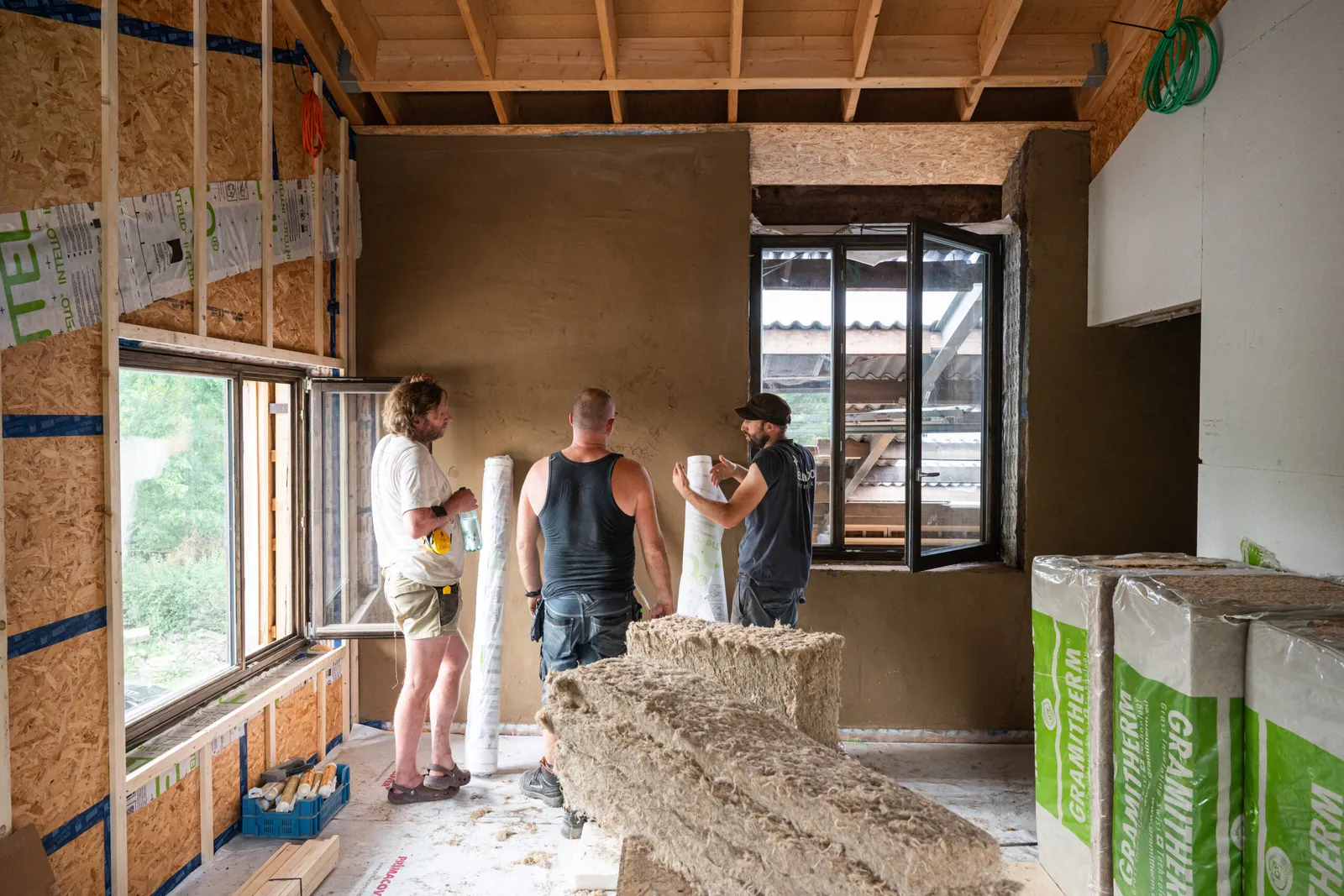
Hubrechts also covers circular construction in his lectures. “Most courses do address it, but it often remains largely a theoretical exercise. We make it tangible through real projects, such as the renovation of Natuurboerderij Bos t’Ename, which used earth, straw and timber from the immediate area. We also held a masterclass on circular construction at that site for WOOD.BE. This makes circular construction much more concrete.”
Demand for specialist skills
Eurabo is keen to support the transition to a more sustainable construction sector, but also expects more from government and education. “It was quite a while ago, but when I graduated as an industrial engineer, I had received exactly three hours of teaching on timber construction,” says Hubrechts. “There may be a little more of it today, but the major shift has yet to happen. In Germany, you can train as an engineer specialising in timber construction, but that specialisation is lacking here. Belgium does have a number of excellent timber construction engineers, but they have developed their expertise through their own efforts.”
The company sees its efforts paying off in various ways. “We have two colleagues here who applied for jobs with us after attending a guest lecture. We also sometimes spot familiar faces among our customers, introducing ecological building systems or materials there. Seeing more and more timber construction and ecological insulation systems appear in our streets gives us hope.”
Timber construction expertise
Eurabo also shares its knowledge in various ways with construction professionals who want to work with ecological materials and building methods today. “We do this through a combination of in-person training courses and webinars that people can watch at their own pace. We also share plenty of tips on ecological renovation and new-build projects on our website, because ecological building materials are only truly sustainable when they are used correctly,” concludes Hubrechts. “That is why we go to such lengths with advice and project support. For us, the real satisfaction lies not in making a sale, but in seeing a project successfully completed.”
Question about this story? Ask your question
Keep following this
Get an email when a new story is published. No account needed.
- ThemeSustainable and circular timber supply chain
- SubjectWoodworking