Getting more from every tree
Text Tamara BrouwersImage Egger Benelux
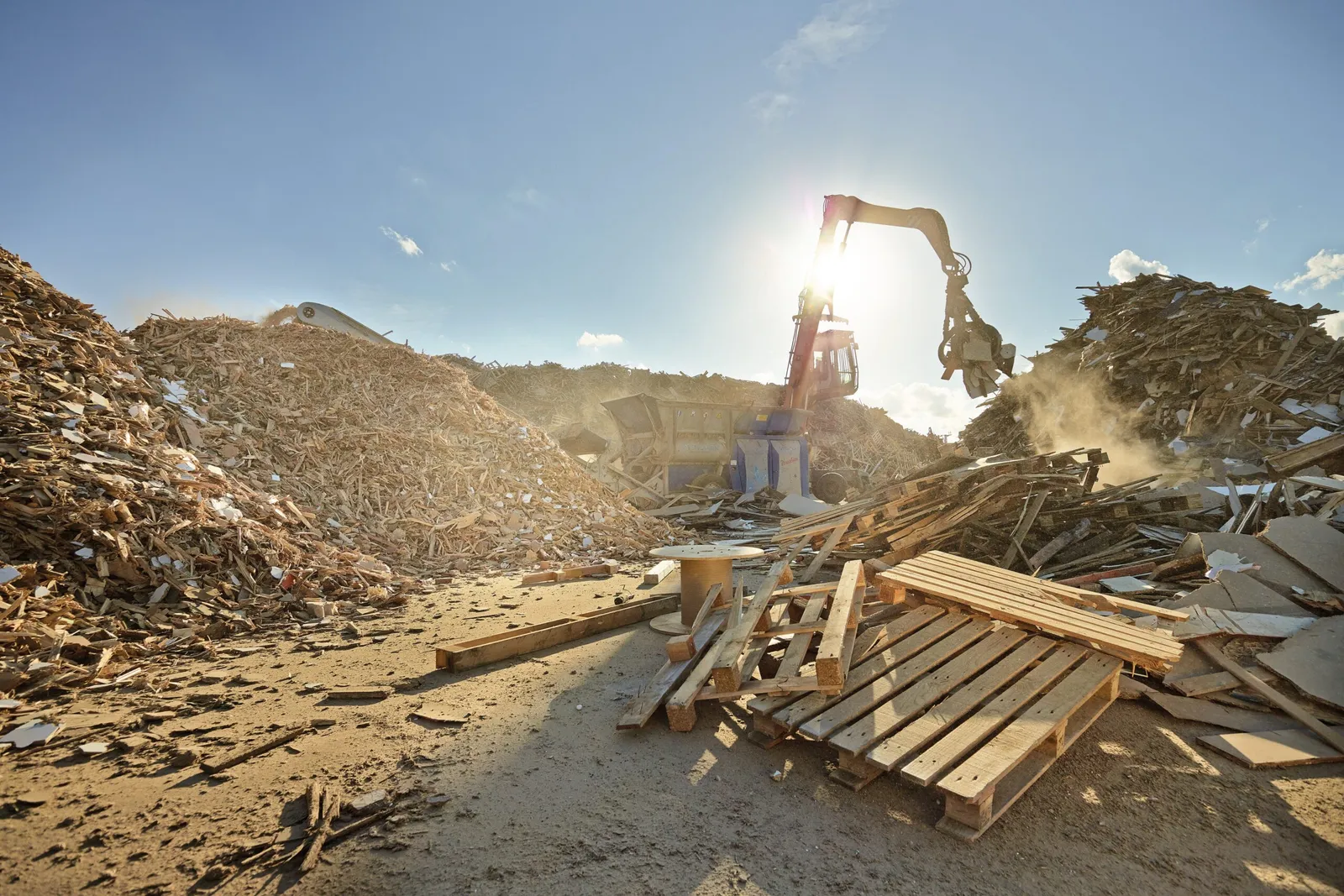
Wood may be a renewable raw material, but it is not available in unlimited quantities. That is why EGGER aims to get as much as possible from every tree. Residual wood, sawdust and recycled material are given a new purpose, while the origin of fresh wood is also carefully scrutinised. This approach dates back to the family business’s founding in 1961.
Founder Fritz Egger sr. simply felt that wood was too valuable to throw away. More than sixty years later, that idea remains the foundation of the company. EGGER manufactures wood-based products for sectors including the furniture industry, interior construction, timber construction and flooring, and aims to use available raw materials as efficiently as possible. “We look not only at the end product, but at the entire life cycle of wood,” says Cedric Goesaert, marketing specialist Vertrieb Benelux at EGGER. “By keeping materials in the loop for as long as possible, we get more value from the same raw material.”
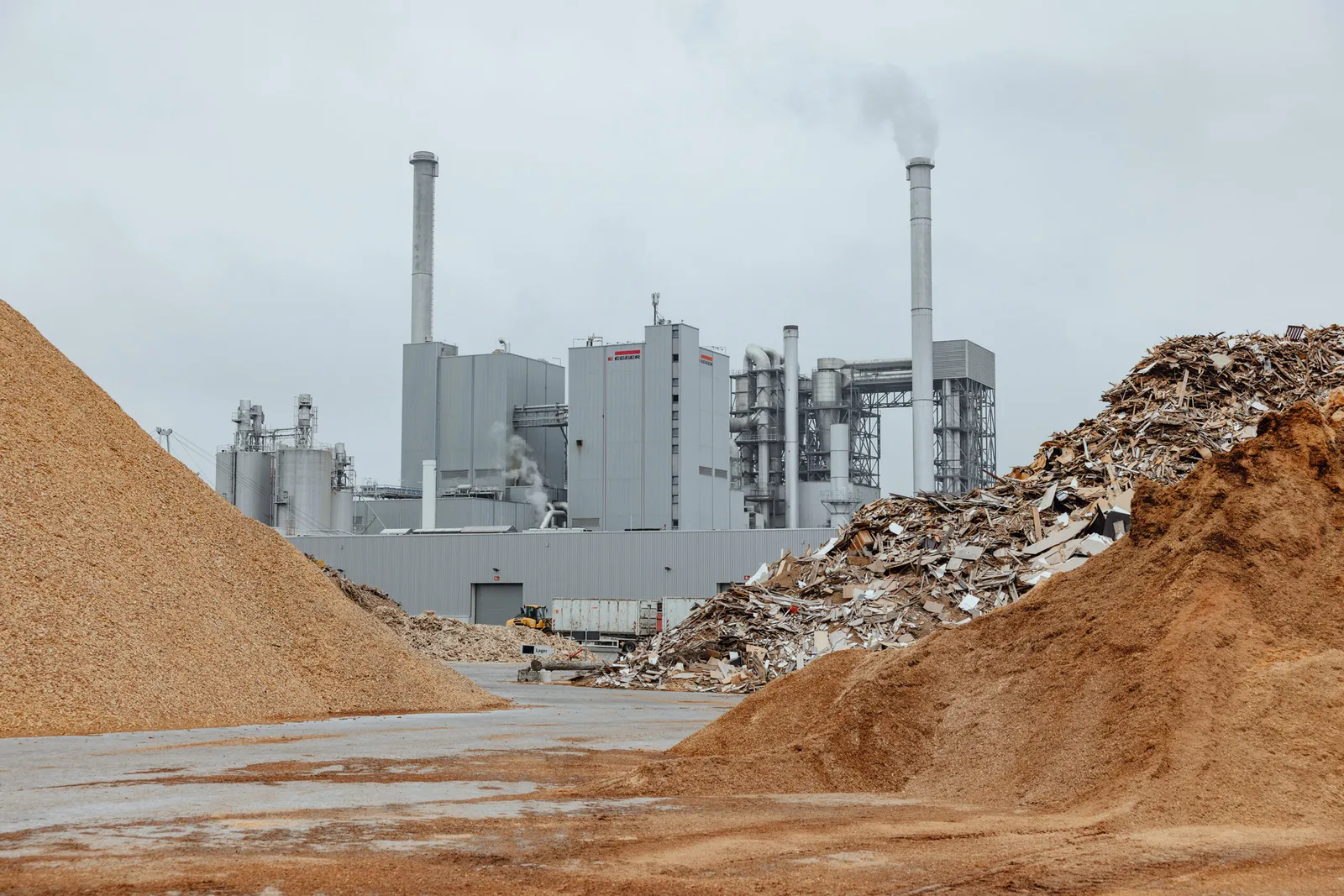
To do this, EGGER applies the principle of cascading use. Wood is first used where the highest quality is required. Offcuts, sawdust and other by-products are then put to new uses in wood-based materials. Wood that has already reached the end of its first service life is also reprocessed. Today, 89 per cent of the wood in EGGER’s wood-based materials comes from by-products or recycling. In addition, 91 per cent of its products are suitable for material recycling after use.
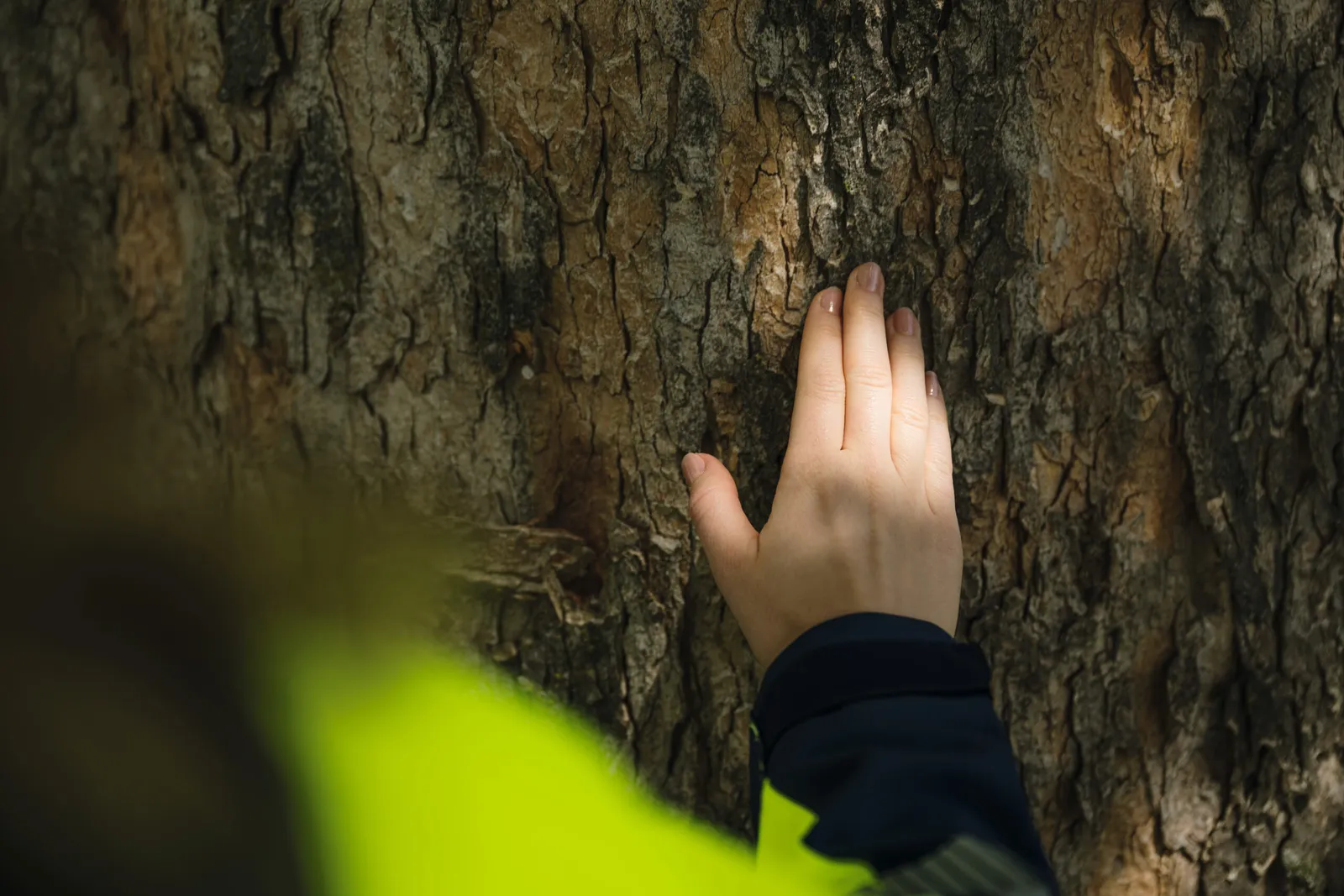
Control over the wood supply chain
Procurement is also part of this approach. EGGER sources as much wood as possible near its production sites. Currently, 74 per cent of its procurement is regional, helping to keep transport distances short. The company also prefers to work directly with forestry companies, sawmills and other suppliers. Direct suppliers now account for 92 per cent of its wood procurement.
“Working directly with suppliers gives us a better understanding of where the wood comes from and how it was harvested,” says Goesaert. “That helps us make informed choices and keep the supply chain transparent.” EGGER follows the international ISO 38200 standard for the traceability of wood and wood products. The company also uses as much wood as possible from FSC®- and PEFC-certified forests.
The quality of available wood is also becoming increasingly important. Climate change affects forests, meaning wood is more likely to have natural defects or damage. EGGER believes this calls not for more waste, but for smarter production techniques. At its German plant in Brilon, shorter timber sections are therefore joined using finger joints to make long, stable boards. Less usable sections are removed, while the rest of the wood is retained. Wood damaged by bark beetles, for example, can also often still be processed. In this way, EGGER aims to make the fullest possible use of available raw materials and keep valuable applications in the wood supply chain for longer.
Question about this story? Ask your question
Keep following this
Get an email when a new story is published. No account needed.
- SubjectWoodworking