Woodworking machinery: from major investment to smart growth driver
Text Christobal van LeeuwenImage Adobe Stock
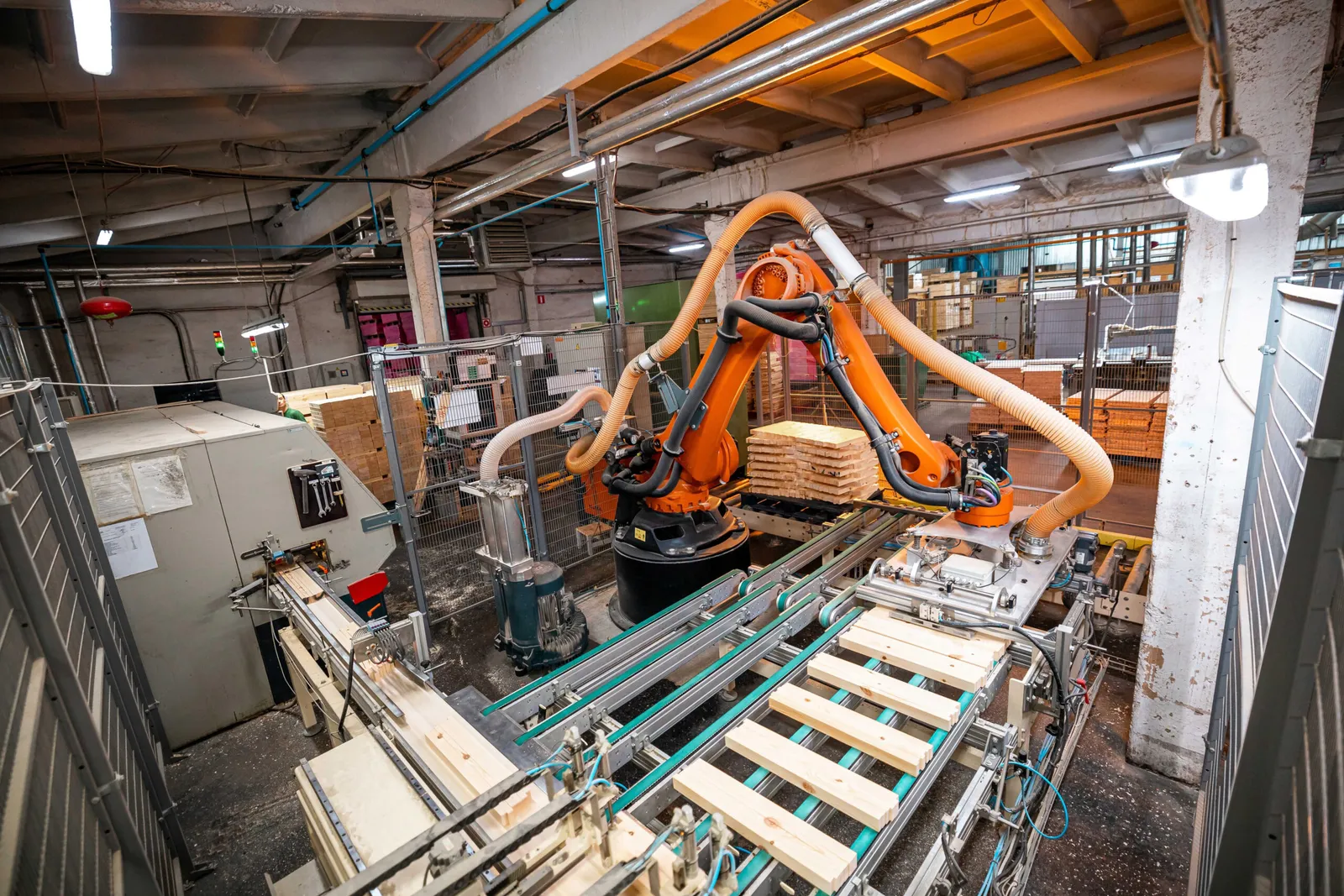
Walk into a modern interior joinery workshop today and you will see far more than saw blades, cutters and dust extraction. The real change runs deeper: software, data, automation and the question of how machinery can contribute to flexibility, speed and margins. Woodworking machinery is no longer just a means of production, but a strategic link in the interior joiner’s business model. And that is where the market is undergoing a major shift.
The traditional approach was straightforward: a machine had to be accurate, robust and reliable above all. Those fundamentals remain, of course, but the market now expects more. Developments across the industry around LIGNA 2025 show a clear shift in focus towards intelligent production systems, extensive automation and the integration of the machinery fleet with order flow and production planning. This means the value of a CNC machine, edgebander or panel saw lies increasingly not just in its hardware, but in how quickly and reliably it can be integrated into a digital process.
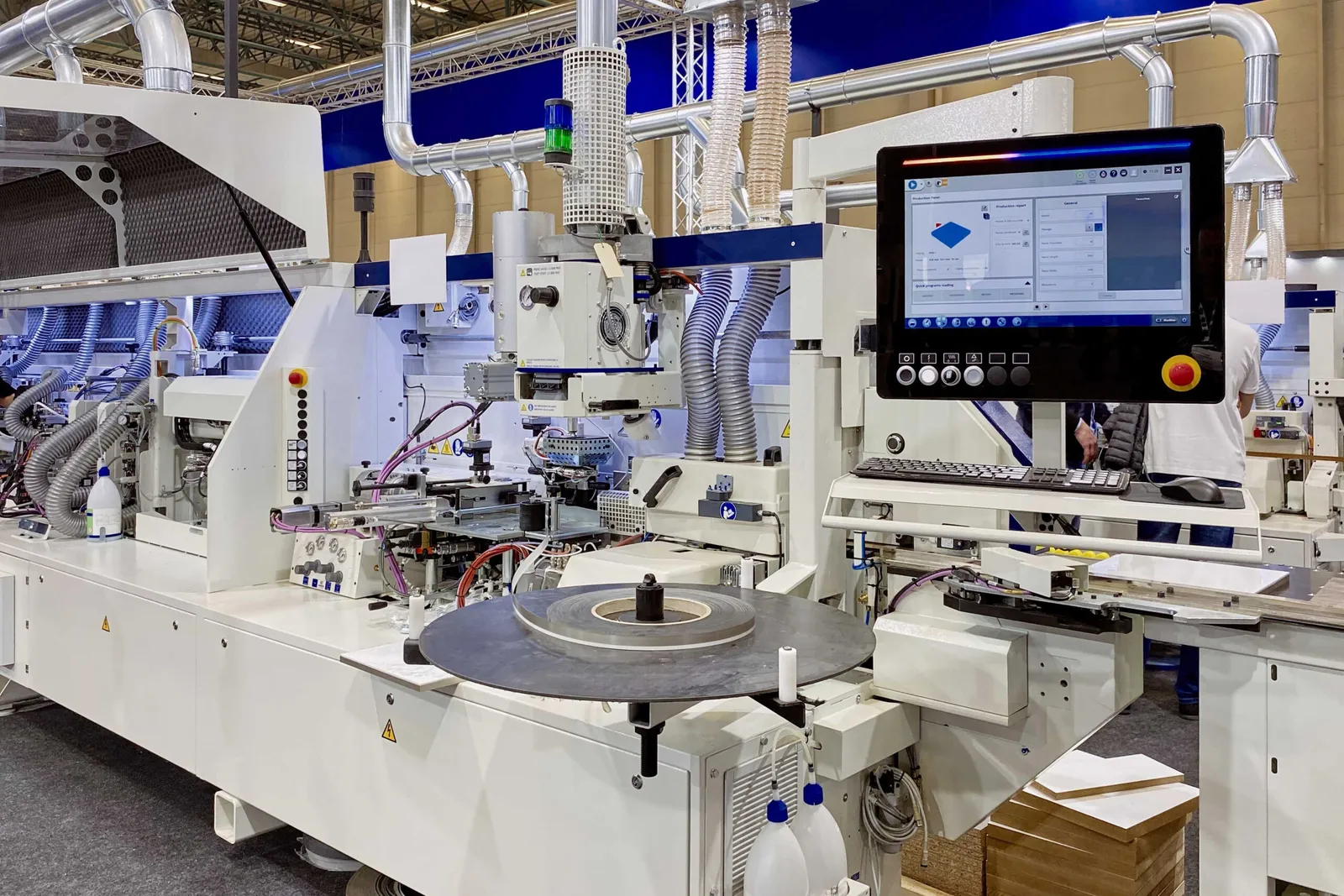
Flexibility trumps sheer capacity
For interior joiners, this is a familiar development. Projects are becoming smaller, more specialised and increasingly tailored to individual customers. Lead times are under growing pressure, while skilled workers remain hard to find. In this environment, it is not just hourly output that counts, but above all changeover times, ease of programming and predictability. In their latest innovations, manufacturers such as HOMAG and WEINIG are therefore focusing on networked machines, intelligent material handling, software support and solutions suited to both series production and batch size one.
This matters in the regional market, where many businesses are looking for a workable balance between craftsmanship and scalability. A faster machine that is difficult to programme or does not fit well with existing workflows will quickly lose ground. Increasingly, the winning solution is the one that makes technology accessible to shop-floor staff.
Automation as an answer to staff shortages
A second clear trend is that automation is no longer the preserve of large industrial players. The industry increasingly links automation with labour shortages, fewer errors and continuity. Robotics, automated loading, smarter stock management and predictive maintenance are therefore becoming more attractive to medium-sized businesses too. At LIGNA 2025, for example, HOMAG showed how machine learning can support stock management and predictive maintenance, while VDMA explicitly identified automation as a key direction for the sector at the same trade fair.
Importantly, people are not being left out of the picture. On the contrary, skilled workers are moving from purely hands-on roles to overseeing processes, programming and managing quality. This combination of people and machines remains decisive in interior joinery, where bespoke work and a high standard of finish are crucial.
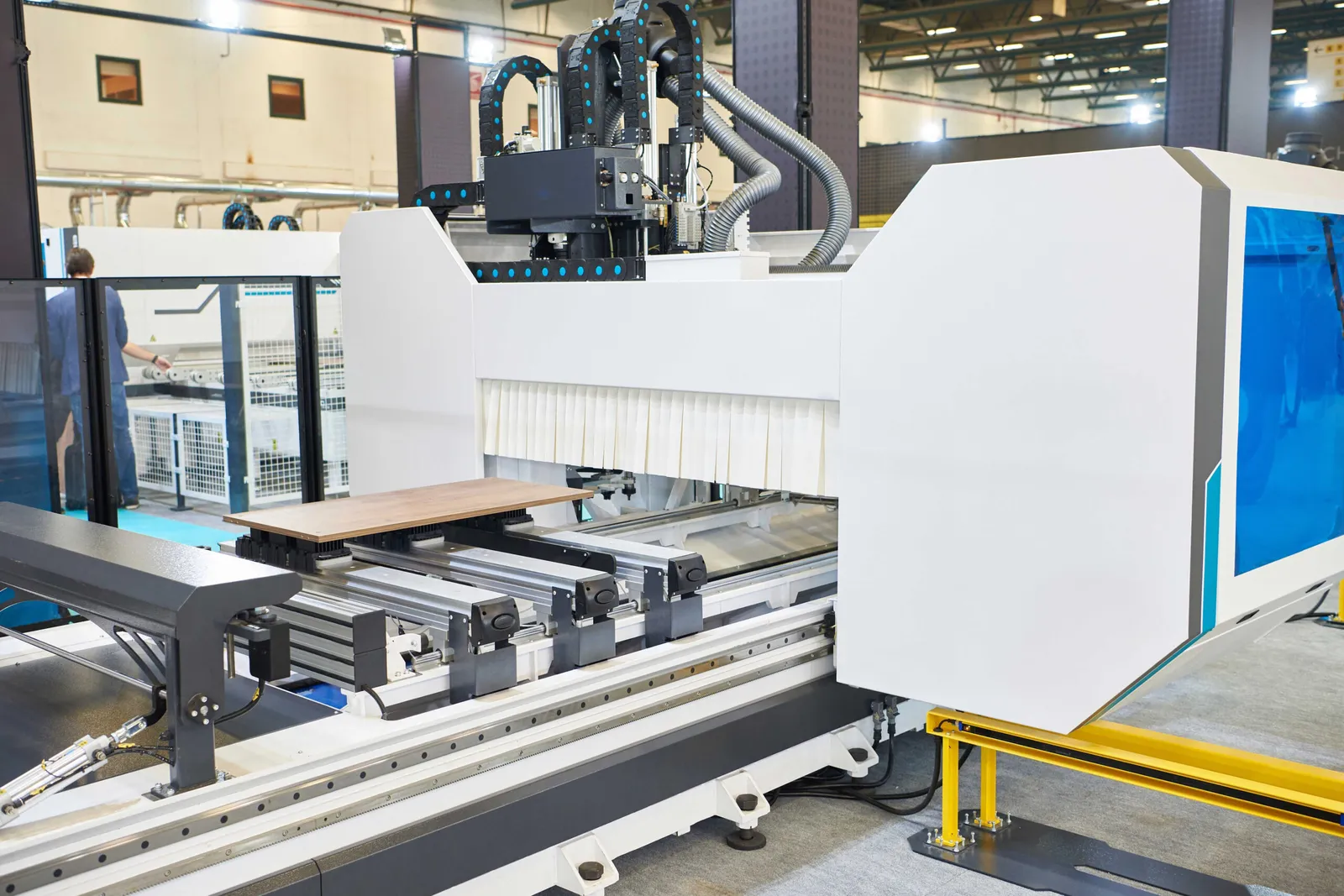
Sustainability becomes measurable on the shop floor
Sustainability is also taking on a more tangible form. Not just through the choice of materials, but through machine performance: less waste, more efficient nesting, lower energy consumption and better material yield. Recent analyses also forecast continued growth in the global woodworking machinery market in the coming years, driven in part by demand for efficient, precise and more sustainable production systems. The market was estimated at around 5.25 billion dollars in 2025, and is projected to grow to 6.52 billion dollars by 2030.
Interior joiners are therefore increasingly assessing investments in terms of Total Cost of Ownership: how much material waste will a machine prevent, how much manual work will it save, and how much will it improve delivery reliability?
Looking ahead: choose smarter, not just bigger
The main lesson is clear: the future of woodworking machinery is not just about more technology, but technology that can be put to better use. For interior joinery businesses, this makes the investment decision more pointed: which machine will suit not only the work they do today, but also the way they want to run their business in three to five years’ time?
Investing now no longer means buying a standalone machine, but securing a place in a smarter production process. And that is where tomorrow’s real competitive edge lies: not in the biggest machine on the shop floor, but in the best-connected system.
Question about this story? Ask your question
Keep following this
Get an email when a new story is published. No account needed.
- ThemeEfficient workshop production
- SubjectWoodworking