











Risk assessments in the woodworking sector: how to get started
Text Marlies DecavelImage Woodwize, Jens Mollenvanger
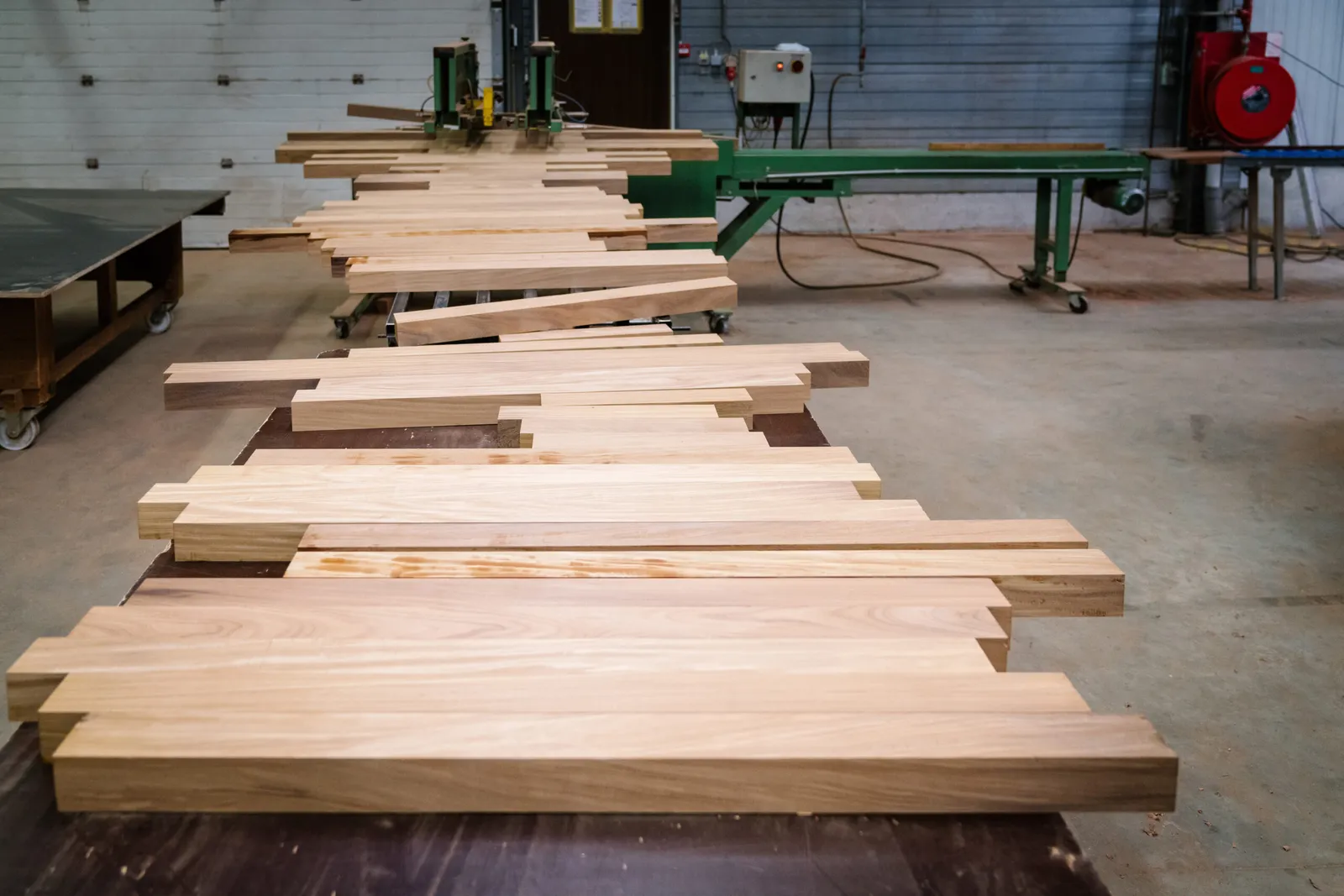
Safe and healthy working practices start long before an inspection or workplace accident. Thorough risk assessments help employers protect their people, machinery and business continuity. Yet many companies put off prevention. Time pressure, uncertainty or not knowing where to start: these are familiar excuses. But Stefan Hinnekens, safety and wellbeing policy consultant at Woodwize, says they no longer hold water. With practical tools, Woodwize makes prevention manageable, step by step, from machinery safety to psychosocial wellbeing.
We assess risks every day without even thinking about it. We look both ways before crossing the road, have our cars serviced annually and install handrails on stairs. According to Stefan Hinnekens of Woodwize, this instinct deserves a regular place at work. “Prevention starts with common sense and small changes to our habits. A thorough risk assessment helps you look at your working environment more consciously and assess risks more effectively.”
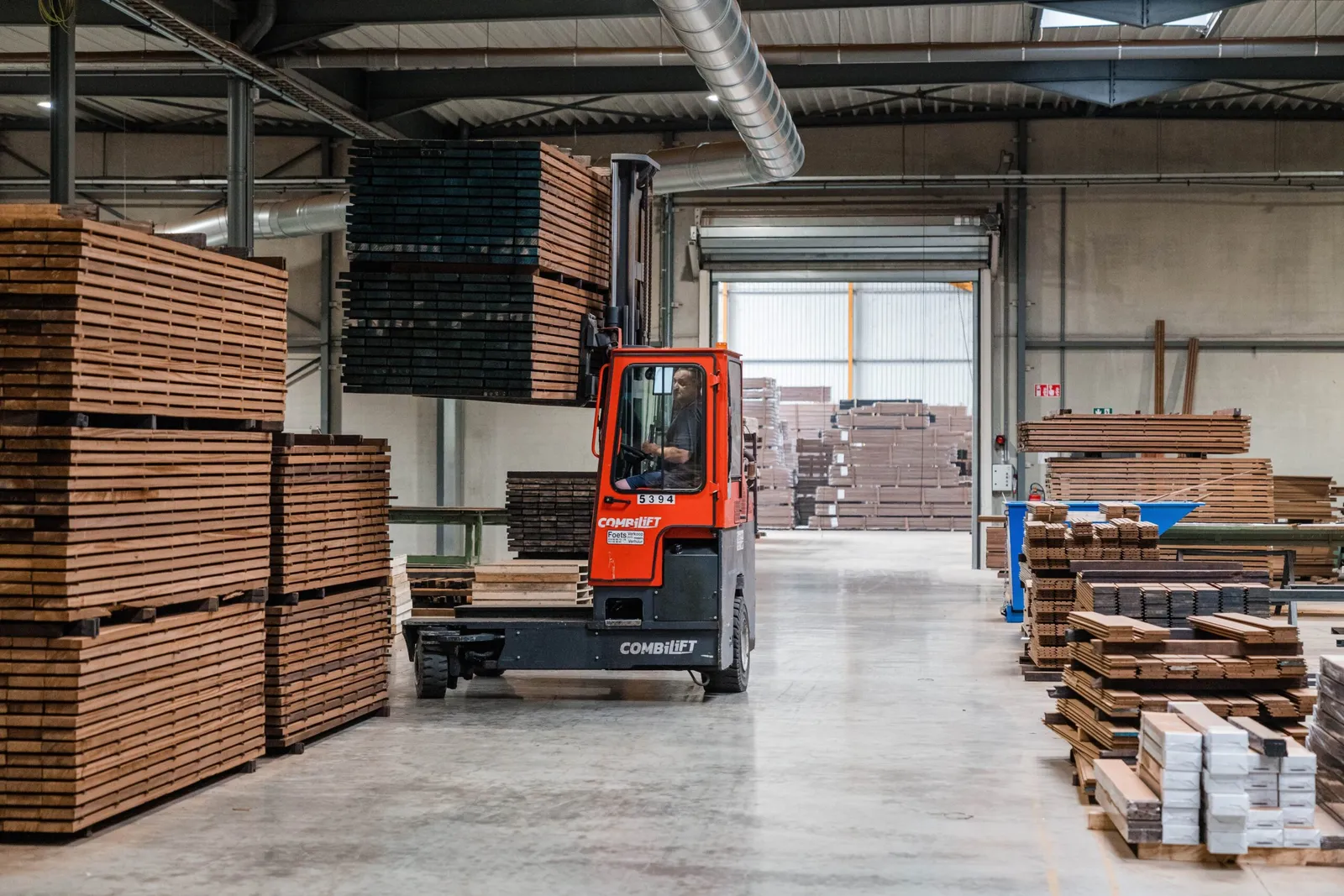
Break the elephant down into bite-sized pieces
Many business owners focus on productivity, quality and growth. But we must not forget what lies behind them: people and machinery. No business can operate without them. That is precisely why safety and wellbeing deserve a place at the top of the priority list. Hinnekens: “What does ten minutes spent correctly fitting a safety guard mean compared with ten months of an employee being off work because that same guard was missing and they got their fingers caught in the machine? Or someone suffering life-threatening injuries? No employer ever wants to experience that.”
Prevention need not be a lengthy or expensive process. Woodwize supports woodworking and furniture companies with practical tools, training and first-line advice to help them identify risks in a concrete, workable way. “Many companies see prevention as an elephant, when all you need to do is tackle it step by step. Start with the basics, and you’ll soon see where further support would be useful.”
One of the best-known resources is OiRA HOUT, a free online risk assessment tool designed specifically for the woodworking sector. It takes Belgian legislation into account and guides companies through topics such as machinery, ergonomics, housekeeping, dust control and fire safety. Woodwize also offers safety and work instruction cards that are more or less ready to use. All you need to do is personalise them with your own image, adapted text and company logo. In addition, a risk assessment tool for different types of woodworking machinery is available to complement the OiRA tool.
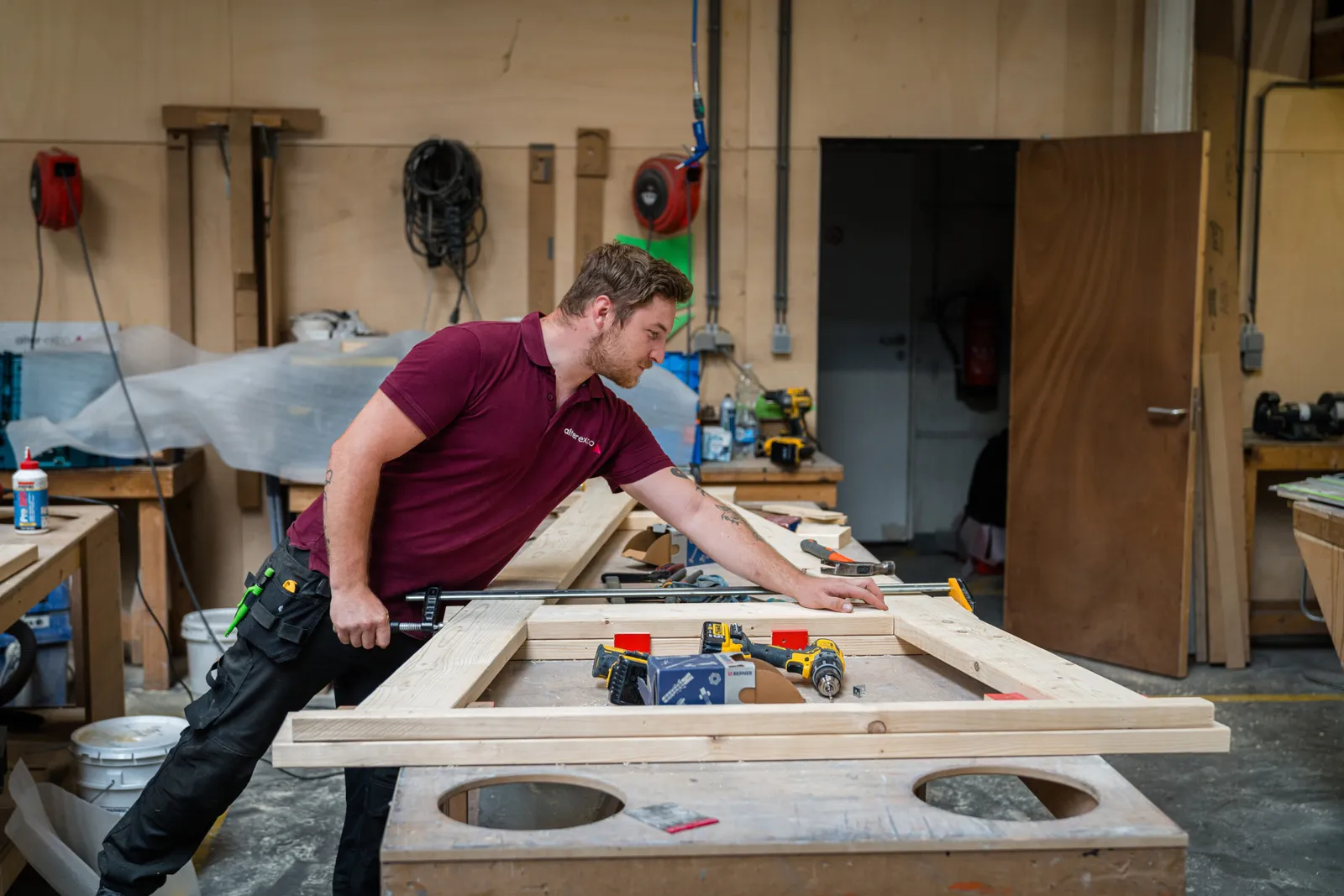
Safety starts with small habits
It starts with small habits on the shop floor. Leaving a machine running while you’re away or allowing cables to trail across the floor may seem trivial, until someone trips or gets hurt. Good housekeeping is the foundation. Employees play a crucial role in this. “People on the shop floor know their machines and working environment inside out. A strong prevention policy is built together, not imposed through rules.” Machine maintenance also deserves attention. “People take pride in their cars when they’re perfectly maintained. We should feel that same pride in our workstations and machinery at our companies.”
Prevention is about more than technology, too. That’s why Woodwize is committed to psychosocial wellbeing through the PrePS in Wood toolkit, which offers practical ways to discuss and address employee wellbeing. “Mental wellbeing is less visible than, say, a fire safety sign. Yet it has just as much of an impact on the shop floor. People who feel good in themselves work more attentively and safely, and collaborate more smoothly. They’re the lubricant that keeps your business running.”
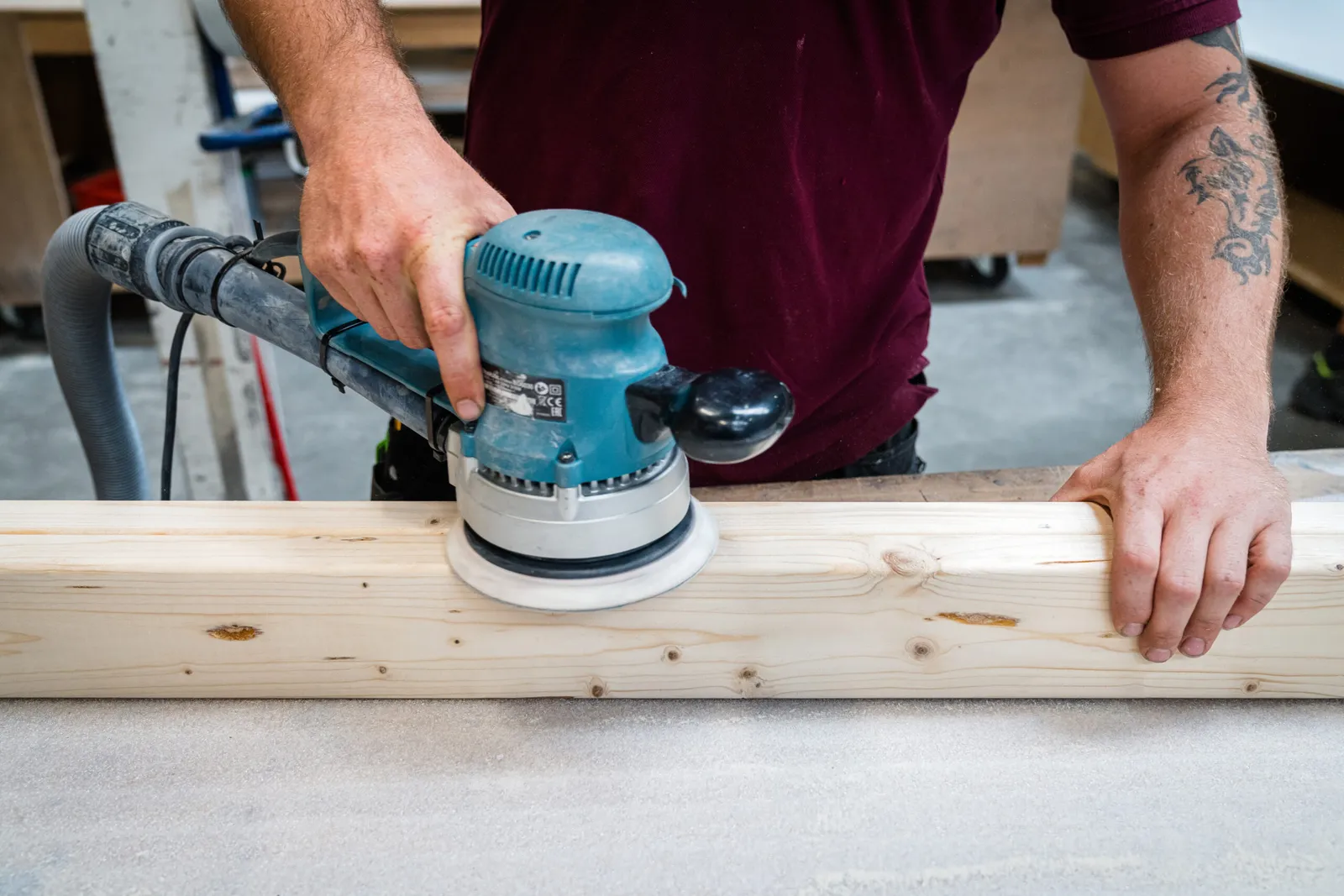
The next generation is off to a good start
Hinnekens also sees positive developments. Safety receives more attention in education than it used to. “Students reach for safety boots, hearing protection or dust masks of their own accord. That instinct is becoming well ingrained, and they’ll take it with them onto the shop floor as future professionals.” The number of workplace accidents is also falling. For Hinnekens, this proves one thing: the efforts are paying off.
“The law mainly says that you must have a prevention policy. How you put that into practice depends on many different factors within your company. What matters most is the right mindset. You want to be able to say that you’ve done everything possible to enable your people to work safely and healthily. We’re happy to play our part in that.”
Een zakelijke vraag aan Woodwize? Get in touch
Companies in this story

Keep following this
Get an email when a new story is published. No account needed.
- ThemeStrong and safe trade businesses
- SubjectGeneral
- CompanyWoodwize







