FurniPASS prepares the furniture sector for the digital product passport
Text Stephanie DemasureImage WOOD.BE
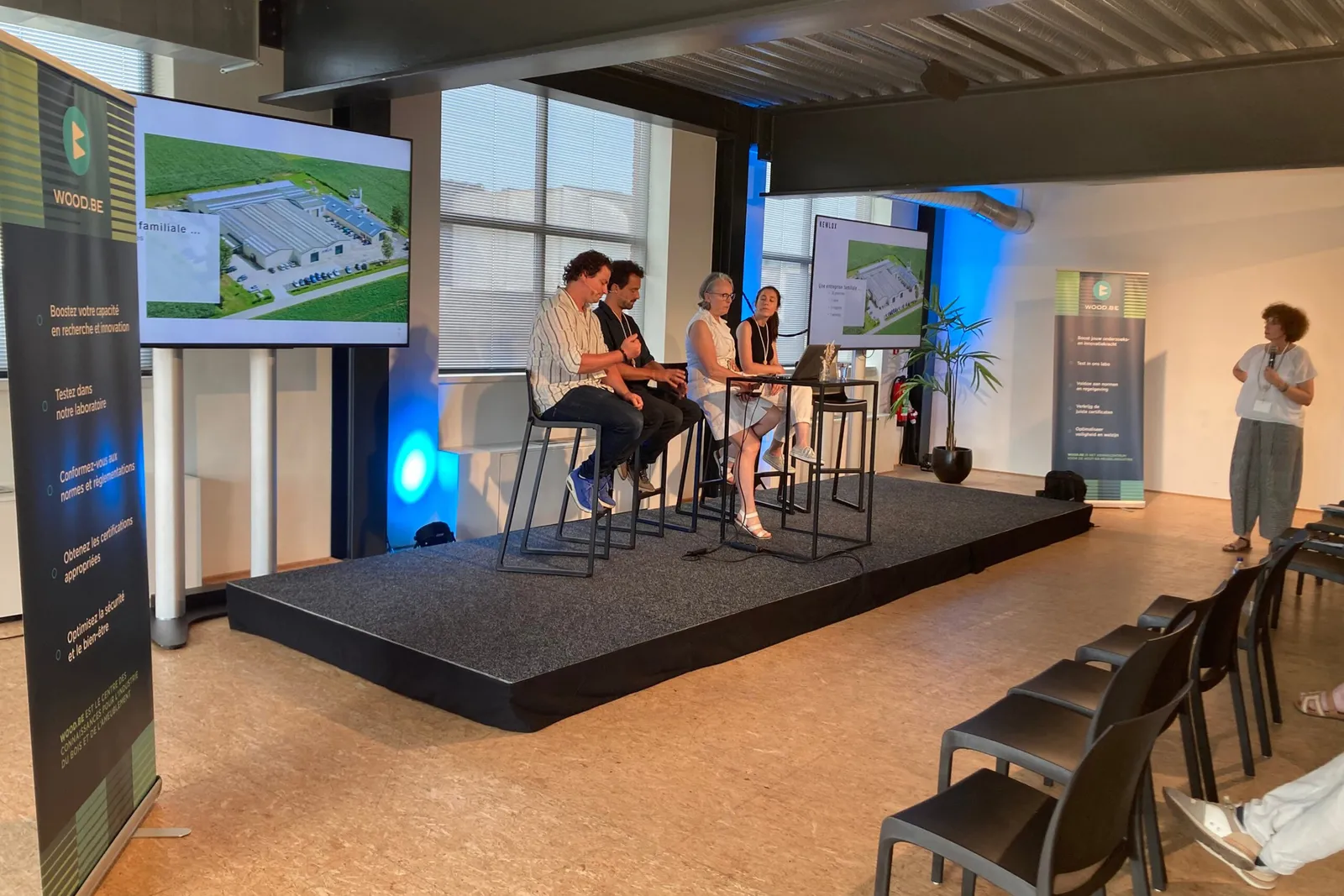
What materials will you use to make furniture? How can you make it easy to repair? And what happens after its first phase of use? Through the FurniPASS project, WOOD.BE is addressing all these questions to prepare the Belgian furniture sector for the requirement to have a digital product passport under the European ESPR Regulation. Susanna Campogrande of WOOD.BE explains the challenge and offers some pointers to get you started.
A digital product passport (DPP) is planned for furniture in the future. The information it requires is currently scattered throughout the value chain. The DPP will bring this product data together and keep it available throughout the furniture’s entire life cycle.
ESPR at a glance
The digital product passport is one of the tools Europe is using to support circularity. It forms part of the ESPR, short for Ecodesign for Sustainable Products Regulation. This requirement is intended to make products more durable, repairable, reusable and recyclable. Clear communication about products’ entire life cycle is a powerful lever for achieving this. This is where the digital product passport (DPP) comes in.
Furniture is one of the priority product groups for the introduction of the product passport. European rules for furniture will be developed further over the coming years. The European Commission is examining what specific requirements the sector needs. Under the current indicative timetable, these rules will be established in 2028.
This development is also relevant to interior contractors. Exactly which furniture products will fall under the rules, and what information the passport must contain, is still being worked out. Even so, it is worth looking ahead now: much of what Europe wants to achieve starts with the design and construction of a piece of furniture.
Mapping the entire value chain
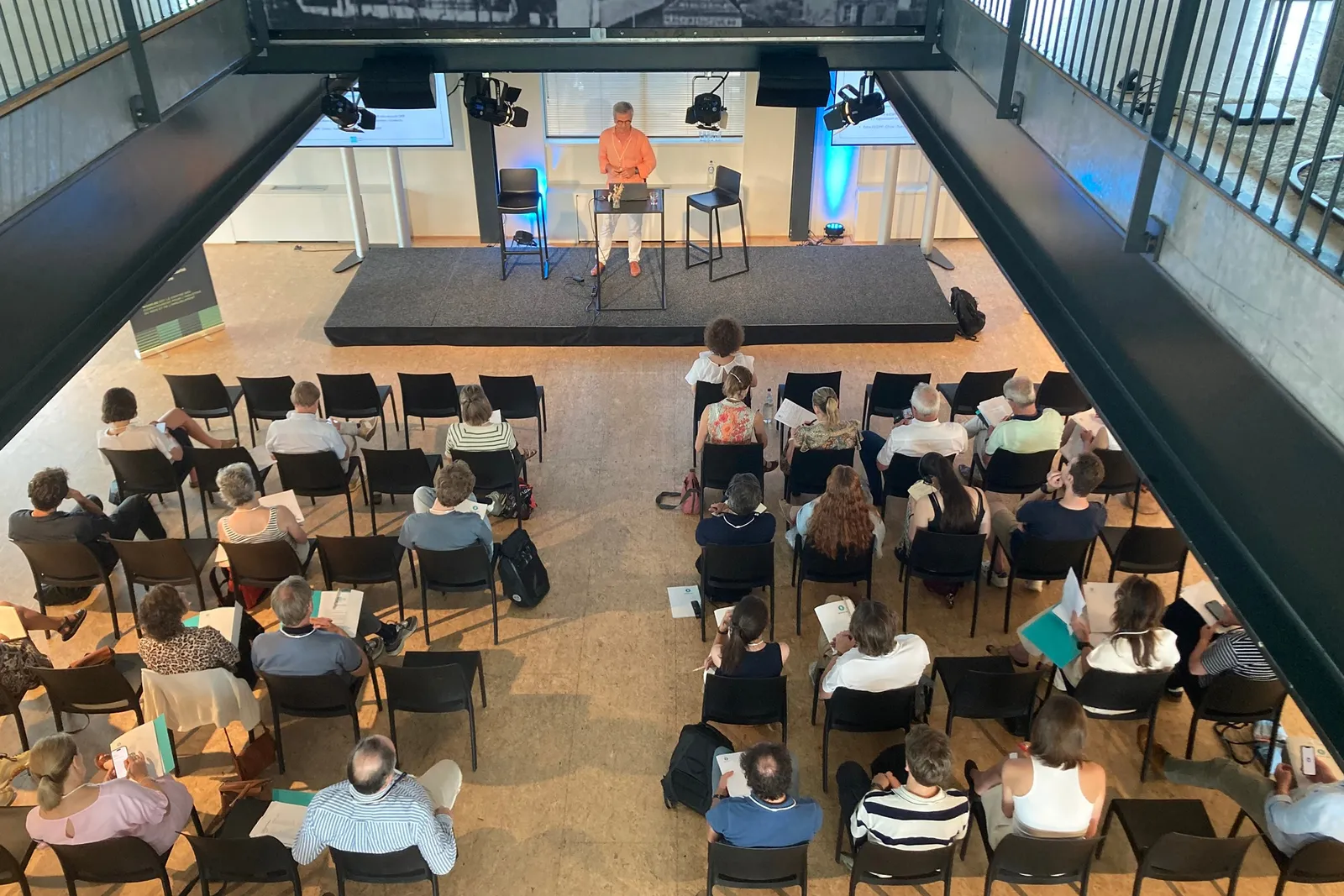
To prepare the sector for these new requirements, WOOD.BE launched the FurniPASS project in 2024 with technology partner TripleR.io, with support from the federal Belgium Builds Back Circular (BBBC) programme.
Alongside a prototype digital product passport, the research team developed ecodesign guidelines and mapped the Belgian furniture value chain.
The mapping revealed a major pain point: the different links in the chain do not know each other well enough. Manufacturers work with suppliers and distributors, but repairers, reuse businesses, collection services and recycling companies are much less likely to be part of their established networks. These are precisely the players who will become important when a piece of furniture must not be considered ‘the end of the road’ after use.
“The product passport should help keep products in use for as long as possible,” explains Susanna Campogrande of WOOD.BE. “Product data supports repair, makes reuse or resale easier and ultimately enables materials to be processed more effectively. Each of these processes is important for a circular furniture sector.”
The principles sound logical. In practice, however, things are less straightforward, the researcher finds. “Furniture manufacturers face, among other things, the costs of reverse logistics and refurbishment, as well as a lack of standardised information. A digital passport does not remove these obstacles. For example, it is difficult to assess which players can expect a return on their investment. But a DPP can provide the information different players need to work together more effectively.”
Ecodesign as the starting point
FurniPASS therefore explicitly links the digital side of things to ecodesign. Improving a piece of furniture’s lifespan and what happens to it afterwards starts with the design. European ecodesign legislation covers durability, repairability, reuse, disassembly, remanufacturing, recyclability and material use, among other areas.
For professionals, this translates into very practical questions. Can a damaged part be replaced without scrapping the entire piece of furniture? Can joints be taken apart again? Can materials be separated at the end of the product’s use phase? And is the necessary information about boards, fittings, upholstery, finishes and other components available to make this possible?
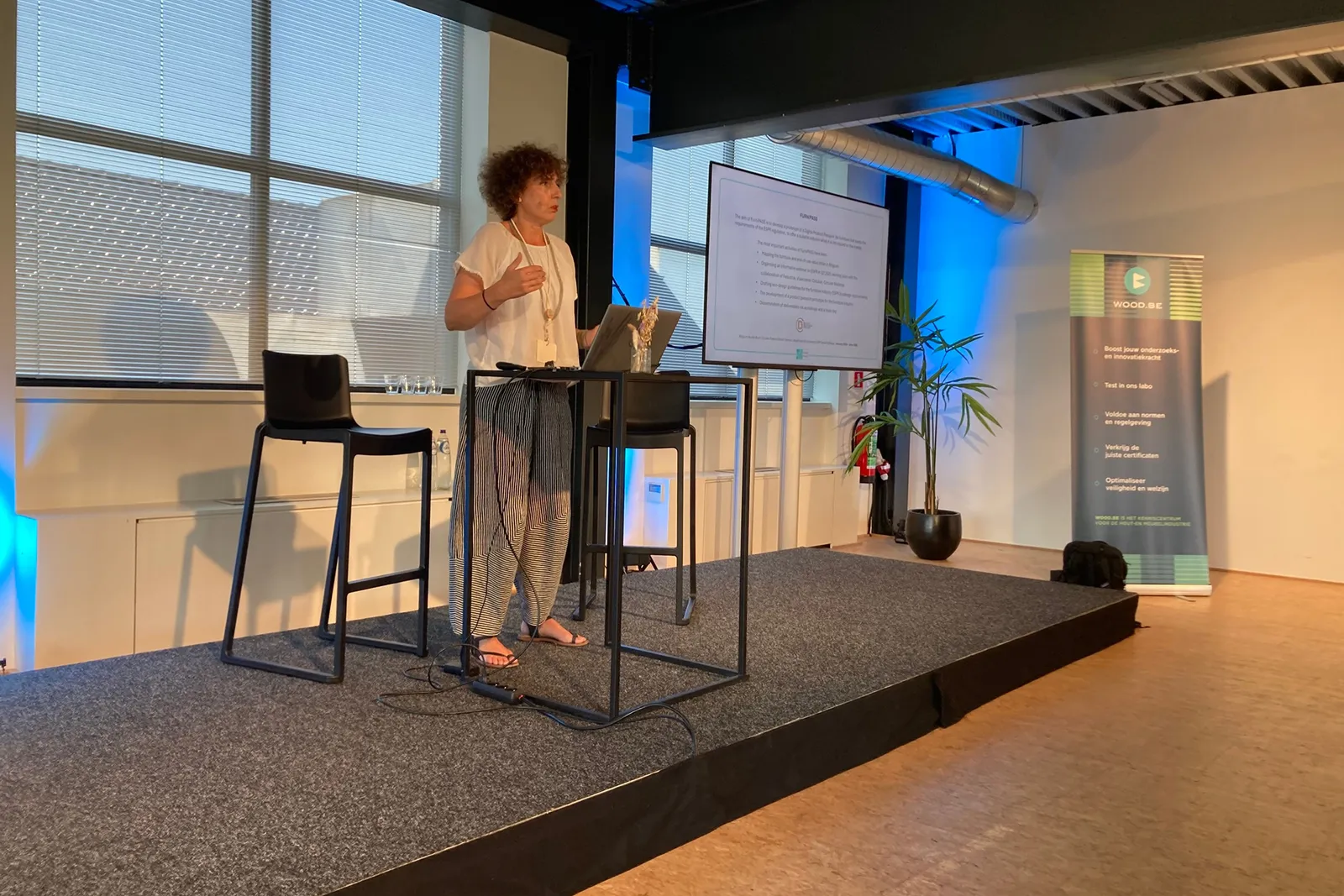
WOOD.BE has brought these principles together in ecodesign guidelines for the furniture sector. It also runs workshops to help companies put the guidelines into practice. “We find that participants approach it in different ways,” says Campogrande. “One company makes gains through its choice of materials, while another makes components easier to replace or includes repair as part of its service offering.”
Making value visible
For smaller businesses, this does not have to mean a complete transformation. “For them, it is mainly about adding value to what they are already doing,” says Campogrande. A furniture maker who knows their products inside out, can replace components and still carry out repairs years later already has expertise that becomes much more valuable in a circular model. She also sees a commercial opportunity. “The product passport is a challenge, but also an opportunity to communicate better about a product.” This can lead to new services and business models, such as repair, take-back, resale or even furniture as a service.
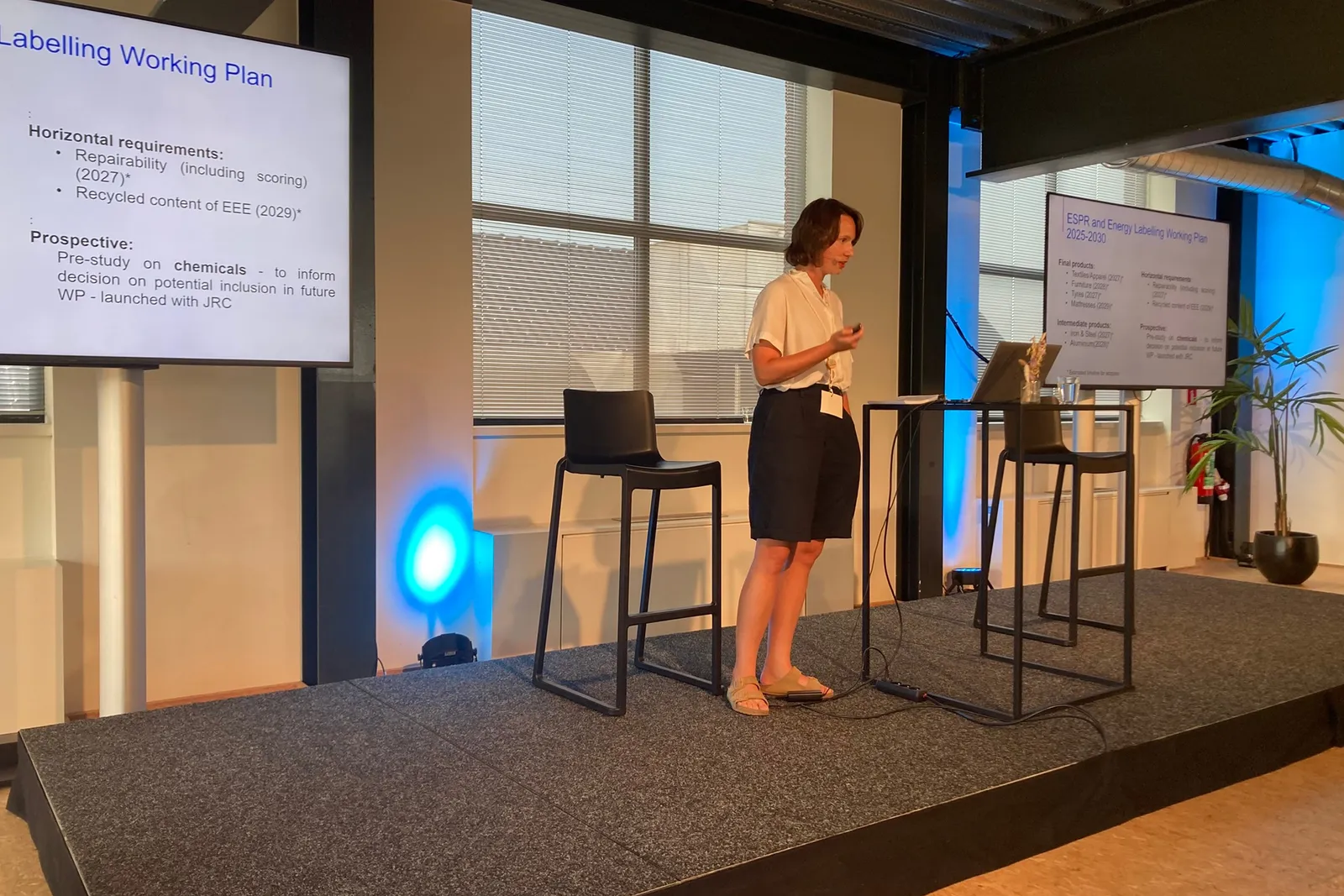
FurniPASS concluded in June 2026 with a final event at which Kewlox, Drisag, Relieve Furniture and Live Light, among others, shared their experiences. The regulations may still be under development, but the message to the sector is clear: knowing what your products are made of, how they can be taken apart and how they can stay in use for longer already lays a solid foundation for what lies ahead.
Question about this story? Ask your question
Keep following this
Get an email when a new story is published. No account needed.
- ThemeSustainable and circular timber supply chain
- SubjectWoodworking