Architectural & furniture fittings
European maple: strong, stable and surprisingly refined
Text Wendy ThijsImage Hout Info Bois, www.natuurkeukens.be
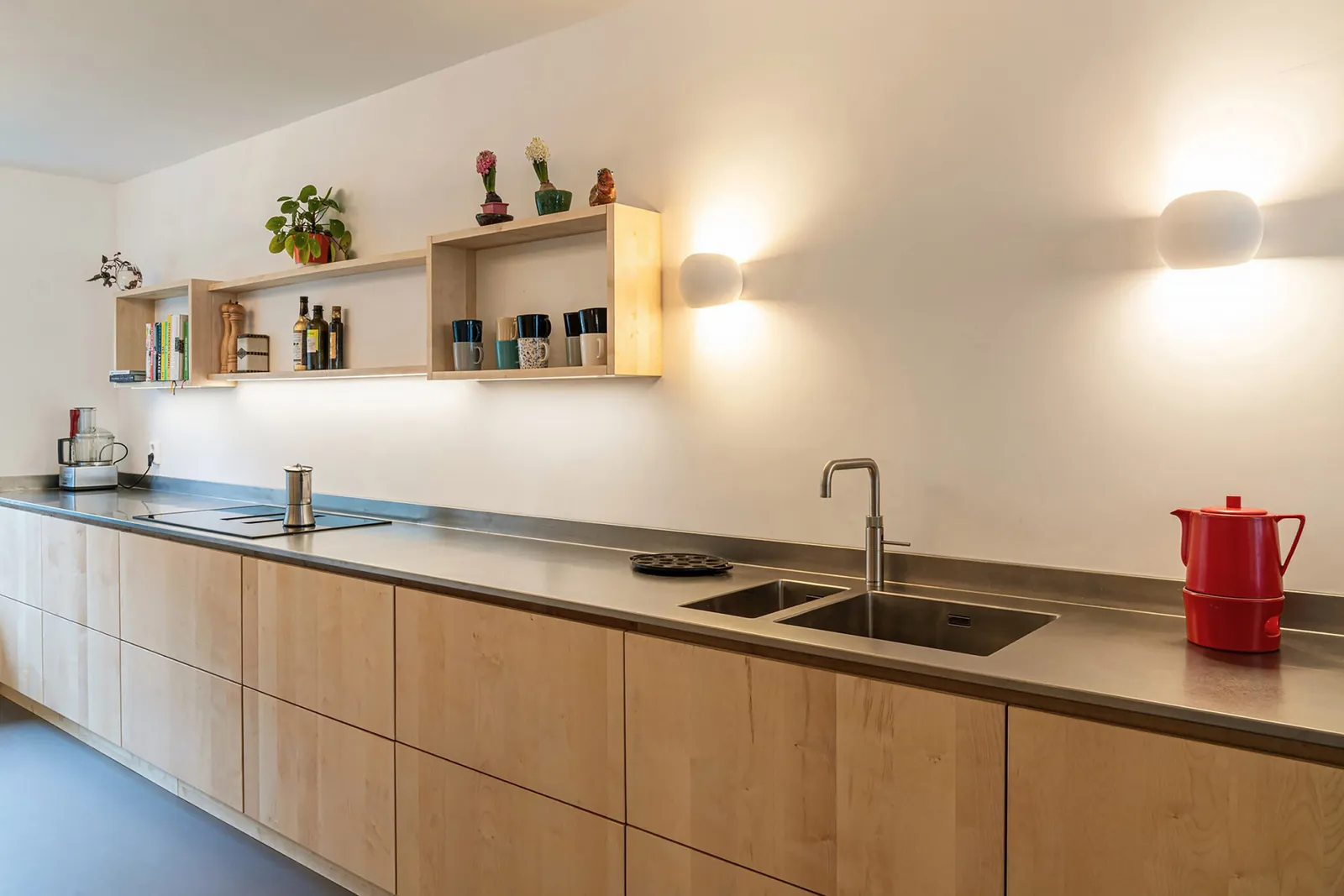
Oak is a fantastic timber, but there’s no harm in broadening your timber repertoire with lesser-known local species. It keeps you on your toes, fuels creativity and benefits the environment and biodiversity. That’s why we regularly put a timber species worth discovering in the spotlight. This time: European maple.
With its light, cream-coloured hue, it is now a popular choice for interiors, but did you know that the tree was prized in the past too? A few centuries ago, before modern medicine came along, maple sap was used as a natural remedy for scurvy. Fortunately, the tree propagates easily on its own, so it was, and still is, widely found in our forests.
An ecological choice
Compared with other building materials, timber stands out as an environmentally friendly choice. A tree that has absorbed carbon throughout its life continues to store it when it is felled and processed. As this offsets emissions during the production process, timber is a carbon-neutral product. Choosing local timber, which involves as little transport as possible, is a particularly sustainable choice.
Fine grain
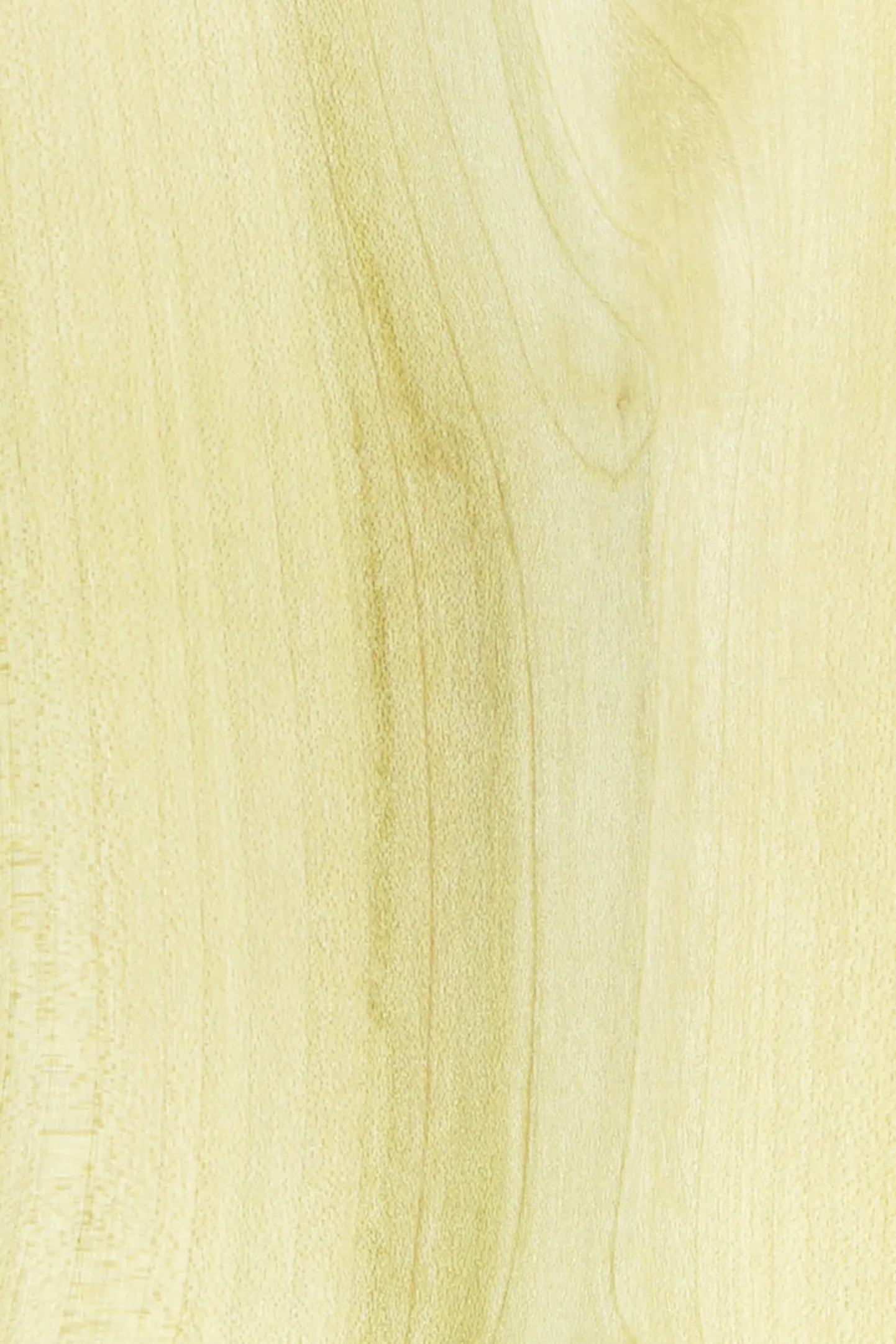
The heartwood of European maple is cream-coloured to light brown, and the sapwood is almost indistinguishable from the heartwood to the eye. It has a fine grain, which is sometimes wavy. Flat-sawn, it reveals a lightly figured pattern.
As the timber is susceptible to fungal attack, it should be sawn as soon as possible after felling to preserve its attractive colour. Maple is also susceptible to insect attack, but can be treated effectively.
For interior use only
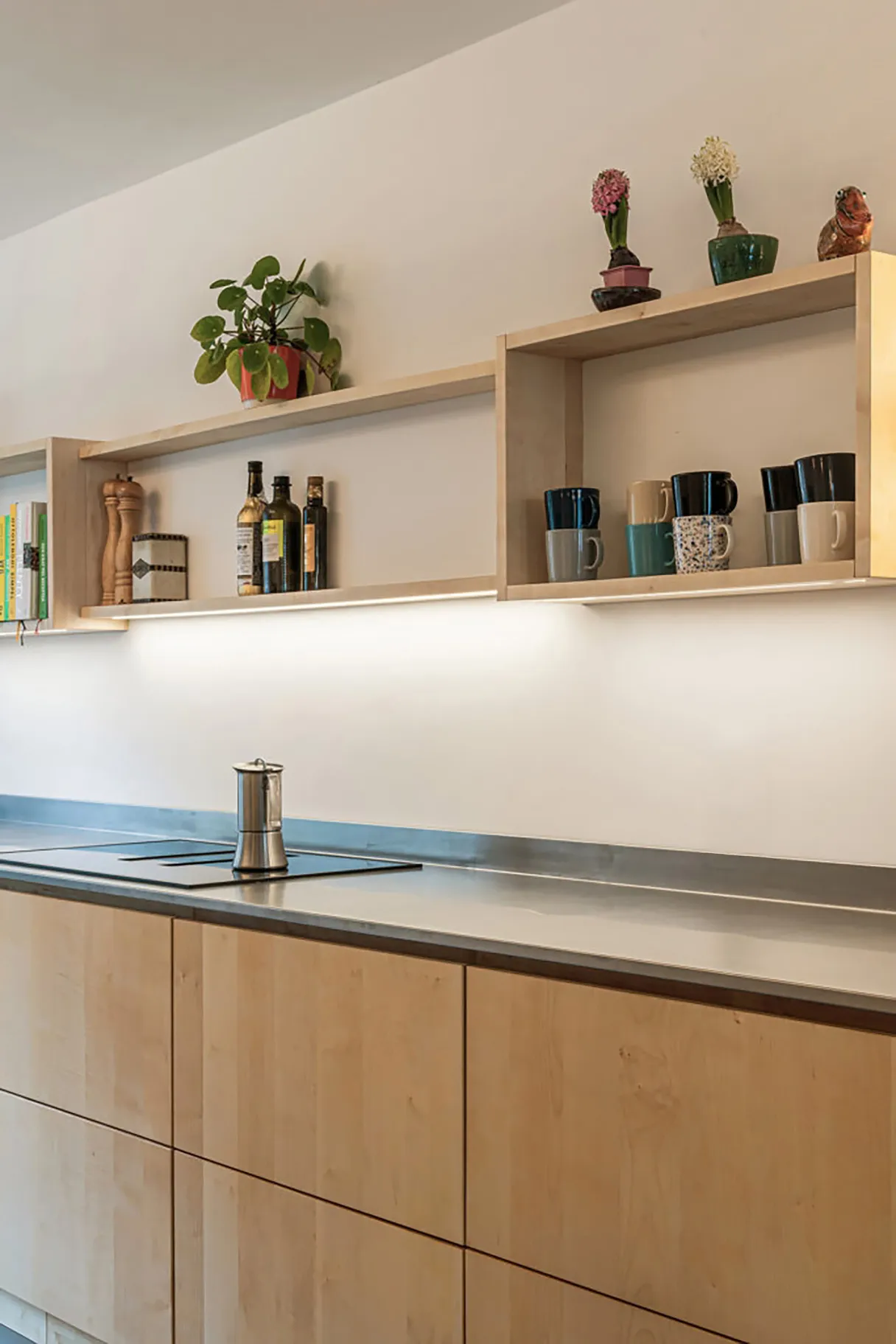
With a natural durability class of V, European maple is not durable. Avoid prolonged exposure to water to prevent fungal growth. However, it can be used for a wide range of interior applications. Maple is a medium-weight, hard and fairly stable timber that is easy to work. It is ideal for parquet flooring, stairs and other interior joinery, as well as furniture and finer work.
In the past, it was one of the most widely used timbers for musical instruments, and today it remains a favourite among craftspeople who make violins.
Maple veneer
Maple’s fine grain makes it well suited to producing attractive veneer, but care is needed with the heat treatment before slicing. Heating maple too quickly or exposing it to too high a temperature will cause it to lose its light hue. If the grain is wavy, it is best to reduce the tool’s cutting angle to 15° to prevent splintering. Dry the timber immediately after felling to prevent blue stain.
If you have any questions about European maple, you can always contact Hout Info Bois. They will be happy to help you get started.
Question about this story? Ask your question
Keep following this
Get an email when a new story is published. No account needed.
- ThemeSelecting timber and panel materials
- SubjectArchitectural & furniture fittings