











How flooring supports biophilic design
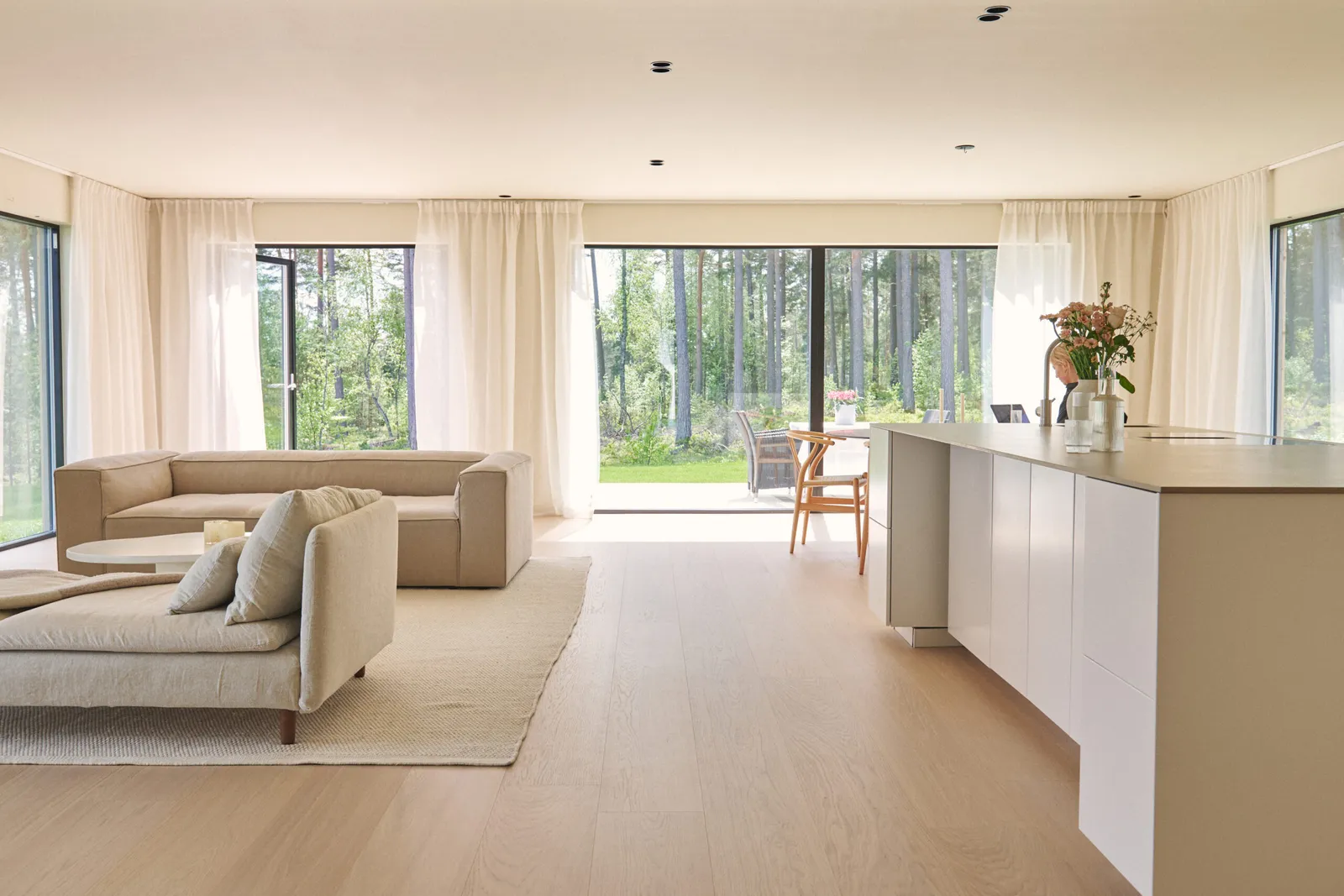
We are increasingly drawn to bringing nature indoors, but how does this affect the floors beneath our feet? Have you noticed that when you enter a space that feels welcoming, you sense it before you really see it? The air feels calmer. The light is softer. The materials invite you to slow down. That is biophilic design in practice.
“Biophilic design goes beyond adding a few plants or opening a window,” says Hannes Boman, Head of Design at Bjelin. “It is about how a space feels in your body. It is about connecting interiors with patterns, textures and rhythms that we associate with nature.” In a world where most of us spend more than 80% of our time indoors, that connection seems essential.
From concept to surface
Although walls and furniture often get a lot of attention, the floor plays a disproportionately large role in how a space looks and feels. “The floor is the surface we are in constant contact with, both visually and physically,” explains Hannes Boman. “And in a biophilic context, it anchors the entire space.”
Choosing a material that reflects natural variation creates a foundation that feels authentic. “Wood flooring in particular is closely aligned with biophilic principles,” says Hannes Boman. “Its organic patterns create subtle irregularities, something our brains instinctively recognise as natural.” Unlike uniform surfaces, wood changes with light and use, gaining depth over time.
From perfection to authenticity
A defining feature of biophilic design is its move away from over-processed, uniform materials. Instead, there is a growing preference for surfaces that reflect how materials occur in nature.
“Biophilic design naturally takes a ‘cradle-to-grave’ approach, considering every stage in the life cycle of a product or space,” says Hannes Boman. “From responsible sourcing and natural materials, through considered use and human wellbeing, to durability, reuse and end-of-life impact.”
In the past, the aim was perfection: no knots, no variation and an even colour. “Now we are seeing the opposite,” explains Hannes Boman. “People want materials that feel real. Subtle variations in shade or texture make a space feel more alive.”
This shift has a direct impact on flooring choices. Natural tones and lively colour variation are gaining popularity. Lighter, freshly sawn finishes can provide a fresh, calm foundation, while warmer tones add depth and a sense of comfort.

Light and perception
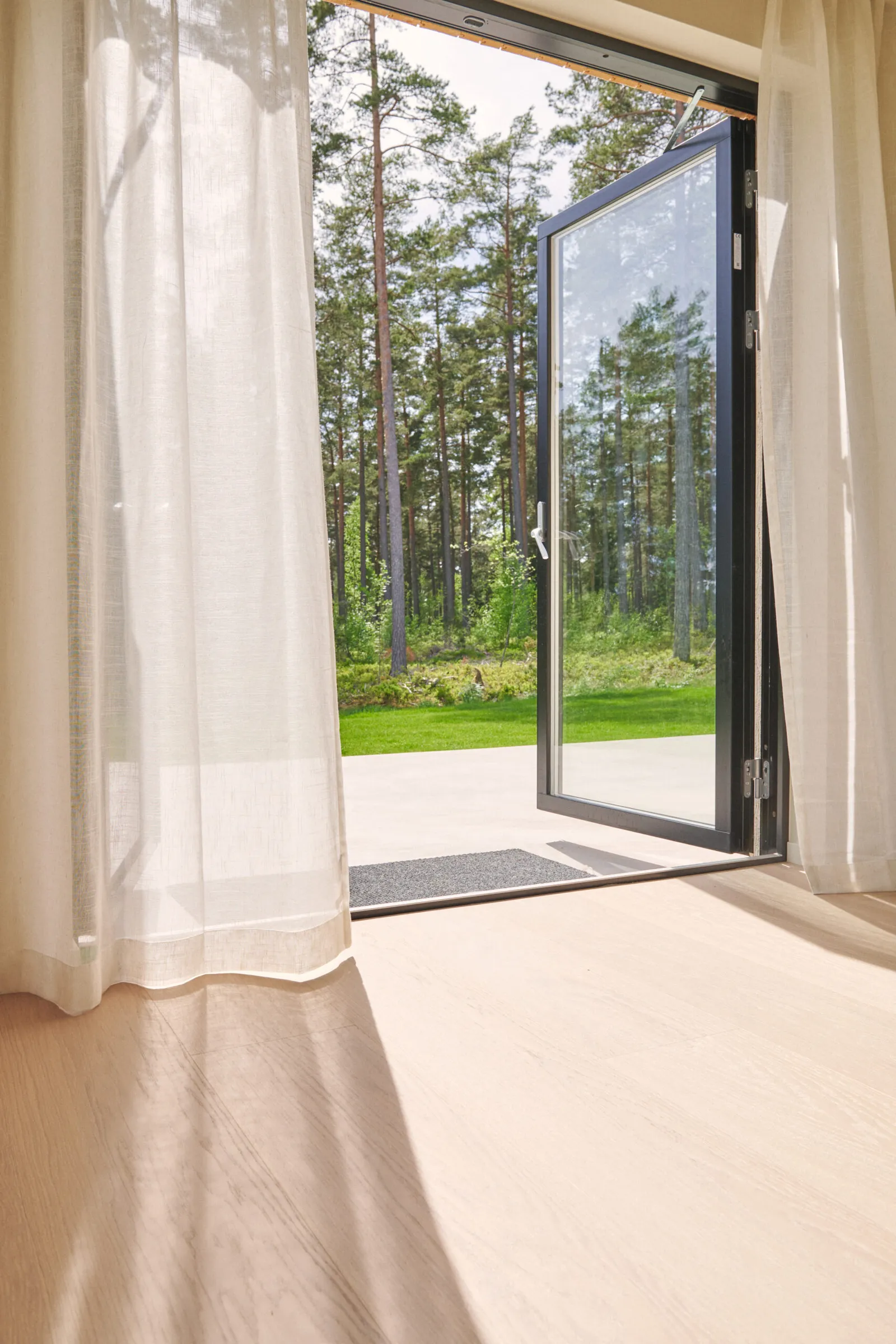
Biophilic design is also about how spaces interact with light, and flooring plays an important role. Lighter surfaces reflect daylight, creating a more open and airy feel. At the same time, subtle variation keeps the floor from feeling flat or sterile.
“A good floor responds to the space,” notes Hannes Boman. “As the light changes throughout the day, the surface should vary subtly with it. That gives a space a sense of rhythm.” This dynamic quality becomes especially important in interiors where natural light changes dramatically with the seasons.
Designing for real life
How spaces are used must also be taken into account. Demand is growing for surfaces that combine durability with a natural look. “Biophilic design is not fragile,” says Hannes Boman. “It needs to work in real homes, with real people. Materials must be both resilient and visually authentic.”
A foundation that shapes everything else
Ultimately, biophilic design is about cohesion. Every element contributes to a sense of balance between the built environment and the influence of nature. As one of the largest surfaces in any interior, the floor plays a crucial role in that relationship.
“When the floor is right, everything else falls into place,” says Hannes Boman. “It creates a foundation that conveys calm, stability and connection. That is what people respond to, even if they cannot immediately explain why.”
In short: natural materials, variation in texture and the way light falls on surfaces create a sense of calm and connection.
Question about this story? Ask your question
Keep following this
Get an email when a new story is published. No account needed.
- ThemeInterior comfort and aesthetics
- SubjectGeneral







