Seasoned parquet fitter inspires young people to work with wood
Text Wendy ThijsImage Luc De Pauw
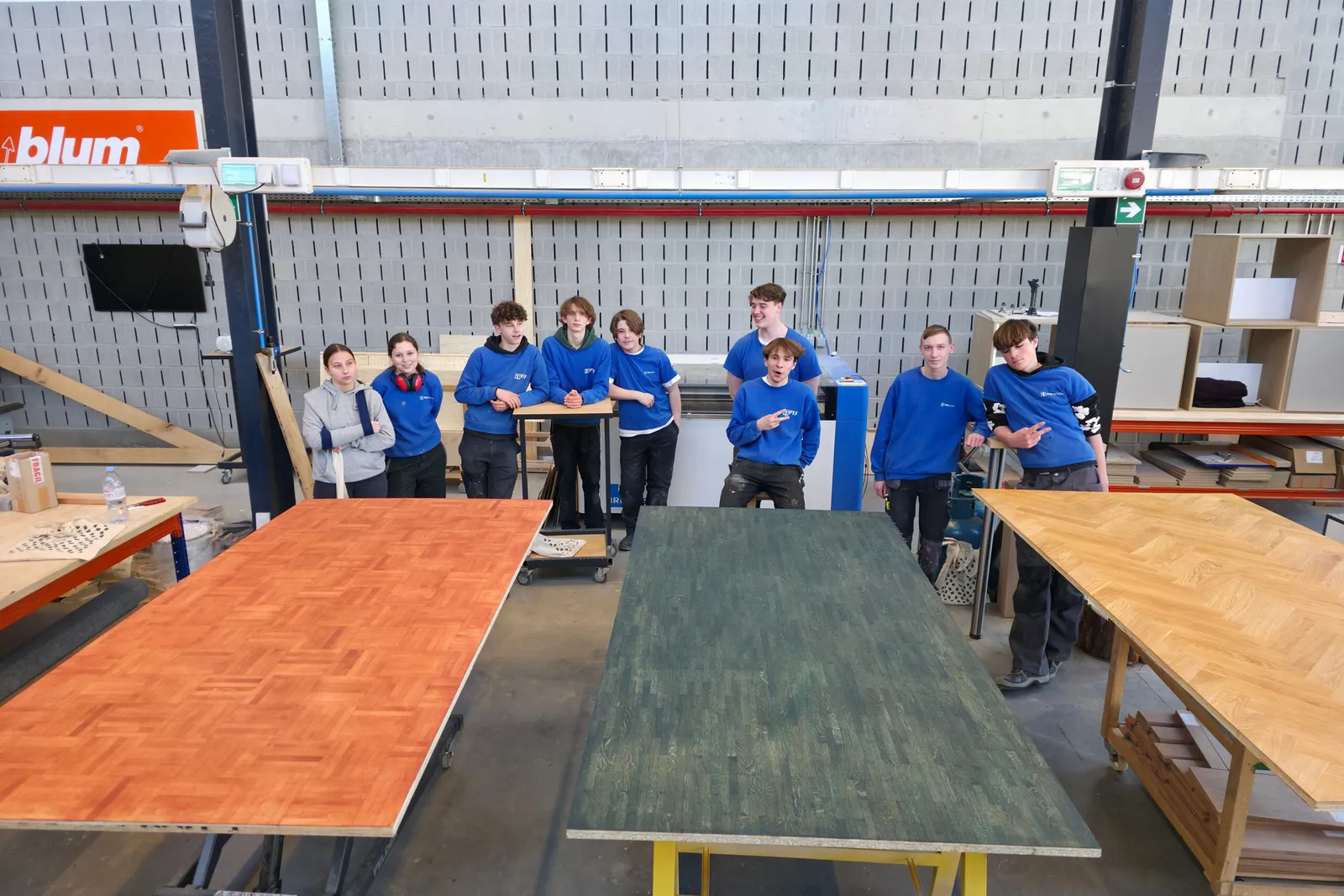
He has now trained more than a thousand students. And although Luc De Pauw stresses that he is a parquet fitter, not an education specialist, this gives him a unique perspective on the education landscape. His love of wood once won out over his passion for social work, but his commitment to helping others remained. How else can you explain why he is still passing on his skills, even after retiring?
The impressive number of young people he has trained pales in comparison with the miles of parquet flooring Luc De Pauw has laid over his forty-year career. Teaching came his way almost by chance. First, he took over an evening course in parquet fitting at Syntra. Not long afterwards, he covered for a teacher at Constructiv, which also brought him into secondary education. What began as a temporary assignment is something he is still doing today.
Passing on a love of wood
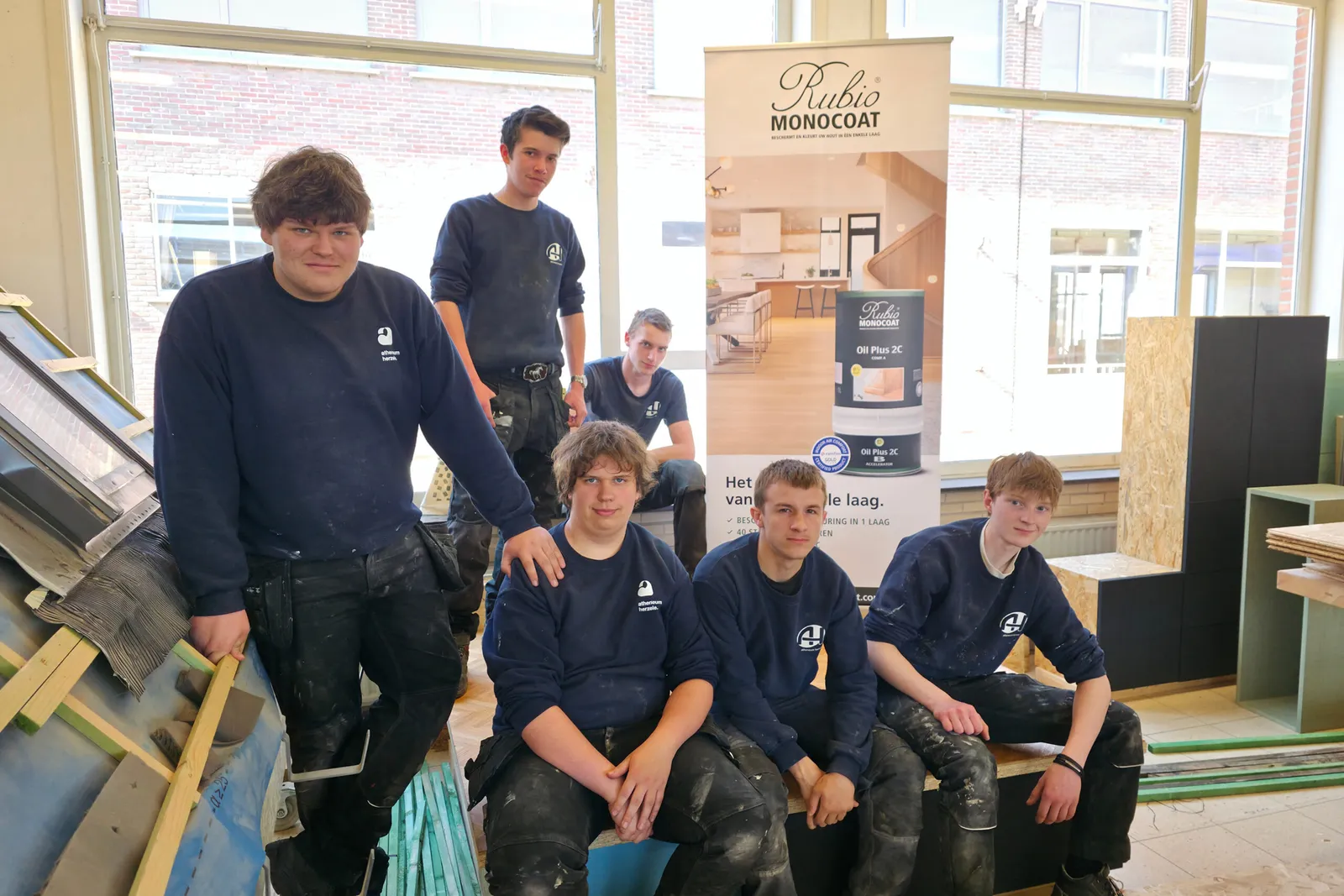
“I do it mainly because I can share my love of wood,” says De Pauw. “I’ve seen the trade change enormously over the course of my career. It has shifted from being purely artisanal to becoming more technical. Alongside solid wood parquet, laminate flooring and engineered parquet came onto the scene. PVC and LVT flooring joined wood. Almost anyone can fit these floors, but laying solid wood parquet to the highest standards takes real craftsmanship. That traditional craft is at risk of being lost, and I hope to inspire young people to get stuck into it.”
Getting hands-on
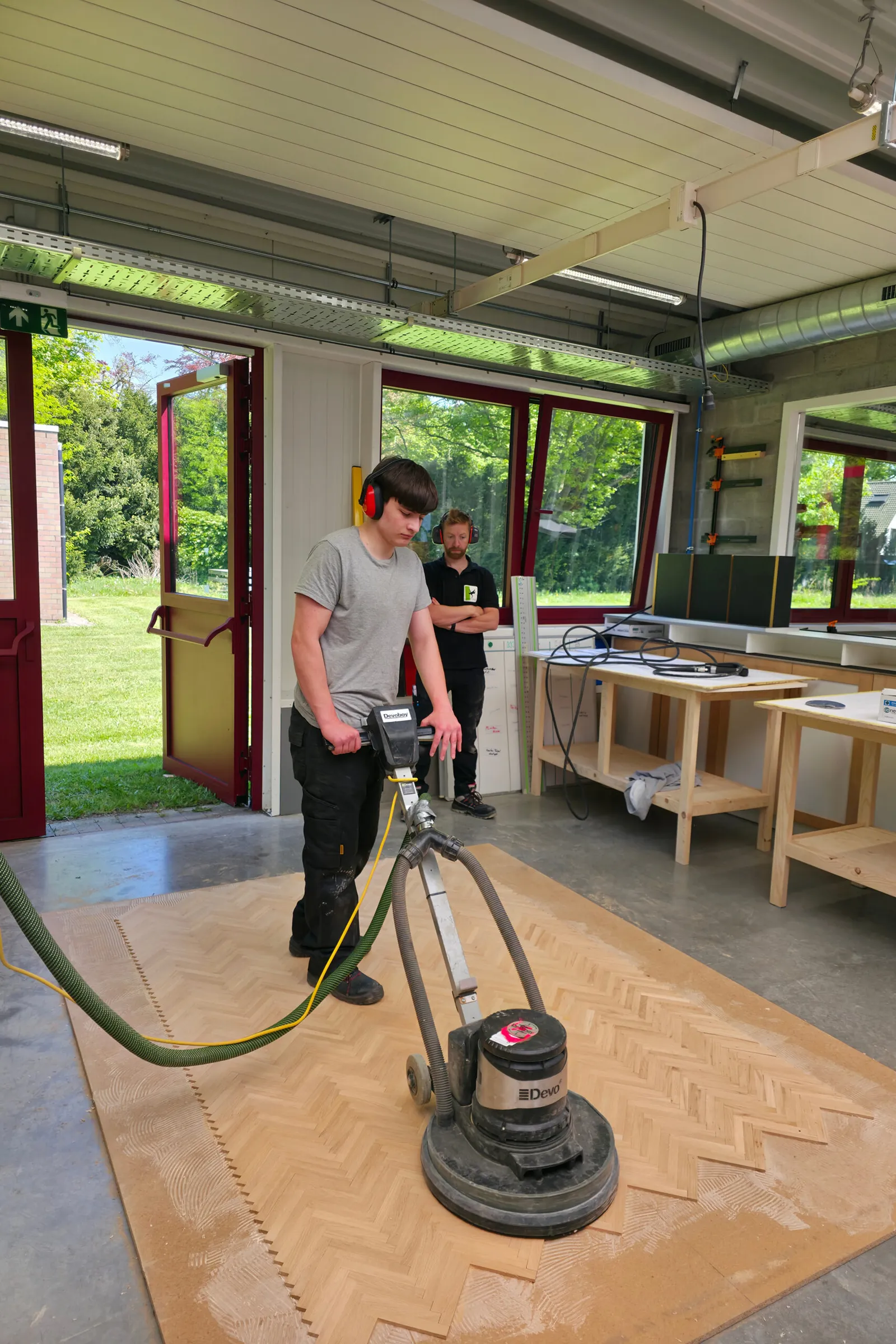
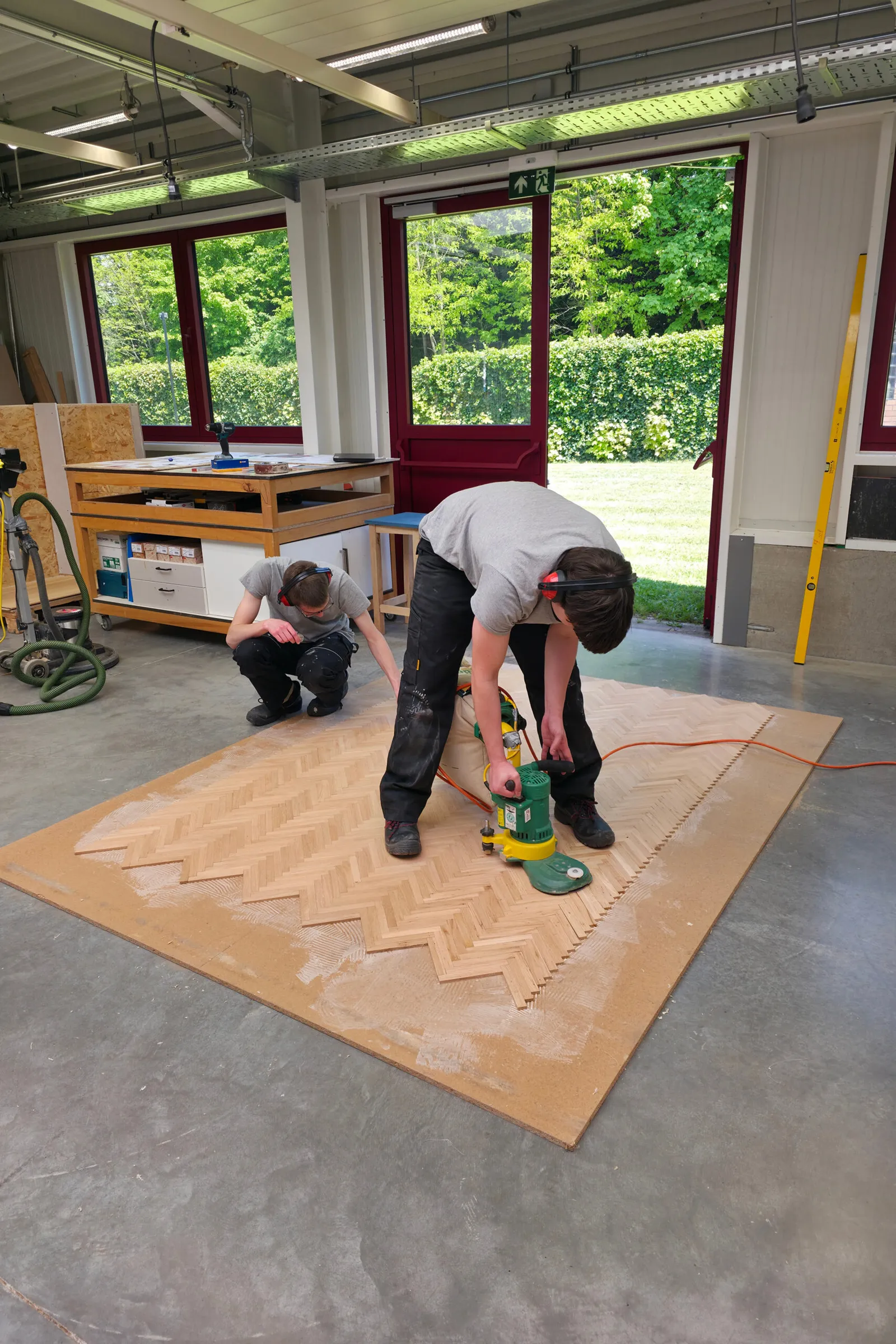
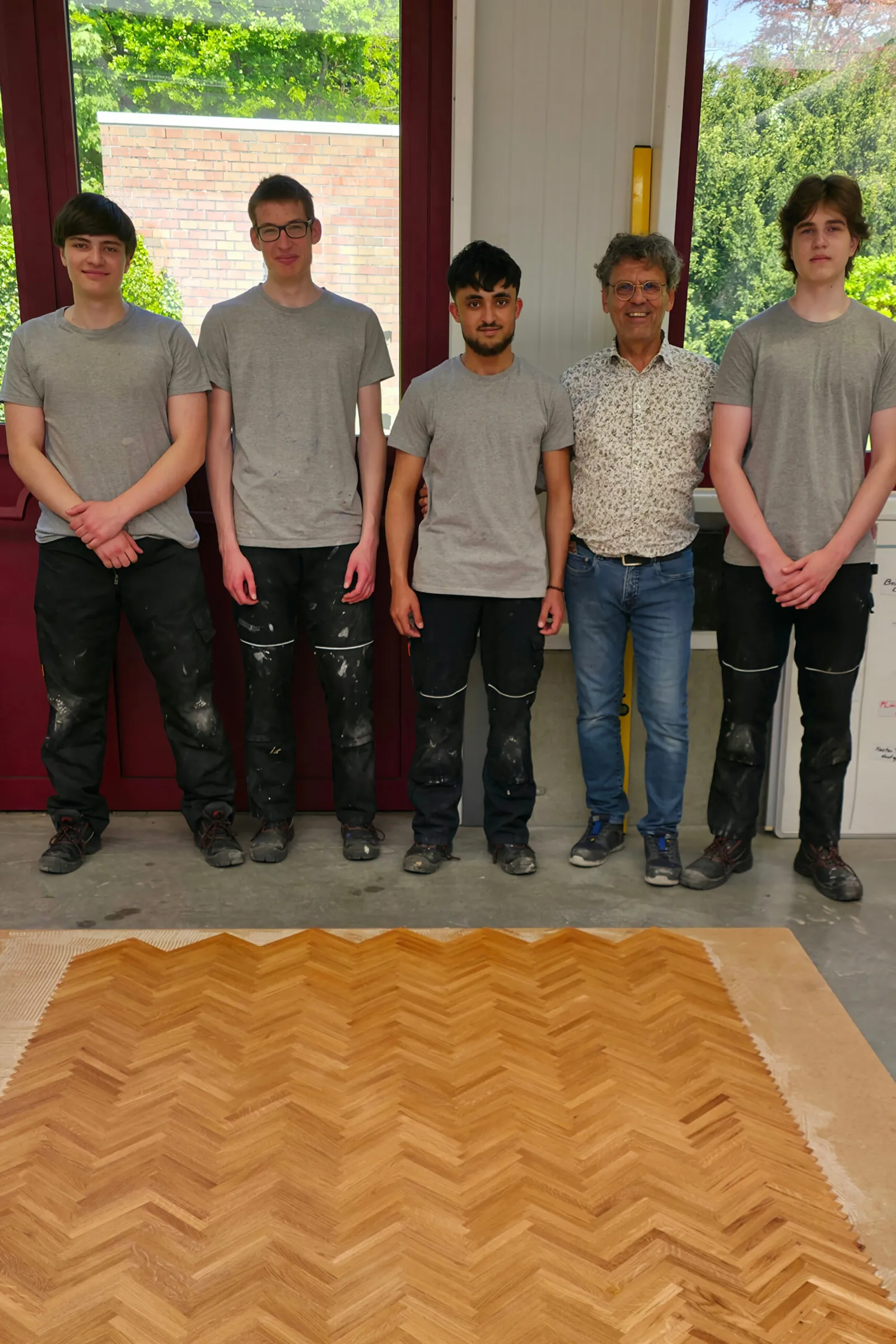
De Pauw takes a practical approach to his lessons, because the best way to learn how to lay parquet is by doing it. By making mistakes and learning from them. Students practise traditional laying patterns such as herringbone, chevron and mosaic, and learn how to glue, nail and sand parquet. At the end of the day, they are often amazed by the result. “Especially in special education,” says De Pauw, who teaches in dual-track programmes, vocational programmes and special education. “Every one of these young people comes with their own set of instructions, but they can often do more than they think. It is very rewarding to end up with something beautiful that you have made yourself. That was what attracted me to this trade, too.”
Solid wood parquet remains relevant
Although his parquet-fitting course has occasionally been under threat, many teachers still believe it teaches essential basic skills. De Pauw is confident that introductory parquet-fitting courses will remain relevant. What he is more concerned about is that the seventh year of secondary education risks losing its value as the education system is modernised. “Students used to receive an additional certificate at the end, but they no longer do. Yet students gain a great deal of valuable practical knowledge during that extra year, and lessons can explore specific technical topics in much greater depth. Without a certificate, a seventh year becomes less appealing, even though it produces highly skilled tradespeople. And they are desperately needed,” says De Pauw.
Not enough graduates entering the trade
Towards the end of his career, De Pauw noticed that it was becoming harder to find skilled tradespeople. “Budgets play a major role. In some schools, it seems as though time has stood still, while others have an ultramodern machine fleet. Those schools will find it easier to attract students, and their graduates have an advantage. They have much stronger technical insight.”
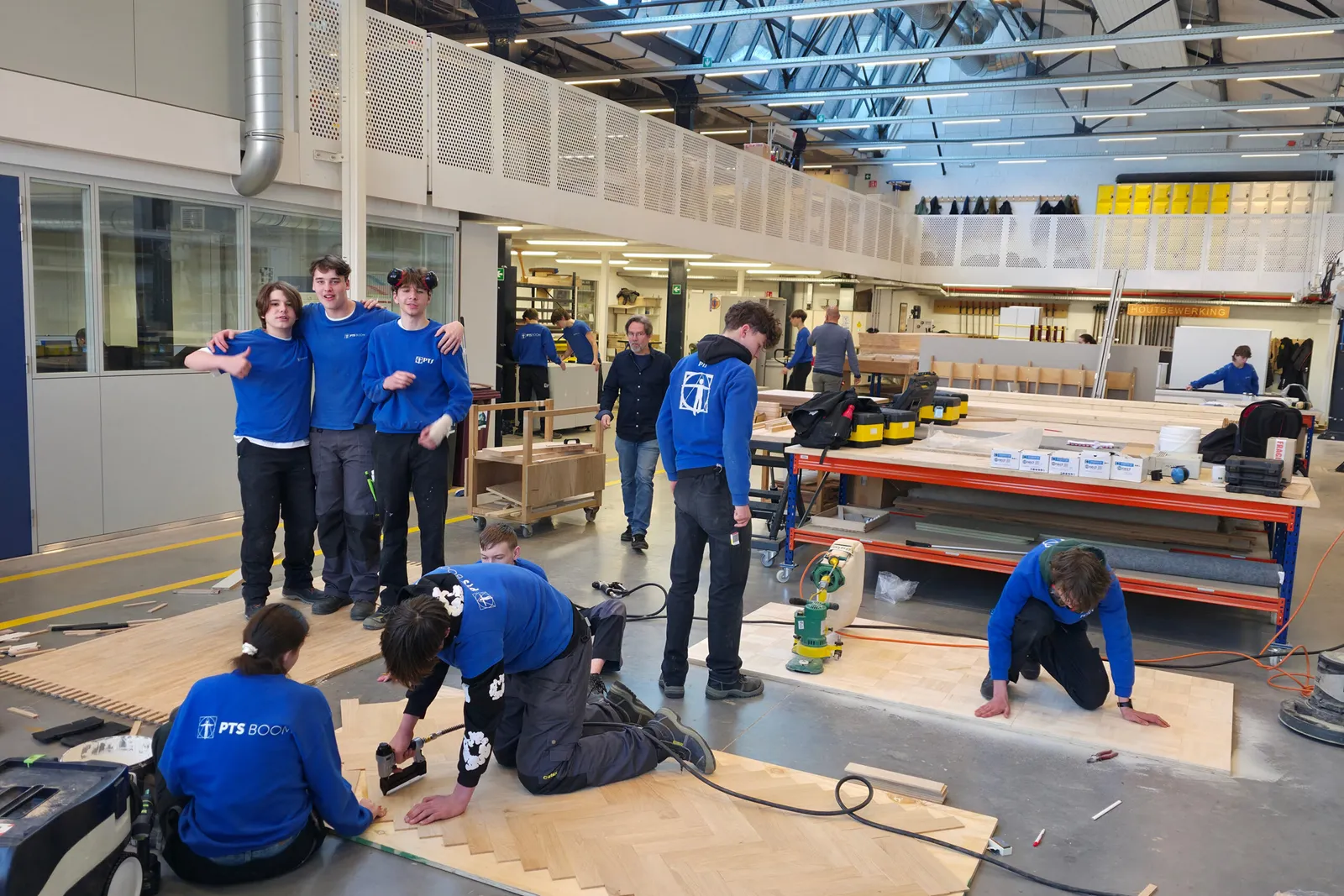
Schools today have to find creative ways to make the most of limited resources. “In the past, every technical school seemed to have one of those pointless little wooden stepladders. Now students increasingly work on real projects. If, for example, someone nearby needs new windows, they provide the necessary materials and the students get to work. The students benefit, too: they are more motivated because they are producing something for a real customer.”
Building bridges with industry
Support from companies also makes a difference to schools. De Pauw, for example, receives support from Rubio Monocoat. “Their oil is high-quality and innovative. I really enjoy working with it. Unlike traditional oils, it bonds with the wood fibres at a molecular level. You need less of it, and the parquet has a more matt appearance, which is ideal for today’s market. The oil was also VOC-free long before anyone was paying attention to that. Partnerships like these are valuable for schools with limited budgets, but also for the companies themselves. They are a good form of promotion, because there are always a few students who later become self-employed and remain loyal to the products they got to know at school.”
De Pauw may be retired, but teaching keeps him on his toes. He has no immediate plans to stop, although he is trying to encourage fellow parquet fitters to get into teaching too. “Once you work out how to motivate young people, it is incredibly rewarding. I sometimes let the students explain something themselves to their classmates, and you can see them grow. At first I used PowerPoints, but an interactive approach works much better. If you love your job, what could be better than passing on that passion? I would recommend it to anyone.”
Question about this story? Ask your question
Companies in this story
Keep following this
Get an email when a new story is published. No account needed.
- ThemeInterior comfort and aesthetics
- SubjectWoodworking
- CompanyRubio Monocoat