Local trees get a second life
Text Wendy ThijsImage Treeline
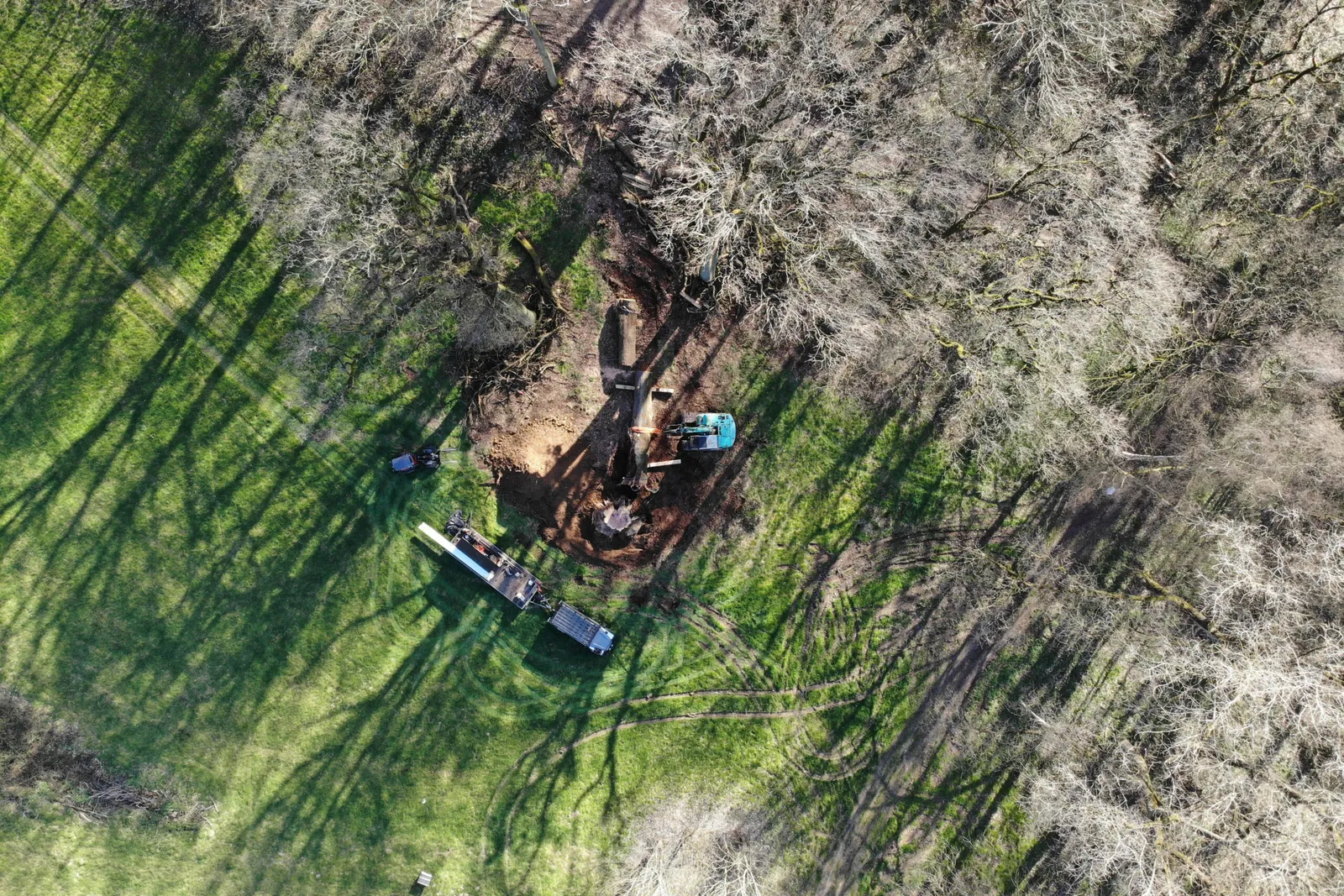
What could be more sustainable than using wood from your own back garden to make a new piece of furniture? With this in mind, Treeline is putting local solid wood back on the map. That is no easy task in a market dominated by sheet materials that are unbeatable on price, speed and ease of use. But solid wood has a unique strength: nothing else brings as much soul and character to an interior as it does.
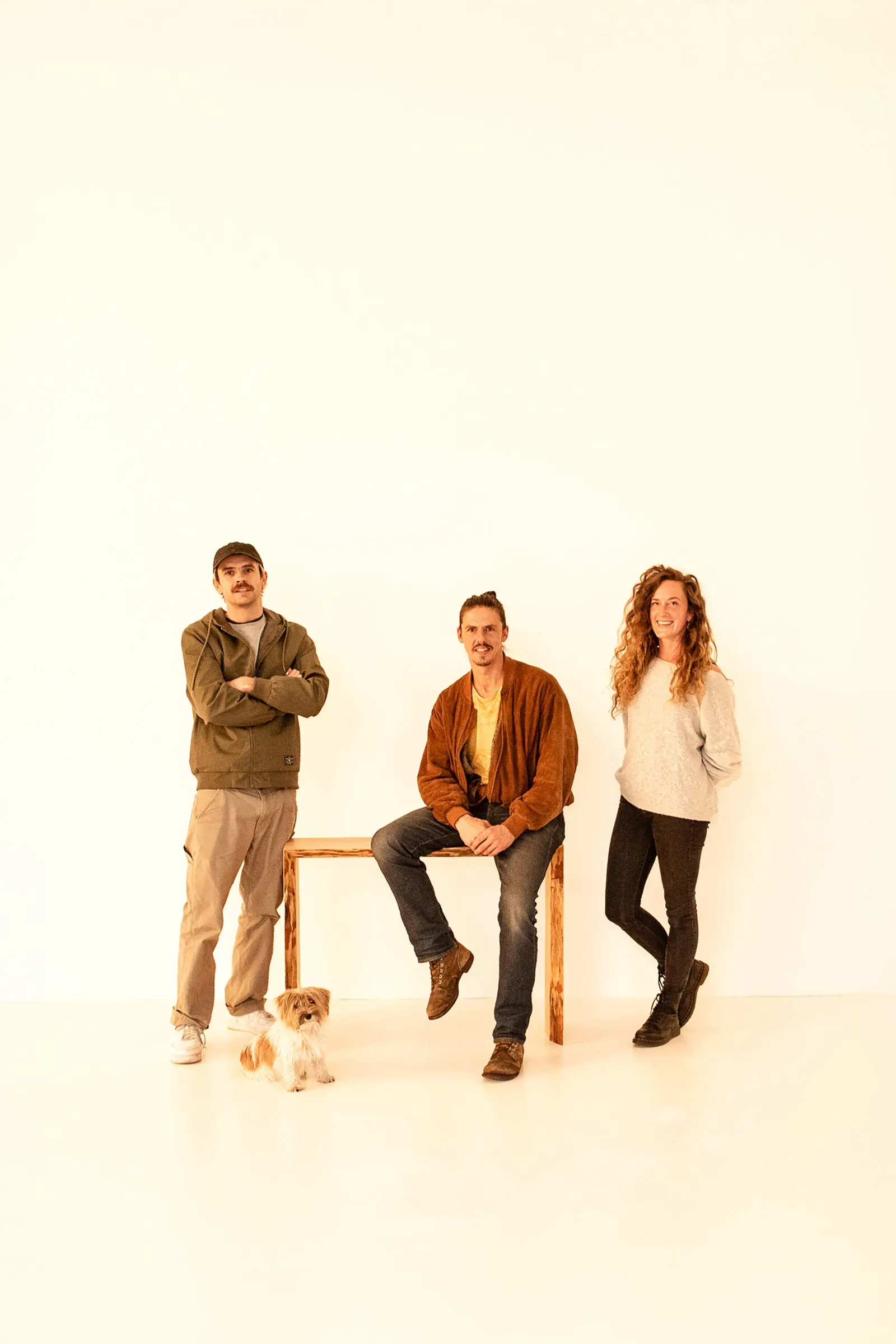
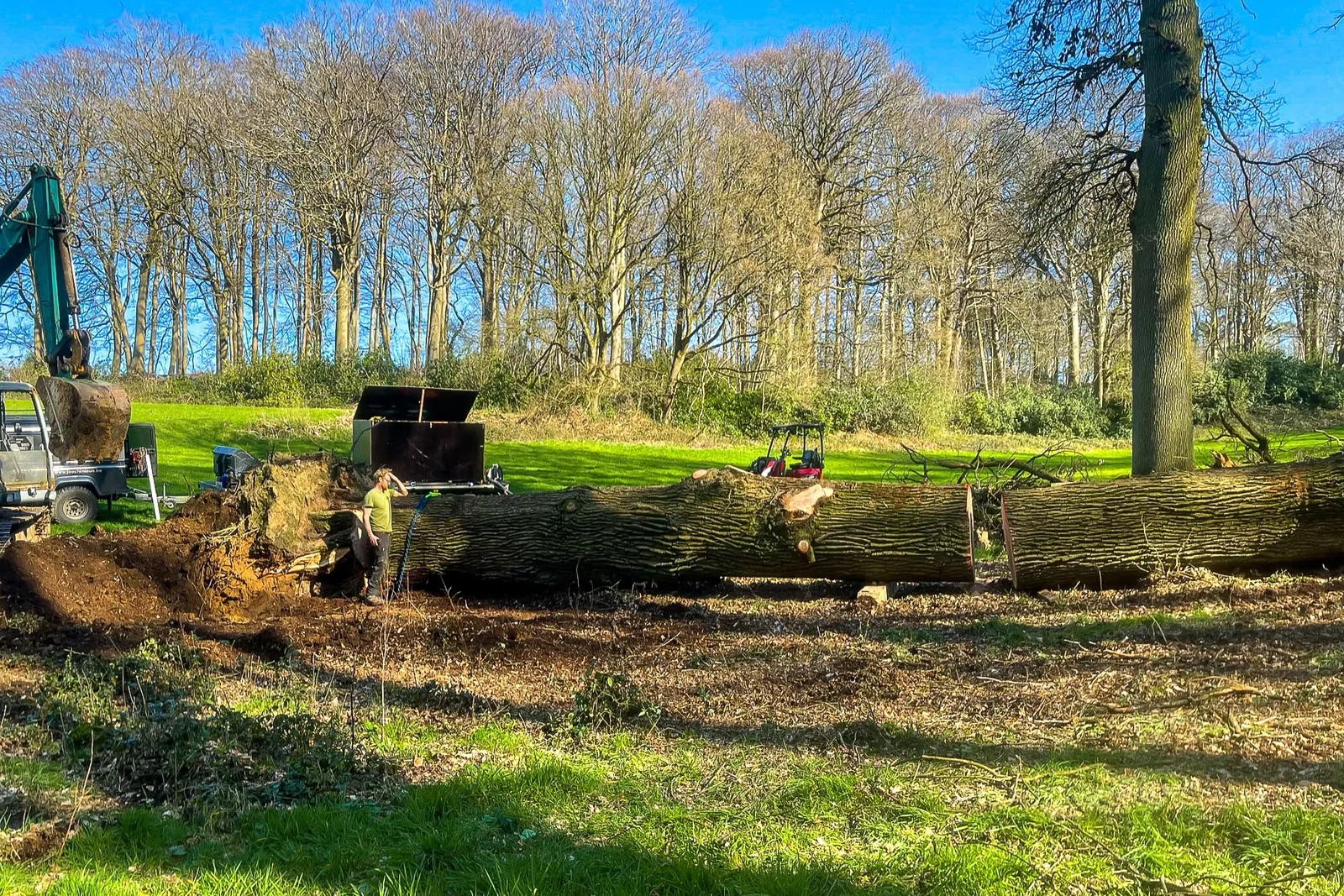
Sam Vansteenkiste began his career as a roofer and carpenter, then went on to qualify as a European Tree Worker. Tree surgeons love nature, but sometimes they also have to fell trees, which can be difficult. “Trees provide shelter for nests, insects and other animals. They make an enormous contribution to biodiversity,” he says. “But clients sometimes see things differently: a tree causes disputes with the neighbours, blocks the light or gets in the way of solar panels. If a felling permit has been granted, there’s nothing a tree surgeon can do about it. Sometimes you have to spend a few hours, against your will, bringing down a monument that took hundreds of years to grow into what it was.”
Saving trees from the chipper
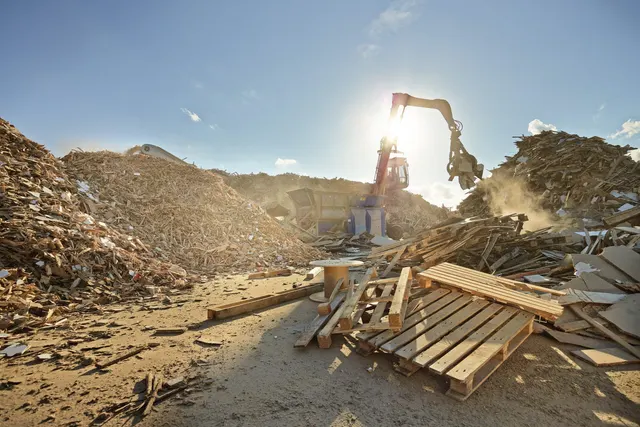
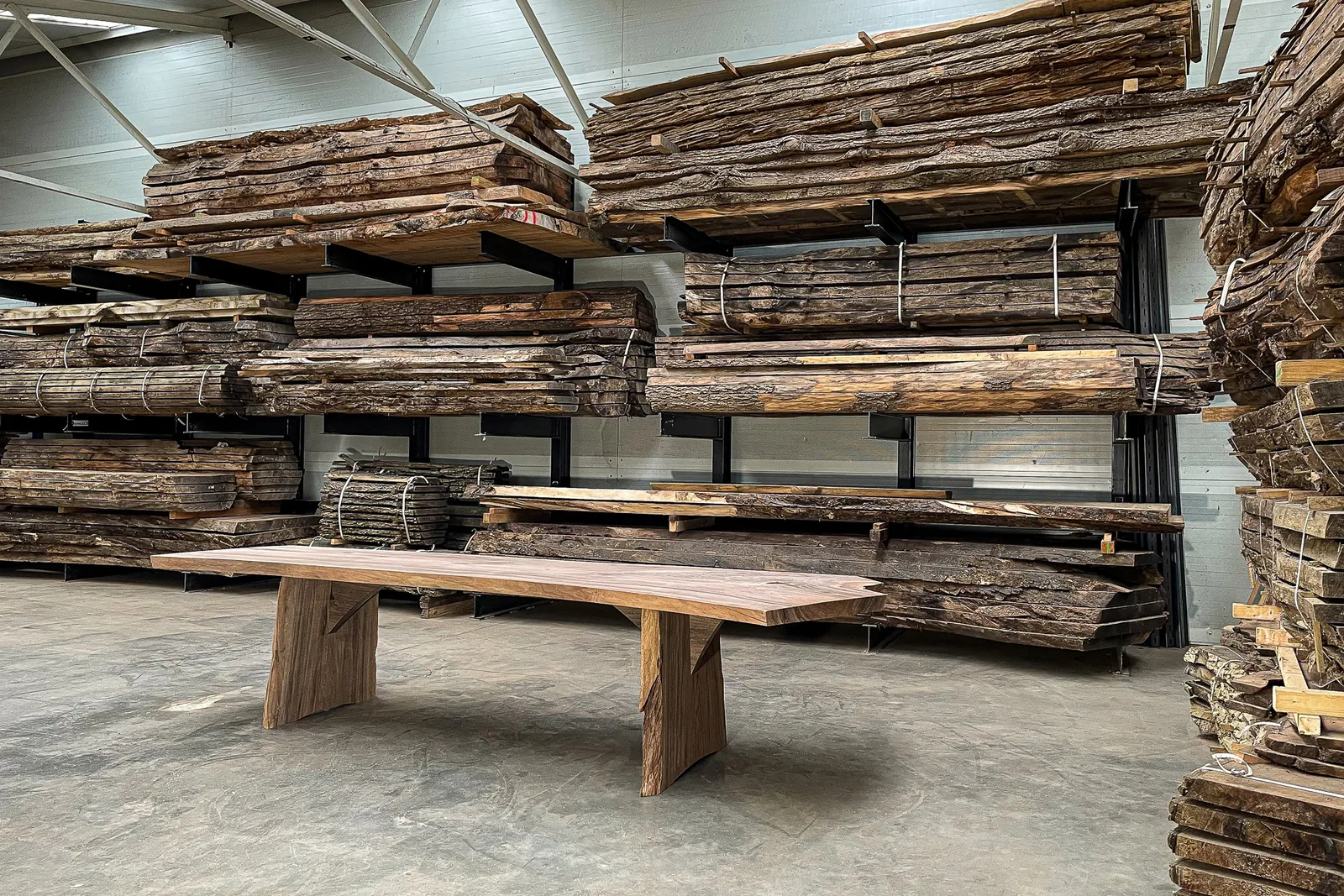
In the vast majority of these cases, the tree is chipped and turned into biofuel. Frustrated by this, Vansteenkiste invested in his first sawmill and gradually began sawing and drying logs. Today, he manages the entire process: Treeline is a tree care company, sawmill and joinery workshop all in one.
The sawmill processes a wide range of timber species, but every tree has a story or distinctive character. “Our small scale means we can’t compete with traditional timber wholesalers. So we seek out the unusual: characterful yew, ash, lime, walnut, oak, chestnut, plane and beech, as well as exotic species such as tulip tree, swamp oak, sequoia and honey locust, which found their way into our gardens back when people would simply bring cuttings home on a plane. One of our clients was delighted to have the huge sequoia planted by her great-grandfather turned into a piece of furniture when the tree died.”
Trees with a story
Trees carry a long history within them, and Treeline brings it to light. One example is the story of the more than 300-year-old oak in the Kluisbos, which came crashing down in a storm. “It was the last of a circle of seven. Why they stood in a circle remains a mystery, but we do know that the oak lived through Napoleon’s campaign and two world wars. Bullet holes and shrapnel scars bear witness to that. So, along with a table, people bring a piece of history into their home, allowing it to live on.”
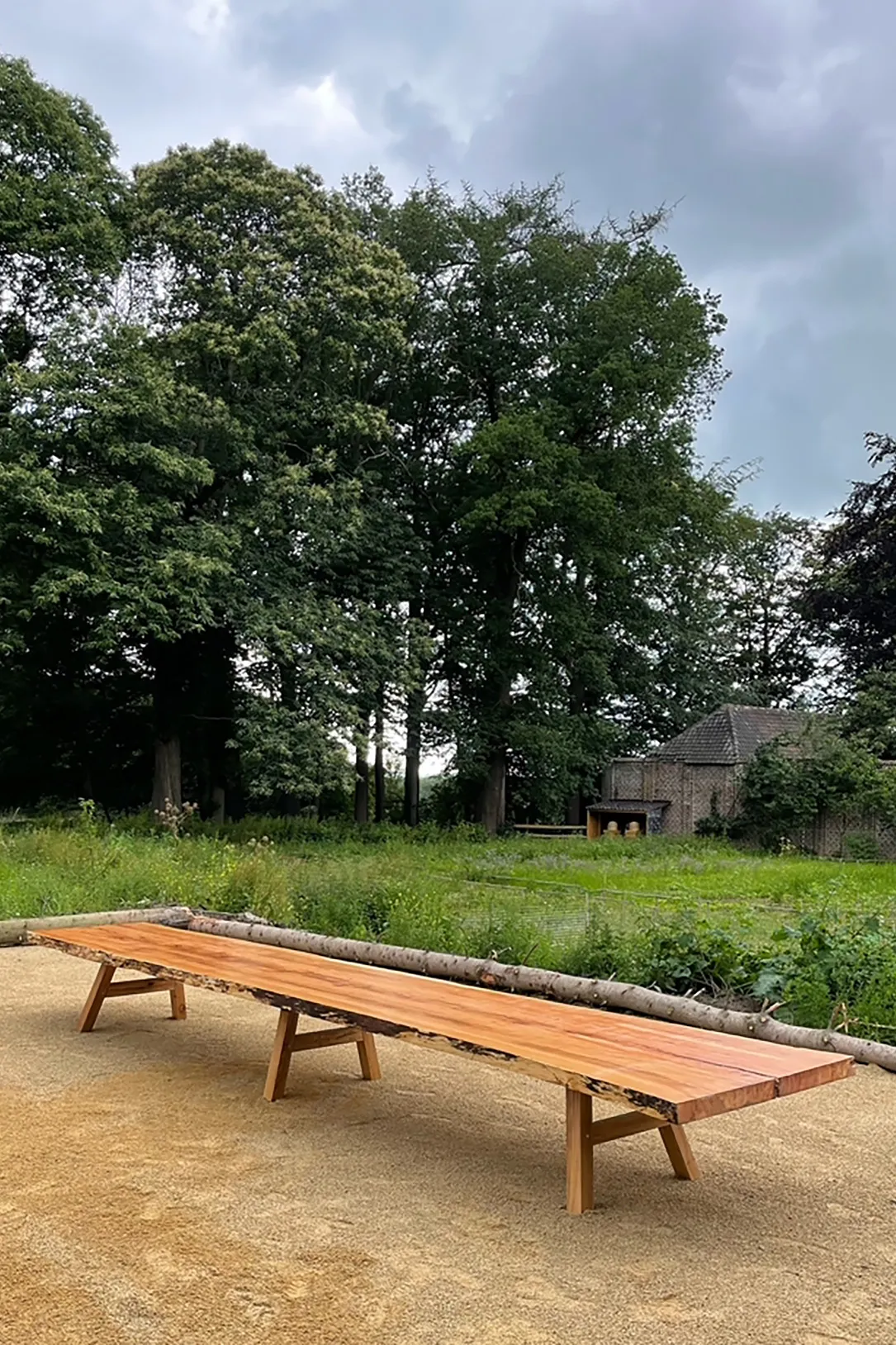
Furniture with soul
A piece of furniture like this takes patience. The logs are first left to air-dry for around three years. They then spend several more weeks in the kiln to kill insects and reach the right moisture content. Over time, Vansteenkiste has built up extensive knowledge of timber.
“Understanding how different species behave and how to work with knots and inclusions: this knowledge used to be passed down from generation to generation, but today you have to learn by doing. We’ve paid our dues. Boards can look perfect after three years of drying, yet come out of the kiln warped or cracked.
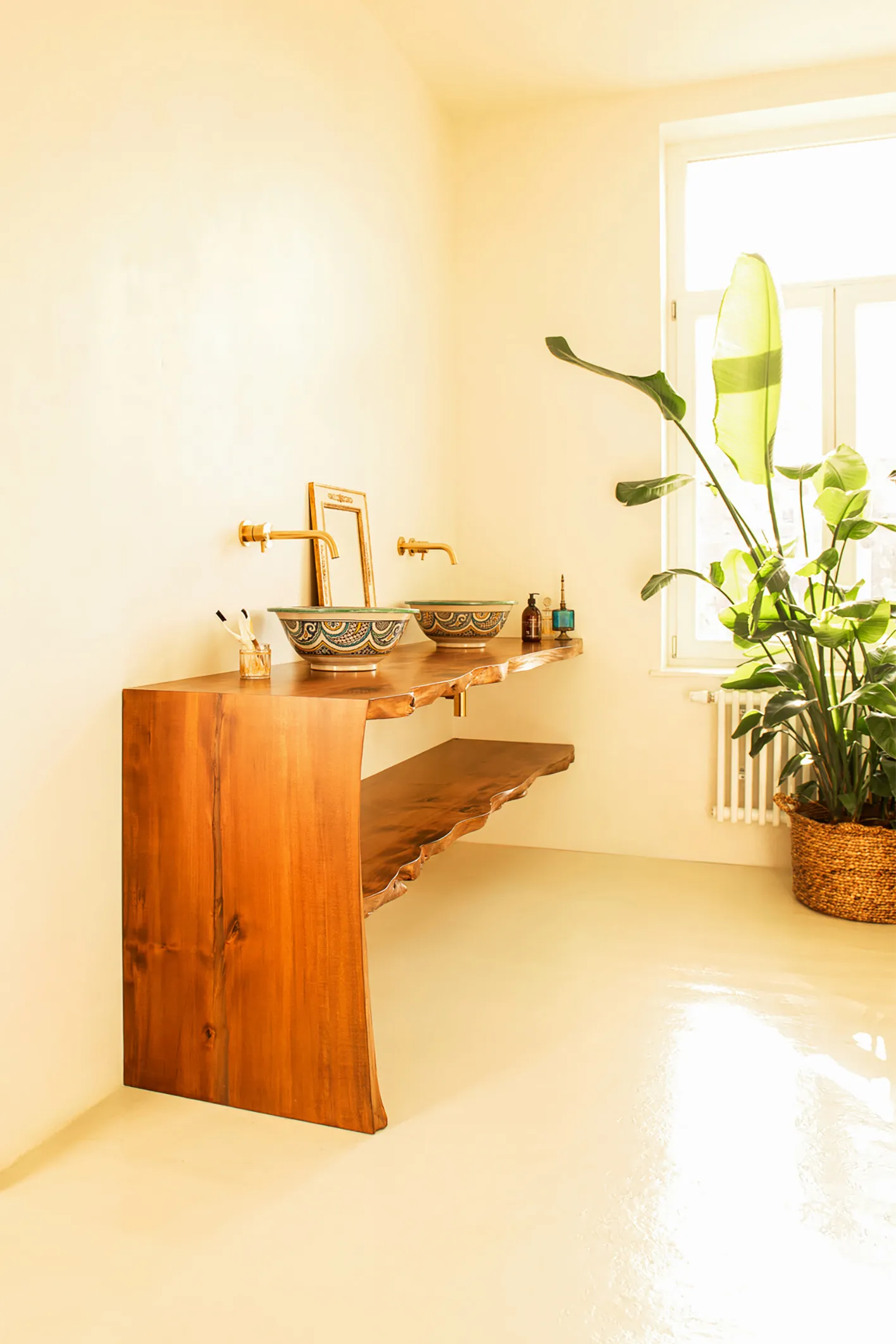
Treeline then turns the boards into unique creations: dining, coffee and side tables, bathroom furniture, worktops and desks. The company has its own collection showcasing what is possible, but most pieces are made to order for private clients or architects. Working with solid wood takes time and skill, so furniture like this doesn’t come cheap. “It’s a shame it isn’t accessible to everyone, but if more architects and joiners choose solid wood again, it will become more affordable,” Vansteenkiste believes. He is doing his bit to help: fellow joiners can also buy solid boards from Treeline and have them machined if they wish.
Putting solid wood back in the spotlight
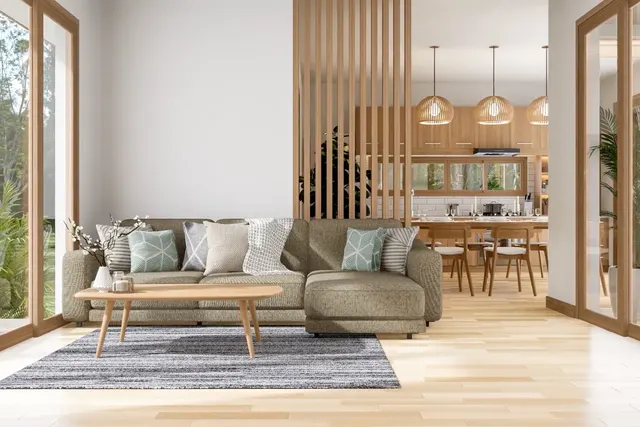
It is hard to compete with veneer and other sheet materials. “They have displaced solid wood from our interiors in no time. They are readily available, cheap and easy to work with, for both the manufacturer and the end user. The quality is always consistent, the result perfectly straight and symmetrical, but also very industrial. Combine them with solid wood and you immediately bring more character to an interior. It could be handles, a table or a worktop. Small details that help people reconnect with the beauty of solid wood. As a joiner or architect, dare to be more creative again and let your client discover different wood species. There is such a wealth of timber available if you take the time to explore it.”
He adds one final critical point: leave tropical hardwood alone. “It outlasts its purpose. It can easily last 150 years, while a terrace rarely remains in place for more than 50 years. Acacia is a better choice. Its environmental impact is far smaller, and the wood will certainly last long enough.”
Question about this story? Ask your question
Keep following this
Get an email when a new story is published. No account needed.
- SubjectWoodworking