The modular future of aluminium joinery
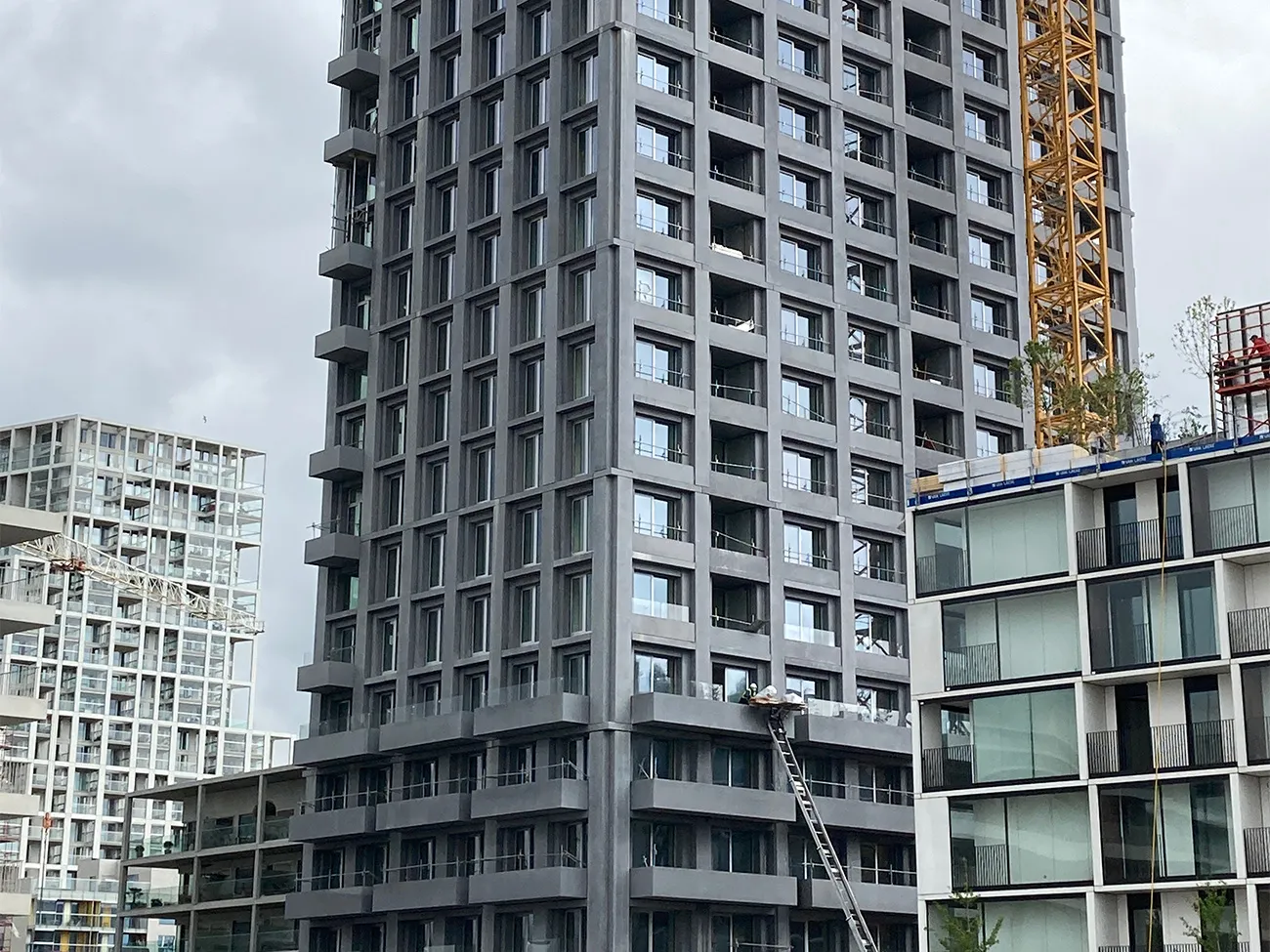
Circular construction is on the rise. The entire sector is evolving, and aluminium joinery is no exception. As a trade federation, FAC, the Federation of Aluminium Fabricators, aims to inform and inspire. Rita Sprangers, managing director at KA Construct and training manager at FAC, outlines the trends in sustainable construction with aluminium and the challenges ahead.
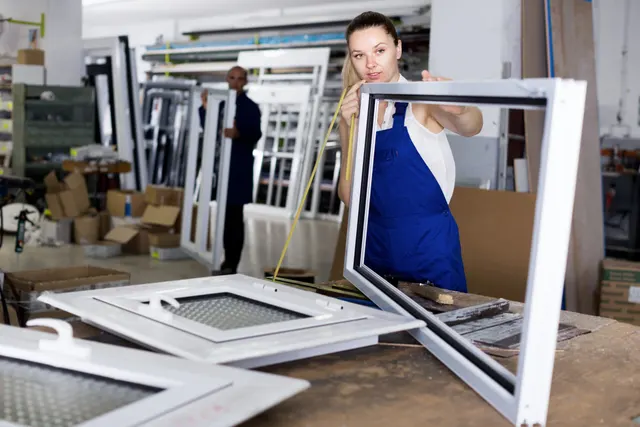
The new construction philosophy has also set a great deal in motion for aluminium fabricators. New construction methods are increasingly being adopted across the sector. Modular and off-site construction is one of the clearest developments. “Especially when a property developer requires a short construction period, an integrated off-site approach can be the ideal solution,” explains Rita Sprangers. “In this case, fully pre-assembled elements are delivered to site. In practice, this means that the aluminium joinery is installed by the contractor manufacturing the precast concrete elements. It is a highly efficient way of working, but it requires the right technical expertise and, above all, organisational skills. Lean planning is becoming increasingly important, because if one link in the pre-assembly process fails or the schedule goes awry, it is harder to put things right than when something goes wrong during conventional on-site construction.”
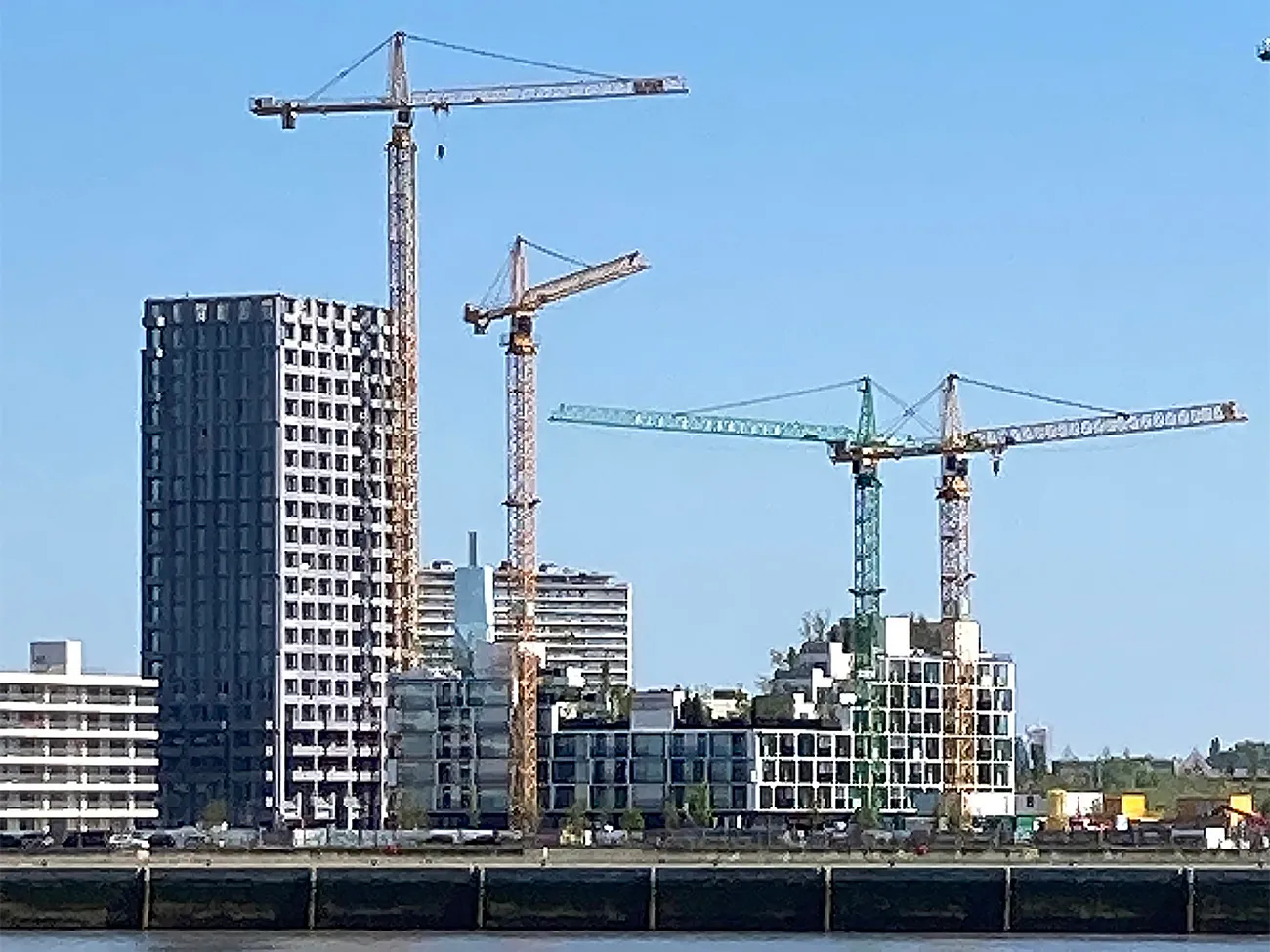
Modular construction is no longer a vision of the future, the movement is already well under way. Bureau Bouwtechniek, the executive architect for the towers at Nieuw Zuid in Antwerp, chose this approach. Find out what it looked like on the NAV website. Visit elearning.nav.be and click on ‘Virtual project visits’. The video about Nieuw Zuid is at the top of the page.
Different aspects of sustainability
At first glance, this construction method seems to offer mainly savings in cost and time. Yet aluminium fabricators are also making a contribution to sustainability. Sprangers explains: “Both labour and equipment are deployed more efficiently, resulting in significant savings. That is indeed the most obvious benefit. By integrating the joinery into the precast elements during pre-assembly, we also reduce the amount of transport to the site, with a direct positive impact on the building’s sustainability. We are also taking circular and sustainable construction further. We are currently actively exploring aluminium joinery as a service rather than simply a product. How can we keep the joinery high-quality and up to date throughout a building’s entire lifespan? In future product development, we will focus even more on replaceable and repairable solutions, so that they continue to meet the latest standards for insulation, acoustics and more.”
In the fast-changing world of aluminium, FAC aims to guide its members as a trade federation. “We originally set up the organisation mainly to address the lack of knowledge-sharing and training,” explains Rita Sprangers, one of the founding members. “The FAC Quality Handbook is a tangible result of this ambition. It has become something of a bible for aluminium fabricators. Our standards and specifications are now included in tender documents, and our Façade Technology course is a recognised industry benchmark. In this three-module course, we cover the latest trends and techniques. Modular and circular construction will only become more important. We are keeping a close eye on developments.”
Question about this story? Ask your question
Keep following this
Get an email when a new story is published. No account needed.
- ThemeSustainable and circular timber supply chain
- SubjectJoinery