Help bridge the gap between education and the labour market
Text Wendy ThijsImage RTC
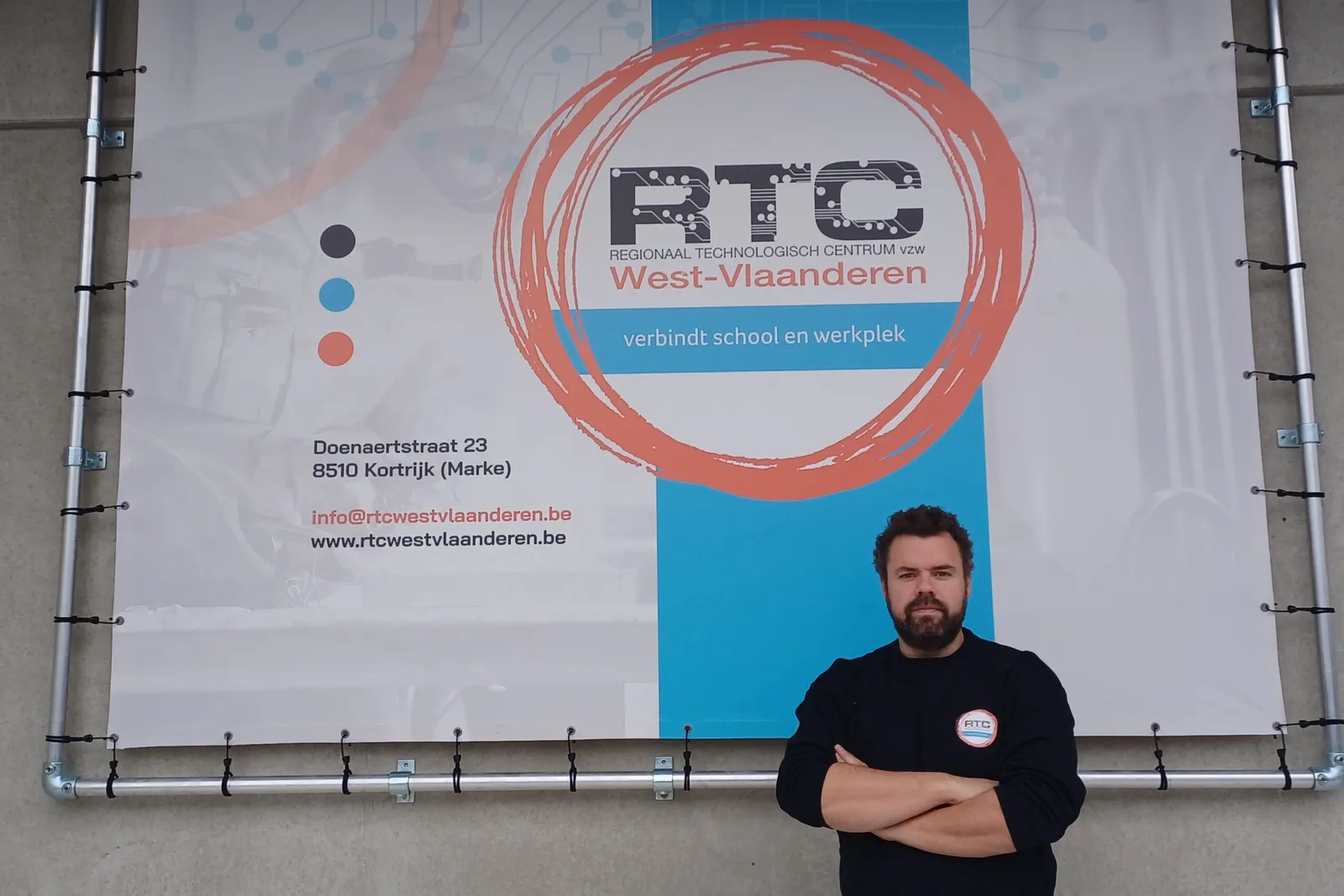
The five Regional Technical Centres (RTC’s) aim to bring education and business closer together. In West Flanders, Sammy Decoene is leading the way. He once taught in the classroom himself and still has a deep affection for our technical schools. “Yes, education must set the bar high enough, but a substantial investment from industry is also needed to train young people to a high standard,” he believes.
The image of technical education is improving, but the unfamiliar remains unloved. Although attitudes towards craftsmanship and technology are changing, parents and primary-school teachers often still have only a limited picture of what happens behind the school gates. “It’s good that STEM has been included in the broad first stage of secondary education, but taking the next step to a KTA, PTI or VTI is still far from straightforward. I think people would be positively surprised by what goes on there,” says Decoene.
Technical schools have plenty to show off, and in recent years they have begun to do so, albeit gradually. The new PTI building in Kortrijk, for example, has been designed as a public space. VTI Aloysius Menen sets off for primary schools with cargo bikes loaded to the brim to run workshops, while since 2017 the RTC has travelled from town to town with its Technoboost experience event to promote technology.
A broad technical education
Not everyone who takes up a woodworking course goes on to work in the sector. “How many people’s choice of secondary-school studies matches what they do today? Education is about more than just technical skills. The Germans have a good word for it: ‘bildung’. Personal and social development matter too. I do believe that people with a technical education go on to choose a technical job. The seeds have been sown, we have sparked their interest. When we look at the cross-over from technical courses into technical sectors, the figures are encouraging.”
In touch with the factory floor
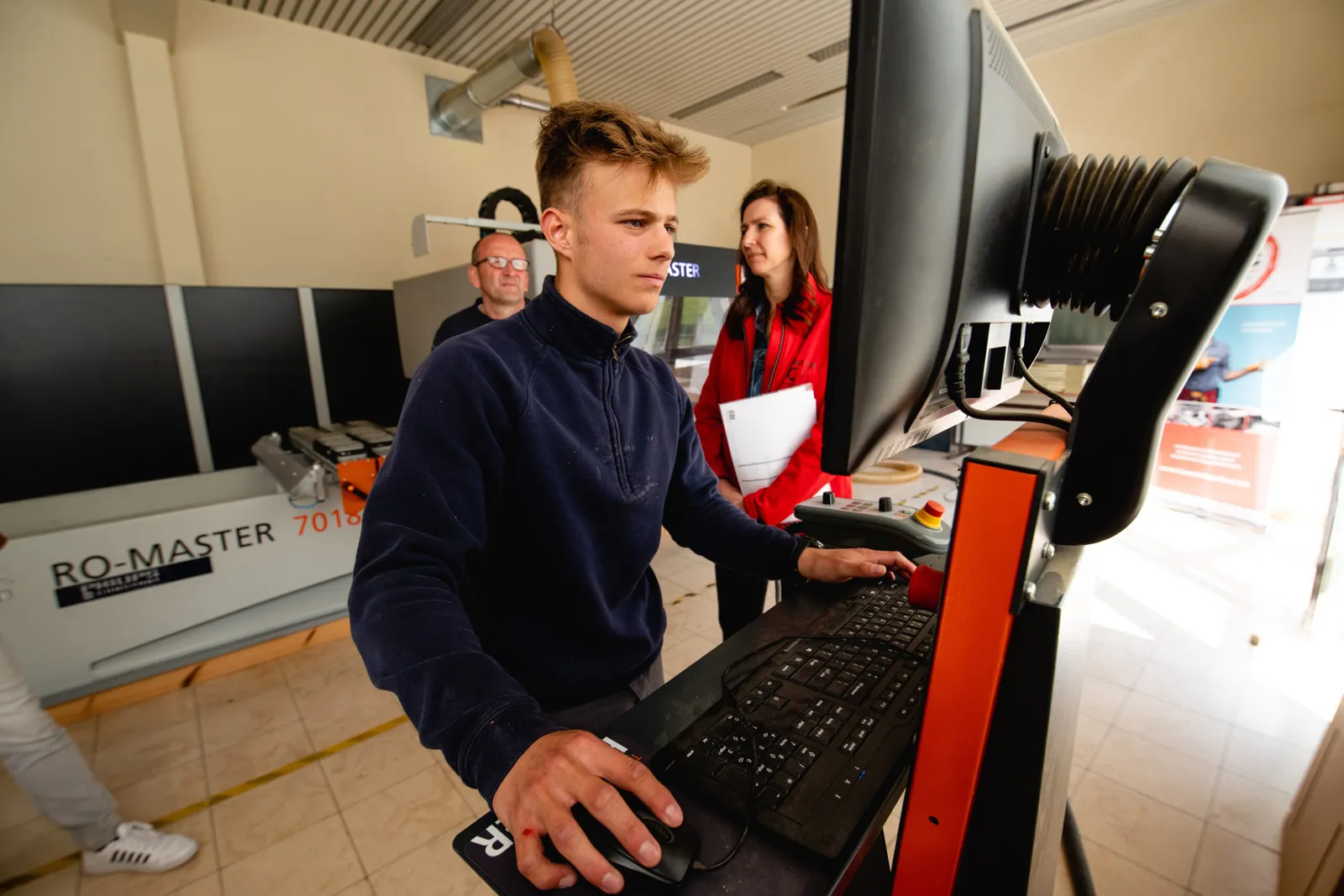
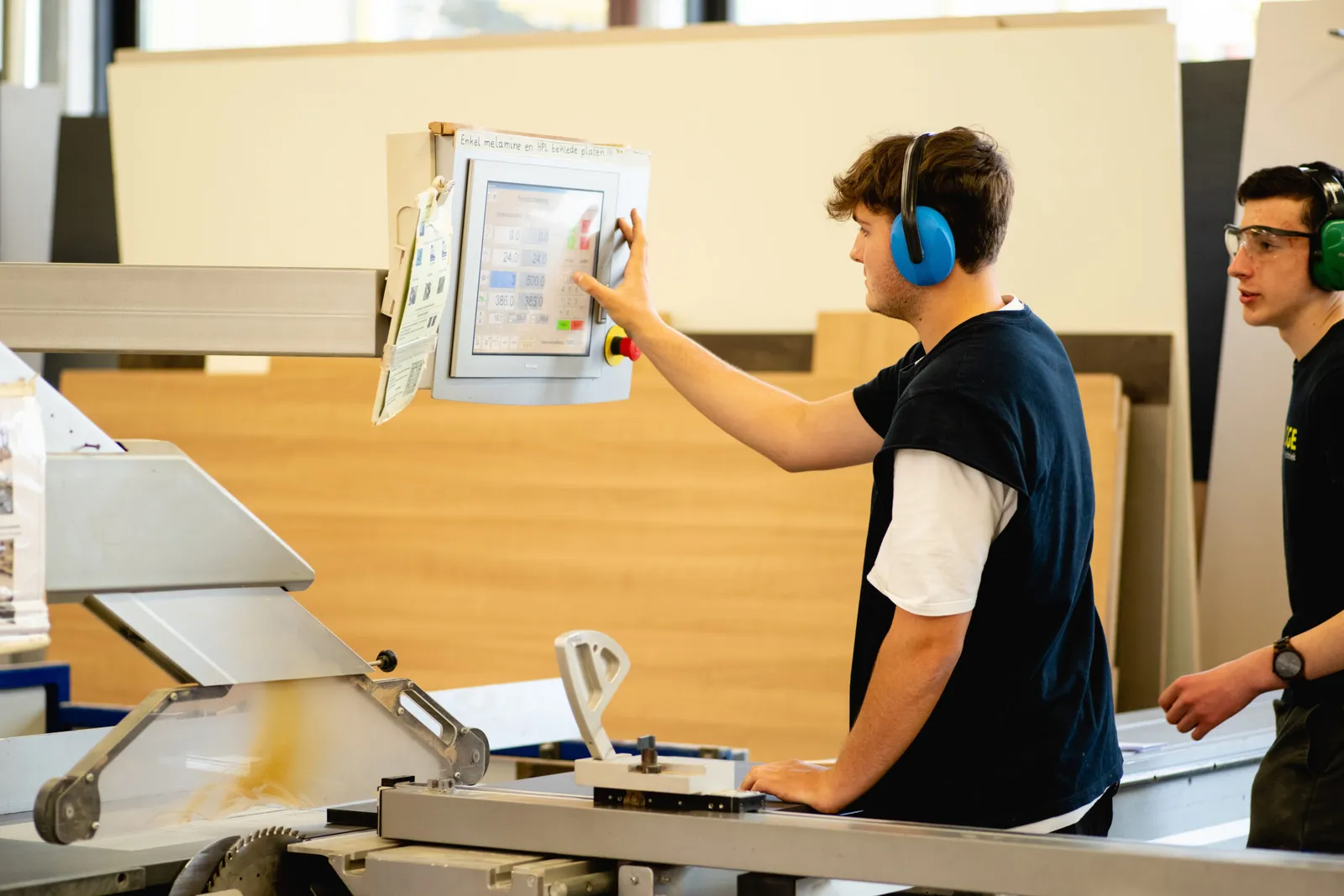
That does not change the fact that the labour market is short of workers. Companies are therefore automating their production floors, training their own operators, taking part in trade missions or opting for offshoring. “They are looking for and finding solutions, but demand remains high for people with advanced technical skills, and that is where our technical schools need to make a difference,” says Decoene. “Young people with a broad education can be retrained quickly, provided the bar is set high enough, but during their training they need to gain more hands-on experience of the factory floor, because that is still missing in many workshops.”
“They do this better in Scandinavia, Germany and the Netherlands. The Bouwacademie in Waddinxveen is a good example, where young people, adults, newcomers and career changers all train together. We continue to divide everything into separate boxes. The different education networks, VDAB, Syntra and the CVO’s all need teachers and facilities.
Their workshops differ considerably, even though everyone gains the same vocational qualification. Ultimately, a qualification should be worth the same, regardless of where you earn it.”
Strategic collaboration with the education sector
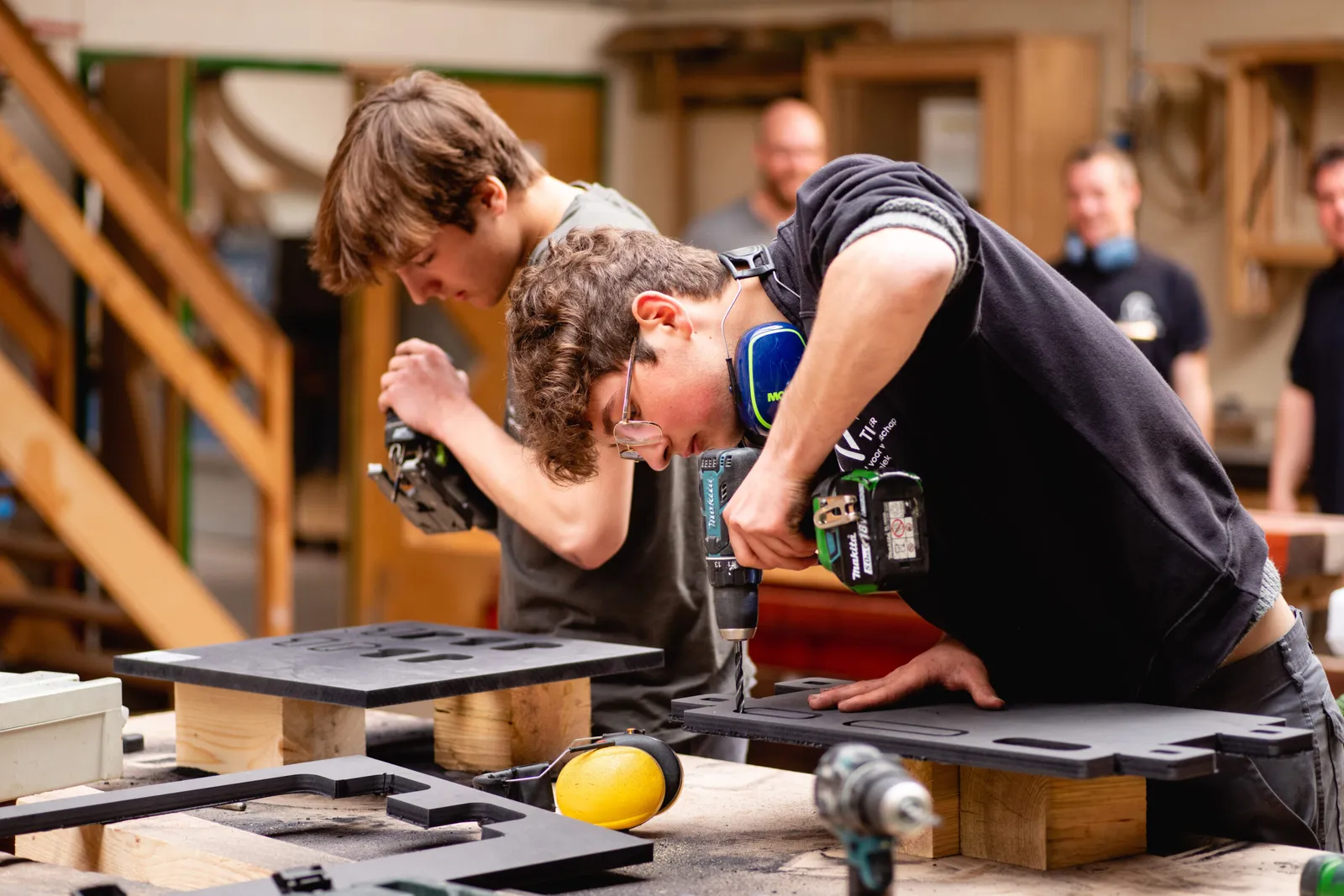
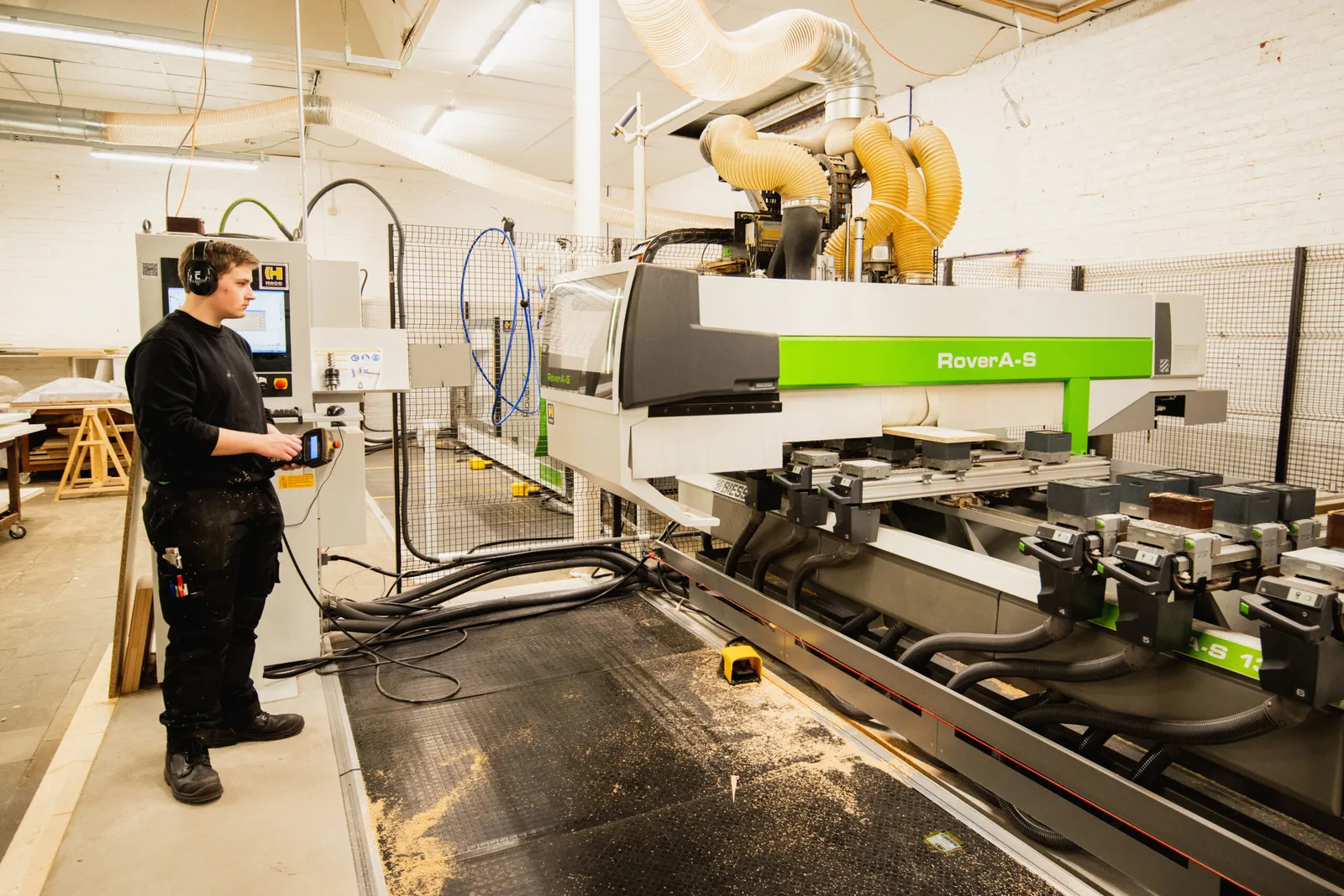
This is not just a matter for policymakers, companies can also play their part. “Manufacturers can offer products to schools free of charge or at a reduced price. Brands such as Lamello and Festool have played this smartly. Pupils talk about ‘Lamello’s’ rather than connectors, and Festool, whose products include almost every machine in our lending service, is a favourite among many aspiring joiners. There are already many valuable partnerships like this, but it is harder when it comes to large woodworking machines. As a machine supplier, you could ask yourself whether every school and training centre in the area has a CNC machine, because that is the future. Alternatively, you could open up a machine park where schools can work during project weeks.”
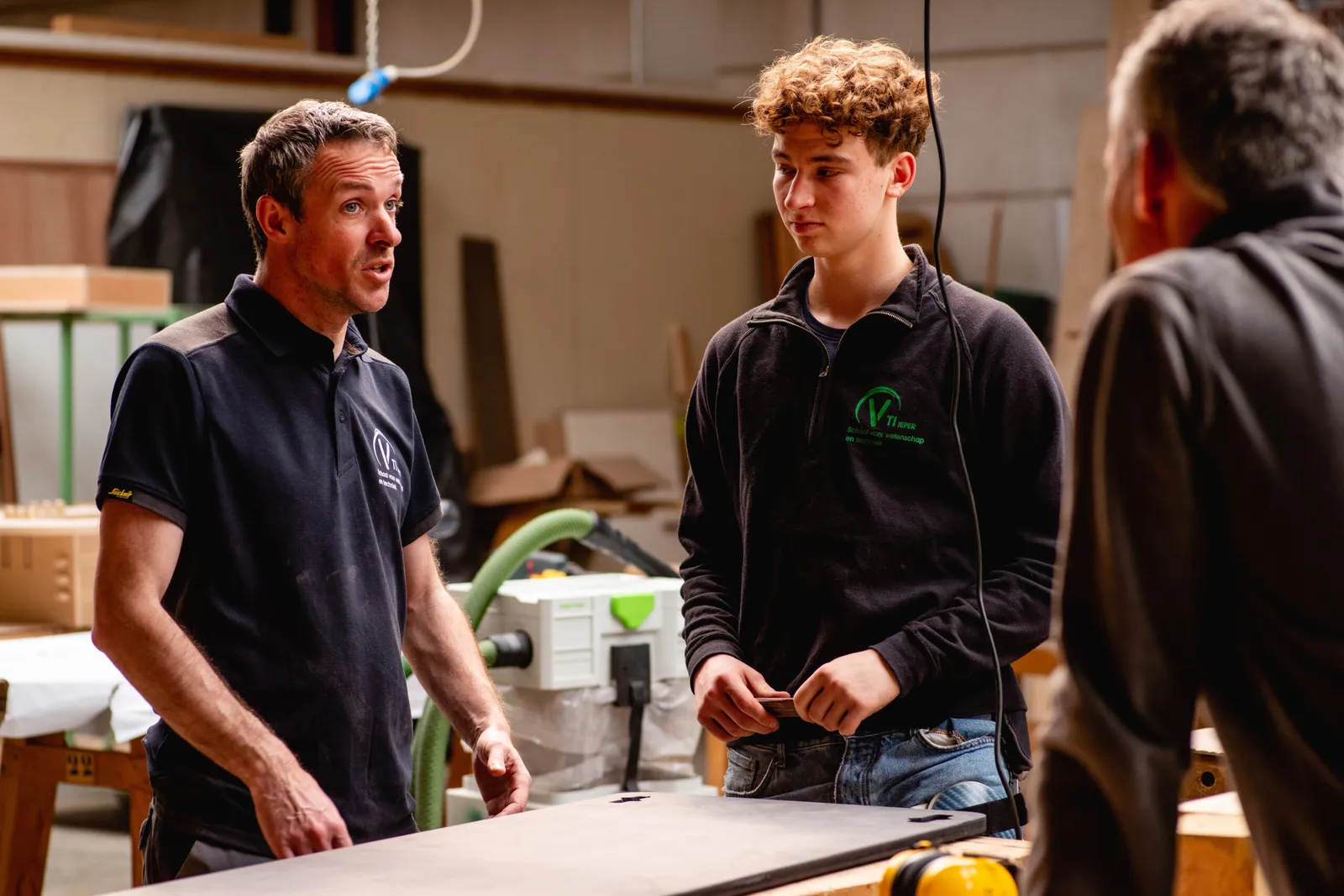
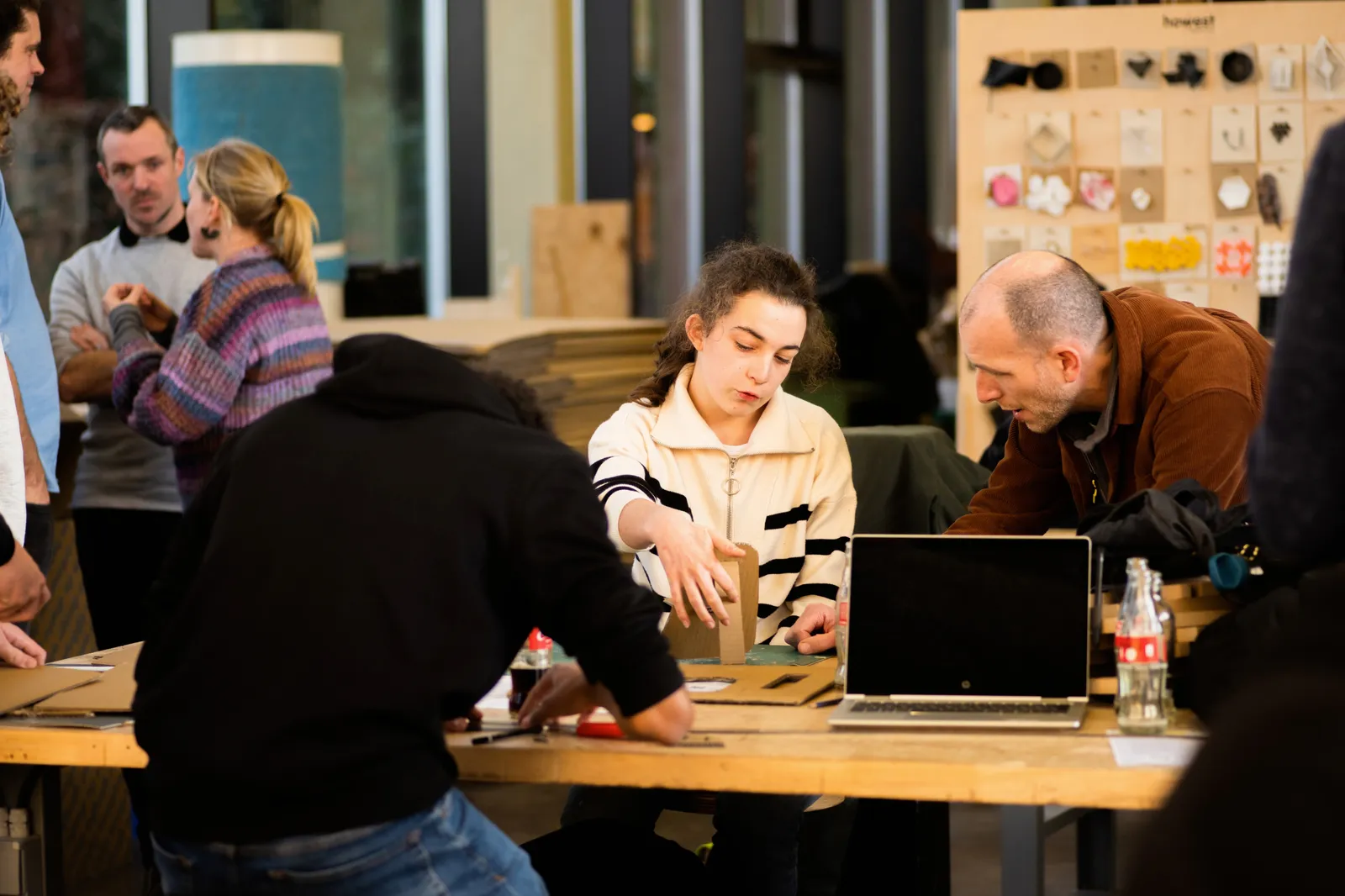
Joiners can also play their part. “For example, they can visit local schools to help teachers and pupils stay in touch with the realities of the trade. Work placements remain highly relevant, and dual learning is also a valuable way to give young people the practical experience they need. But there are other interesting forms of work-based learning too. I strongly believe in group projects where pupils work on a practical assignment, supported by their teacher and coached by a skilled tradesperson. Our WOOD SKILLS project is an example of this kind of challenge-based learning. It helps teachers as well as pupils to grow.”
Teachers are under a lot of pressure today. “Try teaching pupils a trade in a sector that is evolving at breakneck speed. Try keeping up, while ensuring your pupils’ safety, teaching everything in a pedagogically sound way and also acting as a father figure. They face a lot of negativity, so we should put them on a pedestal now and then.”
Question about this story? Ask your question
Companies in this story

Keep following this
Get an email when a new story is published. No account needed.
- SubjectWoodworking
- CompanyFestool