Ash: ideal for curved forms
Text Wendy ThijsImage Hout Info Bois
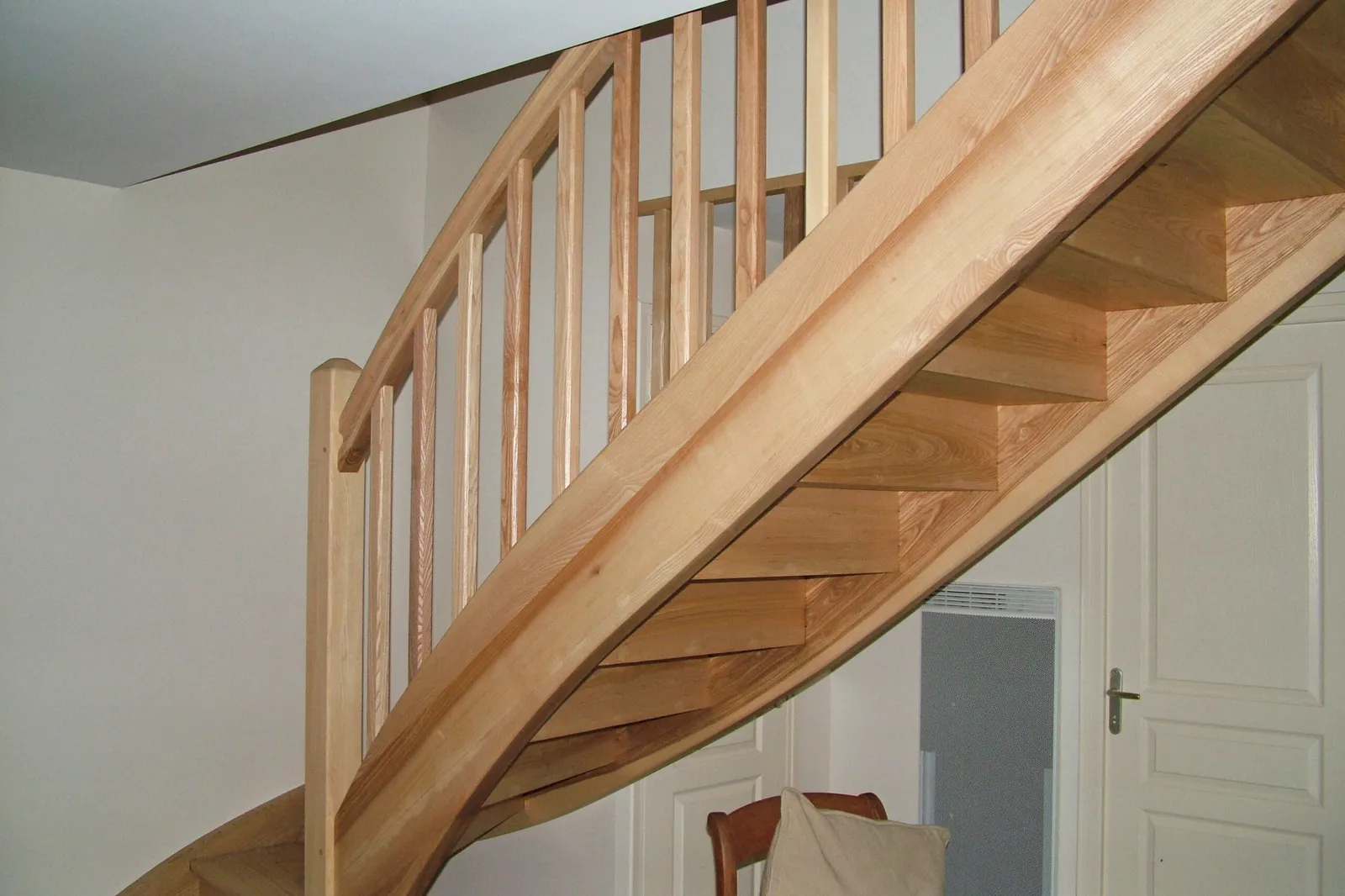
Wood is a heterogeneous material: every species behaves differently. Choosing species you know well is a natural reflex. You know exactly how to work with them to bring your project to a successful conclusion. Still, it pays to try a different option, for ecological, economic and creative reasons. Familiarity breeds preference, so we’re highlighting a species worth discovering: ash.
Wood is an ecological building material by nature: as they grow, trees absorb CO2, and that carbon remains stored in the wood after felling. Its climate impact is therefore already minimal, but ash has the added advantage of growing well here. This limits transport distances and further reduces its ecological footprint. Even so, this species could do with a helping hand.
Combating ash dieback
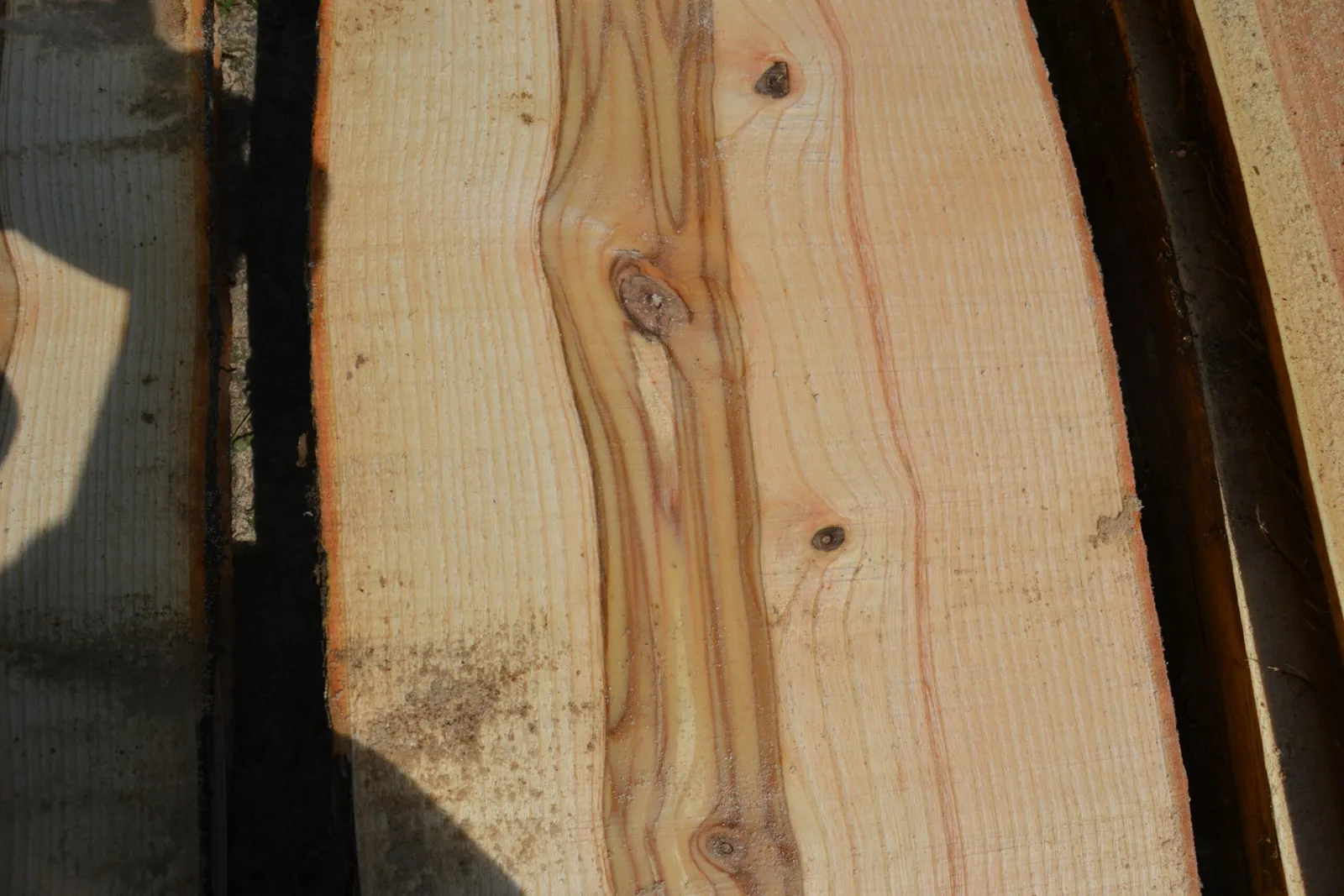
In Flanders, ash was long one of the more important hardwood species for timber production, until ash dieback struck. The disease is caused by an Asian fungus that has also been present here since the 1990s. Even so, the future of ash has yet to be decided. Certain genetic variants appear to be more resistant to the fungus, offering opportunities for forest management and local timber production. By working with ash, you give these trees economic value, which can encourage the conservation and planting of more resistant ash trees.
Drying with care
Because it can shrink considerably along its length, ash needs to be dried with care. Drying it too quickly, at too high a temperature or with too low a humidity increases the risk of the wood splitting, warping or cracking. However, distortions caused in this way can still disappear after the wood is reconditioned.
Versatile and characterful
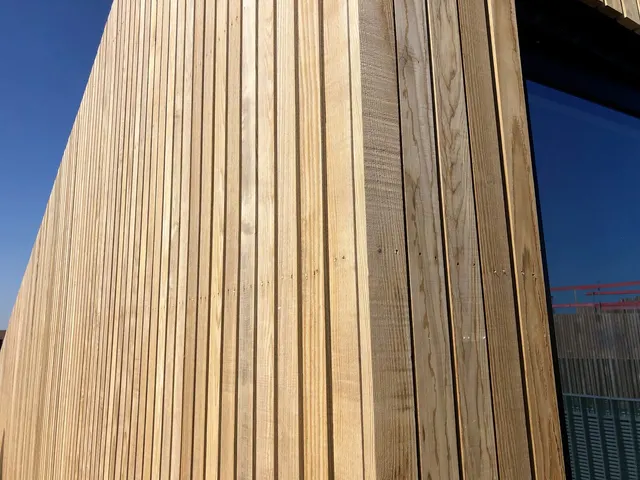
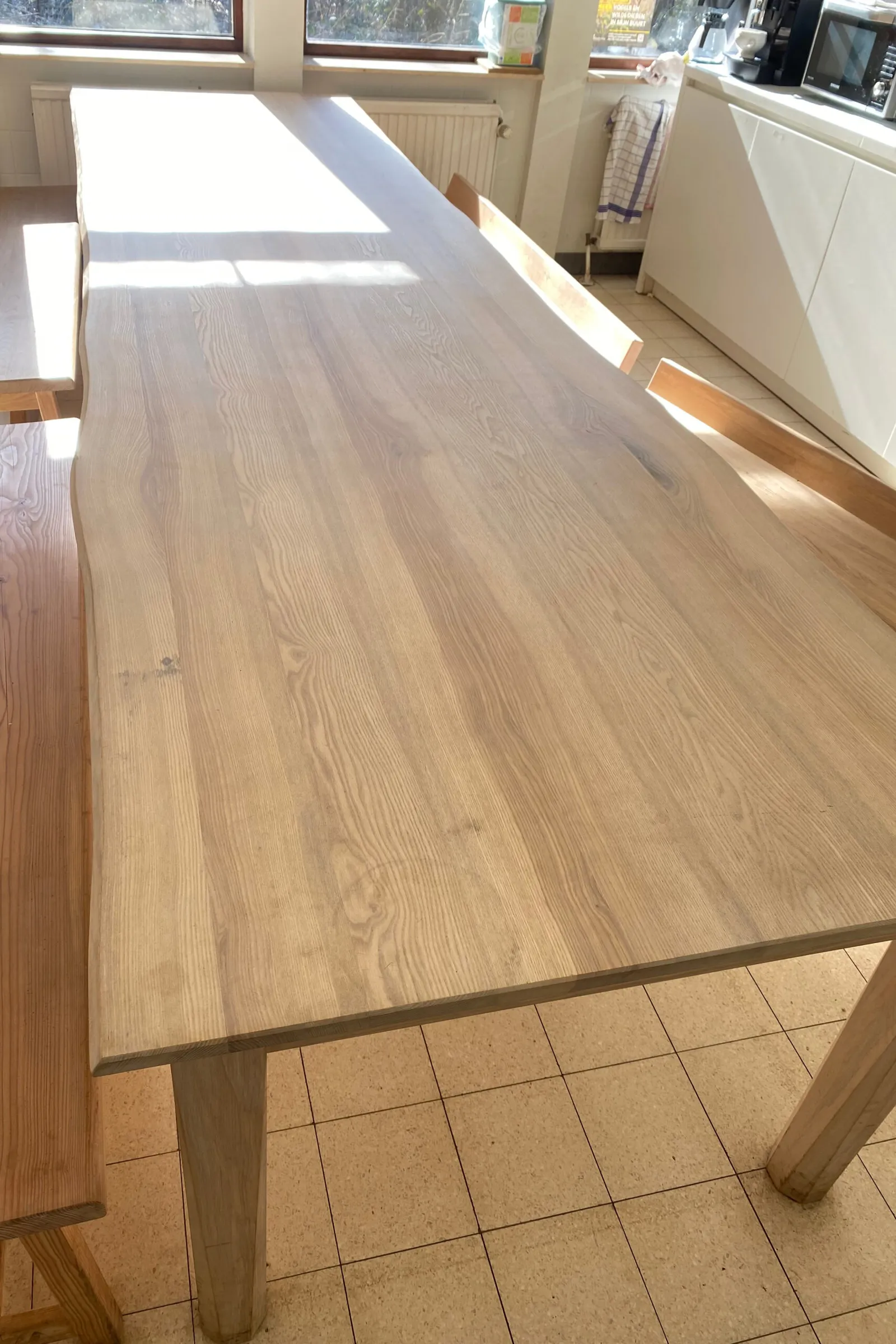
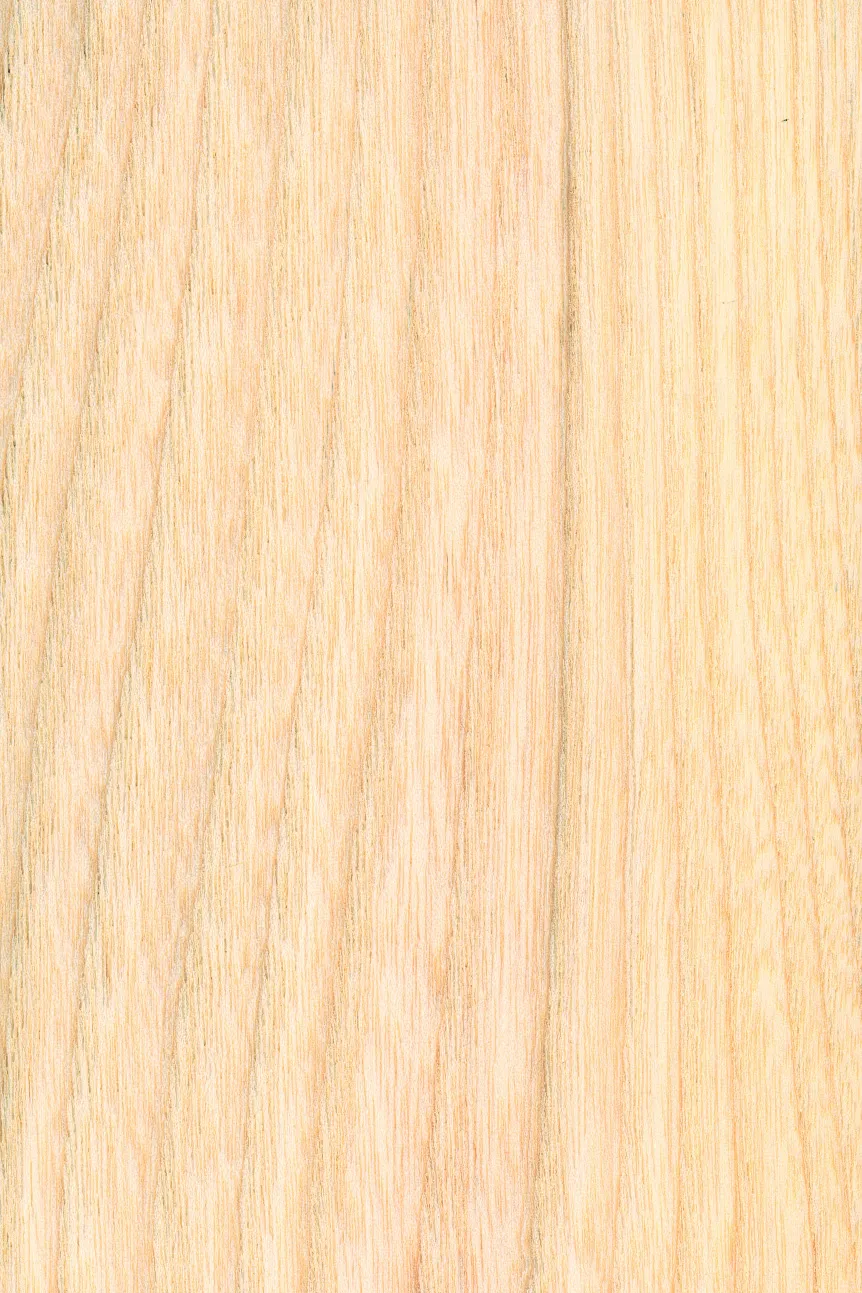
Ash is light in colour and has a distinctive grain. When freshly felled, the heartwood is pearly white with a pink or green tinge. After drying, it may turn more yellow or brown. Older trees with thick trunks often have dark brown to black heartwood. At an intermediate stage, the wood is strongly figured and has a dark green tinge. This ‘olive ash’ is particularly sought after for slicing veneer.
The growth rings are clearly visible: quarter-sawn ash shows fine stripes, while plain-sawn ash produces a striking flame figure.
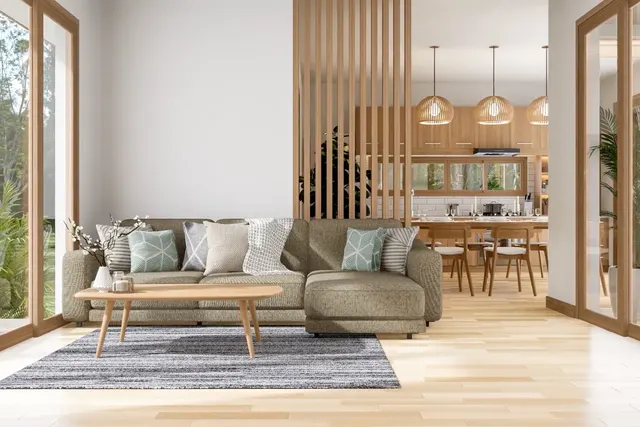
In its natural form, ash is mainly suitable for interior applications. It bends easily, making it particularly suitable for creatively designed interior projects. This property works well with the organic forms often seen in interiors today, with their many rounded, flowing lines. As well as furniture, it is well suited to veneer, wall panelling, stairs and parquet flooring.
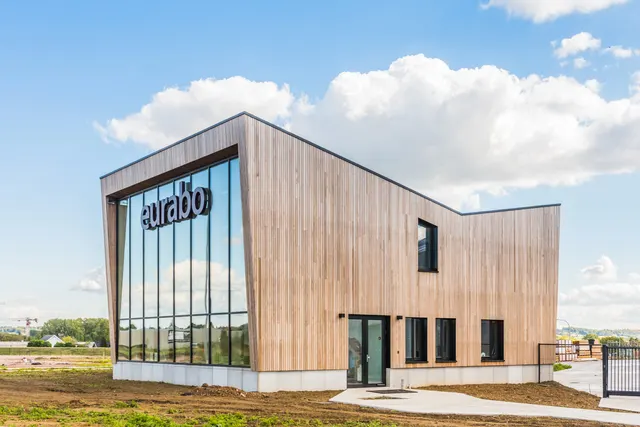
With a natural durability class of V, ash is not suitable for outdoor applications, but thermally modified ash offers a solution.
Ideal for bending
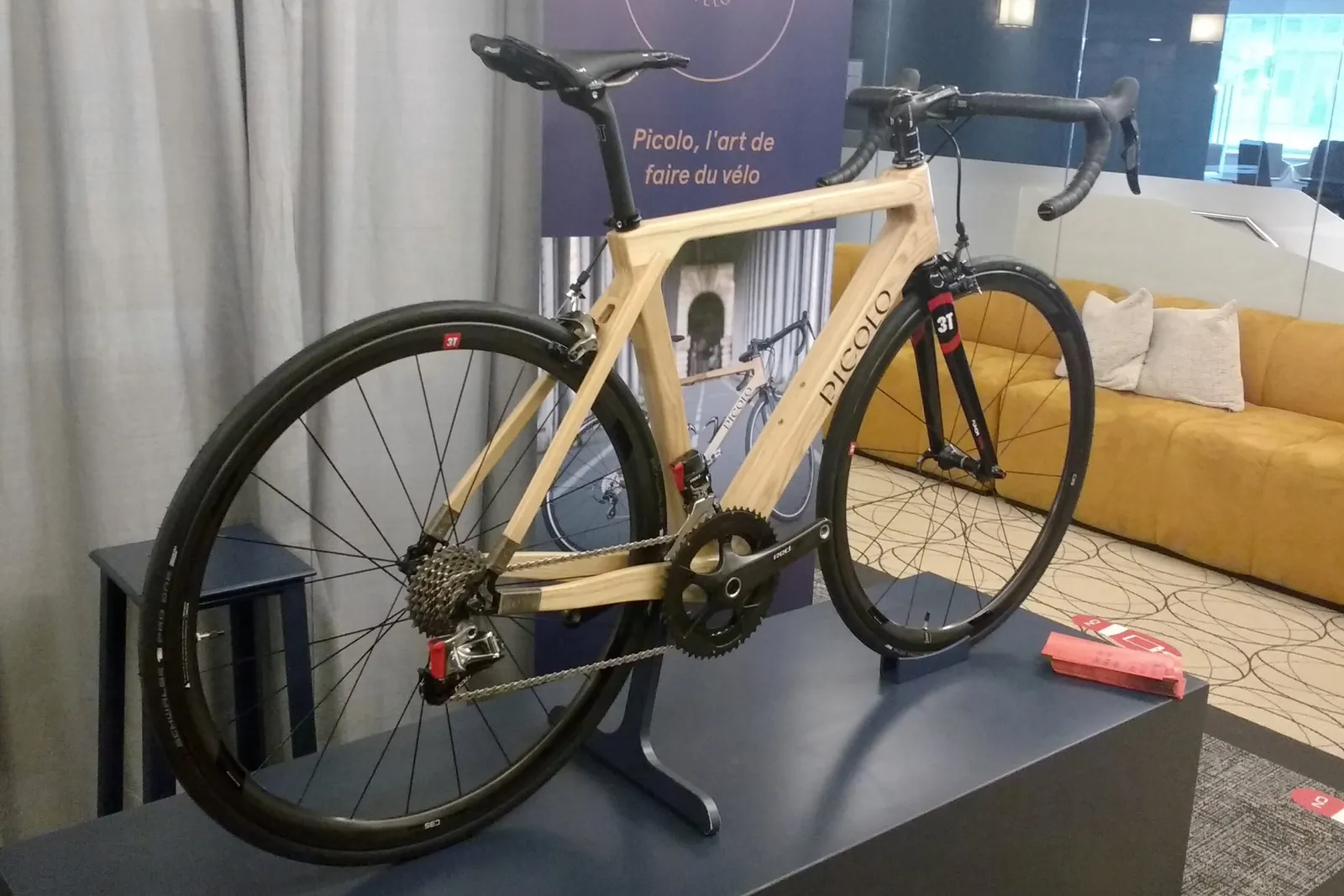
Ash is easy to saw and, after hydrothermal treatment, straightforward to slice. Thanks to its flexibility and often perfectly straight grain, free of knots and splits, it is one of the best species for bending. Steaming has little effect on its strength. That is why it was once widely used to make tennis rackets and skis. Today, it is even used to make bicycle frames.
It is also easy to glue. For veneer, it is best to use a high-viscosity adhesive to prevent it penetrating the thin layers. With hard ash, it is advisable to drill pilot holes before using nails or screws.
Ash sands, stains and varnishes well. To preserve its natural pale colour, it is best to use acrylic-PU varnish with a UV filter. Nitrocellulose and alkyd varnishes are less suitable.
If you have specific questions or challenges concerning this or another wood species, you can always contact Hout Info Bois.
Question about this story? Ask your question
Keep following this
Get an email when a new story is published. No account needed.
- ThemeSelecting timber and panel materials
- SubjectWoodworking