The edgebanding sector proves its innovative credentials
Text Marlies DecavelImage Robaco, Ostermann
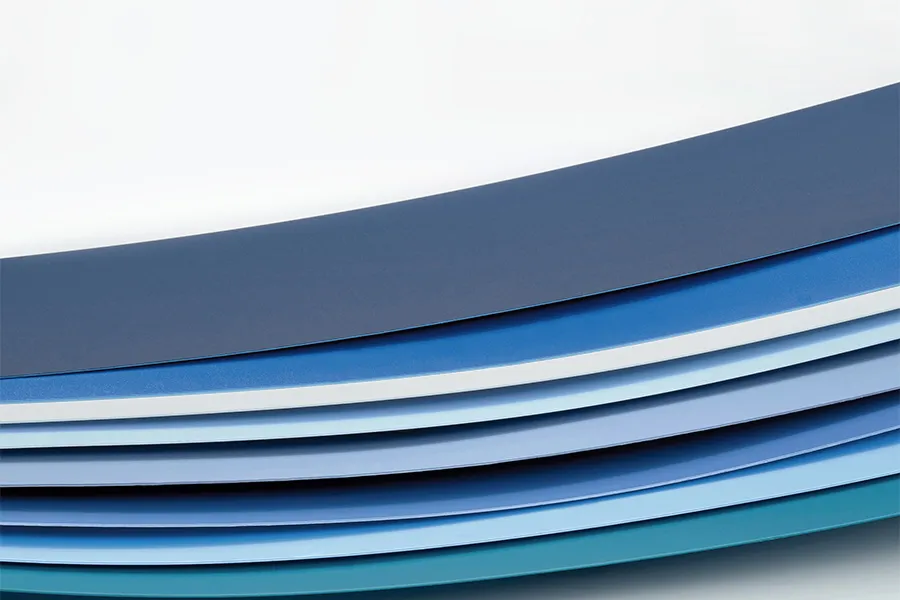
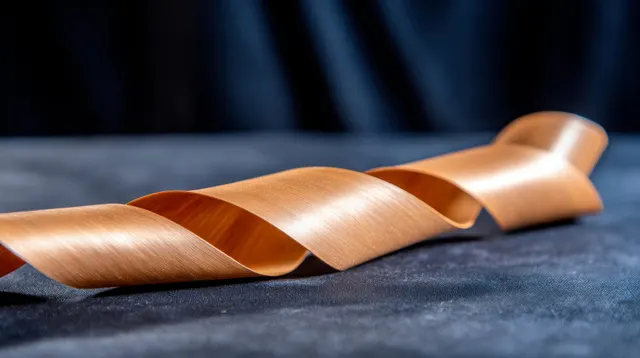
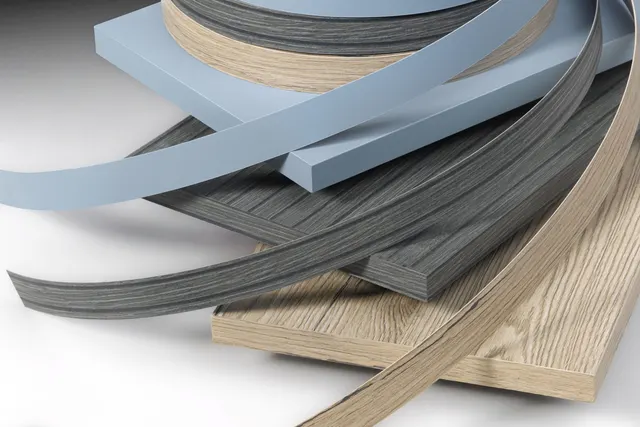
Edgebanding is essential to the furniture and interior design industries. Although the product has changed little in the past, we are seeing gradual shifts towards more sustainable and innovative applications. These include optimised decors, adhesive-free alternatives and continuous product development that responds to the ever-changing panel market. With sustainability and outstanding quality assurance taking centre stage, we look ahead to a future in which edgebanding plays a key role in creative interior and furniture design.
Innovative raw materials
Growing timber shortages, the current international and political climate, and increasing focus on the circular economy are making innovative raw materials ever more important. There is a growing preference for secondary materials made from waste and by-products, as well as new raw materials such as hemp, cork and coconut, and bio-based adhesives and binders. Panel suppliers are therefore proudly presenting countless new decors and textures that meet these requirements. Although edgebanding itself does not evolve quickly, developments in the panel industry and how they are combined with edgebanding naturally play a crucial role in determining trends and applications in the sector. However, becoming fully sustainable remains a major challenge for edgebanding manufacturers. Achieving a perfect colour match often requires the use of new raw materials, which makes recycling difficult. Even so, the sector is working hard on prototypes and innovative techniques to develop the highest-quality, most sustainable applications for edgebanding.
Seamless edgebanding
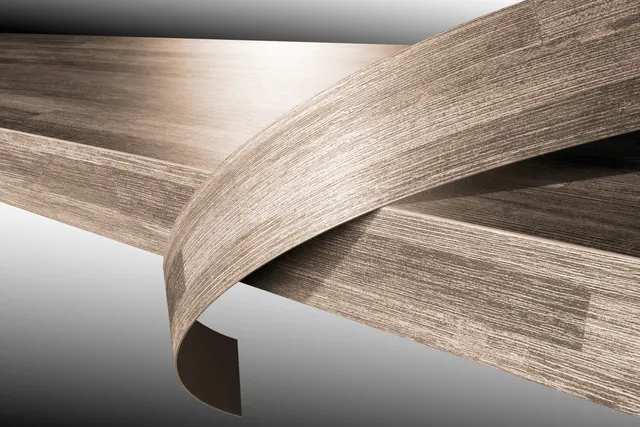
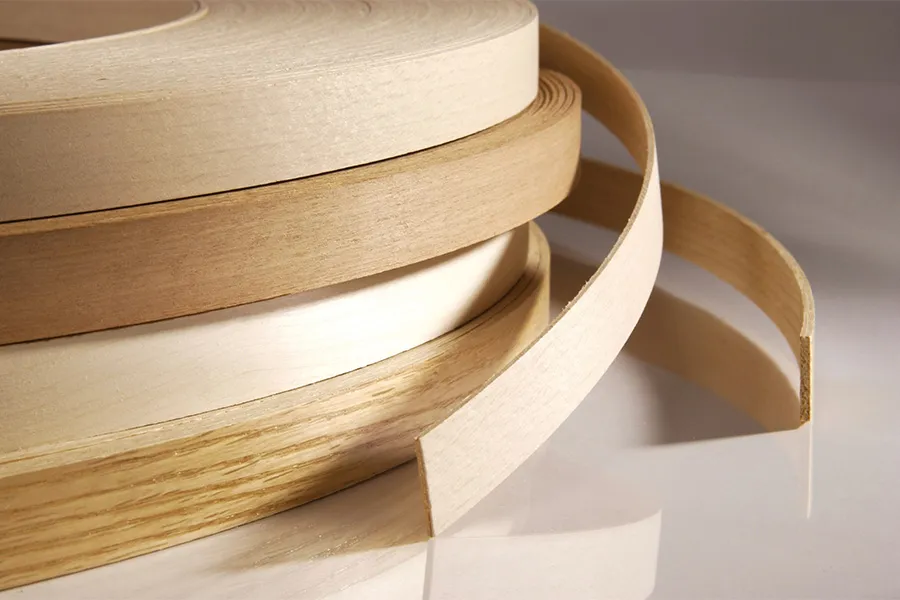
Adhesive-free edgebanding is also gaining ground. The aim is to create a seamless transition between the panel and the edgebanding. This results in an attractive finish, with as little visible difference as possible between the panel and the edgebanding. What is more, it not only gives a more attractive-looking joint,
but the seamless joint is also more resistant to water, dirt and temperature fluctuations. This improves durability.
We are also seeing interesting innovations in environmentally friendly adhesives and binders. These applications are made using substances that occur naturally in plant- and animal-based products. This means they protect nature and the environment, as well as workers. They also ensure optimum quality. All these valuable efforts by edgebanding manufacturers contribute to a greener economy. Belgian distributors therefore place great importance on promoting and raising awareness of these applications in the regional market and among suppliers.
On-trend finishes
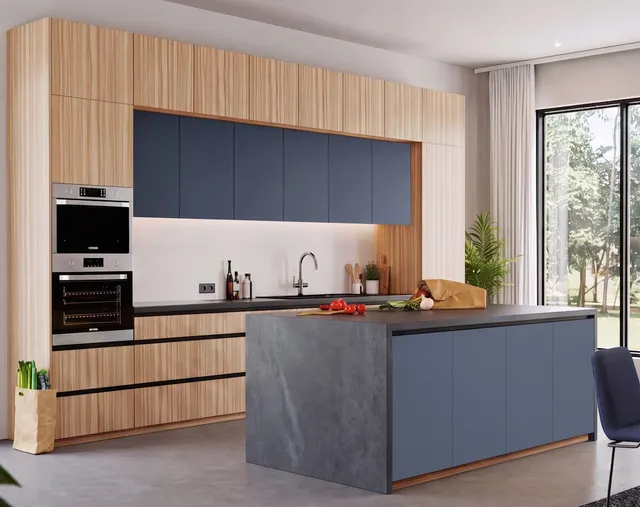
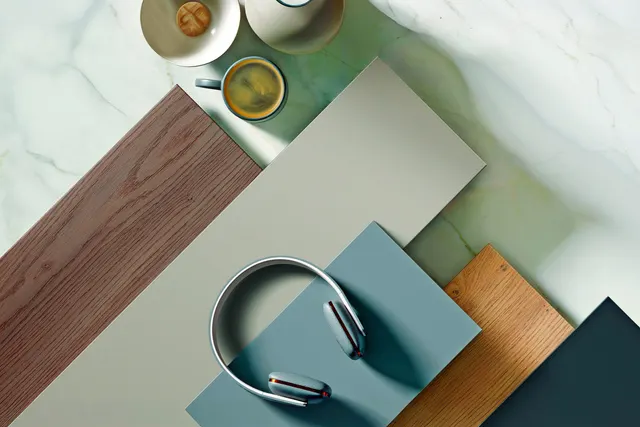
Another striking trend is the wide variety of colours and decors. Edgebanding is increasingly focused on soft colours, matt finishes and anti-fingerprint properties, while wood textures continue to perform well. From light to deep-grain effects, colour quality and texture must match perfectly to create the most harmonious look. By focusing on product development that responds to changing customer needs, the sector aims to reduce overproduction and create more sustainable, attractive interior and furniture concepts. This too is part of a sustainable vision.
Customer focus and efficient service
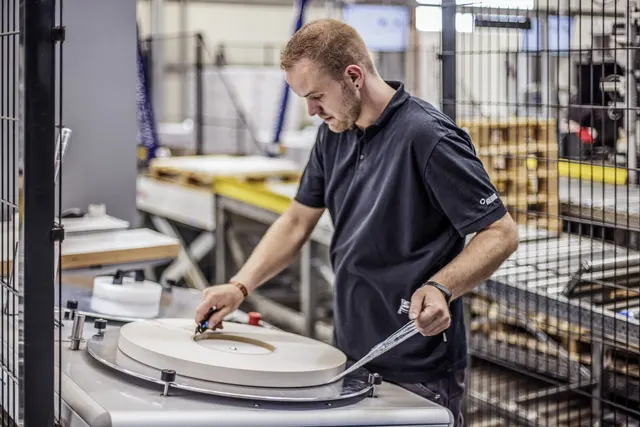
Alongside innovative products and practical applications in the sector, edgebanding specialists are also improving their services. These range from supplying edgebanding by the metre and offering ultra-short lead times to creating bespoke decors. Thanks to these improved processes, customers and suppliers can get the right type and quantity of edgebanding more quickly to bring their projects to life. This in turn means less waste, less pollution from unnecessary transport and more creativity for furniture makers and interior fit-out professionals. This latest achievement shows that even the traditionally minded edgebanding sector is taking steps towards innovation and climate-neutral business.
Question about this story? Ask your question
Keep following this
Get an email when a new story is published. No account needed.
- ThemeSustainable surface and edge finishing
- SubjectEdgebanding