











‘We’re not here to give it a try. We’re here to stay’
Text Kris VandekerckhoveImage Pierret
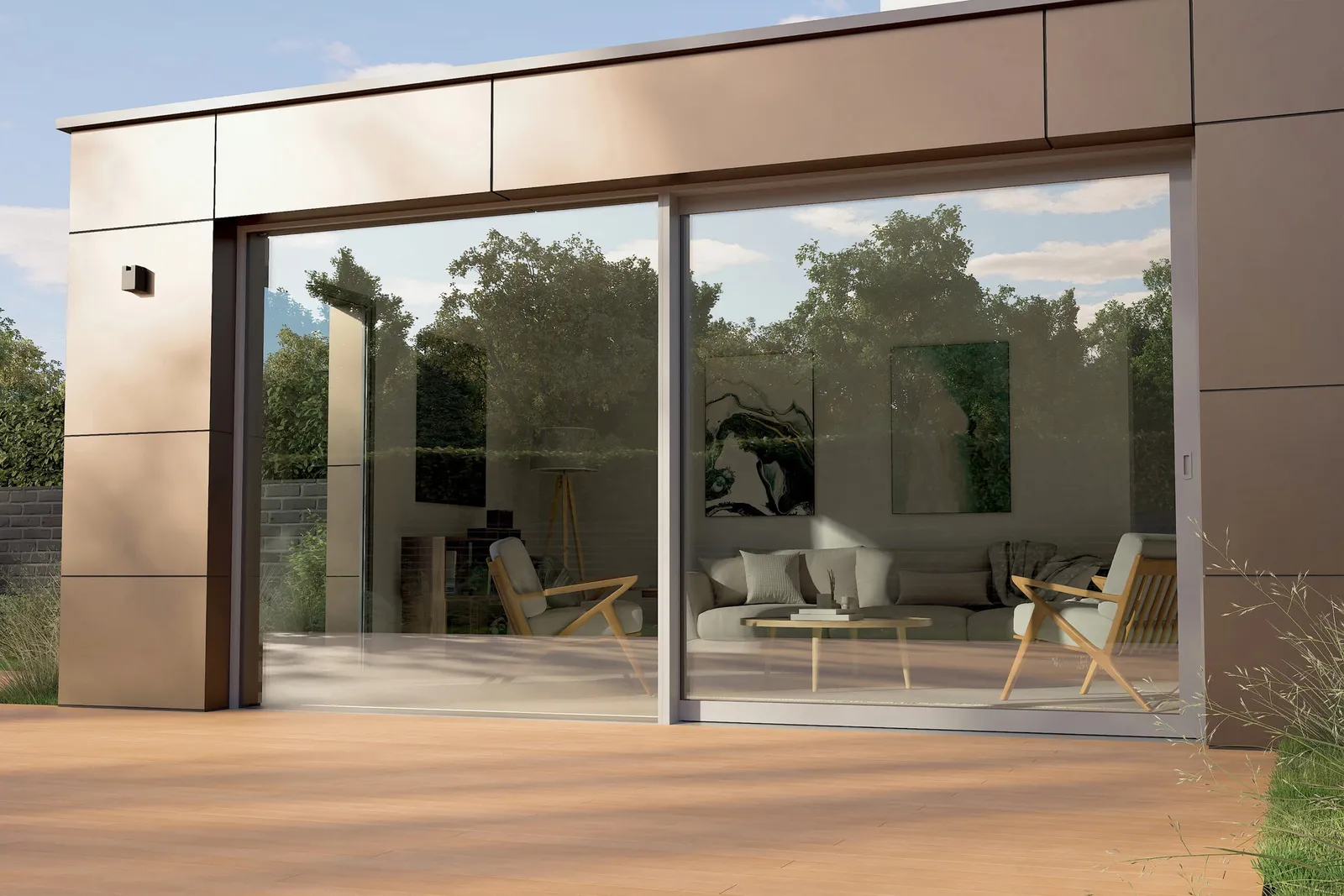
A new 25,000-square-metre PVC factory, built alongside the existing production site, and an investment of more than €100 million make the company’s ambitions clear. But talk to Pierret and it soon becomes clear that, for this Belgian family business, growth is about more than floor space and production capacity. In Flanders, it also wants to build a stronger partner network and develop Pierret Project, which focuses on larger and more complex projects. Without losing its identity in the process. “We’re not here because we want to give it a try,” says director and commercial director Arnaud Pierret. “We’re here because we want to stay.”
The new factory is therefore not an investment designed to capitalise on a temporary upturn in the market. The decision is part of a much longer industrial journey. Capacity for aluminium and timber had already been significantly expanded; PVC was the next step. Here too, Pierret is opting for controlled growth through to 2035. “Of course, we have a long-term strategy,” says Pierret. “We don’t want to double in two years. We need to grow sustainably, together with our partners.”
A partner, not a number
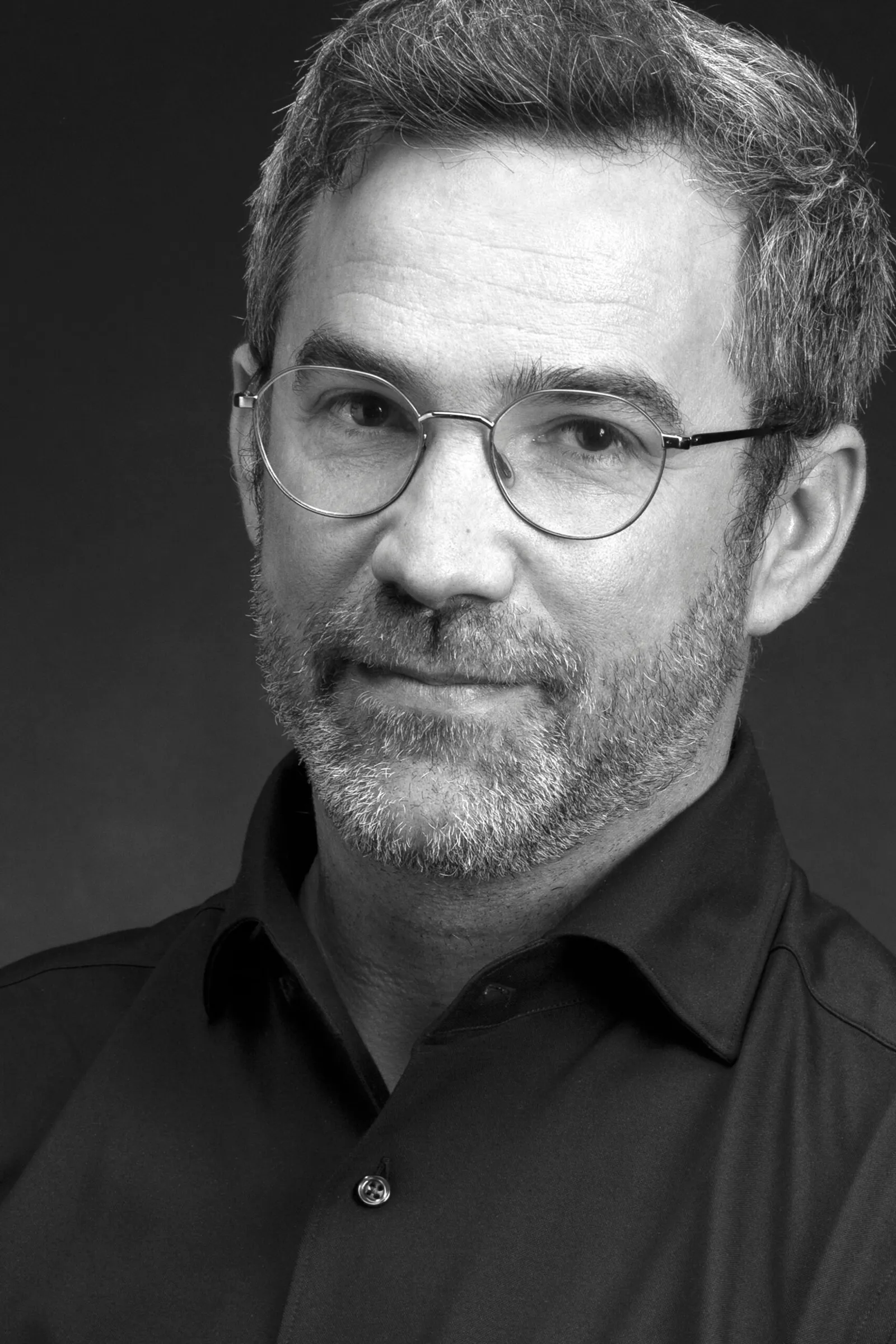
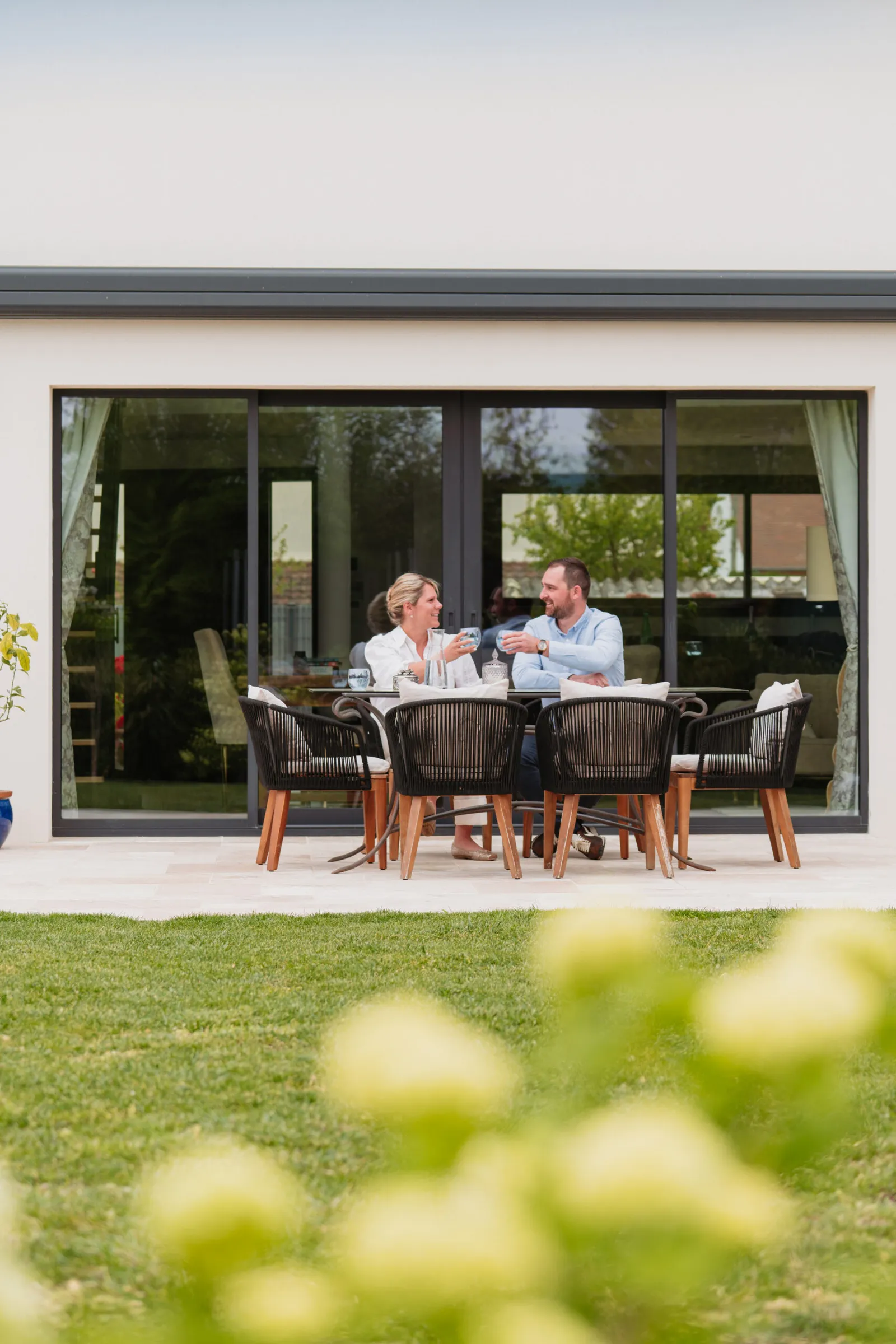
The word ‘partners’ comes up remarkably often. B2B account manager Karel Vaes uses it deliberately, rather than constantly talking about customers or distributors. In his view, the difference lies above all in the relationship. Pierret does not want to be represented ‘on every street corner’. Partners are given their own region, which is protected. Those who want to grow receive support; those who are happy with their current size are not expected to expand at all costs.
“A partner is not a number to us,” says Vaes. “We want to look to the future together.” That means more than just sales. Partners are involved in product improvements and marketing, have a dedicated contact person and can rely on Pierret for technical, commercial and practical support. New partners receive training in products, software and installation. When fitting out a showroom, the marketing team can even work with them on site to develop the concept.
The selection process is also a considered one. A potential partner must share the company’s values and be able to work collaboratively, not only with Pierret but also with other partners. Customer satisfaction, respect for one another’s regions and what Vaes calls the ‘Ardennes mentality’, working hard but in a good atmosphere, all carry weight.
No franchise model
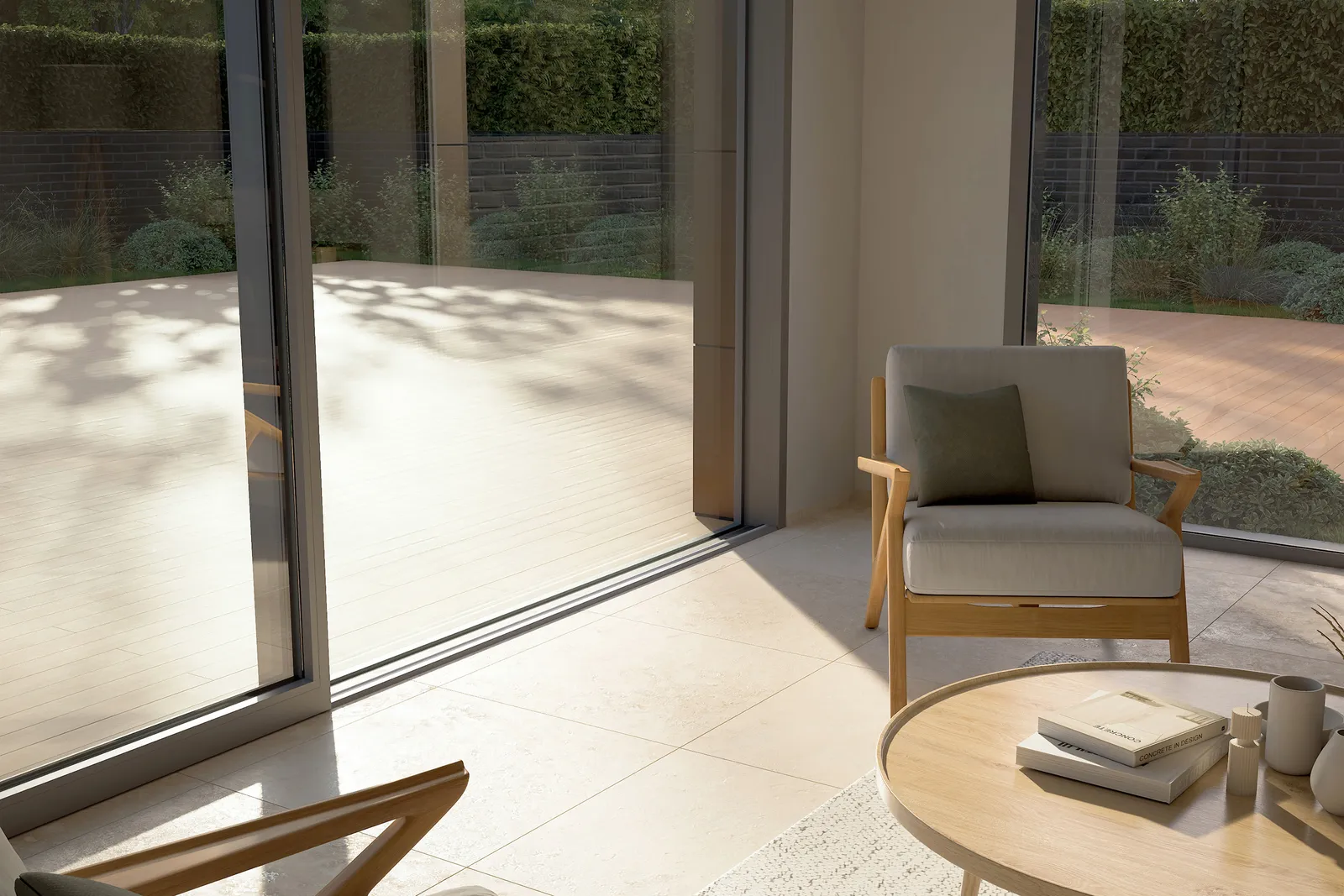
Arnaud Pierret takes this idea a step further. Above all, a partner must be able to build their own business. Pierret does not want the local company name to gradually disappear behind that of the manufacturer. On the contrary, the name recognition and value of the partner’s business should grow too. This becomes particularly important when an entrepreneur wants to hand over their business later on. “A partner’s real value lies in their business and their name,” says Pierret. “That’s why we also work to raise the partner’s profile. We absolutely do not want to become a franchise.”
At the same time, Pierret is investing heavily in raising its own profile in Flanders. Its visibility around the FIFA World Cup was one striking example, alongside cycling sponsorship, radio and other campaigns. Technological developments should ultimately strengthen the network too. Vaes cites AI as an example of expertise that a larger organisation can develop centrally and then pass on to its partners.
New factory creates room to grow
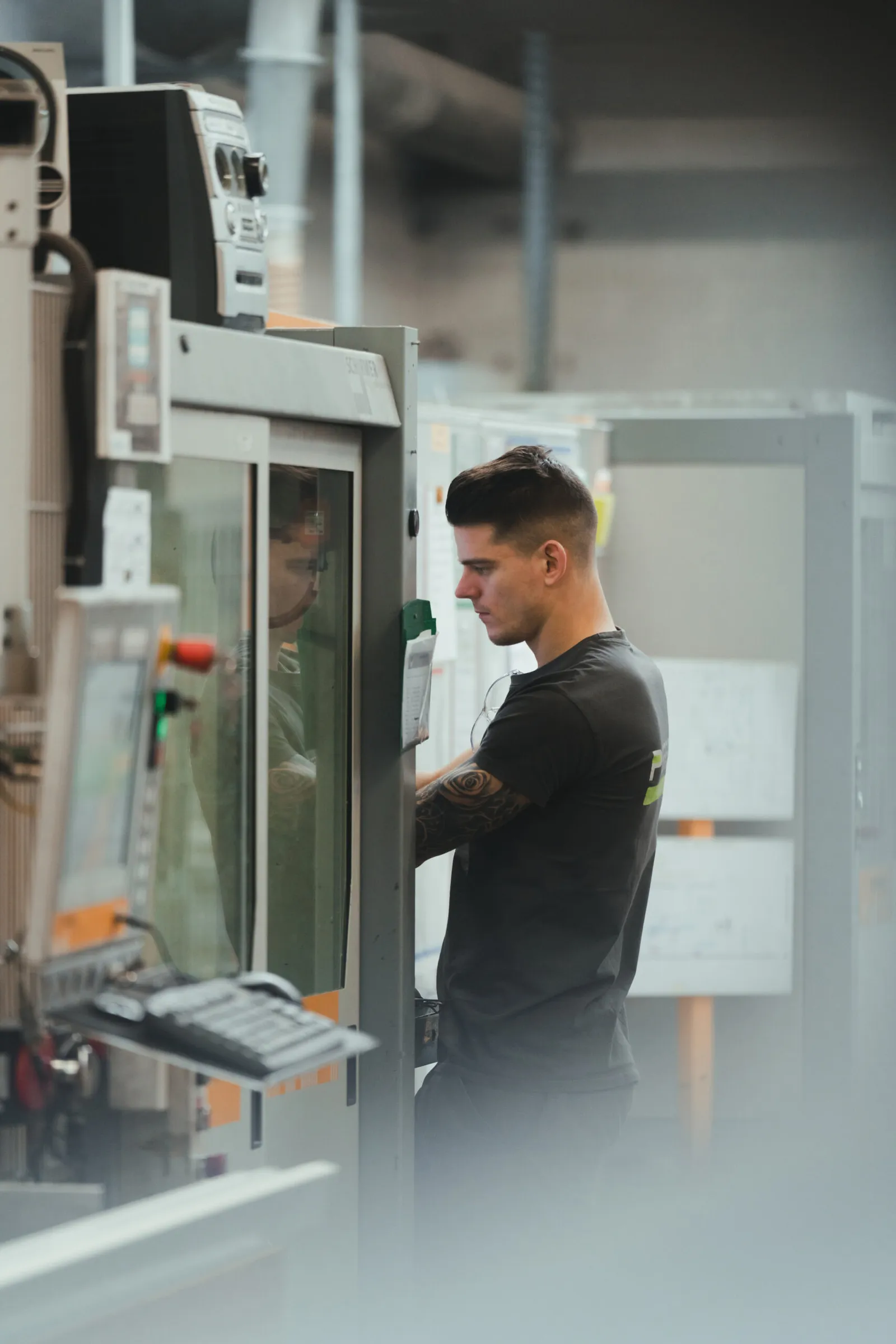
That network must, of course, be able to rely on production capacity that can keep pace. This is where the new factory in Transinne comes in. Around 80 per cent of the machinery in the production hall is new. The extra capacity was needed because the previous site was reaching its limits. Transinne now gives Pierret room to grow again. If required, a further production line can even be added later.
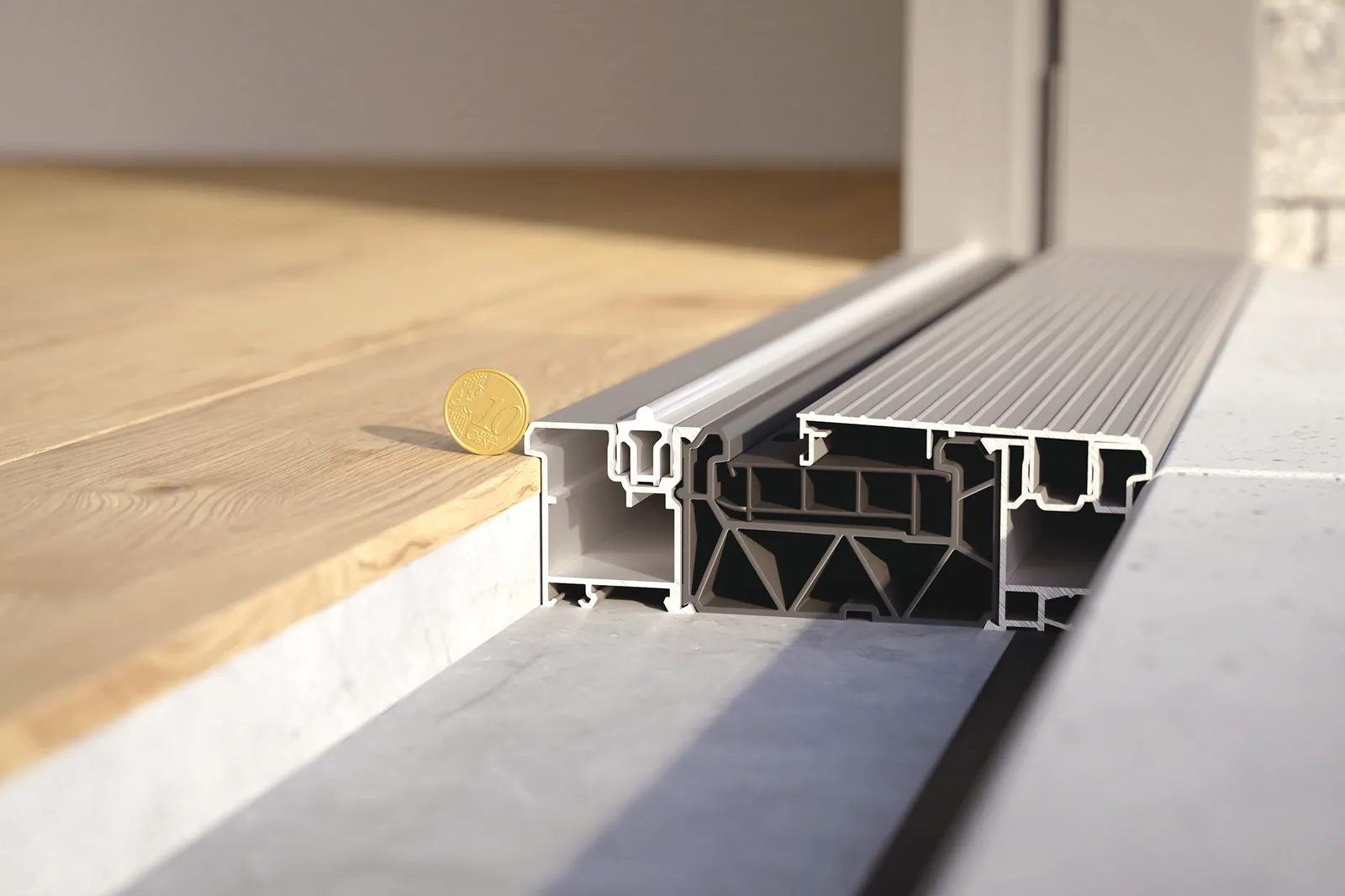
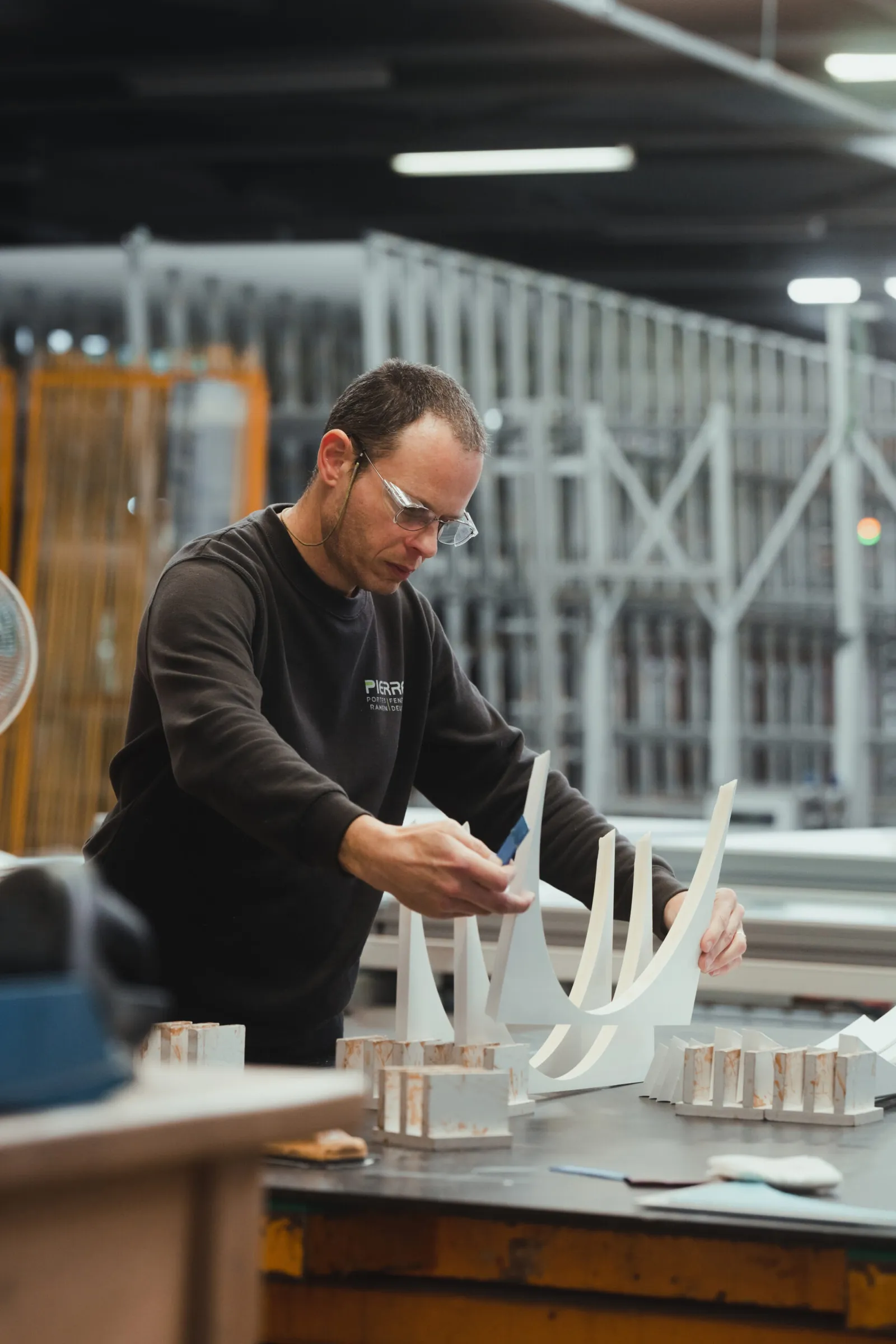
But the investment is not just about volumes. New eight-head welding machines, for example, produce an almost invisible corner weld on PVC windows. At the same time, extensive automation reduces the physical strain on operators. Windows need to be carried by hand far less often: conveyor belts and other systems take over most of that work.
This focus on ergonomics is part of a broader vision. In a region where Pierret cannot necessarily compete on the highest wages, other factors need to make the difference. Respect for employees, good working conditions and a modern workplace are all part of that, according to Arnaud Pierret.
A second growth track
Alongside its partner network, Pierret is developing a second strand in Flanders: Pierret Project. Chris Augustinas, Technical and Commercial Manager Flanders, is quick to point out an important distinction. The traditional model operates through partners who mainly work directly with private end customers. Pierret Project focuses on the professional market and takes on larger construction projects.
The business is divided into several segments: general contracting, turnkey projects, public buildings, and a fourth area covering small and medium-sized projects. Behind it is a structure with its own technical design office, drawing office and project management team. At peak times, Pierret Project works with 120 to 180 installers a day on site.
That scale makes it clear why Pierret Project is not intended to compete with local partners. The project organisation mainly comes into play for larger contracts and when scale or complexity calls for a specific approach. “All the know-how involved in making a window is at Pierret,” says Augustinas. “Pierret Project has the expertise to deliver a project on site.”
The more challenging, the more interesting
Complexity does not put the team off. Quite the opposite. Projects combining PVC, aluminium, timber or timber-aluminium, with unusual junctions or extensive technical coordination, are precisely the jobs where Pierret Project wants to demonstrate its added value.
“The more challenging it gets, the more interesting it is for us,” says Augustinas. “That’s where our added value lies.” Nor does this expertise have to be built from scratch. Pierret Project draws on years of experience on major projects in Wallonia and Luxembourg, and is now applying that knowledge in Flanders.
Arnaud Pierret has a clear ambition in this area. In the long term, he says he would be satisfied if Pierret Project achieved a turnover of around €20 million in Flanders. But here too, the emphasis is on the long game. The next step will only be taken once the organisation is ready to support that growth in terms of quality too. “Step by step,” he stresses.
The cement between the bricks
Perhaps that is the common thread running through the whole story. The factories are getting bigger. The partner network is growing. Flanders is becoming more important. Pierret Project is taking shape. But the family business wants to prevent greater scale from automatically creating greater distance. Over the years, Arnaud and Daphnée Pierret have learnt about virtually every part of the business themselves. Many of the people now in positions of responsibility have grown with the company. And although the workforce now stands at around 600, the family tries to stay close to its employees.
Arnaud gives an apparently small example. The formal French vous is not used within the company. Everyone addresses one another as tu. “If someone says vous to me, I say: stop, say tu.” He admits that he no longer knows everyone’s name. But he knows their faces, and usually where they work too. “Our values are the cement between the bricks,” he adds. Convivialité, or a friendly, convivial atmosphere, is very much part of that culture too. “We want to do things well,” he says, “but in a great atmosphere.”
There is plenty of machinery, then, and plenty of ambition too. But ultimately, this is a family business looking to grow in Flanders without forgetting along the way who it wants to achieve that growth with.
Een zakelijke vraag aan PIERRET sa? Get in touch
Companies in this story
Keep following this
Get an email when a new story is published. No account needed.
- SubjectGeneral
- CompanyPIERRET sa







