











How sustainable are wood products today, really?
Text Wendy ThijsImage EGGER
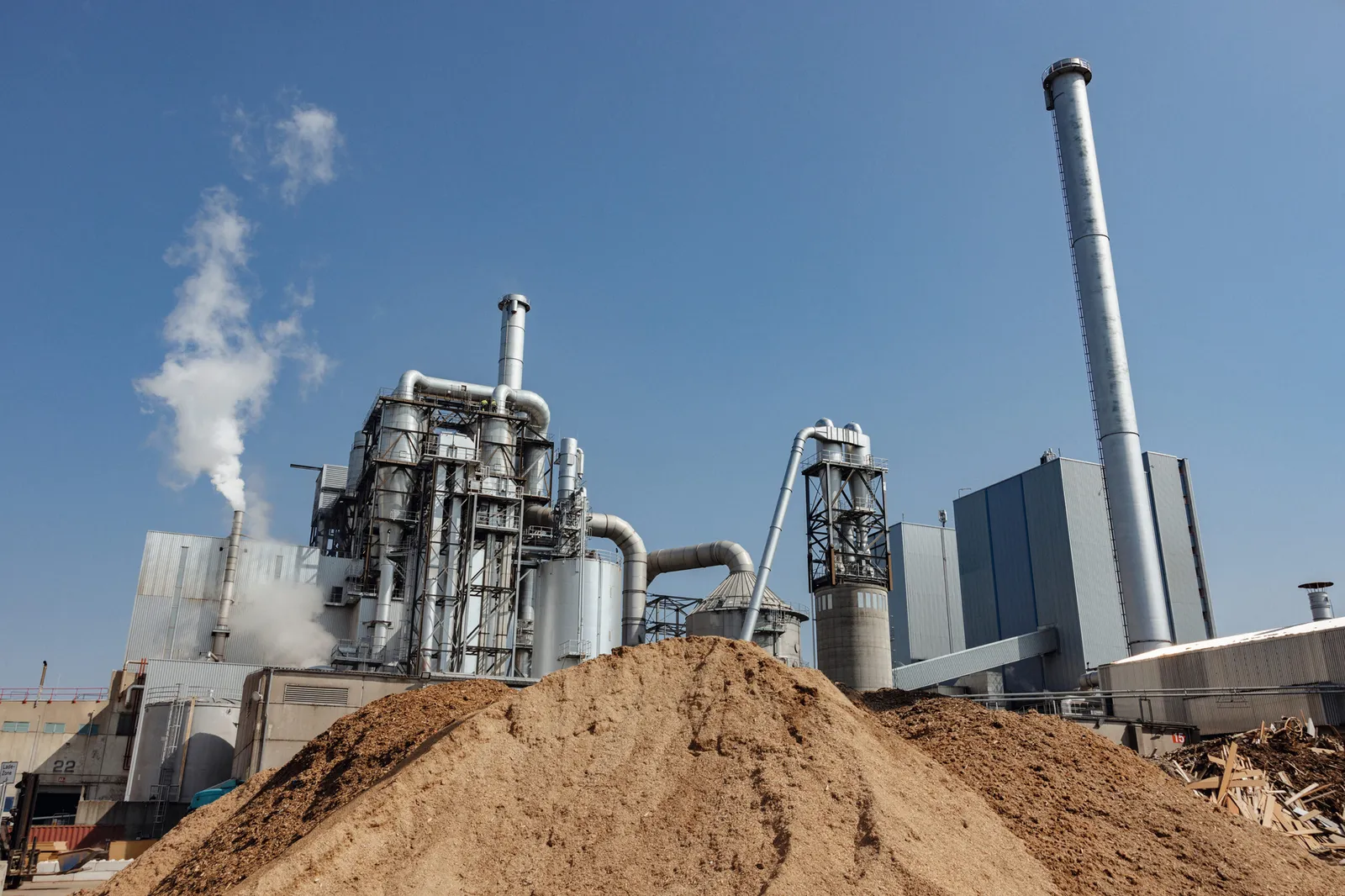
It is becoming increasingly important to know exactly how sustainable the materials you work with are. That may matter to you personally, or because clients or architects expect clear answers or evidence. Either way, you can only get a clear picture of the environmental impact if your supplier is open about it. And that matters greatly to EGGER.
EGGER is one of Europe’s largest manufacturers of wood-based panels, construction elements and flooring. With wood as its main raw material, the company already has an advantage when it comes to sustainability, but it is not quite that simple. Guided by the United Nations Sustainable Development Goals (SDGs), the company has developed a strategy to reduce its environmental impact at every stage of the value chain. The manufacturer aims to achieve net-zero greenhouse gas emissions by 2050.
Sustainable forestry
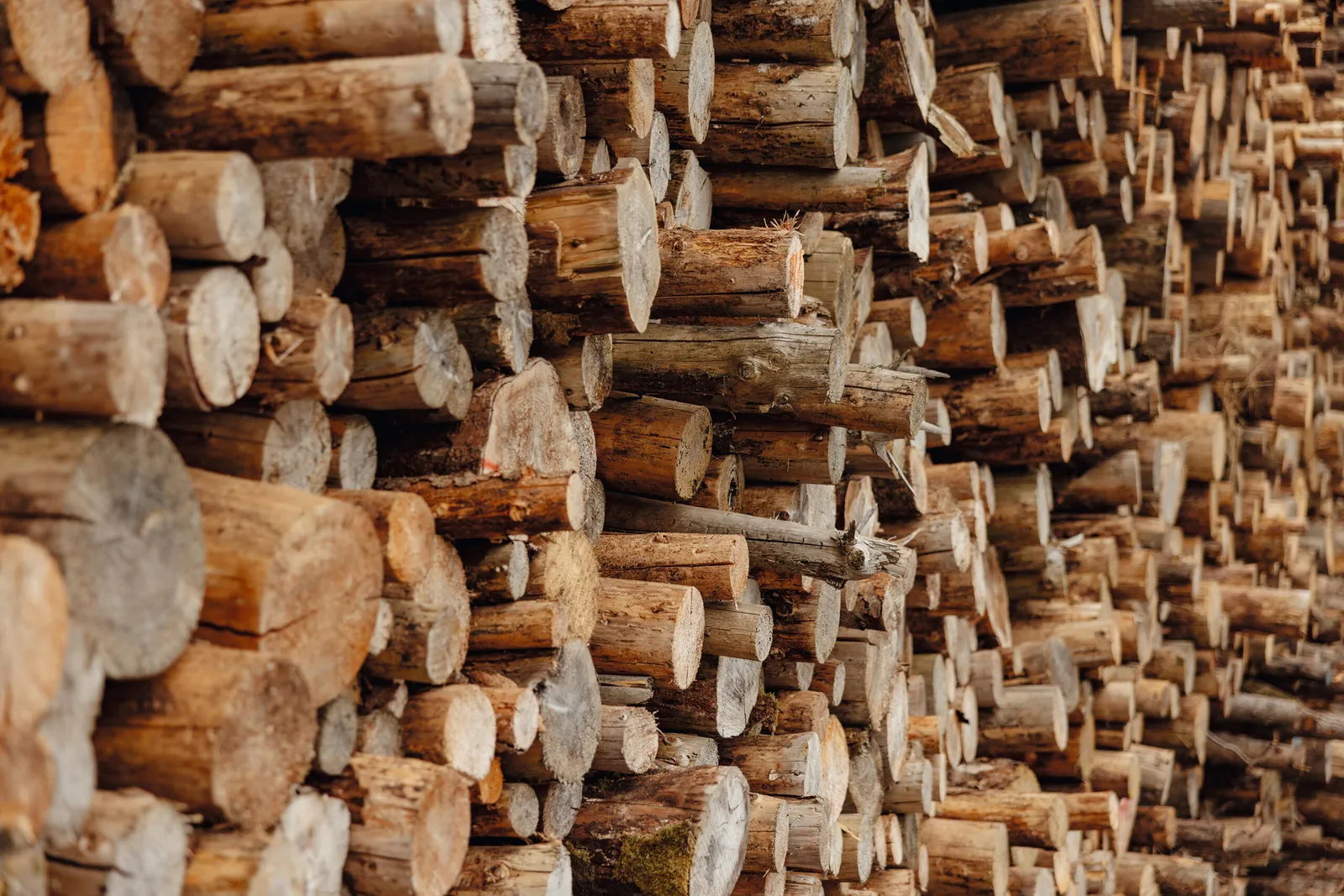
Wood is only a sustainable raw material if it comes from sustainably managed forests. The timber supply chain is complex and often lacks transparency, but EGGER is committed to mapping it. The company uses the ISO 38200 standard to make the origin of its timber traceable and limit risks in the supply chain.
Today, 100 per cent of its timber is sourced from verified legal sources. EGGER also deliberately opts for local sourcing: 73 per cent of the timber is purchased in the immediate vicinity of its production sites. This helps keep transport emissions down.
The company makes the most of every log. High-quality sections are processed into solid wood, while offcuts are turned into panels. Only material that can no longer be used is burned to generate energy. One example of this cascading principle can be found in the production of flooring: 95 per cent of the wood used comes from sawmill offcuts from nearby sawmills.
Circular use of wood
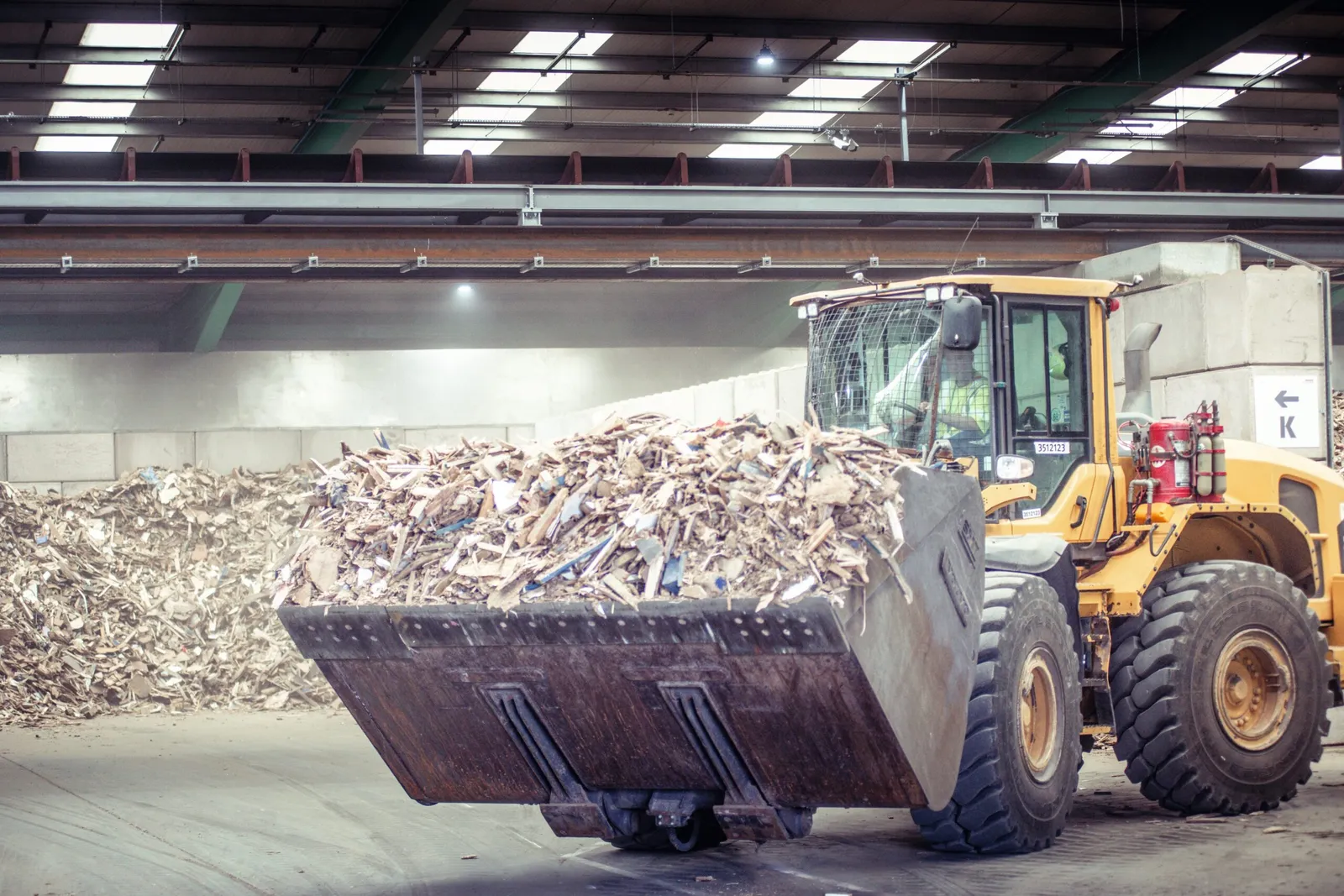
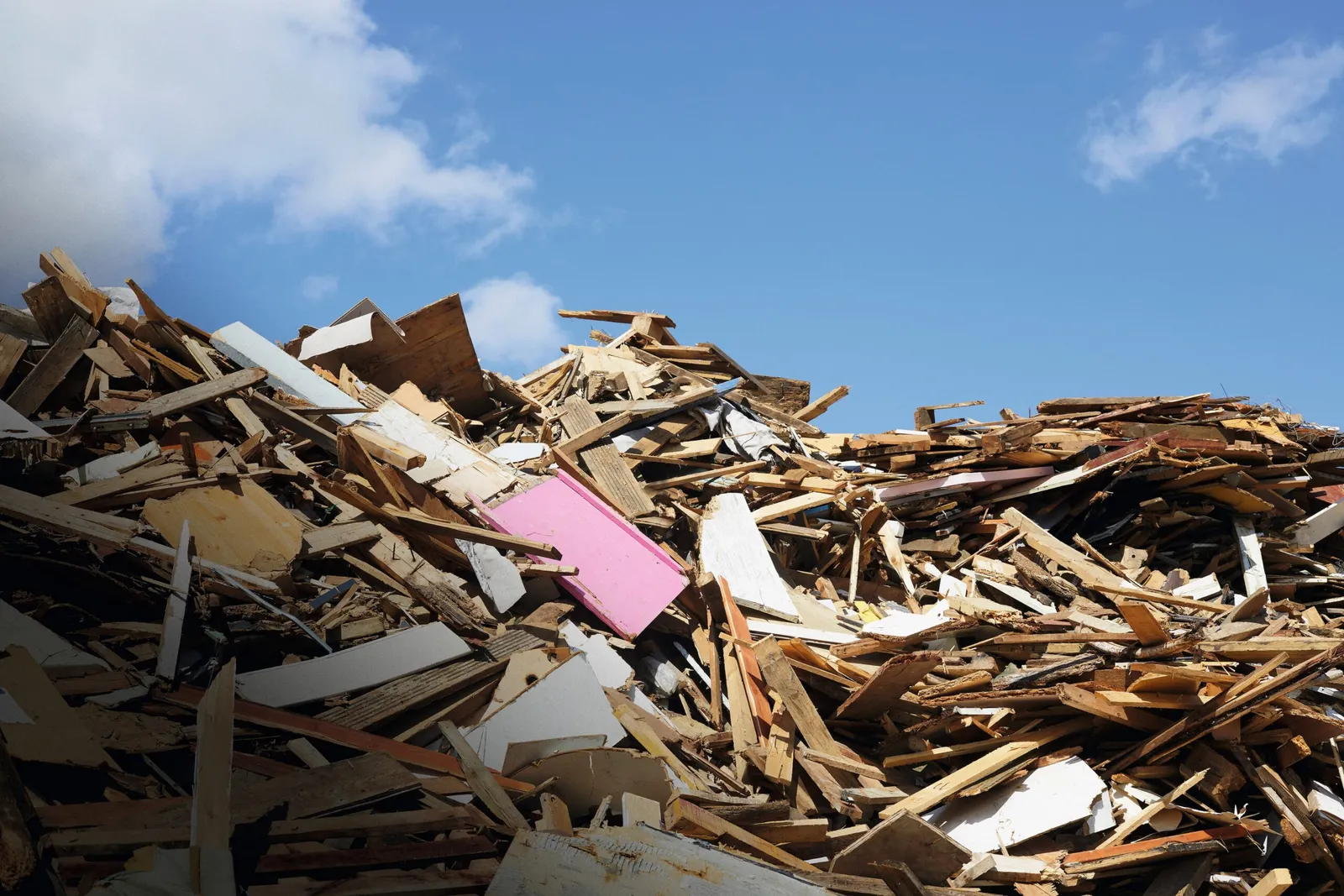
Even sustainable products do not last for ever. That is why EGGER has set up Timberpak collection sites in several countries to bring wood back into the loop. At Timberpak in Leeds (UK), 150,000 tonnes of material are sorted and pre-shredded every year, ready to be processed into new wood products.
Eurodekor chipboard is a good example of this kind of circular use of materials: 76 per cent of it is made from sawmill offcuts or recycled wood. The board itself can also be recycled.
Bio-based binders
Wood products need binders to hold the wood particles together. Traditionally, these are derived from fossil resources, but bio-based alternatives are already being developed. Unfortunately, producing them requires a lot of energy, meaning their carbon footprint is often higher than that of conventional adhesives. EGGER is taking a step in the right direction with mass-balanced binders made from biological waste.
Greener production
EGGER currently obtains 69 per cent of the energy it needs for production from renewable sources. Much of it comes from burning wood residues that are unsuitable for manufacturing new wood products. The company will increase this share in the coming years while also investing in more energy-efficient production. It is also taking steps to use resources such as water more efficiently and further reduce transport emissions.
Sustainability in black and white
An EPD, or environmental product declaration, is a useful document when you need to demonstrate exactly how sustainable a product is. EGGER already has one for 85 per cent of its products, setting out their full environmental impact over the entire life cycle. CO2 emissions, energy and water consumption: everything is taken into account. This means you can make an informed choice with confidence.
Question about this story? Ask your question
Keep following this
Get an email when a new story is published. No account needed.
- SubjectGeneral







