











Fewer pupils choosing wood-related courses
Text Wendy ThijsImage VITO Hoogstraten
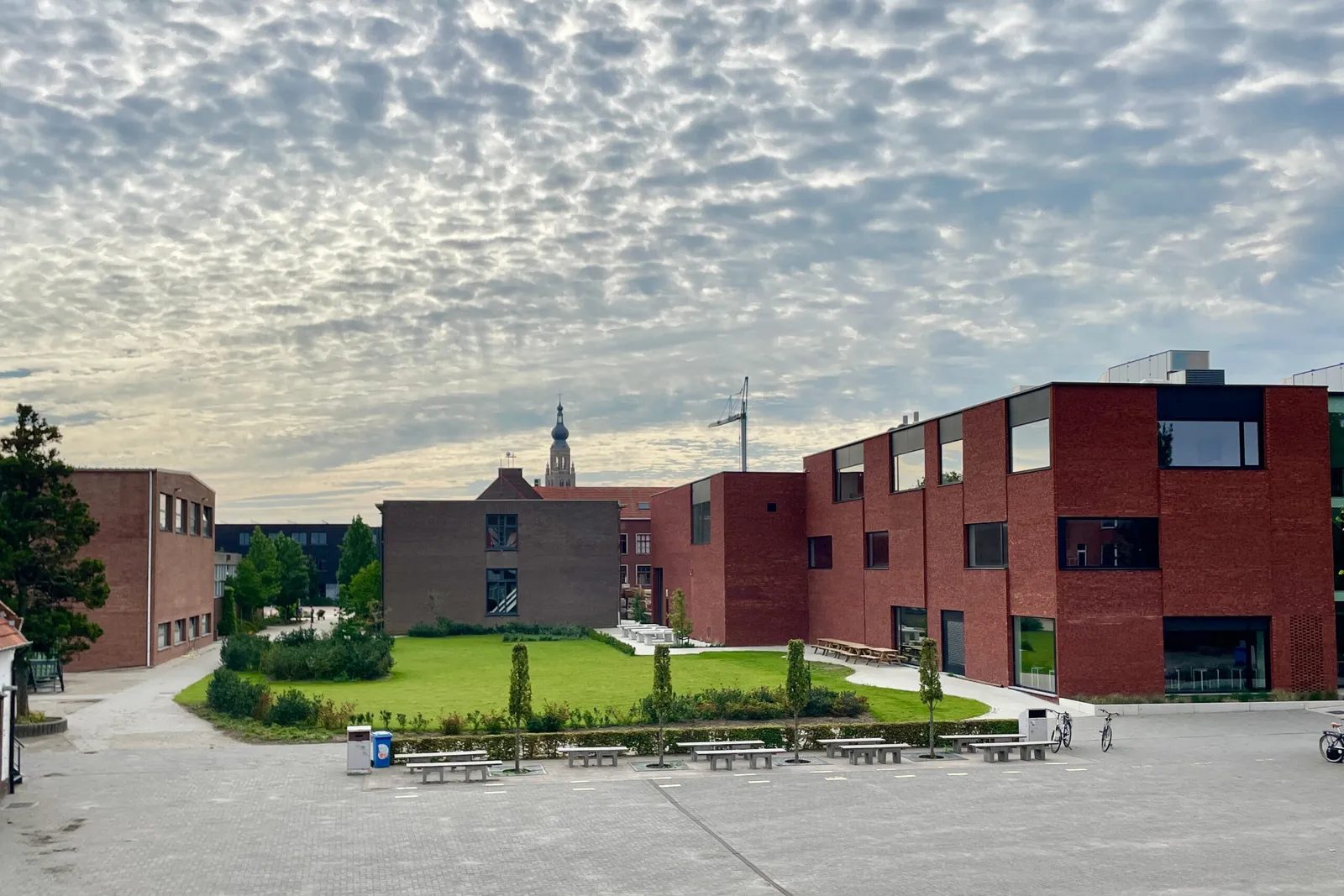
The number of pupils choosing a wood-related course is falling. That is bad news for a sector that has been struggling with a shortage of skilled workers for years. Gert Goeschalckx, technical adviser for wood at VITO Hoogstraten, has seen pupil numbers fall from 210 in 2011 to 130 today. Although the exact causes remain unclear, he points to several problem areas and possible solutions to turn things around.
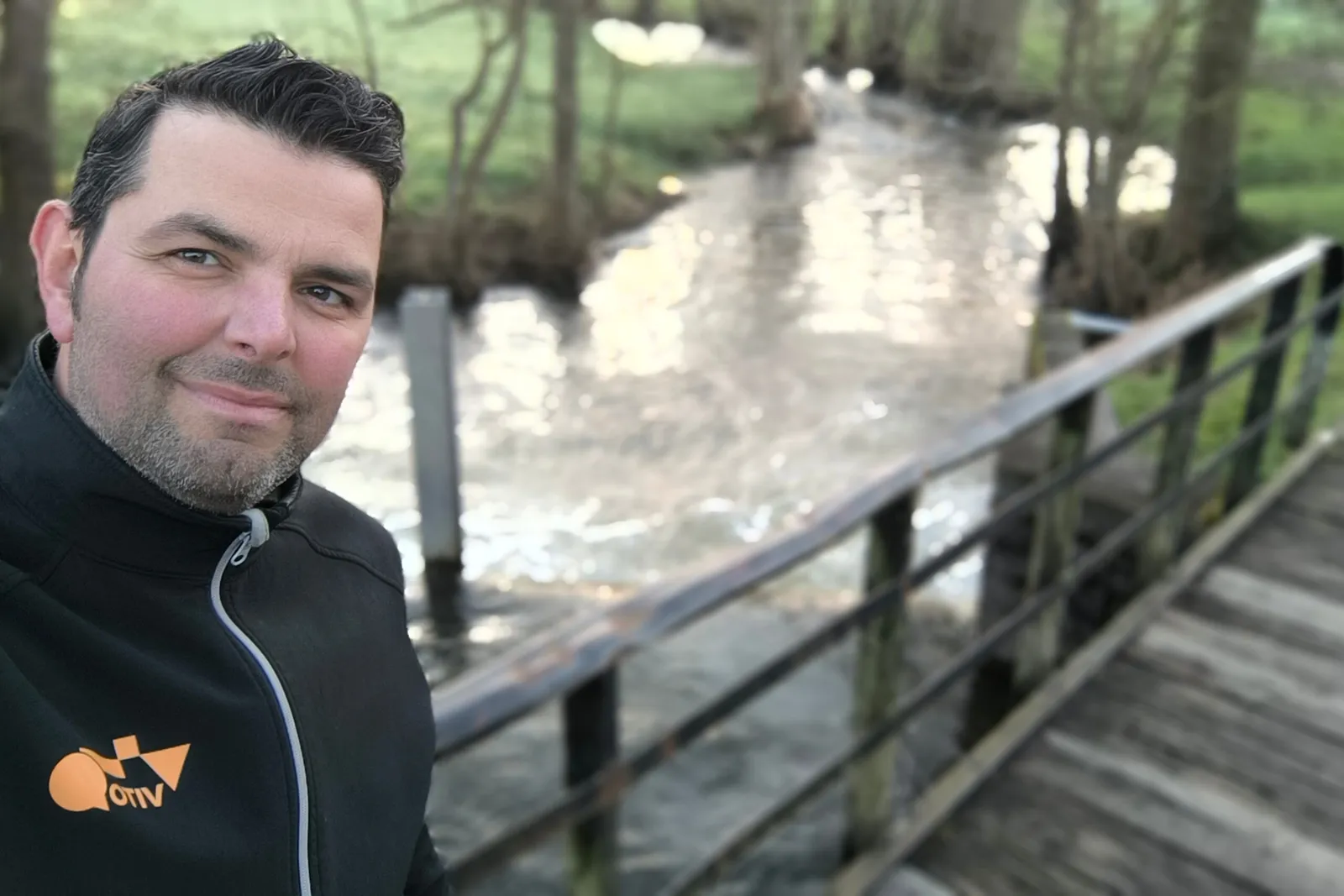
Gert began his career as a joiner, but had to take a different path 17 years ago because of back problems. He taught for 14 years and has worked as a technical adviser for wood for the past three years. In this role, he oversees the educational project, ensures the necessary materials are available, maintains partnerships with companies, facilitates further training for teachers and keeps the machinery up to date. This varied role gives him a unique insight into the situation.
Pupils in a privileged position
“Strangely enough, the decline began here when STEM education was introduced in Flanders, which was meant to get pupils interested in technical subjects,” says Gert. “New courses were introduced at the time that appeal to many young people, such as vehicle technology.
So the decline may partly reflect a shift in choices. Since then, pupils who do choose a wood-related course have been in a privileged position: after their work placement, they are almost always offered a contract, sometimes by several companies. For us as a school, things have become more difficult. Fewer pupils means fewer resources and teaching hours, which puts quality under pressure.”
Too narrowly trained?
Gert has seen the curriculum become increasingly aligned with occupational qualifications. Pupils on the double-finality pathway are trained as CNC operators. Those on the labour-market pathway are trained as interior and furniture joiners. The school offers exterior joinery as an option in the seventh year. “We could offer it as a course from the second stage, but that would mean setting up a second class. With interior joinery and interiors, we can better meet the needs of local companies, but we realise that some pupils are left wanting more as a result.”
“Being able to go into certain subjects in much greater depth is an advantage. Still, I wouldn’t mind if our new minister scaled this back a little. It is mainly large companies that benefit from alignment with occupational qualifications. Small companies, at least for now, attach little importance to it. Producing highly specialised pupils is not a good thing for every company. I believe education should teach the basic skills. Craftsmanship is developed mainly on the job.”
The impact of technology
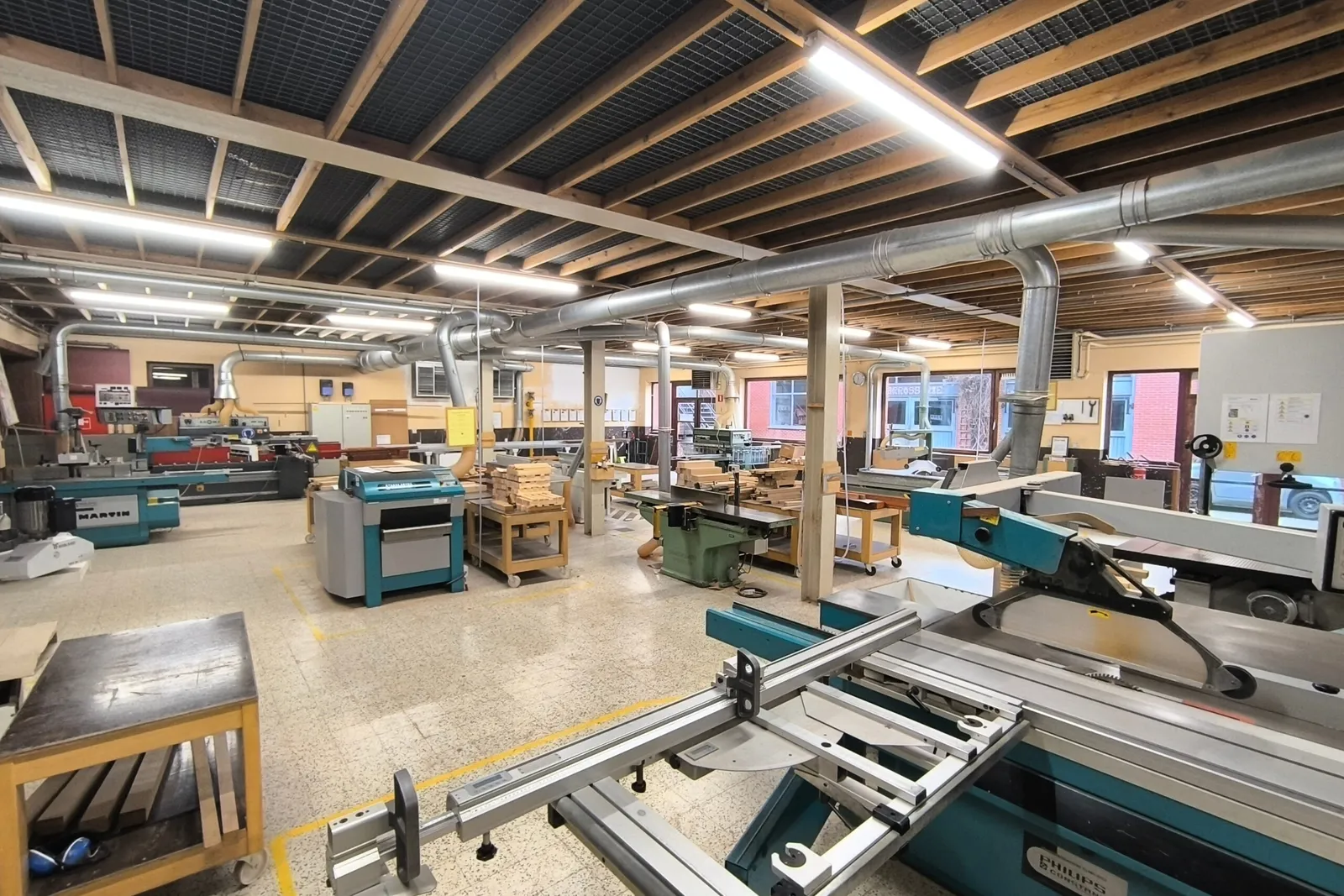
Technology is now an integral part of the workshop. It is often said to make the sector more attractive to young people, but Gert is not entirely convinced. “Some young people are certainly interested in computer-controlled work, but others are more drawn to traditional ways of working. They have a romantic image of the sector and want to work with a hammer and chisel. Of course, we can no longer offer that, but some of these young people find the machine room intimidating. We have to keep up with developments in the labour market, but some pupils are put off as a result.”
Despite all the efforts, the waterfall system is still very much in place. Pupils who start on an academic pathway but do not succeed there often end up in wood-related courses feeling disillusioned. “They don’t want to sit behind a computer screen, they want to work with their hands.
The prospect of a high-tech machine park doesn’t appeal to everyone.” Technology has transformed the sector. Modern machinery comes with high investment costs. As a result, joiners are increasingly choosing a niche, and there are hardly any general joinery businesses left. “Employees today mainly operate machines. I doubt that makes the job more attractive.”
Negative image persists
Despite initiatives by organisations such as Woodwize and Constructiv, the sector continues to suffer from a negative image. “There is a serious shortage of skilled workers, yet people still look down on young people who choose technical training,” says Gert. “Higher education remains the ideal. The distinction between highly and less highly educated people alone leaves its mark on our pupils. They are not less educated, just differently educated. What’s more, lifelong learning is the norm in our sector. I jokingly call highly educated people theoretically smart but technically clueless. They don’t like hearing that, of course, but it gives them food for thought. In my view, many highly educated politicians lack an understanding of the construction sector and do not understand what businesses need.”
Start young, learn for life
The fact that young children now have little exposure to technology is no help either, according to Gert. “In the past, everyone knew someone who had a few machines in their garage. Children came into contact with them naturally. I was inspired by an uncle who did joinery work on the side. Primary schools also pay little attention to technology. That is not the teachers’ fault: most of them do not have a technical background themselves. We can play a part from secondary education, but that takes time and resources we don’t have at the moment.”
Working with companies
Partnerships with companies are crucial, Gert stresses. “The Netherlands is further ahead in this respect. We really need businesses. Our operating budgets are limited and are not index-linked. It is difficult to use them to pay for high-tech machinery. Pupils also need a lot of materials and tools. That is expensive for both schools and parents. Companies can help lower the barriers.”
Gert spends a lot of time networking and has seen that it pays off. “Recently, we were given some leftover sheet material. The company had no use for it, but our pupils used it for a project. Through another partnership, we will soon be able to introduce them to sustainable wood species that would otherwise be too expensive.”
Education faces major challenges, but Gert remains positive. “Preconceptions and a negative image do not change overnight, but there are campaigns, and more and more people are taking action,” he concludes. “If I can contribute to that, I’m happy to do so.”
Question about this story? Ask your question
Companies in this story

Keep following this
Get an email when a new story is published. No account needed.
- ThemeStrong and safe trade businesses
- SubjectGeneral
- CompanyWoodwize







