Well-maintained dust extraction can prevent a lot of trouble
Text Ann KempeneersImage Limoco
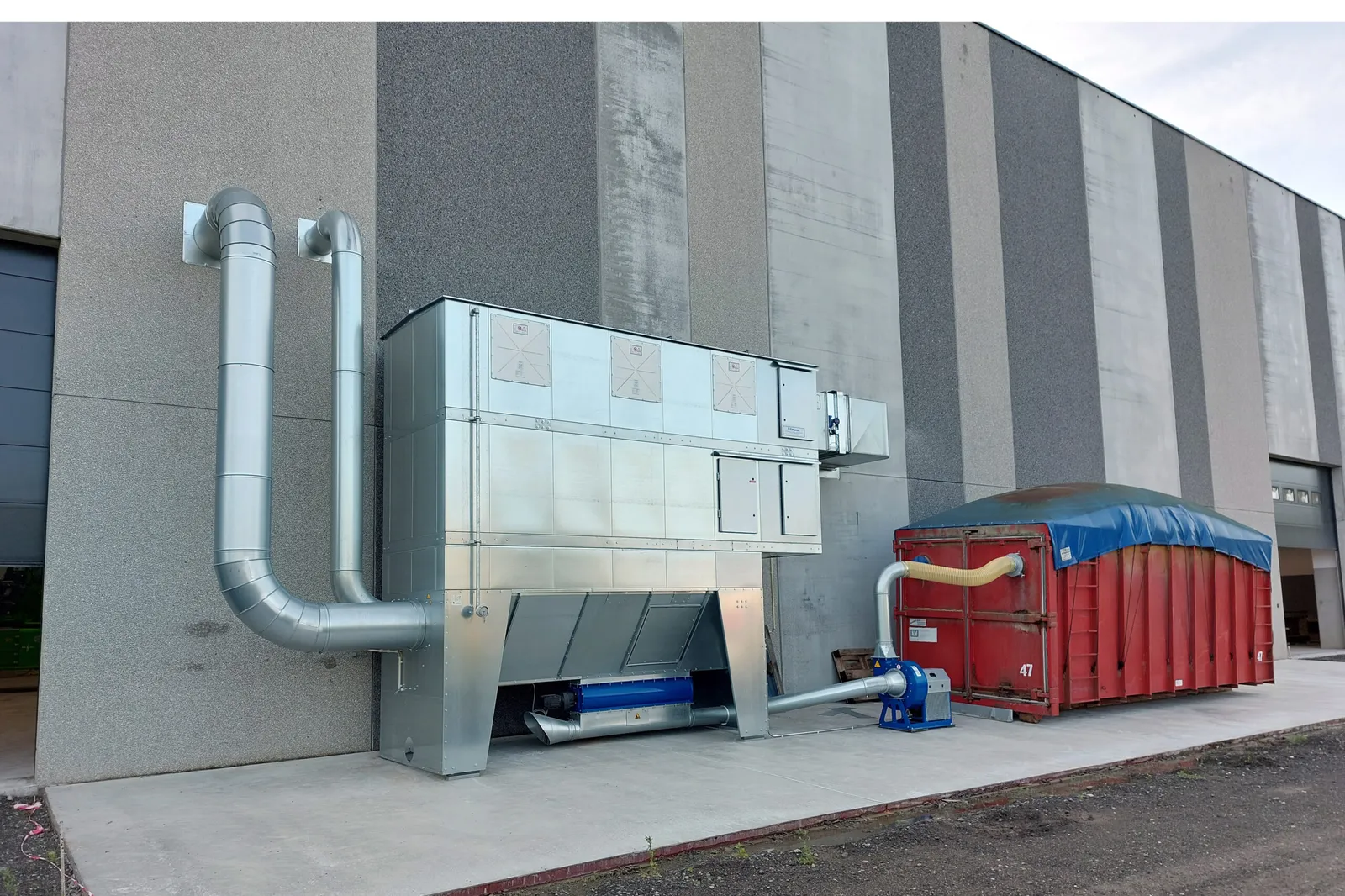
Investing in dust extraction is a major and important step. But the job is not done once everything has been properly installed and commissioned. Even when the system is still ‘new’, it is worth giving maintenance the attention it needs, both to ensure a safe and healthy working environment and to prevent production downtime. Limoco can help with this.
When installing a dust extraction system, Limoco always recommends putting a preventive maintenance plan in place. Think of it as the regular service for a car. It can reveal wear at an early stage and therefore help prevent problems, and any resulting production downtime.
What does preventive maintenance involve?
A suitably trained technician visits at an agreed time each year. First, they carry out a visual inspection: are there any leaks, such as damaged filter sleeves? Are the fans vibrating? Are there any unusual noises? Defective parts are replaced in consultation with the customer.
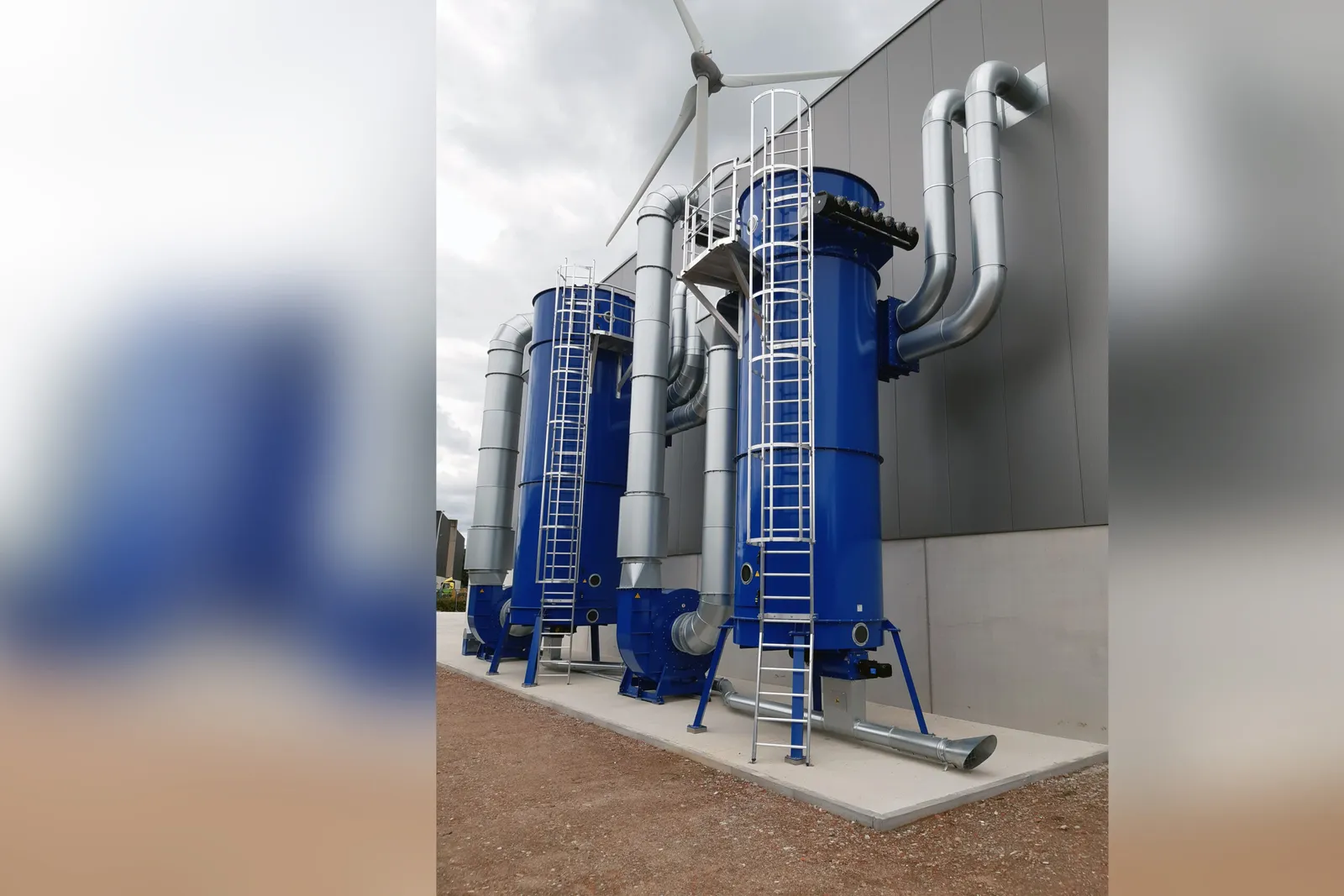
Checking for wear
A well-maintained system lasts longer. Even so, wear and tear will eventually occur. In addition to component wear, the system is also subject to abrasion. Over time, dust transported at high speed can damage the ductwork and impellers. Regular inspections and maintenance are essential to ensure defective parts can be replaced in good time.
The operation of the dust extraction system itself also causes wear. It is important to lubricate bearings, motors and other components regularly. Belts on belt-driven fans must also be tensioned or replaced as necessary.
Another important factor when drawing up a maintenance plan is how intensively the dust extraction system is used and the environment in which it operates. A system in a joinery workshop, for example, will be subject to less wear than one in a planing mill, where the volume of extracted dust is much greater.
Can wear be prevented or reduced?
As mentioned, (preventive) maintenance is crucial. However, depending on the specific application of the dust extraction system, more wear-resistant solutions can be chosen during its manufacture. These include thicker materials, such as reinforced bends and reinforced impellers. Special components that are subject to heavy wear can be made from welded wear-resistant steel and hot-dip galvanised. The bespoke work carried out in Limoco’s own workshop offers a great many possibilities and benefits.
Can you also keep an eye on things yourself?
Absolutely. If you notice that the dust extraction system is losing suction, that is a sign that something is wrong. There may also be warning signs, such as a noisy or vibrating motor or bearings. If you suddenly find a lot of dust in certain areas, or see it swirling around, this could point to a leak in the ductwork or damaged filter sleeves.
In the worst case, the dust extraction system could fail completely, bringing production at the factory to a halt. As a business owner, that is something you will naturally want to prevent.
Question about this story? Ask your question
Keep following this
Get an email when a new story is published. No account needed.
- ThemeEfficient workshop production
- SubjectDust extraction