











Dual learning helps young talent flourish
Text Wendy ThijsImage Fierens
The dual learning system, introduced in 2016, was given extra attention during Dual Learning Week in February. Syntra has seen enrolments rise year on year, but finding a suitable work placement for every student is far from straightforward. Interior design company Fierens has recognised the benefits from the outset and is keen to give young talent every opportunity.
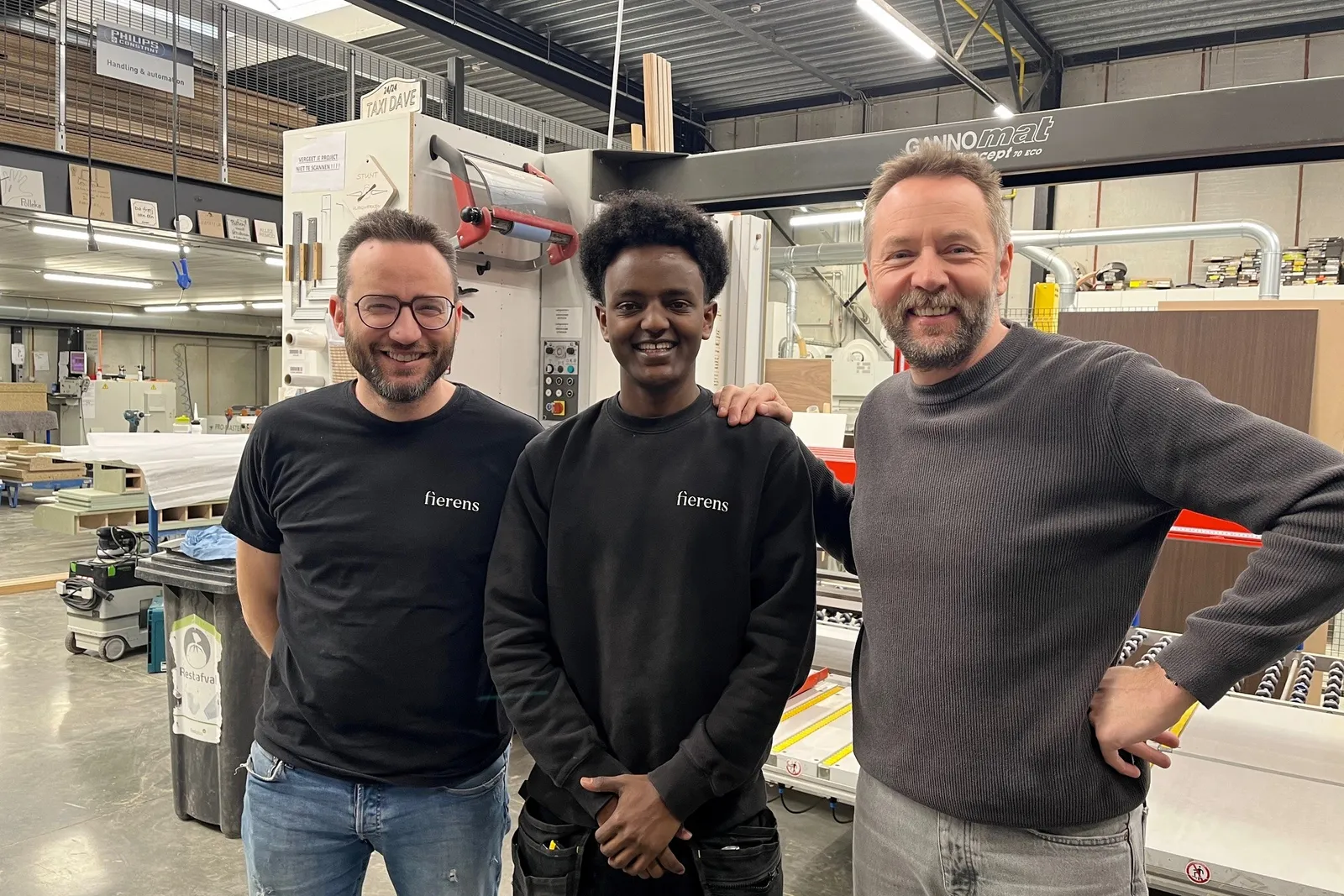
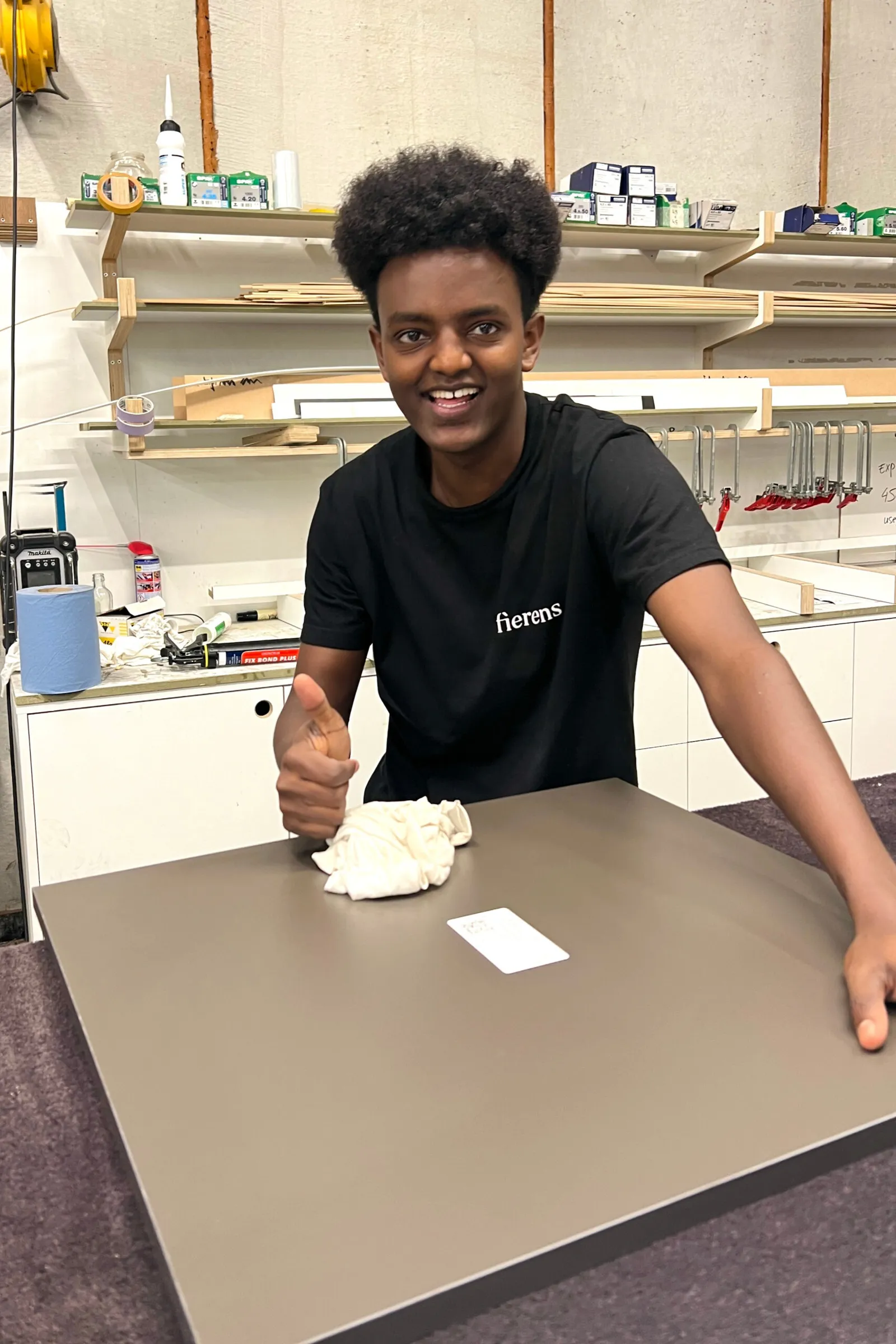
Students following a dual learning programme through Syntra spend one day a week in the classroom. They spend the other four days at their workplace. 18-year-old Alexander Mengs Btsay is one of the young people who started a dual learning programme at Syntra this year. “He has come a long way,” says owner Koen Fierens. “He comes from Eritrea and is being looked after here in Belgium by two foster fathers, both of whom are architects. As he still needed to get to grips with Dutch, a traditional school career was far from straightforward. One of his foster fathers asked us whether Alexander could work here through dual learning. After a brief introduction, we agreed.”
A stepping stone to a permanent contract
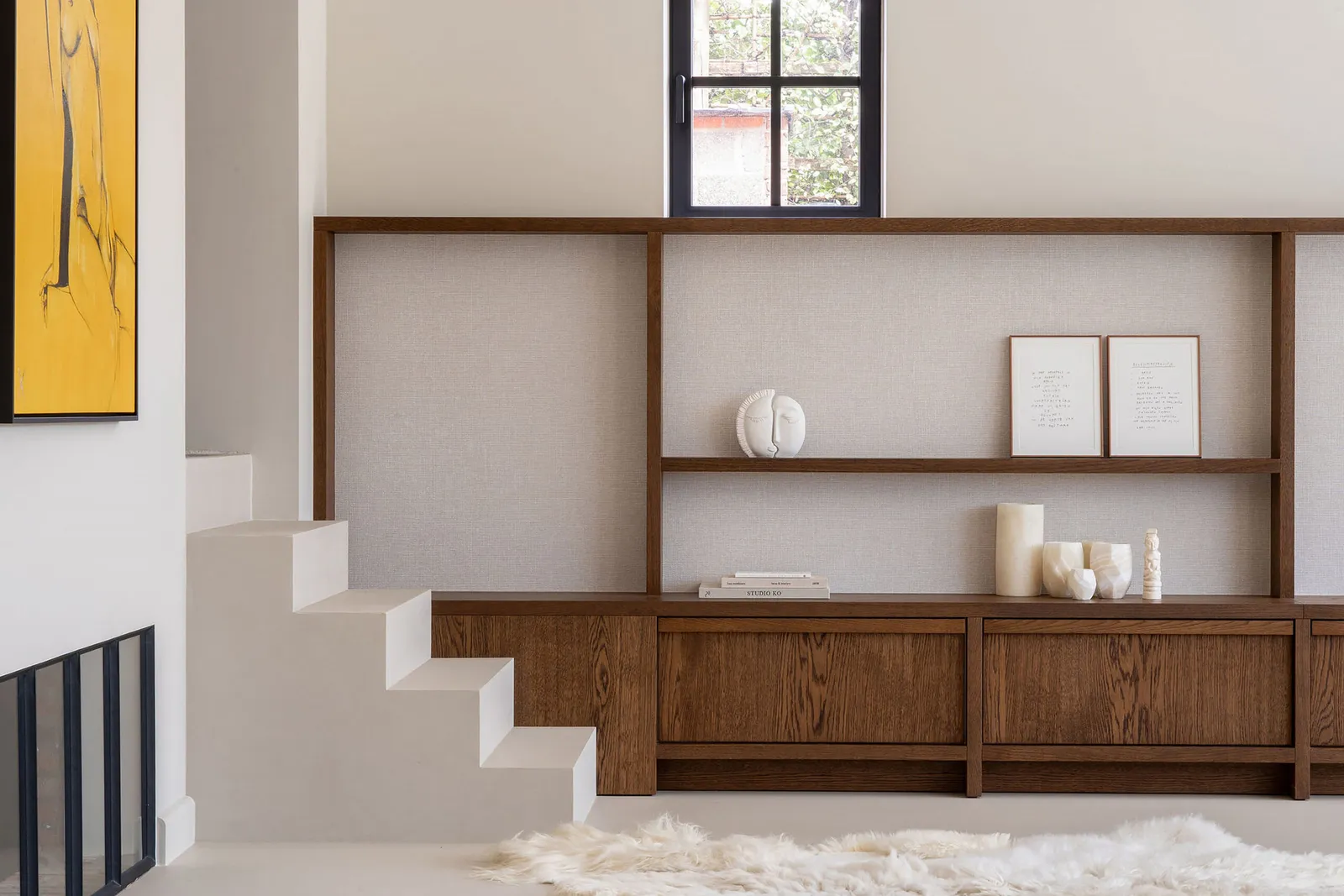
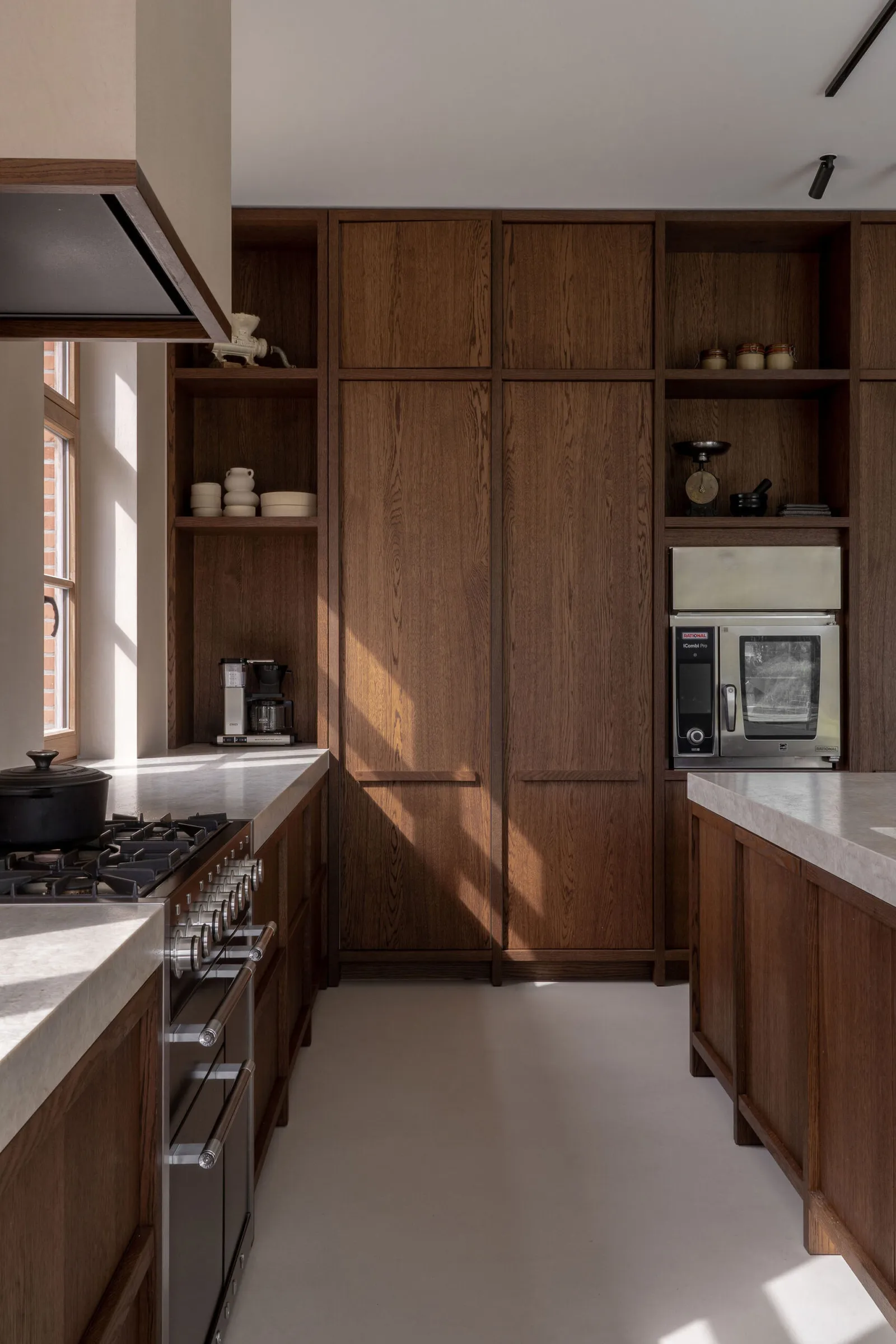
Fierens specialises in residential interior projects and offers the entire process, from design to installation. As well as bespoke furniture, the company also handles parquet flooring and internal doors. This is not its first experience with dual learning. A student who started this way seven years ago is now a permanent member of staff. “We offer work placements because we want to contribute to the future of our trade and give young people opportunities,” Fierens explains. “I think it’s important for business owners to make a contribution to society too. And it benefits you as well. It takes a little time and energy, but the risk is limited because it costs little and gives you an extra pair of hands. If it’s a good fit for both parties, you may have a future employee on your hands who already knows your business processes and fits into your team.”

Providing opportunities to learn
Of course, students need to be given the chance to learn as much as possible, and their tutor also makes sure of this. The way Fierens organises its production process ensures plenty of variety.
Workshop manager Jurgen Van den Bossche: “We work in teams. Two employees always work on a project and see it through themselves from start to finish. So it’s not the case that one employee always operates the saw and another the edgebander. Everyone here can operate every machine and takes responsibility for ‘their’ project.”
“That keeps things interesting for our people,” Fierens adds. “They always see the end result of their work, and the work remains challenging. Of course, everyone has their strengths. We take that into account when assigning projects to the teams.” This approach also keeps Van den Bossche on his toes, as he is the one who assigns each person to the right role and makes sure that not every team needs the CNC machine at the same time.
Tailored support
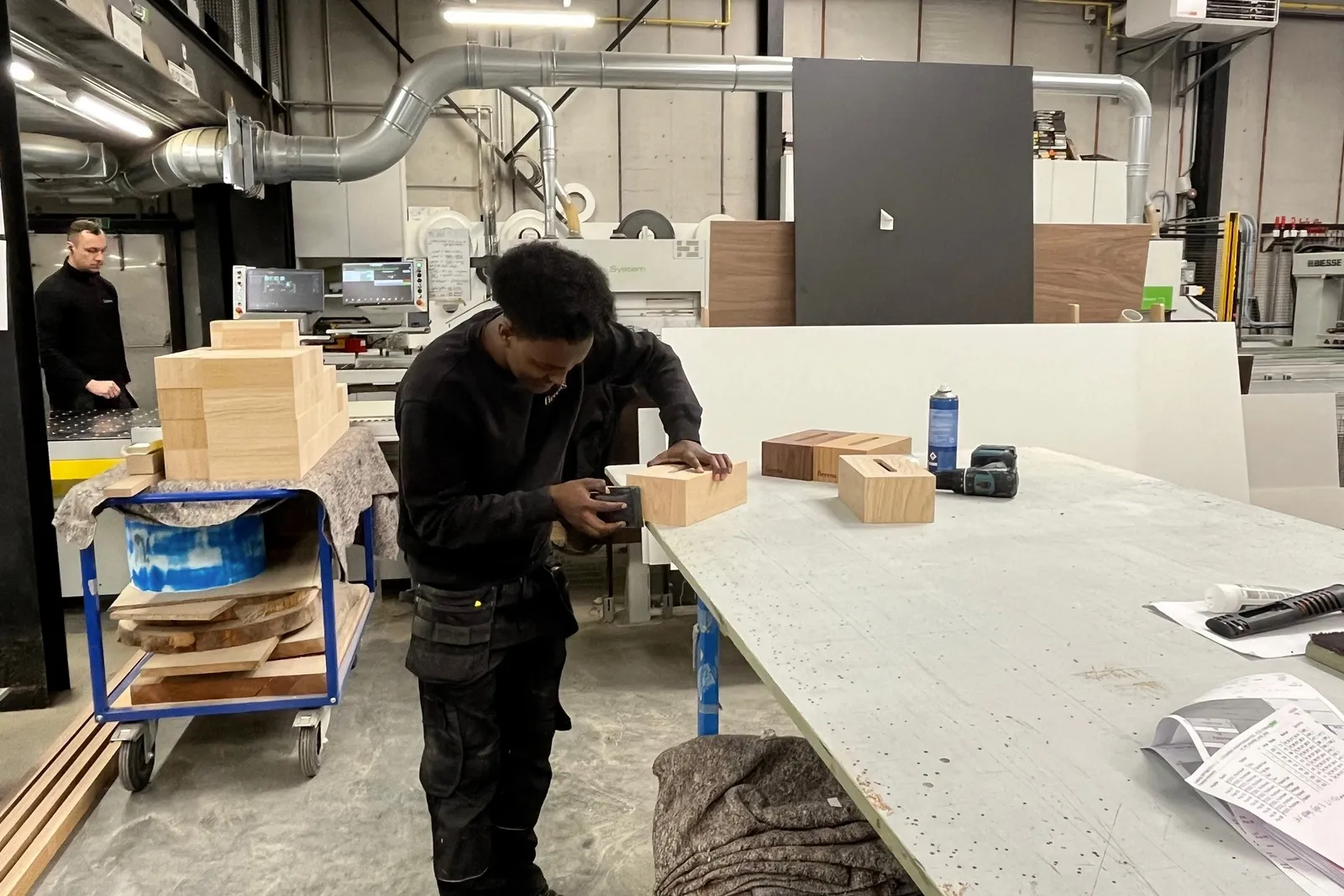
For students, this approach has the advantage of allowing them to be introduced to the production process gradually. In his first week, for example, Alexander did not yet join a team, but helped during the finishing stage. This gave both parties a chance to get to know each other a little better first.
“Our finished product has to be perfect. Students first need to learn what standard we expect,” Fierens stresses. “It’s fine to make mistakes, that’s part of learning. But you shouldn’t hide them. They’ll come to light sooner or later, so it’s better to redo the work straight away. Once a student really understands what quality means to us, we let them work more independently. In the meantime, Alexander can easily step in wherever extra help is needed.”

Work-based learning deserves greater recognition
Fierens believes Alexander can be proud of how far he has come. “When he completes his programme here, he won’t yet be a fully qualified carpenter, but he’ll already have learnt a great deal. His Dutch has improved considerably too. At first, that was a concern, because naturally you don’t want anyone’s safety to be put at risk. He takes Dutch lessons, and because he is constantly practising the language here, he is making much faster progress.”
Alexander is enthusiastic too. “Now that I spend four full days a week in the workshop, I can learn to work with modern machines much better than I would at school. My colleagues are always happy to explain something again if I haven’t understood it straight away. Getting to grips with operating all the machines is still a challenge, but I really enjoy it and hope I can carry on here after my training.”
Fierens and Van den Bossche agree: offering an internship or work placement is the best way to discover new talent. Some young people simply learn better on the job than in the classroom. They recommend it to any joinery company struggling to find suitable staff. “Don’t let the associated administration become a barrier,” Van den Bossche emphasises. “It’s a small hurdle to overcome, but it’s definitely worth it.”
Question about this story? Ask your question
Keep following this
Get an email when a new story is published. No account needed.
- SubjectGeneral







