











Atmos: “Synergy is the way forward”
Text Wendy ThijsImage Atmos
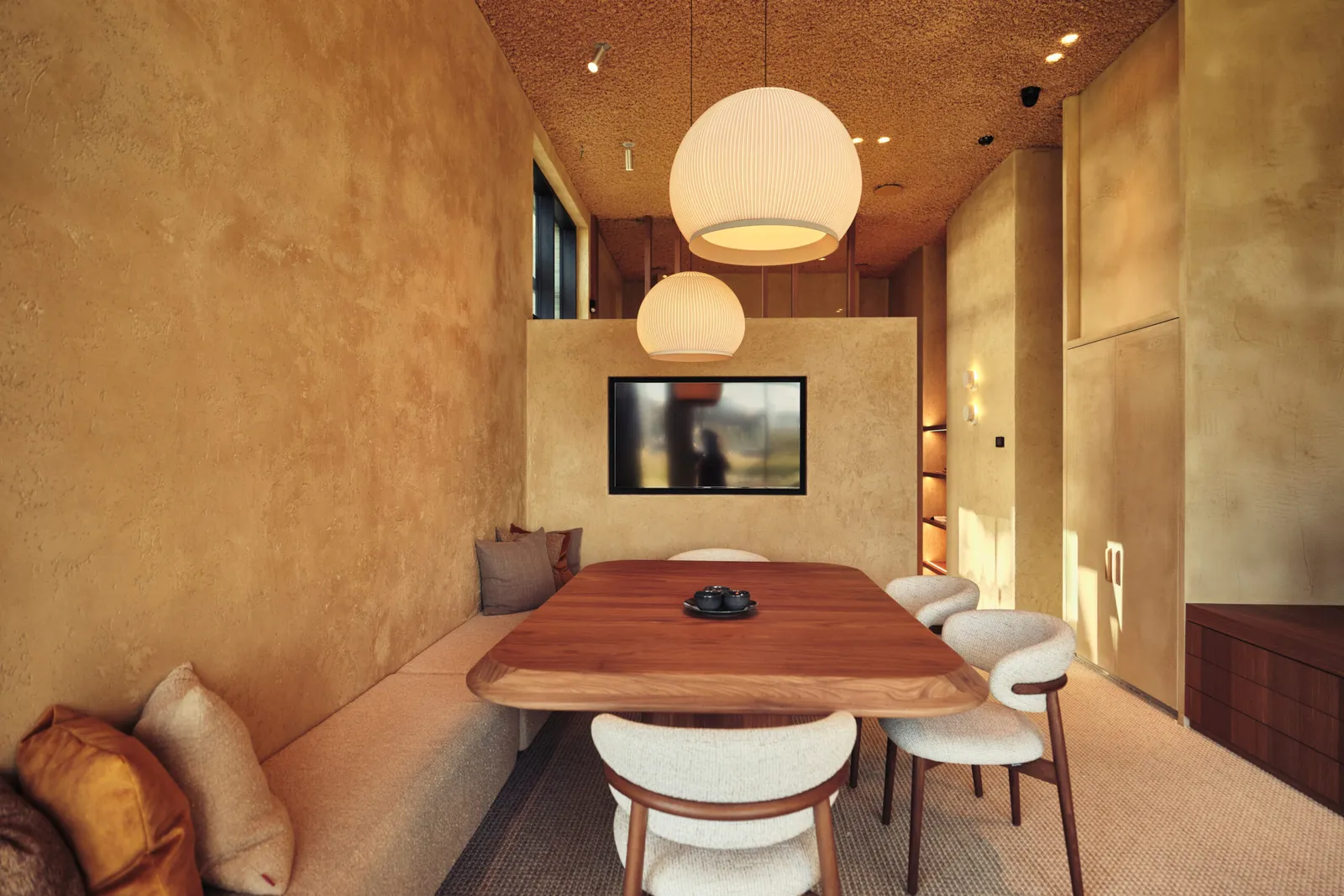
Collaboration is a key word at Atmos, a bespoke specialist that not only makes custom furniture, but also has extensive expertise in interior renovations. The company works closely with project partners and three other joinery firms to offer a stronger response to market needs.
Atmos caters to clients looking for a unique and somewhat more exclusive interior. They may be private clients building their own homes, or architects. The company is increasingly approaching the latter group proactively, with a view to building lasting partnerships.
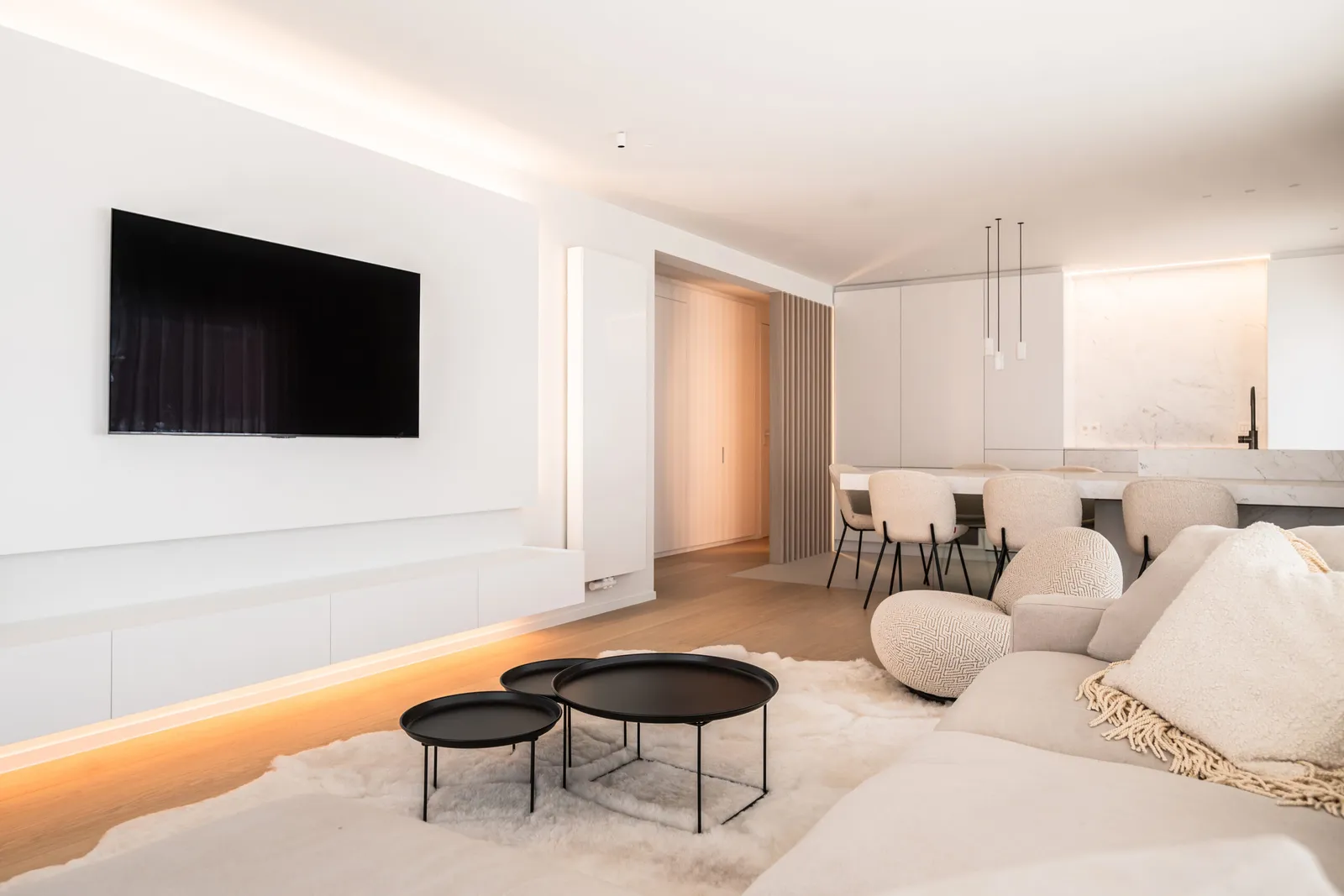
The focus on renovation has evolved over time and is now a smart choice, as new-build activity is gradually declining. “We produce the bespoke interior joinery ourselves in our workshop in Erpe-Mere,” says CEO Frederik Van Vooren. “We also take on a coordinating role and manage subcontractors. From demolition and the renewal of electrical and plumbing systems to rebuilding, including painting and wallpapering, we oversee everything so our client does not have to worry about it. Renovations are complex: you know where you start, but not always where you will end up.”
From Brussels to the coast
Atmos often works on the coast. That is why, as well as in Erpe-Mere, clients can visit its showroom in Knokke. “We see a lot of potential in the outskirts of Brussels, so we are now making more of our central location,” says Van Vooren. “Sometimes you have to dare to question the past to spot new opportunities. Reflecting on your business should be a daily habit.”
Strategic partner for clients and (interior) architects
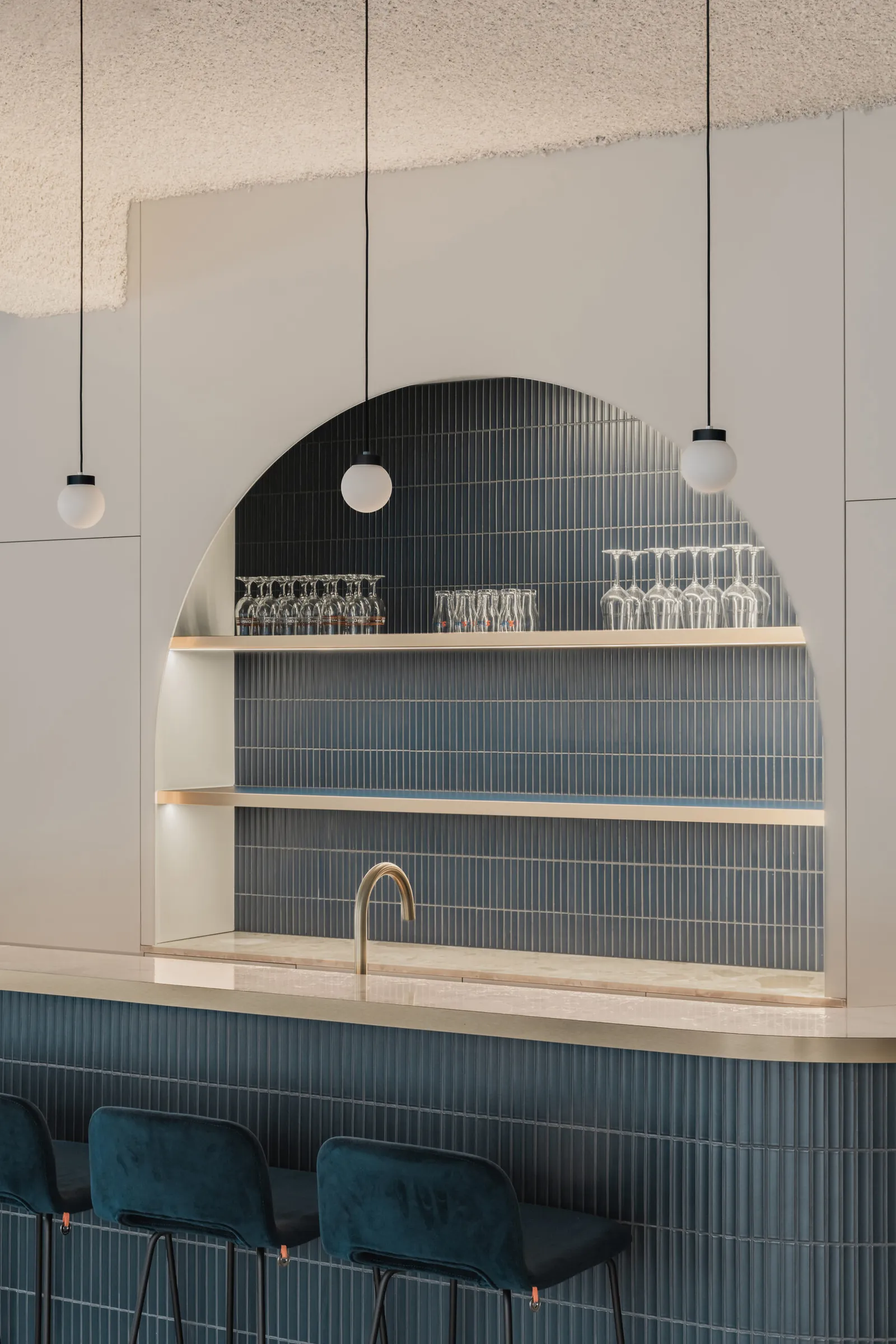
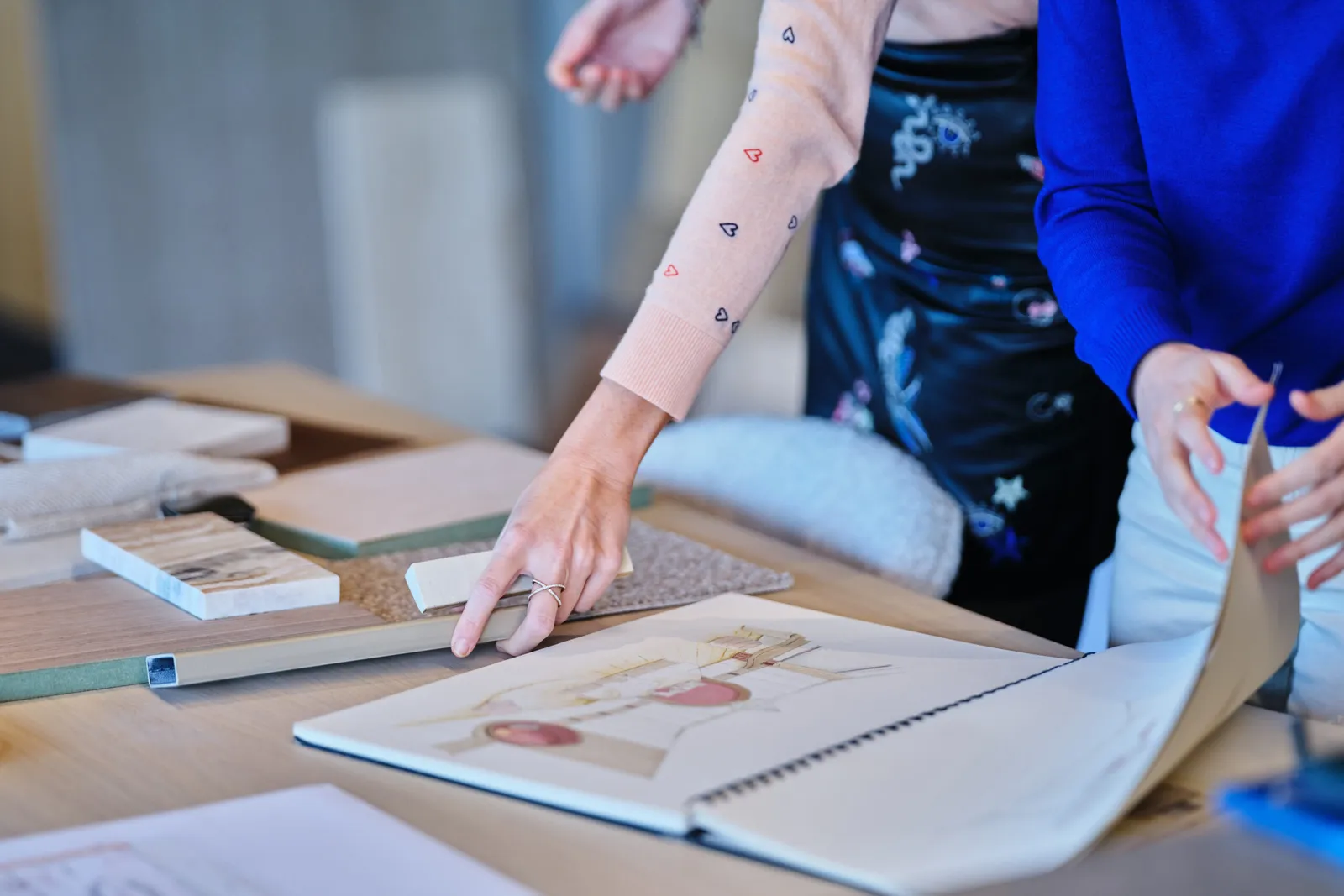
High-quality materials and attention to detail and finish are the foundations, but Atmos also adds value through the way it works with clients and partners. “Especially with renovations, (interior) architects need a partner who does more than just carry out the work, and who also contributes ideas. Each time, it is a matter of finding the right balance between aesthetics, planning, budget and technical feasibility. That calls for creative optimisation and continuous adjustments.”
This approach requires a particular organisational structure. “Someone needs to be able to make time to delve into the projects and consult with the parties involved. In addition to workshop staff and fitters, we also have a project manager, two technical draftspeople and an interior architect in-house.”
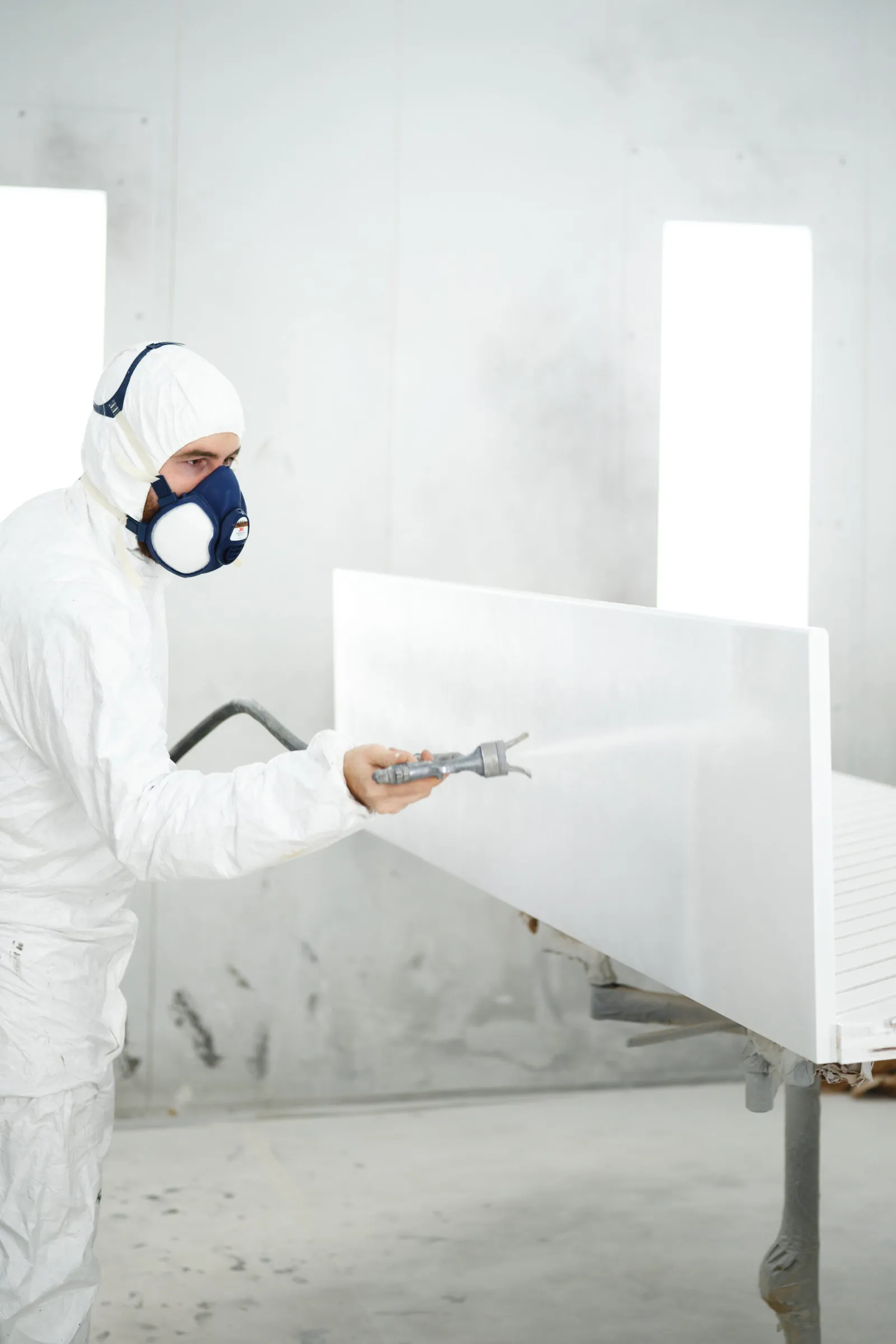
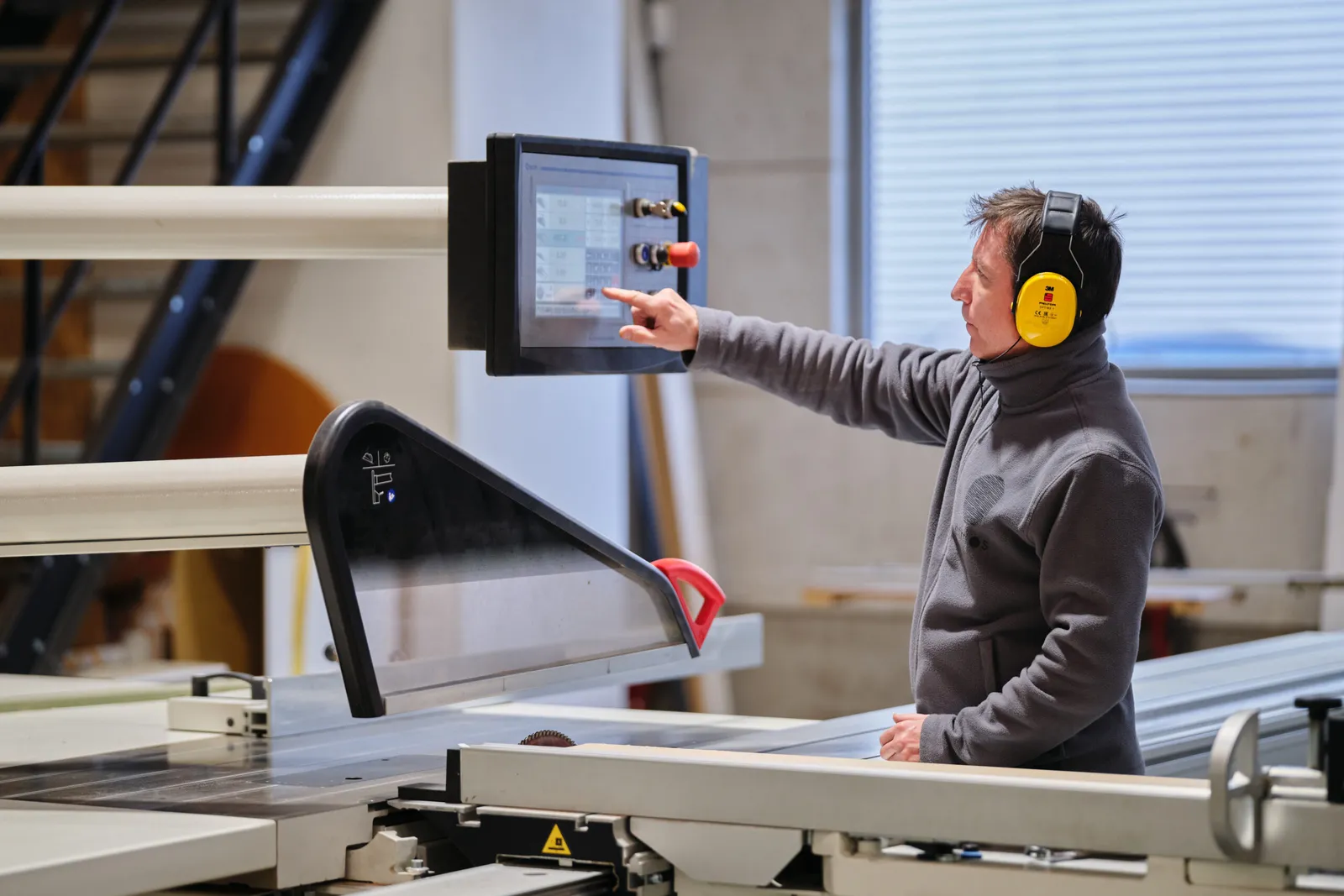
Atmos also made a deliberate investment in its own spray booth. “It is a big advantage when it comes to scheduling. We no longer have to wait three weeks if paintwork is damaged in transit or on site.” Keeping it productive remains a challenge, but Atmos addresses this by making any excess capacity available to other companies.
Pooling strengths
Atmos recently became part of the Gironef group, which brings together four complementary bespoke interior companies. “The pressure is high today,” concludes Van Vooren. “It is not just about craftsmanship: you need to buy well, invest in marketing and develop an HR policy. As a small company, it is becoming increasingly difficult to manage all that. For me, synergy is the way forward.”
“Each company retains its own identity, but together you are stronger,” adds Elodie Leys, who represents the group to B2B clients. “Expertise is shared, capacity is coordinated and, where needed, colleagues step in to help. This cross-fertilisation makes the difference, both for the companies themselves and for their clients.”
Question about this story? Ask your question
Keep following this
Get an email when a new story is published. No account needed.
- SubjectGeneral







