The importance of the right materials
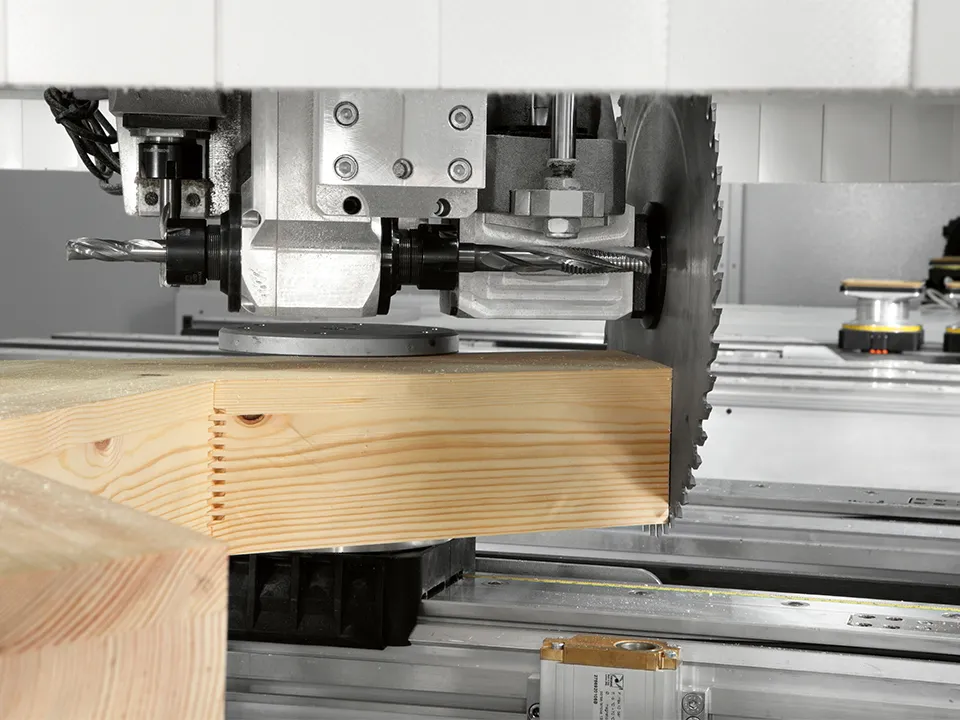
Meeting your customers’ needs means more than keeping up with the latest trends in interiors, timber species, colours and processing techniques. Having the right tools and machinery in your workshop is just as crucial to bringing a project to a successful finish.
How can you integrate these innovations into your business and optimise your production as a result? Here, we explain how by looking at the trends and challenges facing the sector.
On the one hand, demand for automation is rising; on the other, there is a need for intelligent standard machines. These trends may seem contradictory in the world of woodworking, but one does not necessarily rule out the other. Whichever solution you are looking for, one striking constant is manufacturers’ strong focus on safety. Finding your way through all the options can be difficult. To find the right solution for your business, having a good partner is at least as important as buying the machine itself.
Automation does not require robots
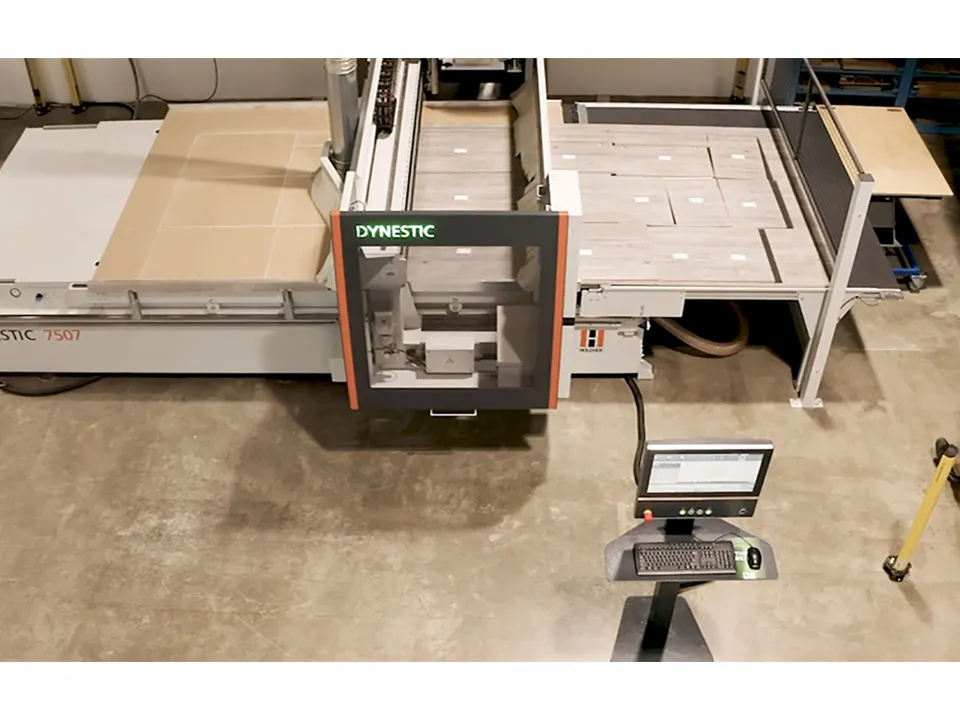
New production methods, such as nesting, are revolutionising established, traditional production. In an unmanned cycle, panel sizing is combined with CNC machining. Output can at least double, while machine operators benefit from improved ergonomics because one machine performs several operations.
There is still a long way to go when it comes to automation. Although this trend has been commonplace in some industries for years, demand in woodworking for greater efficiency, and therefore support from CNC-controlled machines, continues to grow. Modern machine shops are controlled from production planning. This is a clear trend for both SMEs and industry. Whether you are a young start-up or an established name in the sector, if you want to automate your machinery, it is best to review your internal processes too. This will help you achieve a well-oiled workflow and get more out of your investment.
A thorough analysis of production requirements, such as interior fit-outs, internal doors, stairs and general joinery, as well as the desired production output, is essential. It is equally important to discuss the investment budget, so that machine builders and suppliers can quickly get on the same wavelength. Machine builders and suppliers note that customers do not always find it easy to map all this out accurately. A thorough preliminary study can help. Ultimately, this will lead to the right solution for your business. A distributor such as Philips Constant, Rogiers, DB&S Machines, Viva Machines, Noblesse or Merlier will be more than happy to support you through the process.
Optimising internal communication
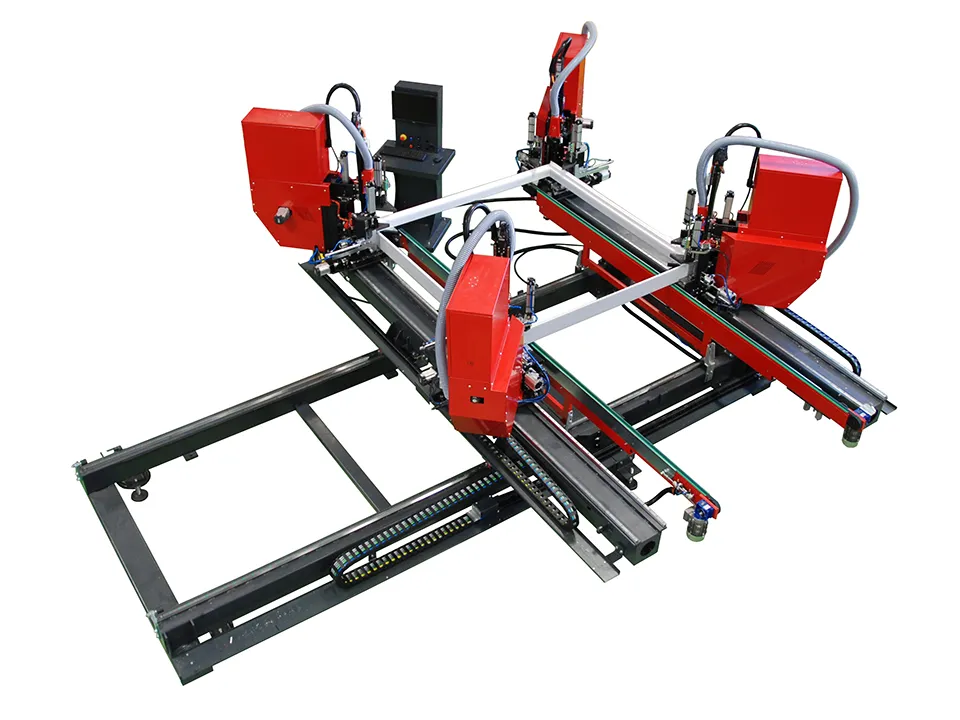
At the other end of the spectrum, demand is growing for intelligent standard machines that minimise set-up and changeover times. This need not stand in the way of optimisation. On the contrary, choosing the right machine helps create a balanced machine shop and ensures you invest wisely. A healthy mix also helps you make the best use of your staff and, if you wish, focus on a particular specialism.
Labelling workpieces makes it easier to map the production flow and minimise errors. In addition to project information, labels can include information for activating the CNC programme, information for the edgebander and more. Today, labelling can be done manually or fully automatically.
Safety first
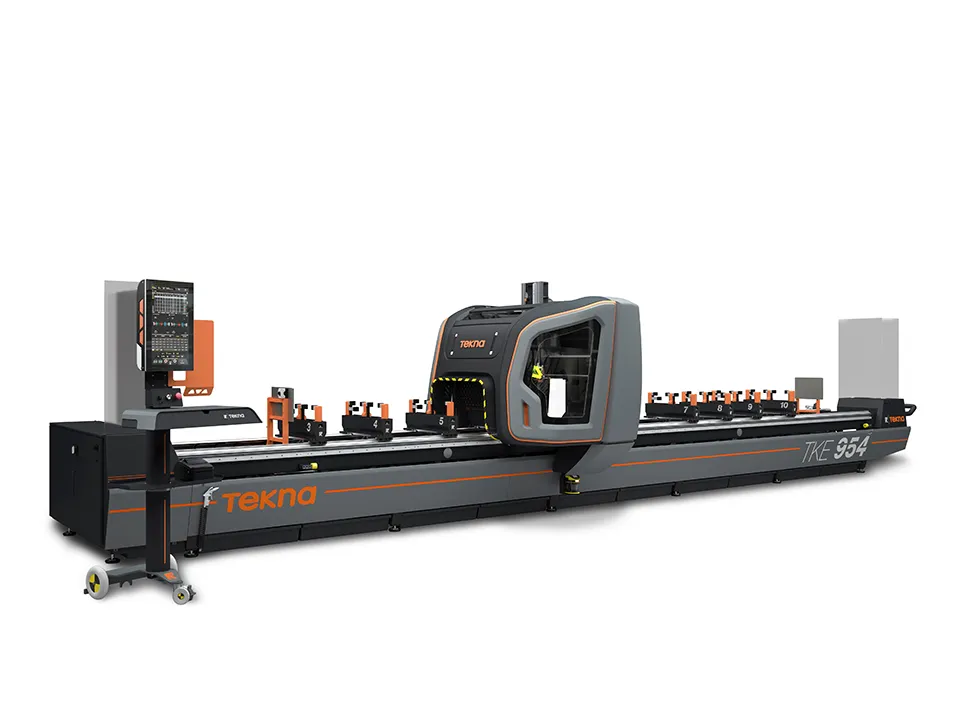
Safety remains a key trend in woodworking. Manufacturers are putting even greater emphasis on machine safety and providing strong support for their customers.
One important factor is, of course, being able to operate machinery easily and safely. Machines are now fitted with mechanisms that stop them automatically if an operator comes into accidental contact with them. Freedom of movement around a machine also contributes to safety. Alongside essential protective clothing, another factor is an operator’s knowledge of the machine they are using. Machine builders are responding to this too, with tailored training courses.
After the turbulent year of 2020 and the difficult restart in 2021, it remains to be seen what the long-term impact on the sector will be. The housing market is unlikely to collapse any time soon, however. The Belgian has a brick in their stomach, and that is not about to change. Moreover, more and more people are turning to property as a stable investment for their money. In any case, the coronavirus crisis helped people rediscover the importance of the home. As an interior contractor or joiner, you need to keep up with the latest trends and developments to meet your customers’ needs. There is no shortage of challenges, then, and you can turn them into opportunities for your business.
Question about this story? Ask your question
Companies in this story

Keep following this
Get an email when a new story is published. No account needed.
- ThemeEfficient workshop production
- SubjectWoodworking
- CompanyPhilips Constant NV
- CompanyRogiers NV
- CompanyDB&S Machines
- CompanyViva Machines