Our brains love wood
Text and images Fedustria
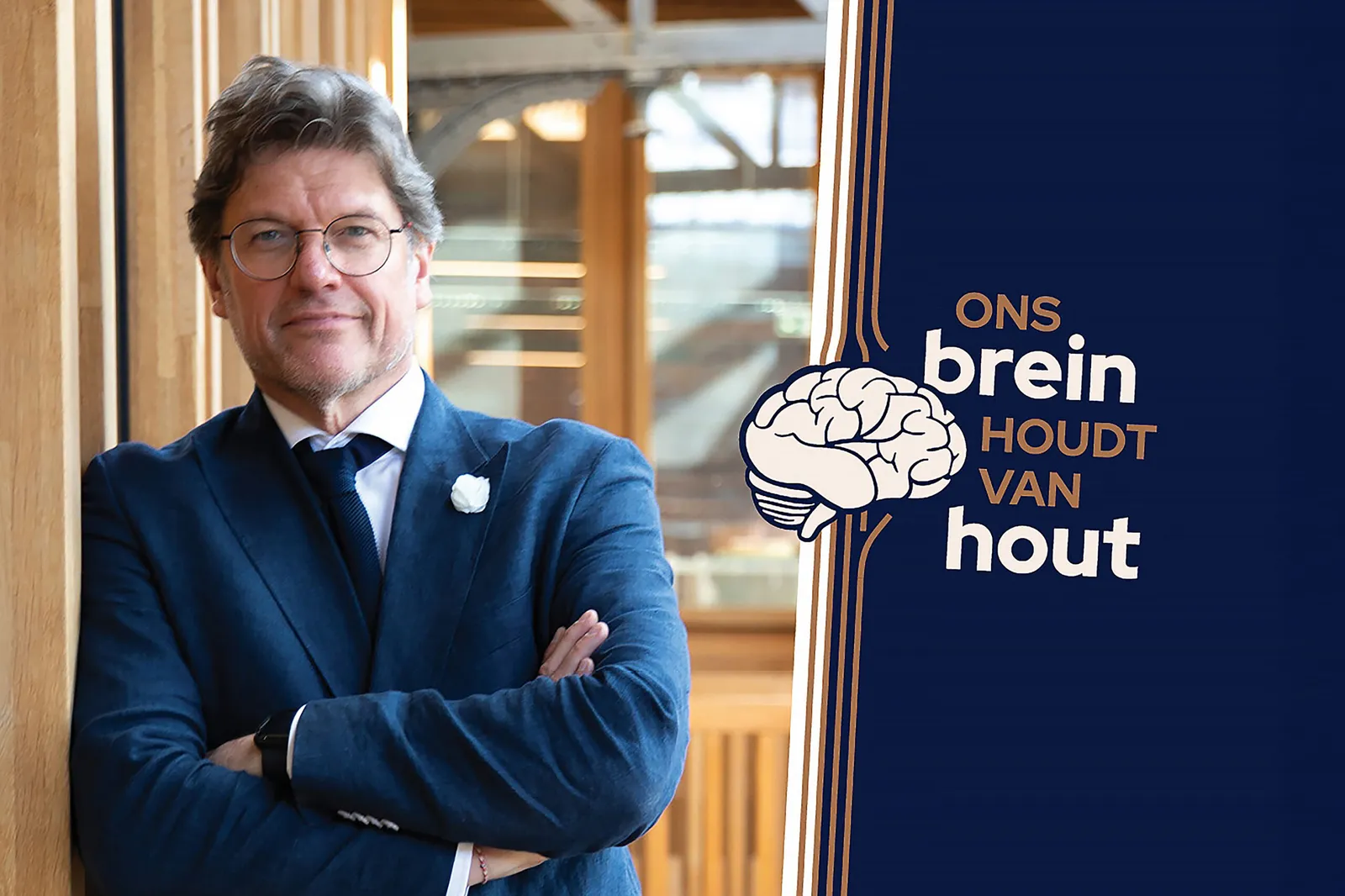
In recent months, Fedustria, the Belgian federation of the textile, wood and furniture industries, has carried out a remarkable scientific experiment. Together with Prof. Dr Steven Laureys (University of Liège) and Dr Steven Scholte (Neurensics), the federation used fMRI scans to investigate how our brains respond to interiors featuring wood, concrete or plastic. The result is a first: for the first time, objective evidence shows that wood reduces stress, activates positive emotions and stimulates creativity.
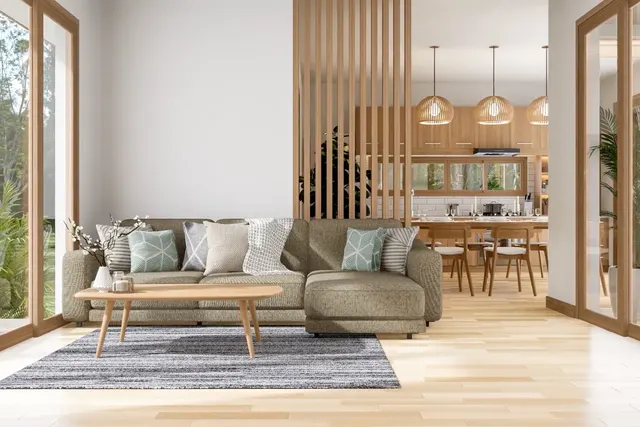
Wood feels warm and pleasant, while concrete or plastic often seems cold and uninviting. Interior professionals have known this intuitively for some time. Now, together with experts in the field, Fedustria has also found scientific evidence to support it. With Belgium’s first neuroscientific study into the effects of wood in interiors, Fedustria aims to provide policymakers, designers and businesses with objective data.
CEO Karla Basselier explains: “As a federation, we support our companies in many different ways. Scientific research is one of them. With this study, we highlight the social value of wood. This neuroscientific research confirms what we already knew instinctively: interiors featuring wood are good for us, at home, at school, in the office and in care facilities alike.”
Wood evokes positive feelings
The results show that wooden interiors evoke feelings of trust, comfort and safety. Unlike plastic, which often prompts negative feelings, wood gives our brains a positive stimulus. This creates an environment where communication flows more easily, compromises are reached more quickly and people feel better supported. For interior fit-out specialists and joiners, this confirms what Fedustria has been saying for some time: wood is not only aesthetically or technically appealing, it also contributes to the mental and social dynamics of the people who use a space. Choosing wood is therefore about more than ambience or sustainability: it is an investment in wellbeing.
Effects on living, working and learning
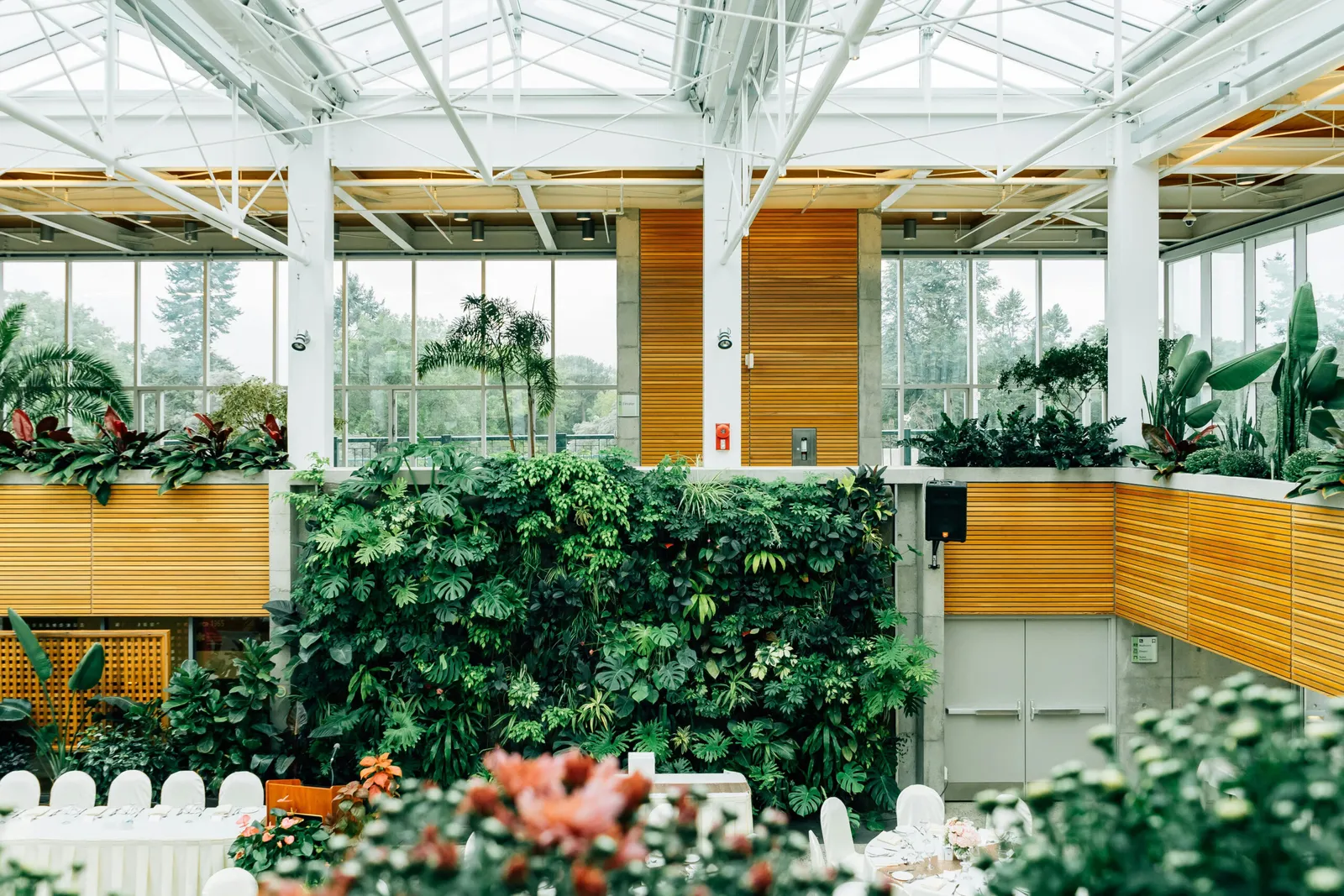
In the home, wood enhances emotional intelligence. Residents feel safer and communicate more openly. In the office, wood encourages creative thinking, planning and problem-solving. A large amount of wood in an office makes an impression, inspires trust and provides fertile ground for innovative ideas.
It also opens up possibilities for schools and care facilities. Wood in classrooms gives pupils a sense of being at home, boosting their self-confidence. In hospitals, wood can help reduce stress and irritation and foster a sense of connection. Fedustria sees clear opportunities here for its member companies to explore new markets and contribute to healthier living and working environments through innovative applications.
Neuroarchitecture and biophilic design
Prof. Dr Laureys, one of the researchers involved in the project, sees wood as a key element in the emerging field of neuroarchitecture, where neuroscientists, psychologists and architects work together to design environments that promote wellbeing. “Wood is a natural material that has been part of human life for centuries. By using it deliberately, we can create environments demonstrably beneficial to our mental health.”
Fedustria is already linking this to the sector. “This gives our wood and furniture companies an extra lever,” says Basselier. “It enables them to deliver projects that bring sustainability, aesthetics and wellbeing together. This allows them to position themselves in discussions about healthy buildings, wellbeing standards and ESG criteria. That is exactly where we, as a federation, want to support our members.”
Question about this story? Ask your question
Keep following this
Get an email when a new story is published. No account needed.
- SubjectWoodworking