European walnut: elegant and distinctive
Text Wendy ThijsImage dehoutmeid.nl
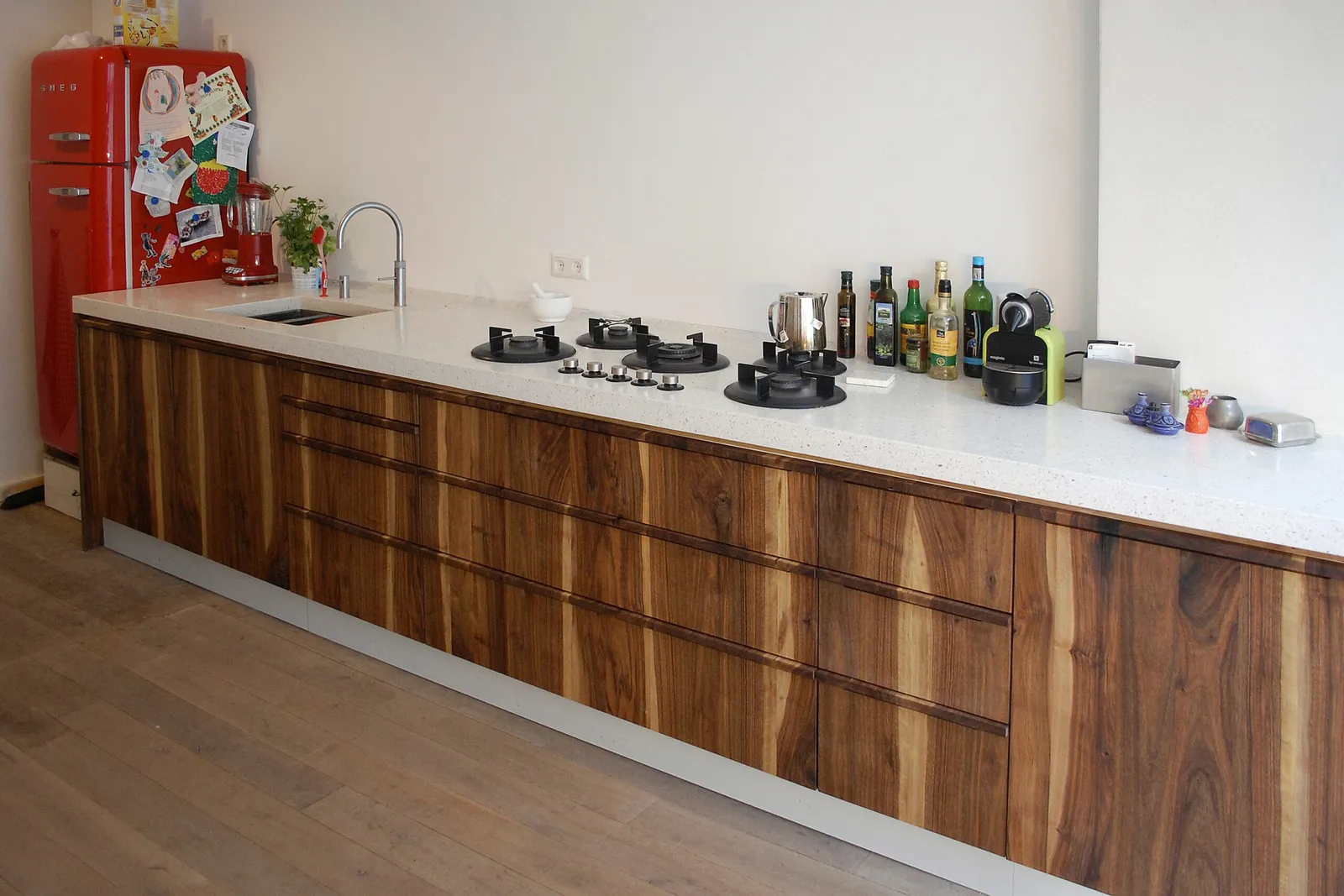
Ask about local timber and nine times out of ten, the first answer will be oak. A robust classic, familiar to work with. But the palette is much richer. That is why we regularly put a lesser-known species in the spotlight. This time: European walnut. An easy-to-work timber that brings character to interiors.
The challenge with European walnut is availability. The tree is found only sporadically in Belgian forests, and forest management is not currently focused on it. You may find it at your local sawmill or timber merchant, but supplies are limited. American walnut can be an alternative. This North American species is also available here and closely resembles the European variety.
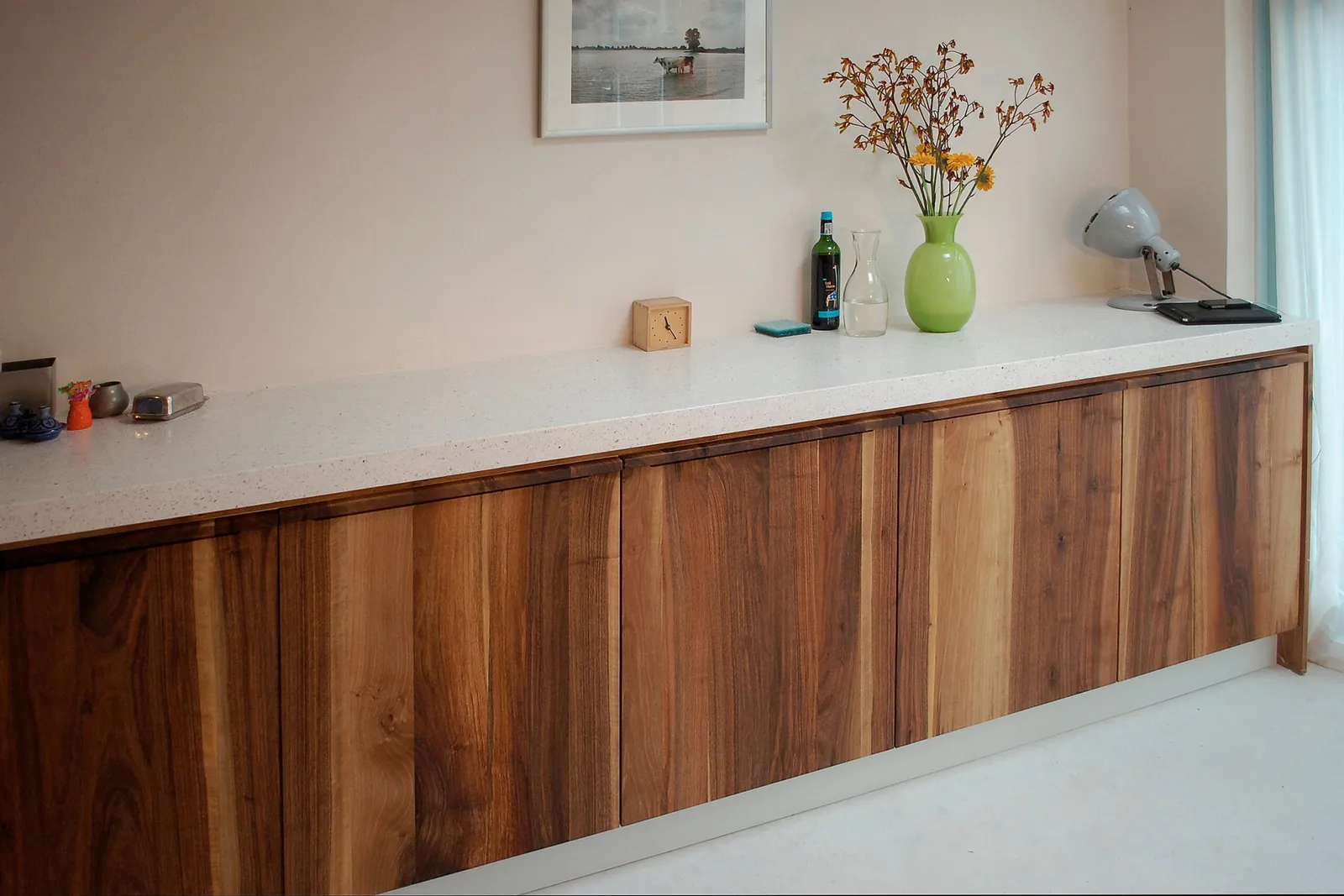
Distinctive and sustainable
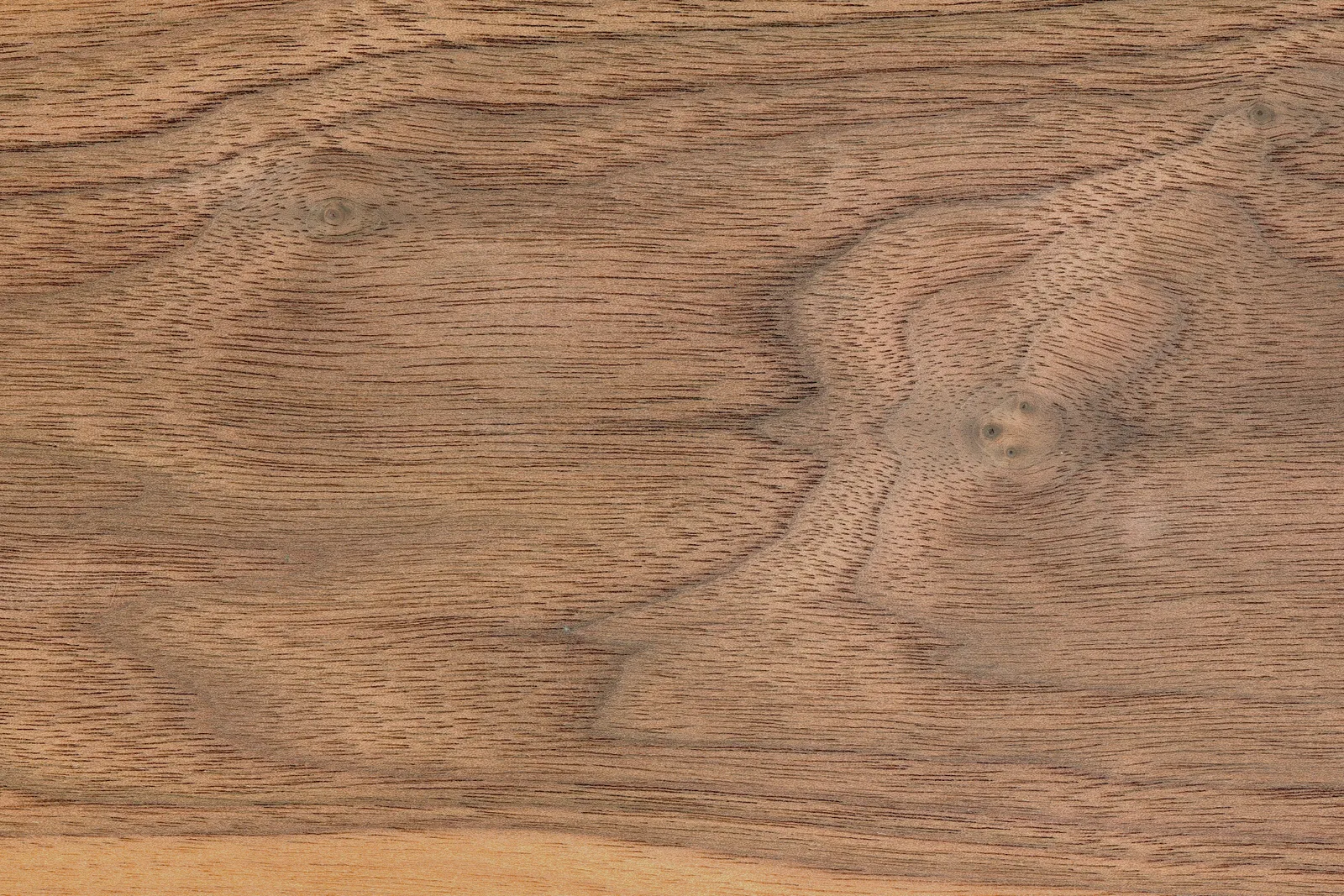
There are several reasons to add this timber to your repertoire. First and foremost, local timber is a sustainable choice. Like all timber species, European walnut absorbs CO2 during its lifetime, and the carbon remains stored in the wood when the tree is felled. Choosing local timber also avoids emissions from long transport chains. But sustainability is not the only argument: with its warm colour and distinctive grain, walnut adds an original touch to any interior application.
A tree with character
Did you know that walnut trees were popular in the Middle Ages too? Particularly among witches. They held their sabbats beneath them because they believed the trees could not be struck by lightning, although this folk belief has never been scientifically proven.
What has been proven is that the walnut tree is not particularly sociable. It secretes ‘juglone’, a substance that inhibits the germination of other plants growing around it. The tree does this to improve the chances of survival for its offspring, but ironically, walnut trees are now underrepresented in our forests.
A favourite for interiors
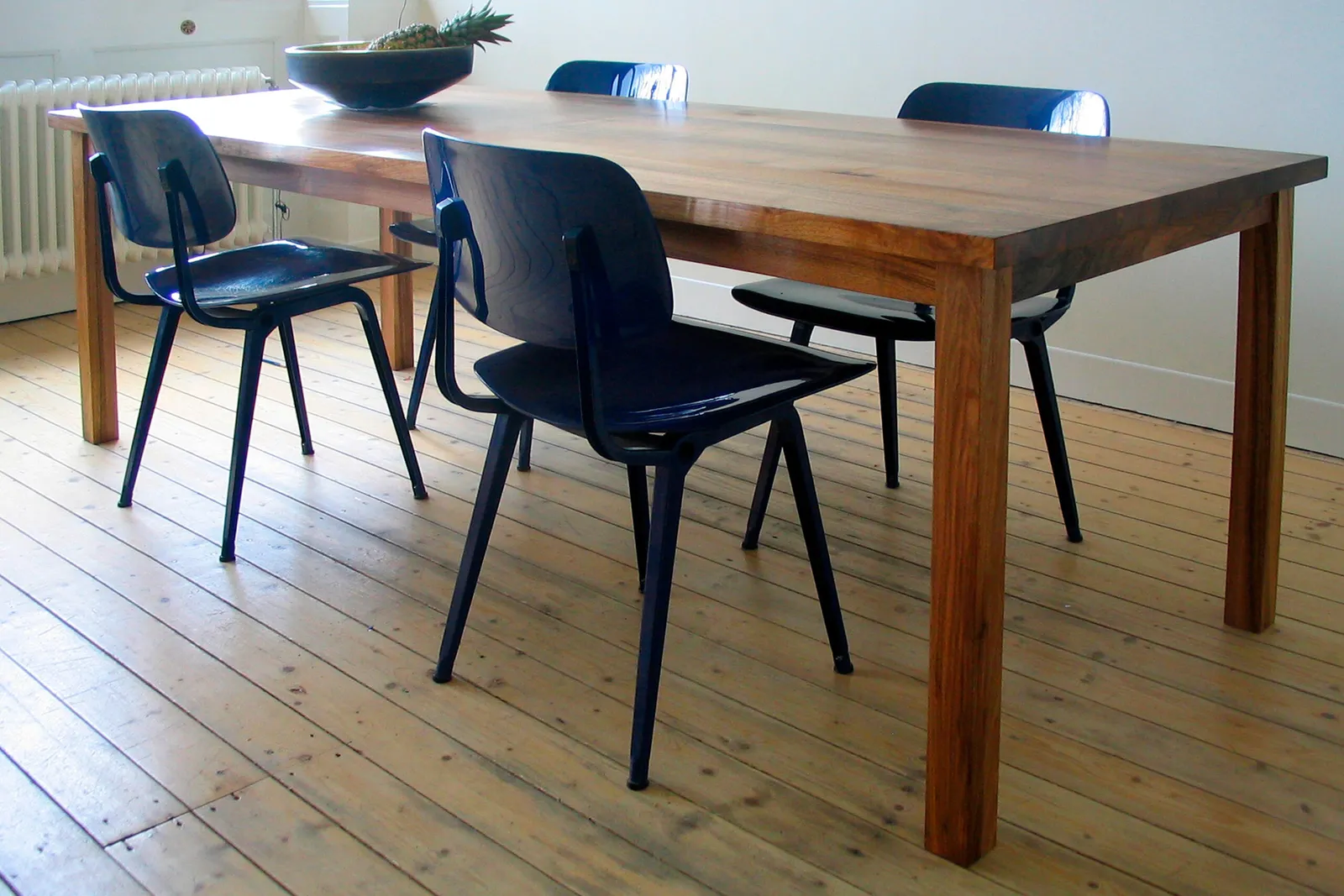
Walnut sapwood is non-durable, while the heartwood is moderately durable (class III). In theory, it can therefore also be used outdoors, provided there is sufficient ventilation and the wood is not in contact with the ground. In practice, it is rarely used for exterior joinery. It comes into its own indoors. A preventive treatment using process A1 also protects it against insects and fungi.
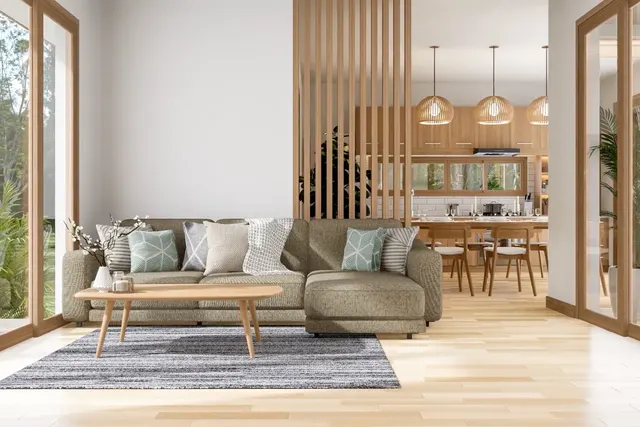
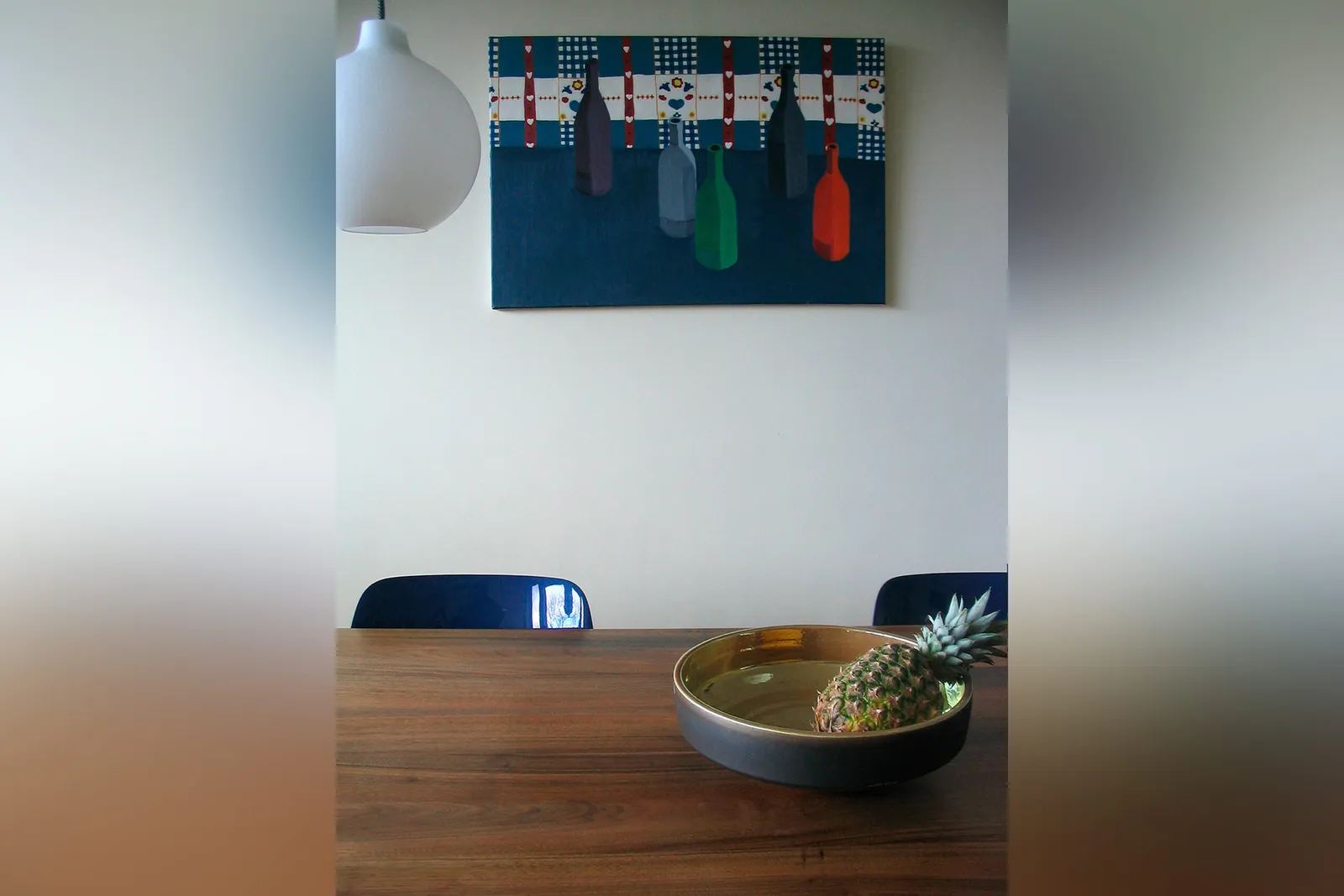
European walnut is prized for its beautiful colour and grain. The grain can be somewhat irregular, the texture is fairly fine and the pattern varied. It is ideally suited to interior joinery such as stairs and parquet flooring, as well as other interior applications. Due to its limited availability, it is often made into veneer. As this requires only a thin layer of wood, more can be made from each log. Walnut veneer can be used for furniture and interior cladding, among other things.
Easy to work
European walnut dries relatively slowly, but once dry, it is very easy to work. It does not split easily, which also makes it a favourite with sculptors. It is particularly easy to machine, and your tools will not wear out quickly. Walnut can be finished in a variety of ways, including waxing, varnishing, oiling and lacquering. Please note: a combination of moisture and non-stainless metals can cause black stains.
Want to know more? For further information about European walnut, contact Hout Info Bois.
Question about this story? Ask your question
Keep following this
Get an email when a new story is published. No account needed.
- ThemeSelecting timber and panel materials
- SubjectWoodworking