‘Cras doubles production capacity for thermally modified wood’
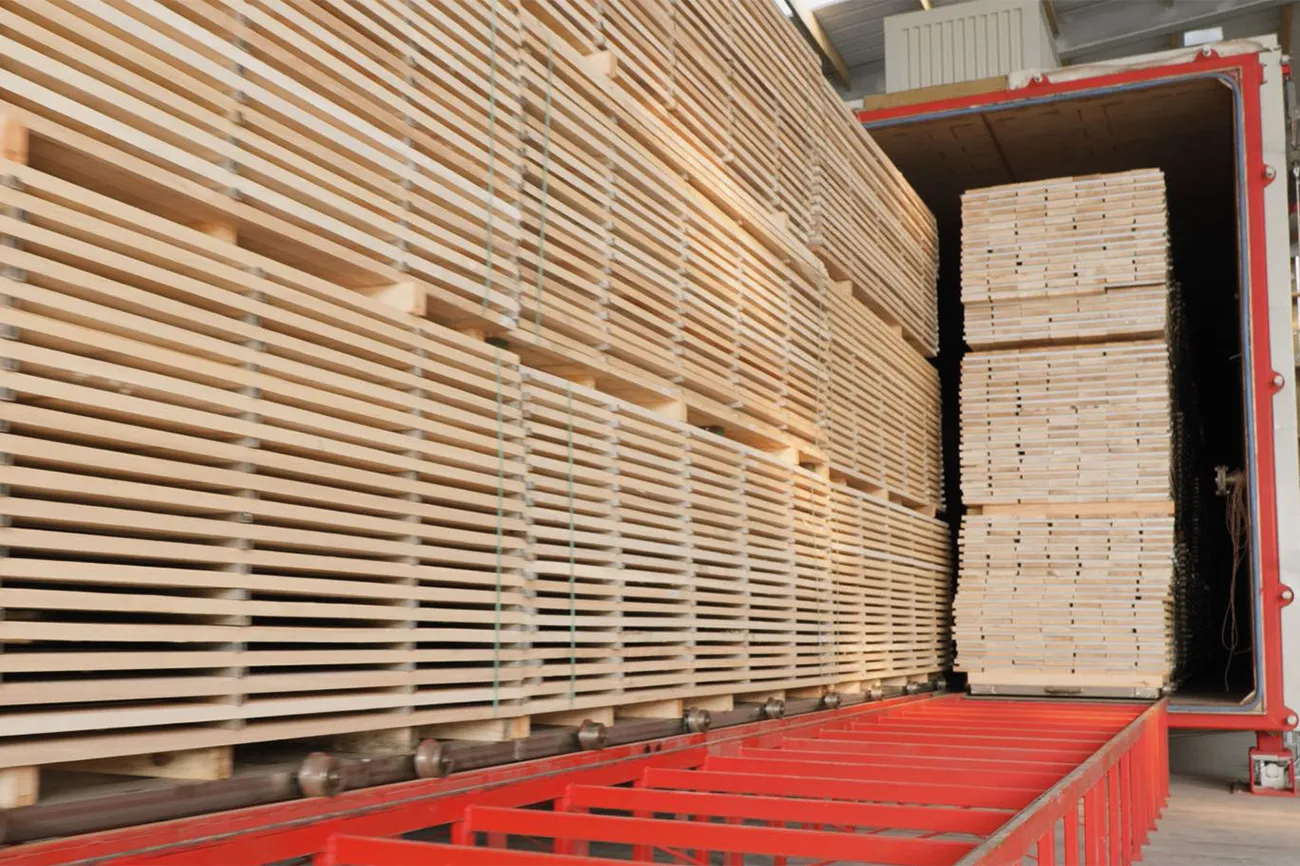
Every year, 11,000 m³ of wood now receives an ecological upgrade in durability.
FAMILY BUSINESS WITH BIG AMBITIONS
From its head office in Waregem, Cras regularly shares news about investments and acquisitions. ‘We are indeed working on an impressive growth story,’ says COO Hendrik D’hont. ‘From our 17 branches, we serve timber professionals with a wide range of wood-related products and associated services. We saw, plane, rout, drill and treat wood to the customer’s specifications. We also now fit our own interior doors into frames and laminate sheet material with HPL. We do all this to take as much of the work off our customers’ hands as possible. We want to become the partner of choice for timber professionals, which is why we are investing heavily in creating added value.’
INVESTING IN SUSTAINABLE SOLUTIONS
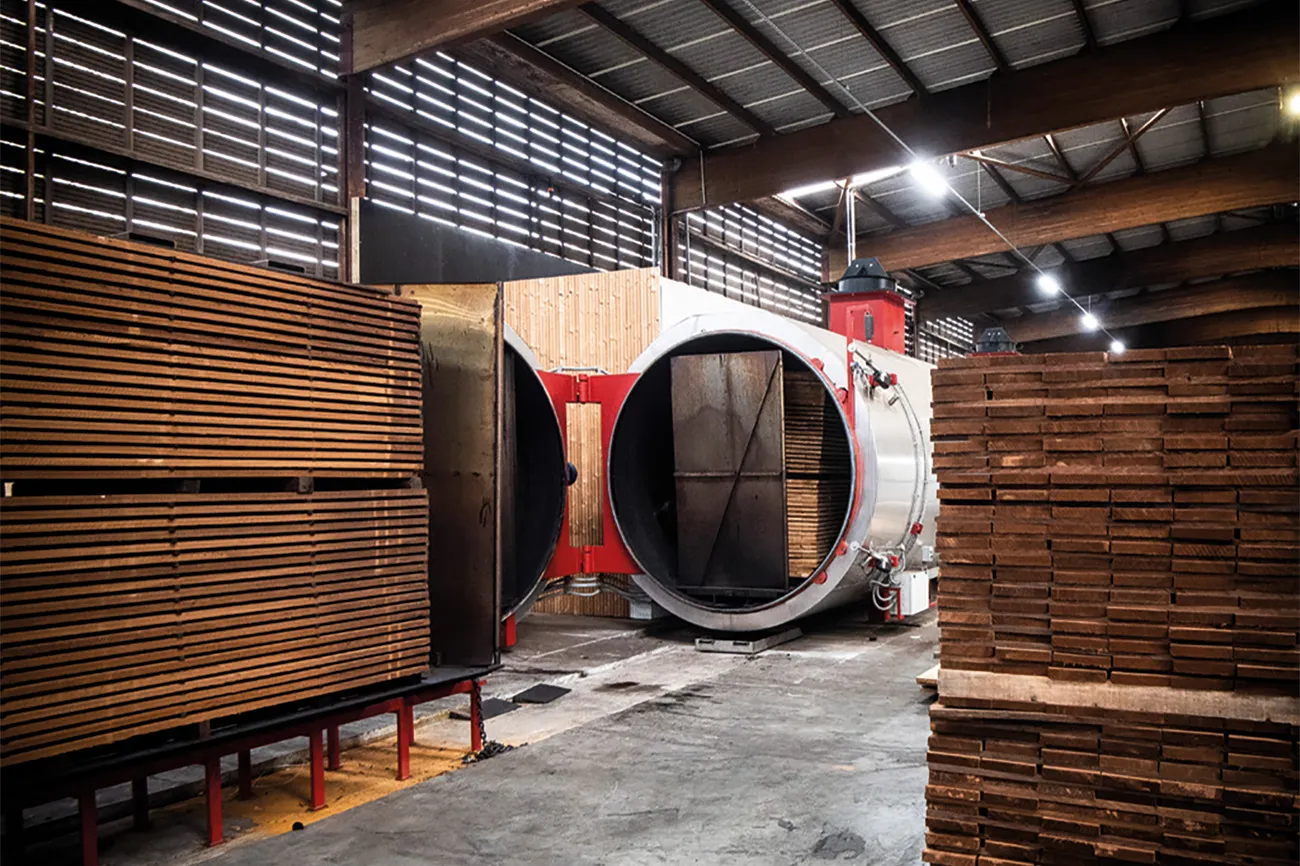
This week, the Cras team installed a brand-new thermo-vacuum system. This machine heats wood under vacuum to just over 200°C in a carefully controlled process. Wood treated in this way is resistant to fungi and insects. The wood’s cell structure also changes, making it much more stable. This wood hardly ‘moves’ at all.
This technique can significantly improve the durability of naturally less durable wood species. Market interest is therefore very high.
The
interest from the market is therefore very high.
‘This machine is a copy of the existing system, but three times larger,’ they say in Waregem. ‘This increases our capacity to 11,000 m³ per year. The thermal modification system we chose stands out for its environmental credentials,’ says the COO. ‘First of all, it uses less electricity than other thermal processes. We also generate much of that electricity ourselves using our solar panels. What’s more, this wood treatment technique does not require water. No other additives are used in the process either. No chemicals are involved.’
The new system has also been fitted with built-in weighing equipment that measures the weight of the wood throughout the treatment cycle. These data are an important indicator for monitoring treatment quality. We will also install this weighing system on the first systems so that we have identical processes. This will enable us to guarantee optimum quality.
ADDING VALUE TO LOCAL WOOD SPECIES AND REDUCING OUR ENVIRONMENTAL FOOTPRINT
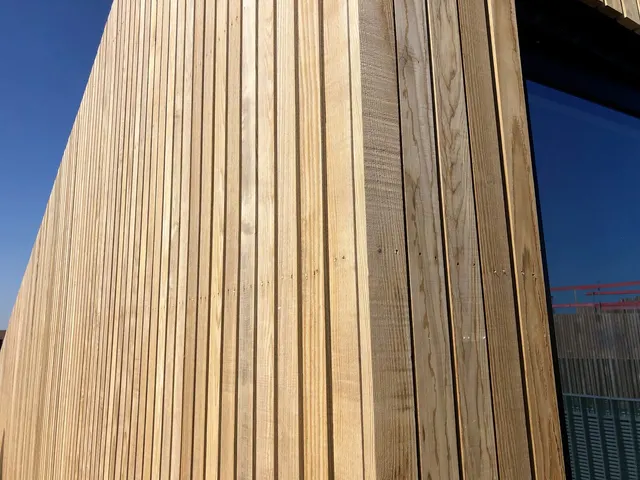
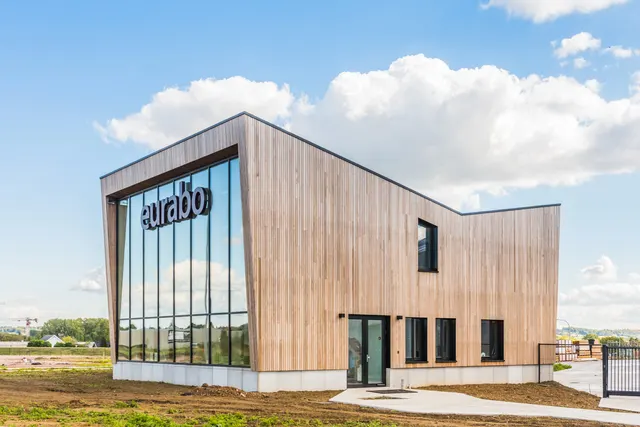
‘Treating local European wood species in this way makes them much more durable and suitable for a wider range of applications,’ Hendrik D’hont continues. ‘We can now offer ash, poplar and spruce for cladding. Until recently, mainly tropical wood species were suitable for this purpose. The range available to timber professionals and consumers is now broader, and we are seeing an increase in the use of local wood species. One positive result is that less wood has to be shipped from the other side of the world, which saves a great deal of CO² emissions.’
Question about this story? Ask your question
Keep following this
Get an email when a new story is published. No account needed.
- ThemeSelecting timber and panel materials
- SubjectWoodworking