Software as the silent force behind interior fit-out
Text Christobal van Leeuwen
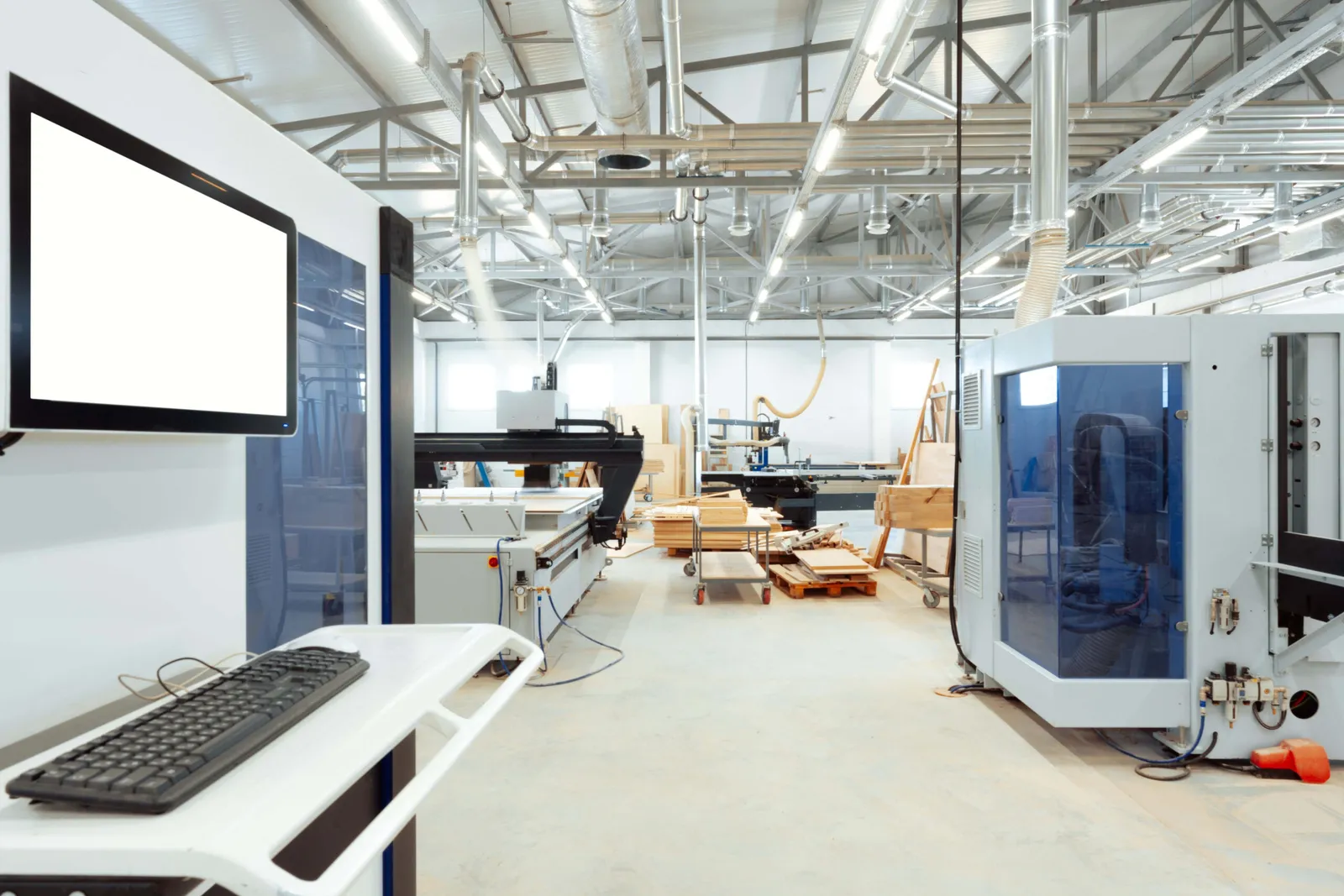
The interior fit-out industry is changing at breakneck speed. Where craftsmanship traditionally revolved around materials, machinery and manual labour, software is increasingly coming to the fore. Not as a replacement for the craft, but as a way to enhance it. From design to production and installation, digital tools are increasingly forming the backbone of efficient, error-free projects.
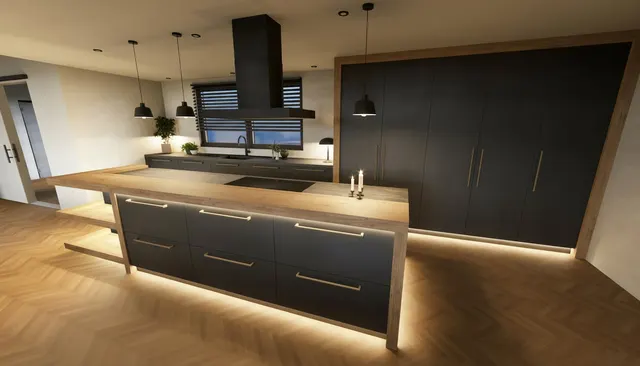
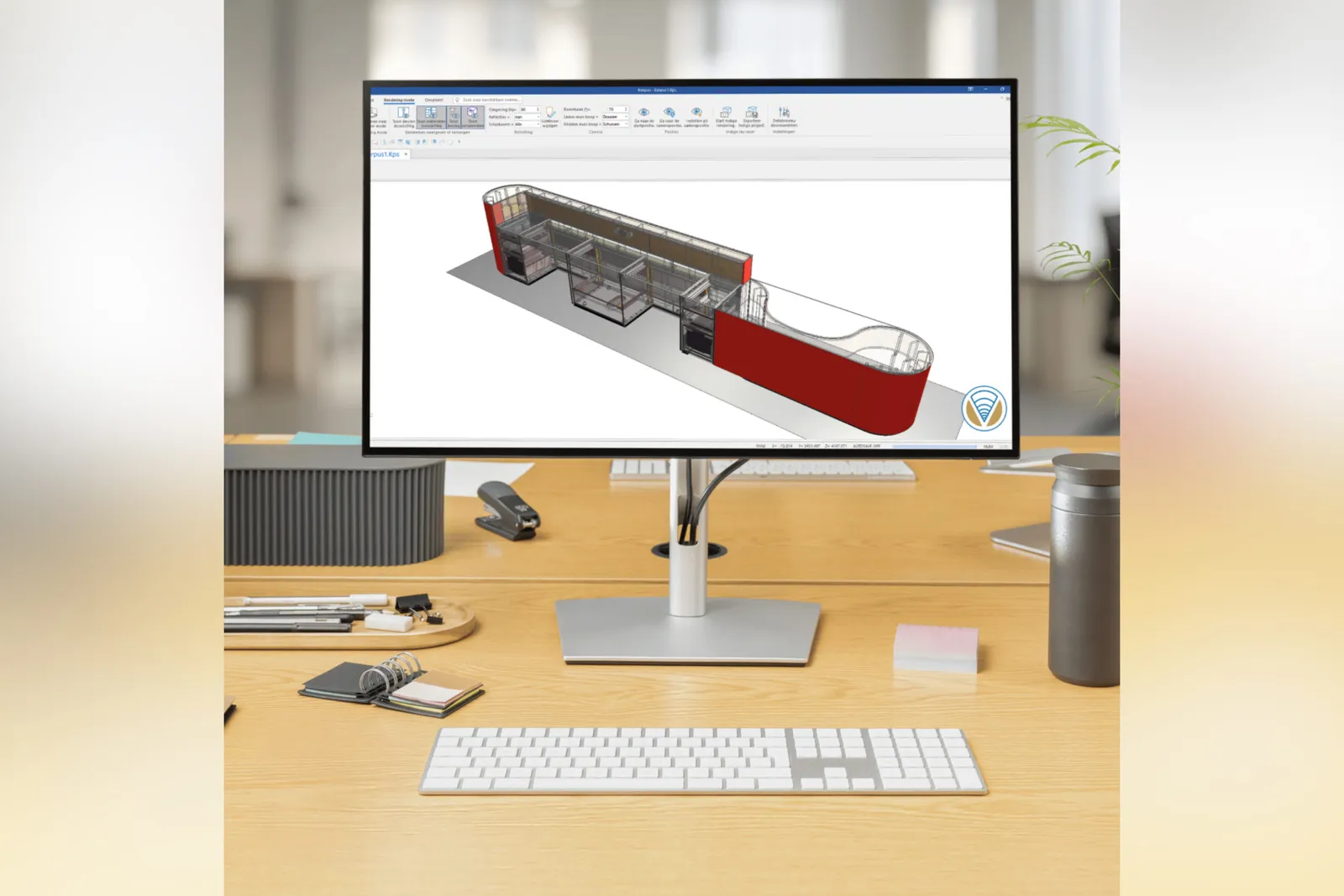
Where a design once began with pencil and paper, the process is now largely digital. CAD and BIM software make it possible not only to develop designs visually, but also to translate them directly into production data. This means fewer differences in interpretation and shorter lead times.
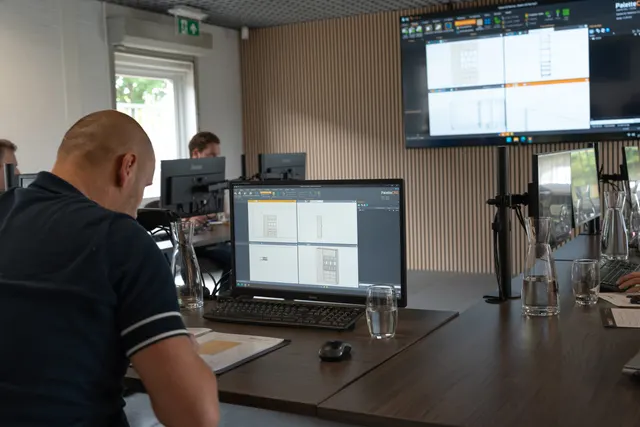
One notable shift is away from standalone software packages towards integrated platforms. Design, costing, production planning and manufacturing are increasingly being brought together in a single environment. This creates a streamlined workflow in which data does not have to be entered repeatedly. That saves time and prevents errors.
Connecting with the shop floor
The real benefit of software lies in the connection between the office and the workshop. CNC machines, sawing lines and nesting software communicate directly with the design file. This makes bespoke work not only faster to produce, but also more consistent.
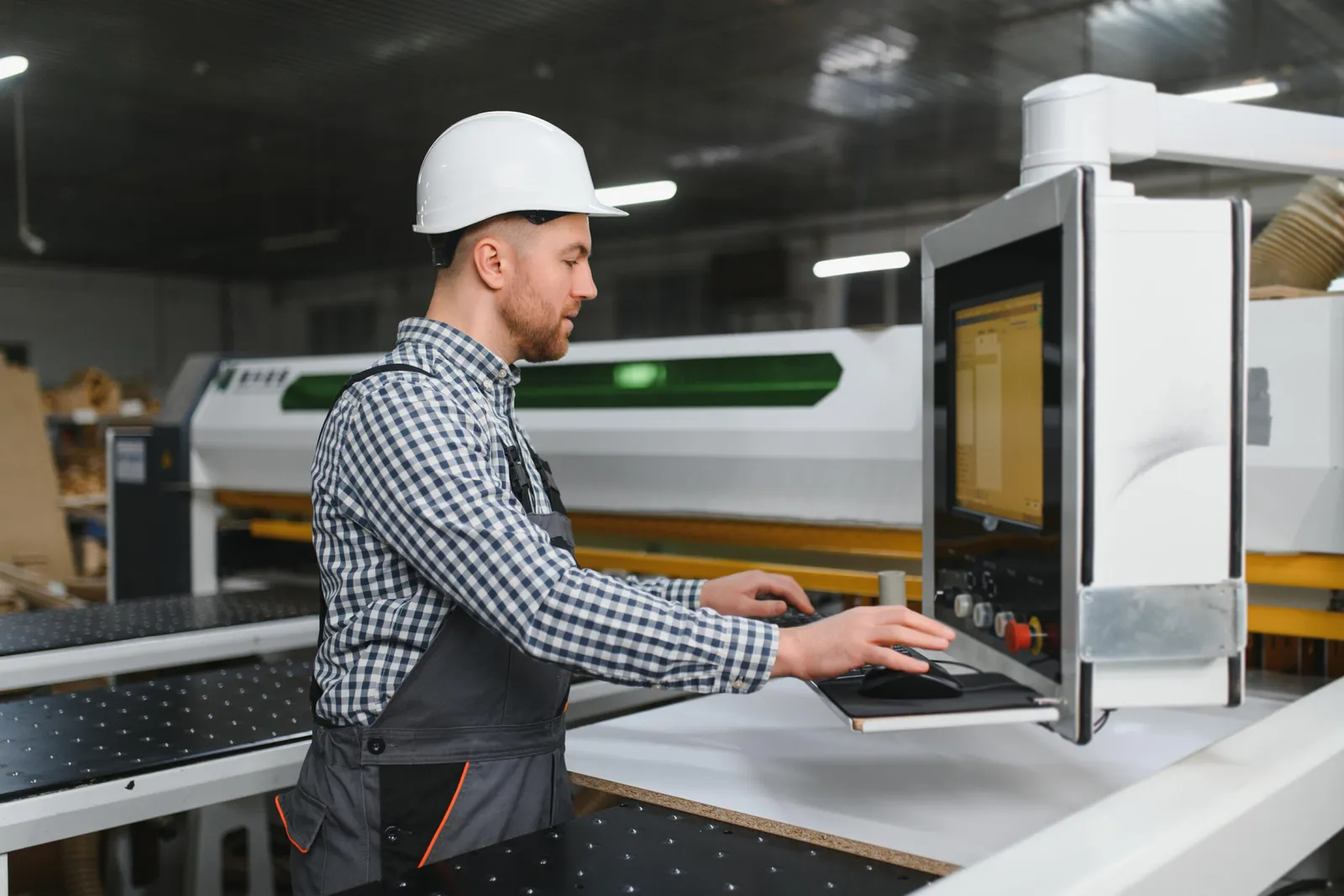
We are also seeing the rise of shop-floor software: systems that give operators real-time access to production schedules, drawings and instructions. Tablets and screens are increasingly replacing paper job sheets. This brings greater flexibility and makes it easier to implement last-minute changes.

Data as a strategic tool
Software generates data that is becoming increasingly valuable. Companies that digitise their processes gain insight into lead times, quality costs and material consumption. These insights make it possible to optimise business operations continuously.
Data is also playing a bigger role commercially. Configurators and quotation software enable companies to prepare quotes more quickly and accurately. In some cases, customers can even design their own interior online, complete with a real-time price estimate. This significantly shortens the sales process.
Challenges: implementation and adoption
However, switching to new software is no easy task. Implementation requires investment, not only financially, but also in time and training. Employees need to get used to new systems and ways of working. Without buy-in from the team, the potential of the software remains untapped.
Standardisation is another challenge. Many interior fit-out companies work on a project basis and deliver bespoke solutions, making their processes less predictable than those in serial production. The digital system therefore needs to be flexible enough to handle this variation.
The role of AI and automation
One important development is the rise of artificial intelligence in software solutions. Examples include automatic optimisation of sheet layouts, intelligent error detection in designs and even generative design. In this approach, smart software suggests design alternatives based on predefined parameters.
Although these applications are still under development, they are expected to bring further change to the sector. Not by replacing skilled tradespeople, but by helping them make better decisions, faster.
Conclusion: digital craftsmanship is gaining ground
In the interior fit-out industry, software is no longer an afterthought, but a crucial success factor. Companies that invest in digital processes benefit from greater efficiency, fewer errors and better management information. At the same time, this development calls for a different way of working and thinking.
The future of interior fit-out lies in combining traditional craftsmanship with digital intelligence. Those who find the right balance will have a clear advantage in an increasingly competitive and innovative market.
Question about this story? Ask your question
Keep following this
Get an email when a new story is published. No account needed.
- ThemeDigital workflows from design to production
- SubjectSoftware & automation