Simpler, faster and more accurate: how far can automation with CAD-CAM software really go?
The focus is increasingly on improving efficiency: saving time, minimising the margin for error and growing the business as a whole.
The advent of CNC machines has created strong demand for greater efficiency. One emerging challenge is the amount of time spent on production preparation when a single design has to be worked out in several different programmes.
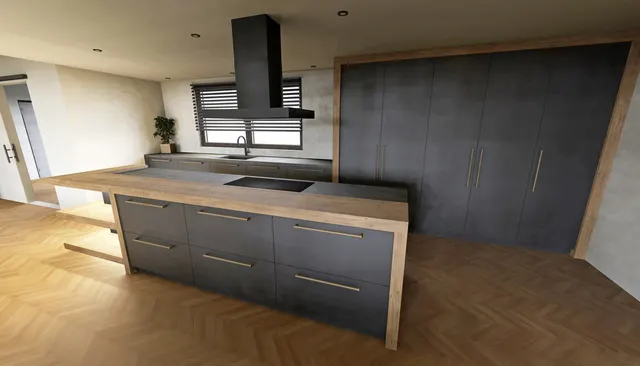
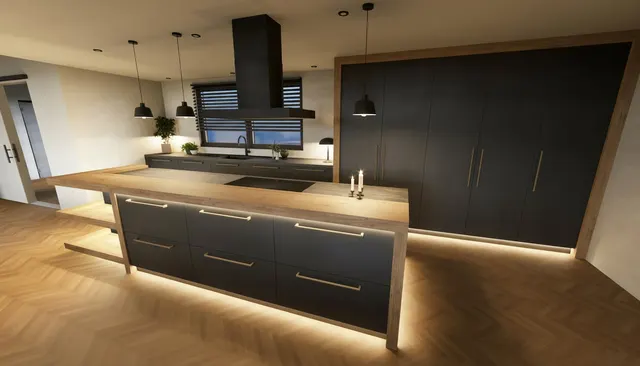
Today, a 3D visualisation is usually created to convince the customer to make a purchase. After measuring on site, if necessary, a 2D technical drawing is often produced showing the various views. The data is then entered manually into the panel saw, and everything has to be entered again in the CNC software. Handy macros can now speed up this process, but they do not deliver the efficiency many people are looking for. The risk of errors is greater because each step is worked out separately. If an adjustment has to be made along the way, many of these steps need to be repeated.
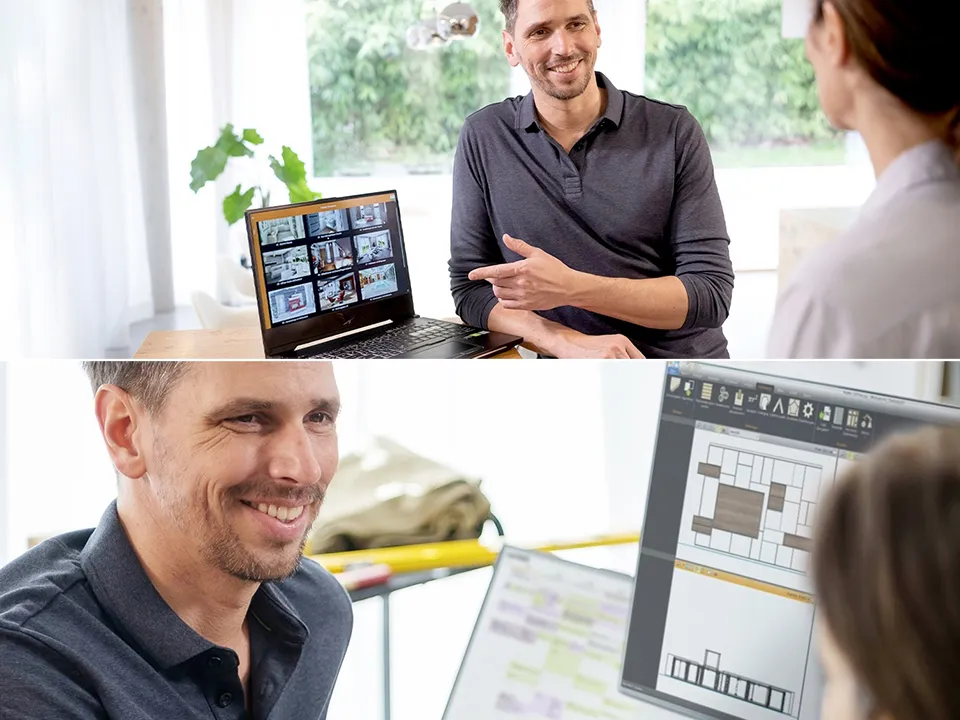
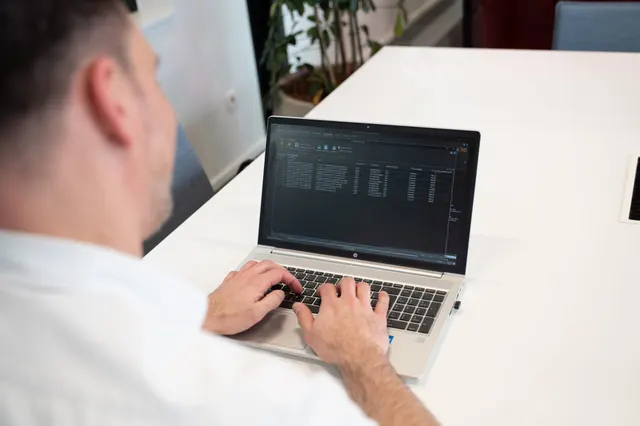
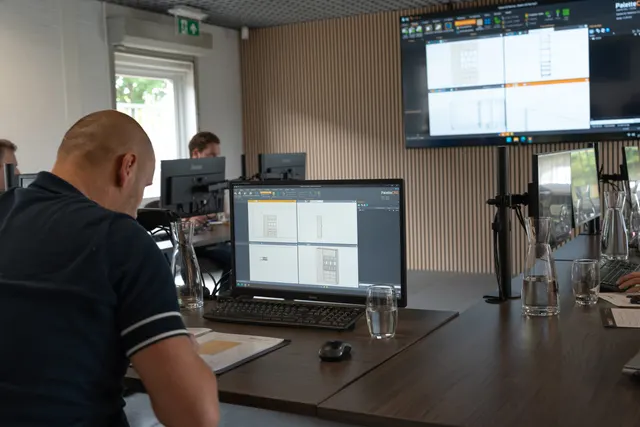
PaletteCAM, PaletteCAD’s CNC interface, makes it possible to carry out this entire process much more simply, quickly and accurately. Once a design has been drawn in PaletteCAD, all the data required for production is immediately available. All the panels and their associated operations are shown in the drawing, and the user only has to convert them into files that the CNC machine can read. This is where PaletteCAM saves a great deal of time.
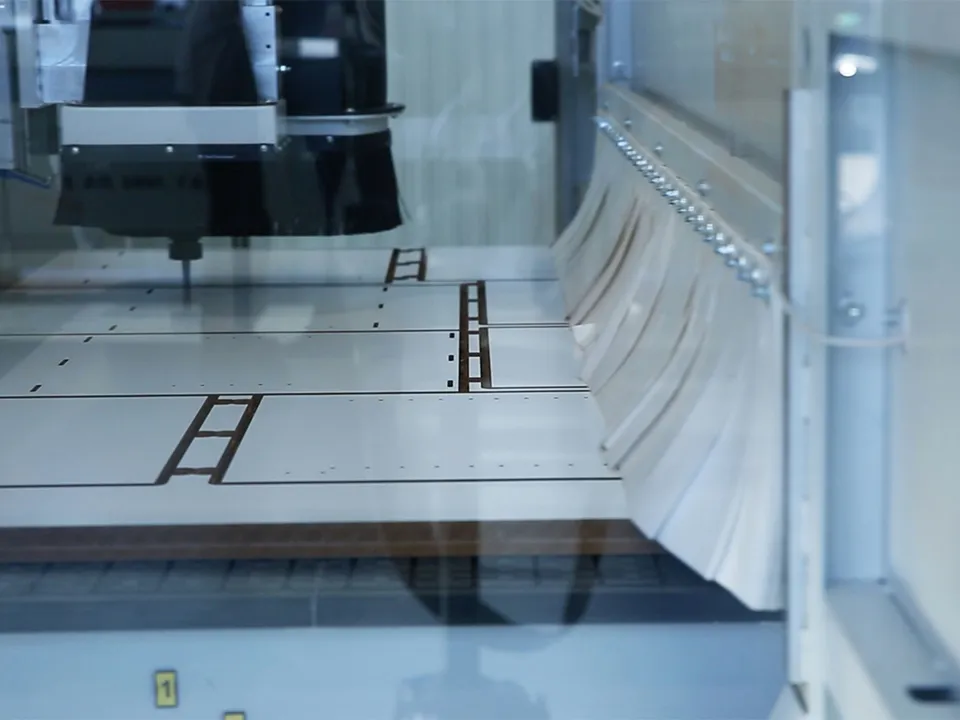
With just a few mouse clicks, PaletteCAM creates all the files the CNC machine needs for production from the PaletteCAD drawing. Each panel is programmed individually, with all its operations and the corresponding tools. Depending on the production method, it is also possible to create a file that can be placed directly in the panel saw software.
Why is PaletteCAD’s CAD-CAM combination so successful?
When PaletteCAD Nederland develops a postprocessor, it is a bespoke solution. The software specialist does not use DXF files, G-code or standardised CNC exports. Every interior construction company has its own way of working, and every machine has its own control system and tools. These variables are taken into account when the postprocessor is installed.
Several factors are crucial when generating the right CNC programme. Here are some examples. Do you have a nesting table or a pod-and-rail table? What is the production sequence? Do you want to saw with or without an oversize allowance, and do you want to trim on the CNC machine or not? Does your edgebander have a pre-milling unit? Which cutters and drills are fitted to the machine, and what are their specifications? How are grooves, cut-outs and mitres made? When does the positioning of the panel on the machine need to be adjusted?
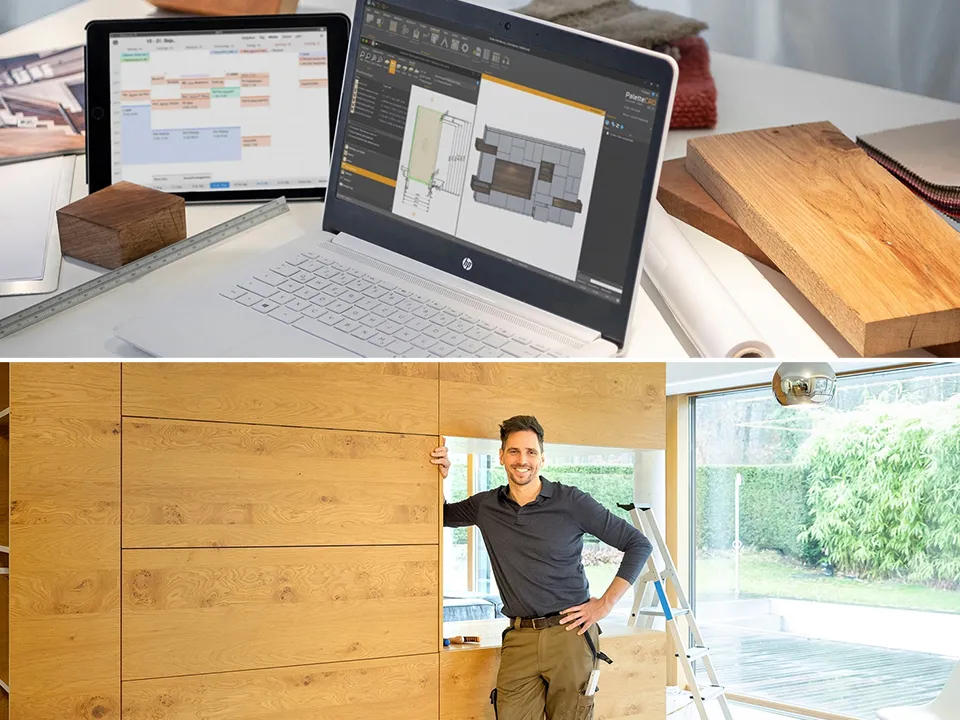
If required, PaletteCAM can also call up macros and take account of special situations, such as using different tools for specific panel thicknesses or materials. Automating the CNC files can save the user several hours per project. If an adjustment is needed along the way, it can be made quickly in the CAD environment, after which the new files are ready for production again with the same few clicks. PaletteCAM exports files for the most common CNC machines, including: Masterwood, Format4, Biesse, SCM, Homag, Holz-Her, IMA and Gannomat.
PaletteCAD has a special partnership with the new panel connector, FixChip. This recent invention delivers at least forty per cent more output when used on nesting tables. With FixChip, all operations, including those on the end of a panel, can be carried out in the first clamping. No expensive aggregates are required. By leaving just 36 millimetres of clearance between the panels, FixChip can save a great deal of time and waste on a nesting table.
With a nesting table, PaletteCAM often has to take several CNC programmes or macros into account to enable all the operations. A small surcharge is therefore charged for the additional programming work. FixChip addresses this cleverly, so this operation is included in the standard postprocessor installation.
For more information, visit www.fixchip.com
Question about this story? Ask your question
Companies in this story

Keep following this
Get an email when a new story is published. No account needed.
- ThemeEfficient workshop production
- SubjectSoftware & automation
- CompanyPaletteCAD Nederland