European Machinery Regulation: what changes in your workshop?
Text Marlies DecavelImage FOM, Holzer, Noblesse, Optimat
Replacing a saw, adding automatic loading to your CNC machine or installing a return conveyor: your workshop is never static for long. But who assesses safety when something changes? From 20 January 2027, the new European Machinery Regulation applies. It clarifies responsibilities for substantial modifications and sets more explicit requirements for digital safety. What does that mean for buying, using and expanding your machinery?
The European Machinery Regulation (EU) 2023/1230 sets out the requirements manufacturers must meet when they design, build and place machinery on the market. From 20 January 2027 it replaces Machinery Directive 2006/42/EC. The rules apply directly in all EU member states. The regulation also clarifies the obligations of importers, distributors and parties that offer machinery under their own name or brand.
The basics remain recognisable. Manufacturers design safe machinery, assess risks and follow the applicable conformity assessment procedure, the procedure used to establish whether their machine meets the requirements. They draw up the technical documentation and the declaration of conformity and affix the CE marking.
Existing machines remain usable
The saw or planer in your workshop does not have to make way for a new one because of the new regulation. Nor do you have to re-affix CE marking to existing machines. As an employer you remain obliged to keep them safe, maintain them and use them in accordance with the instructions. Substantial modifications may bring additional obligations.
Suppliers may also continue to sell their stock after 20 January 2027, provided they placed the machines on the EU market before that date in accordance with the current directive. Are you buying a machine around that date? Ask your supplier which rules apply. That depends on when the machine was first placed on the EU market. The order and production dates do not determine this. What matters is that a machine was actually made available on the EU market for the first time before the transition date; mere physical presence in a warehouse is not sufficient.
Check more than the CE marking
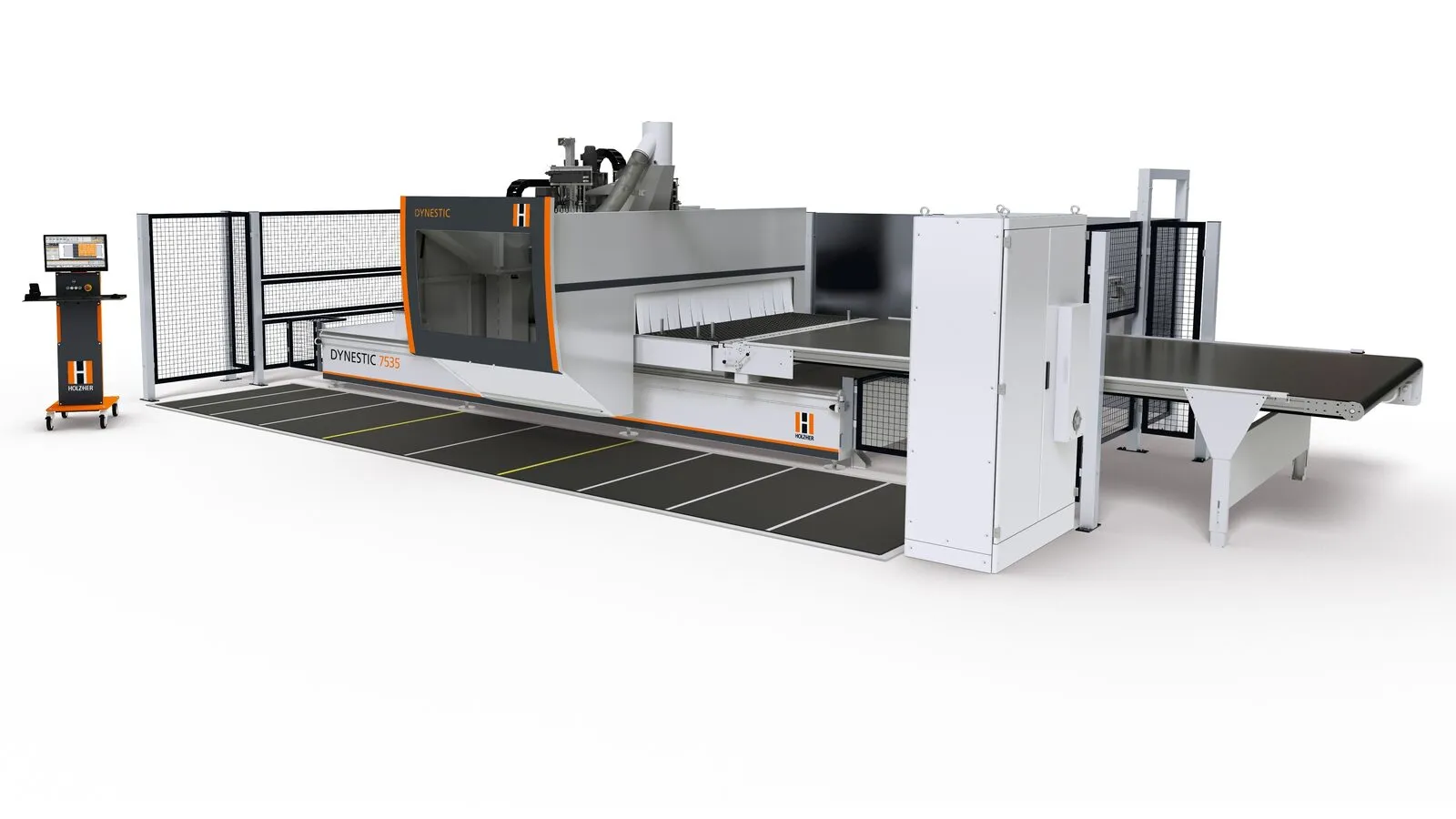
A good purchase starts with the work you need the machine for. Which materials will you process? Which operations do you plan? Discuss with your supplier which tools are suitable, what extraction capacity is needed and how the machine will be installed safely. Then check the CE marking and the accompanying documents. With that marking, the manufacturer declares that its machine meets the legal requirements. That does not mean an independent body has inspected the machine beforehand. A CE marking alone does not prove that a machine has been independently checked or that it meets all requirements in practice. Also check that the safety devices and the documentation match the version supplied.
The machine comes with an EU declaration of conformity and instructions for use. The declaration states, among other things, the manufacturer, the machine concerned and the applicable legislation. The manufacturer may also provide the declaration online, with an internet address or machine-readable code in the instructions for use. The instructions describe how to use and maintain the machine safely, and which risks remain. The manufacturer keeps the full technical file available for the competent authorities. As a buyer, you do not receive it as standard. For machines put into service in Belgium, the information must comply with the applicable Belgian language requirements. It is therefore wise to check beforehand which language versions of the instructions and safety information are required.
New is that the regulation expressly permits digital instructions for use. You must be able to download, store and print them, so that you can consult them easily in the event of a fault. Where instructions are supplied digitally, the manufacturer keeps them available online for the expected lifetime of the machine and at least ten years after the machine was placed on the market. A paper copy of the instructions must be supplied free of charge within one month if requested at the time of purchase. The regulation also allows the user to request a paper copy up to six months after purchase.
Different documents apply to "partly completed machinery" intended for incorporation into a larger installation. The manufacturer supplies an EU declaration of incorporation and assembly instructions. Once assembled, the complete installation must meet the applicable safety requirements.
Agree beforehand who will assess the whole. When integrating several machines, it is essential to establish in advance who acts as manufacturer of the final assembly.
When is an external assessment needed?
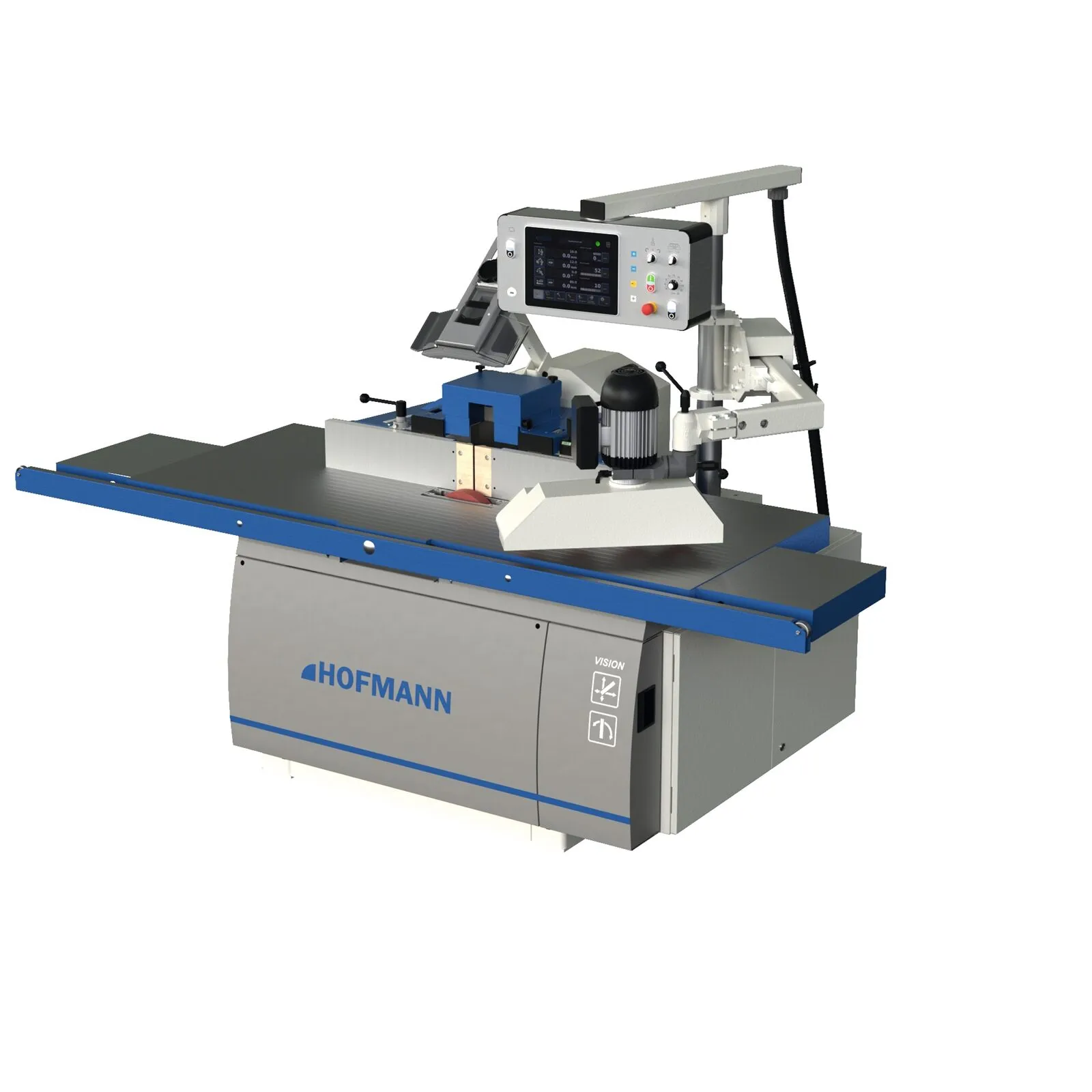
Specific assessment procedures apply to certain machinery categories. The regulation mentions, among others, certain circular saws, hand-fed surface planing machines and hand-fed vertical spindle moulding machines. Whether a competent external conformity assessment body must be involved depends on the category and the standards or specifications followed. For the woodworking machines mentioned, the manufacturer may carry out the assessment in-house if it applies harmonised standards or common specifications that cover all relevant safety requirements. These are technical standards or provisions with which it demonstrates that the machine meets those requirements. If that condition is not met, a procedure involving external assessment is required. Your supplier should be able to explain which procedure applies to your machine.
A substantial modification brings obligations
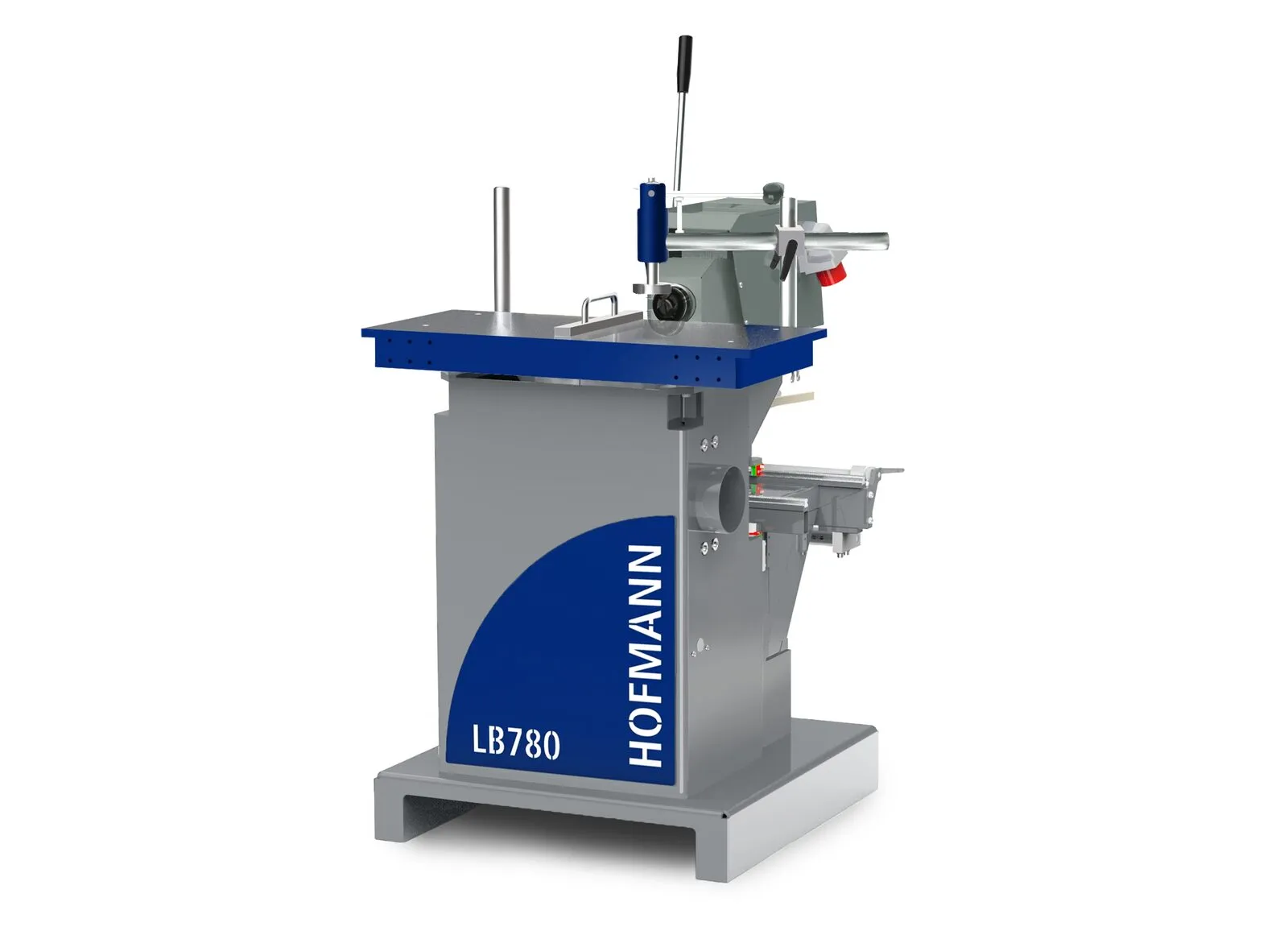
Installing an automatic feed or replacing the control system may affect safety. Before the work starts, therefore, have it assessed whether the intervention is a "substantial modification" under the regulation.
That term has a specific meaning. It refers to a physical or digital modification made after the machine has been placed on the market or first put into service. The original manufacturer did not foresee or plan it. It creates a new hazard or increases an existing risk, so that specific additional protective measures are needed. These are guards or safeguards that require the safety control system to change, or measures to ensure stability or mechanical strength.
Not every repair or software update falls under this. Whoever carries out a substantial modification does, however, take on the manufacturer's obligations for the machine concerned. The party carrying it out must, among other things, assess risks, draw up technical documents and follow the applicable conformity assessment procedure. That also applies if you, as a woodworking company, carry out such a modification yourself. Establish beforehand who assesses the intervention and who takes on the associated obligations. In the case of a substantial modification to an assembly of machinery, the obligations may, depending on the risk assessment, be limited to the part of the assembly concerned.
Risks also arise between machines
An edgebander, conveyor and return conveyor work together in a production line. If they perform a single joint function and the control system operates them as a whole, this may be an "assembly of machinery".
CE marking on each individual machine then does not guarantee that the entire line is safe. Think of a return conveyor that keeps moving panels while an operator clears a jammed panel. The safety assessment must therefore also cover how the machines interact. Where do machines pass workpieces on? Where do operators have access? Which machines must stop together? The current rules also require such an assessment. Responsibility for the safety and conformity of the whole must be clear before the machines are linked. That calls for particular attention to emergency stop circuits, interlocks between machines, access zones and responsibility for integration and handover.
Protect the digital control system too
A technician logs in remotely to your CNC machine to fix a fault. That is practical, but access to the control system carries risks. If someone changes safety settings or tampers with software, the machine may perform dangerous movements or a safeguard may fail. The new regulation contains explicit requirements to protect safety-related software and data against unwanted changes. A connection to other equipment must not make the machine unsafe either. The requirements focus on protection against corruption or unwanted changes that affect safety, not on a general guarantee that a machine can withstand every cyberattack.
Software sold separately that performs a safety function also falls under the regulation as a safety component. For safety components and integrated systems that perform safety functions and, through machine learning, exhibit fully or partly self-evolving behaviour, assessment by a notified body is mandatory. These are systems that develop their behaviour further on the basis of data. The obligation therefore does not apply to every use of AI in a machine.
Discuss with your supplier who gets access and who may change settings. That should include agreements on logging updates and interventions, and on checking safety after such changes.
More obligations for importers and distributors
The regulation also describes what importers and distributors must check. Anyone placing a machine from outside the EU on the European market must, among other things, verify that the manufacturer has drawn up the required documents and followed the correct conformity assessment procedure. The importer has its own verification, identification and traceability obligations in this respect. It cannot rely solely on a CE label or a declaration from a manufacturer outside the EU.
Before offering a machine, a distributor checks, among other things, the CE marking and the accompanying documents and instructions. If there are indications that a machine does not meet the requirements, it may not offer it until this has been resolved. The required safety information and instructions must also be available in the prescribed language or languages.
If an importer or distributor sells a machine under its own name or brand, it takes on manufacturer obligations. That also applies if it modifies a machine in such a way that it may no longer meet the requirements. When applying your own brand, it is therefore important that the party acting as manufacturer can substantiate the full conformity of the product offered.
Safety does not end at purchase
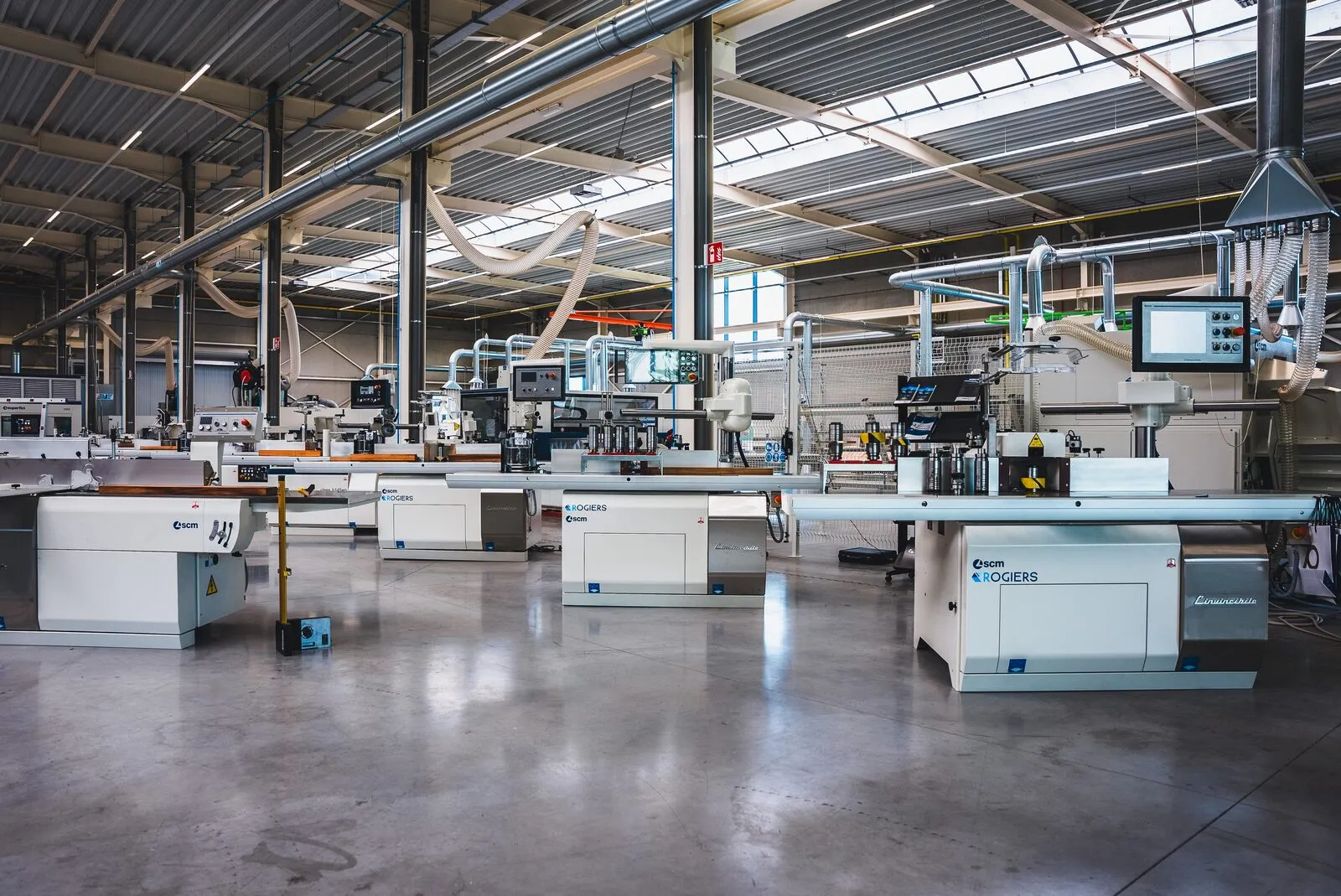
The requirements to capture or extract hazardous substances remain important. With a new machine, check the required extraction capacity and connection conditions. Are you adding machines? Then have it checked whether the existing extraction system retains sufficient capacity.
Before a purchase or modification, make agreements on the safety assessment and the documents you will receive. Include software management and training too. After that, maintenance, instructions for employees and the recording of changes remain part of a safe workshop. That way, at your next investment you know what to look out for and who bears which responsibility. In a project with several suppliers, record in writing who is responsible for assessing the complete installation and for aligning the safety functions.
Question about this story? Ask your question
Keep following this
Get an email when a new story is published. No account needed.
- SubjectMachinery