Eucalyptus, a high-quality substitute for controversial birch plywood
Text Trees AccouImage Altripan
A high-quality, competitively priced alternative
The timber market has faced numerous challenges since the war in Ukraine broke out in spring 2022. The economic sanctions against Russia that followed in particular have caused difficulties for timber traders. Popular birch plywood has since become harder to source. Altripan is offering alternatives for two specific applications that are not only equivalent in quality, but also more cost-effective.
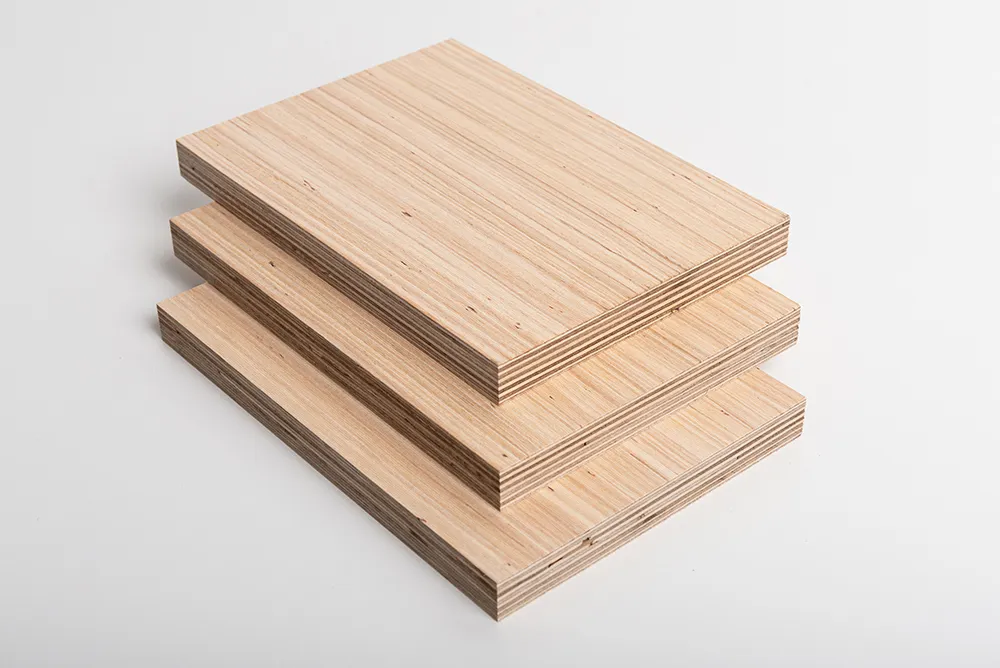
Altripan has been importing plywood, OSB and MDF panels for the European market since 1968. In a changing market, the company continues to develop high-quality alternatives, including now in response to the ban on imports of Russian birch plywood. “We look for materials that are just as strong in terms of quality. If the price is right too, then we and our customers are completely satisfied,” says Tom De Keyser, director of Altripan. “For example, since 2023 we have replaced the birch plywood in Overlay-ply and Parquet-ply with Asian eucalyptus, allowing us to guarantee the continued availability of these products.”
The same requirements, a different wood species
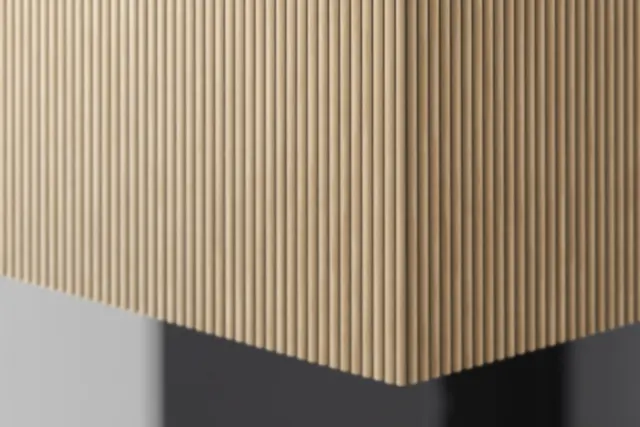
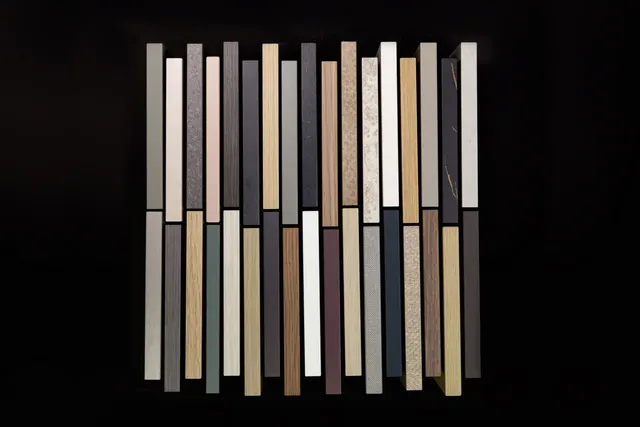
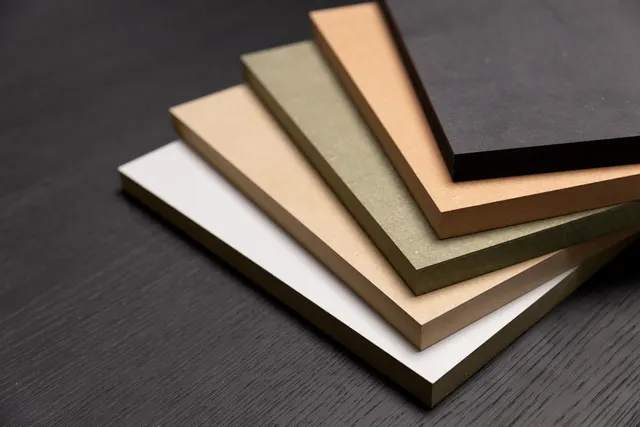
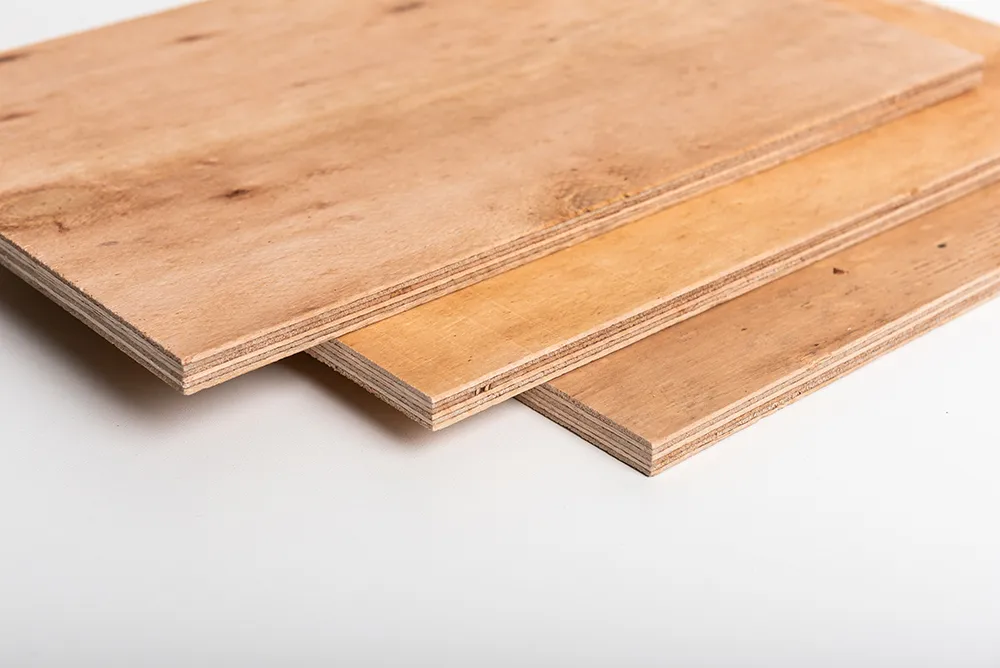
Tom: “To replace the birch plywood, we looked for a reliable alternative based on the requirements for these applications. These include the number of plies, the moisture content of the veneers and thickness tolerance. This panel material, for example, can have a maximum overall deviation of 0.2 millimetres per panel. We looked for a wood that both met the specifications and was sufficiently available on the global market. For Parquet-ply, we settled on Asian eucalyptus. It is a product of equivalent quality that we can offer at a more attractive price.” Altripan also looked to Asia for Overlay-ply panels. The core panel, which is faced with veneer, melamine or HPL, was originally made from birch. Today, the panel consists of eucalyptus and poplar. “Here, the dimensions and thickness of the face veneer were particularly important. We opted for a 1-millimetre-thick face veneer, with a thickness tolerance of 0.3 millimetres. As well as being used as a core panel, Overlay-ply is also used decoratively because it is an aesthetically appealing material.”
Question about this story? Ask your question
Keep following this
Get an email when a new story is published. No account needed.
- SubjectProduct information