EGGER: the new generation of wood
Text and images EGGER
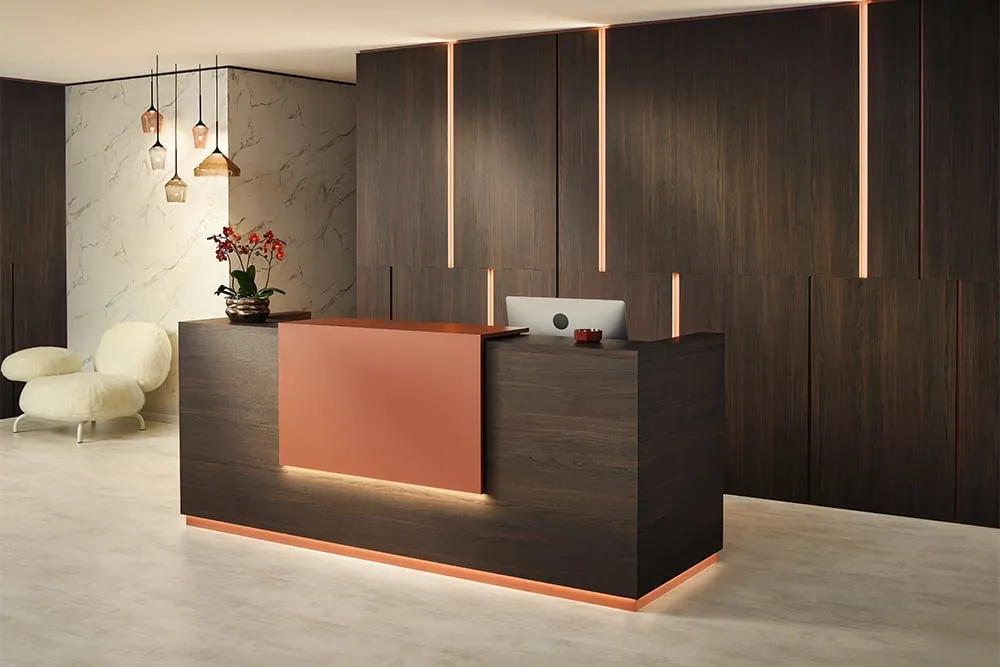
With the launch of the new EGGER Decorative Collection 24+, EGGER is continuing to improve the sustainability of its products. The wood-based materials specialist is investing in a continuously increasing share of wood from the circular economy and in binders made using renewable electricity. As a result, EGGER materials are now even more sustainable.
“Wood is far too valuable to simply throw away,” Fritz Egger Sr. (1922-1982) once said. This principle remains central to the innovative spirit of wood specialist EGGER. To promote the responsible and sustainable manufacture of its products, the company uses predominantly wood from the circular economy. Through investment in innovative technologies to increase the share of circular wood, the efficient use of resources, biogenic energy generation and binders made exclusively using renewable electricity, EGGER products, particularly its particleboards, make a significant contribution to improving environmental performance.
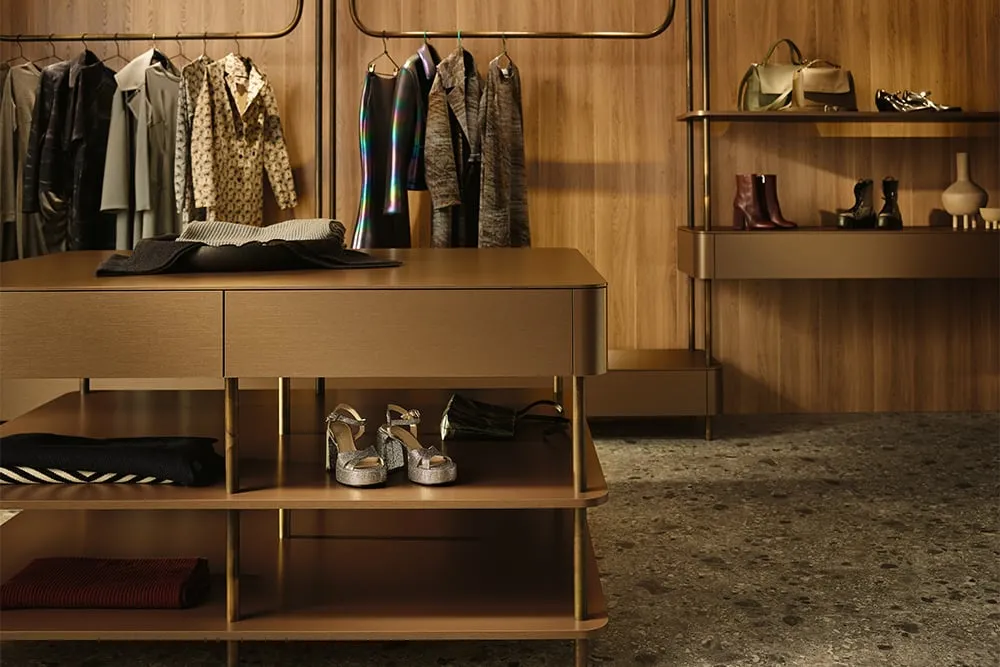
Even more sustainable
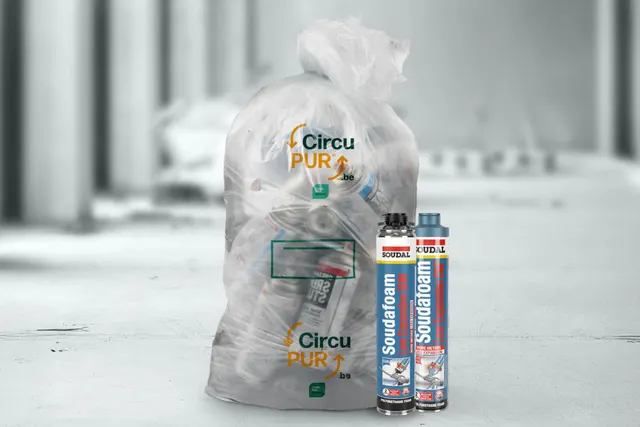
EGGER products are climate-friendly and have long made an active contribution to climate protection. Now the company is going a step further. To make its products even more sustainable and further extend their carbon storage effect, the specialist has invested heavily in recent years in expanding its own Timberpak recycling and collection centres.
This enables the manufacturer to continuously increase the share of wood from the circular economy while maintaining EGGER’s proven premium quality. For the new Decorative Collection 24+, launched in early 2024, EGGER has also switched to using binders in production made exclusively using renewable electricity. Finally, waste wood that can no longer be processed has potential for energy and thermal use, and EGGER uses it in its own production processes.
Focus on climate friendliness
“The carbon storage effect makes wood one of the most ingenious materials. The more often we recycle wood-based materials, the longer the carbon remains stored in the wood and the lower its impact on the climate,” explains Hubert Höglauer, Head of Marketing and Product Management for Furniture and Interior Design at the EGGER Group. “Our responsible use of wood enabled us to store 6.4 million tonnes of CO2 equivalent in the last financial year alone. EGGER particleboard is an ideal example. It is 100 per cent recyclable and consists of 76 per cent wood from the circular economy. Of this, 24 per cent comes from sustainably managed forests. What’s more, the wood used in this particleboard has already absorbed more carbon dioxide than is
emitted during production[1].”
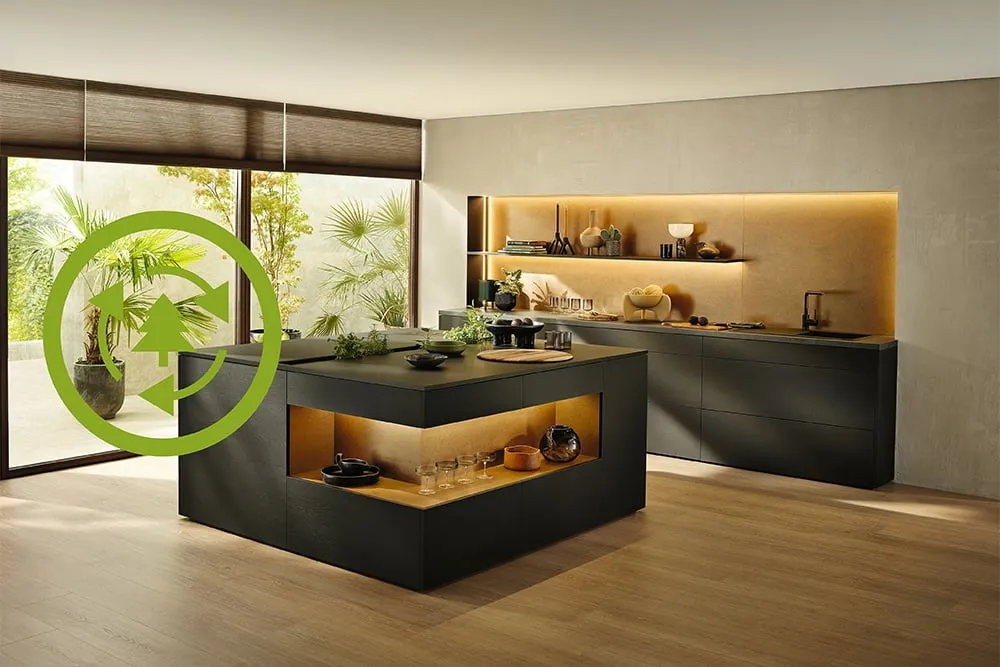
Sustainability meets cost efficiency
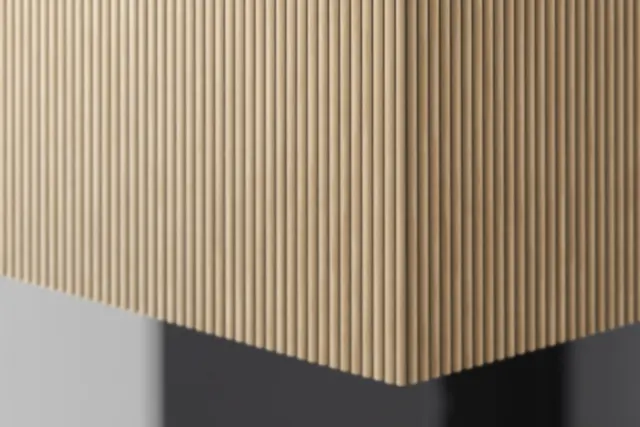
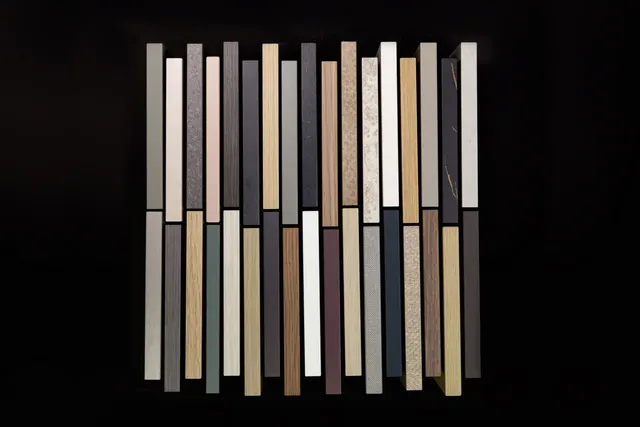
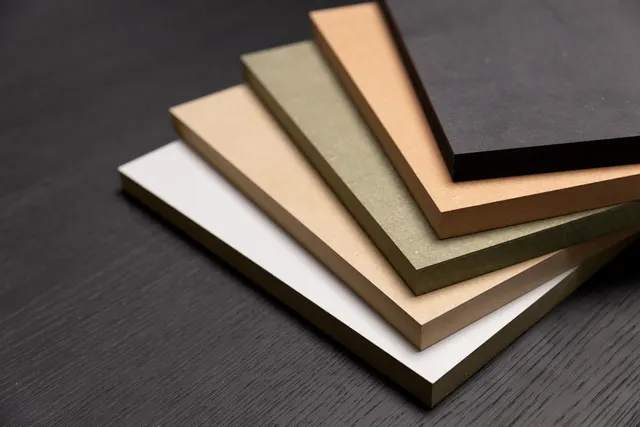
Environmentally friendly products do not necessarily have to cost more. EGGER particleboard proves this too. Compared with solid and veneered wood, it is more versatile and less expensive, without compromising on design or quality. The board also combines climate-friendly and cost-effective properties with a wide range of decorative surface finishes. EGGER particleboard is available in a variety of looks, including authentic natural wood reproductions and elegant stone effects.
Transparent sustainability
With its new generation of wood, EGGER is also emphasising transparent, fact-based communication about the environmental impact of its products. “We believe it is important to strengthen confidence in our products and promote responsible, informed decisions,” Höglauer stresses. “This approach gives customers an overview of the origin and composition of our products, their manufacturing processes and their return to the circular economy. They can also use our figures to make calculations for their own sustainability strategies and Net Zero targets.”
EGGER therefore provides detailed, easy-to-understand product-specific Environmental Product Declarations (EPDs) and Environmental and Health Declarations (EHDs). The specialist has also been publishing an annual sustainability report for six years, bringing together economic, environmental and social sustainability measures to monitor environmental and social performance consistently.
[1] EGGER particleboard: 1019 kg CO2-eq./m³ of carbon stored in the product; 147 kg CO2-eq./m³ fossil carbon footprint.
Question about this story? Ask your question
Keep following this
Get an email when a new story is published. No account needed.
- ThemeSustainable and circular timber supply chain
- SubjectProduct information