











Why investing in fire safety matters
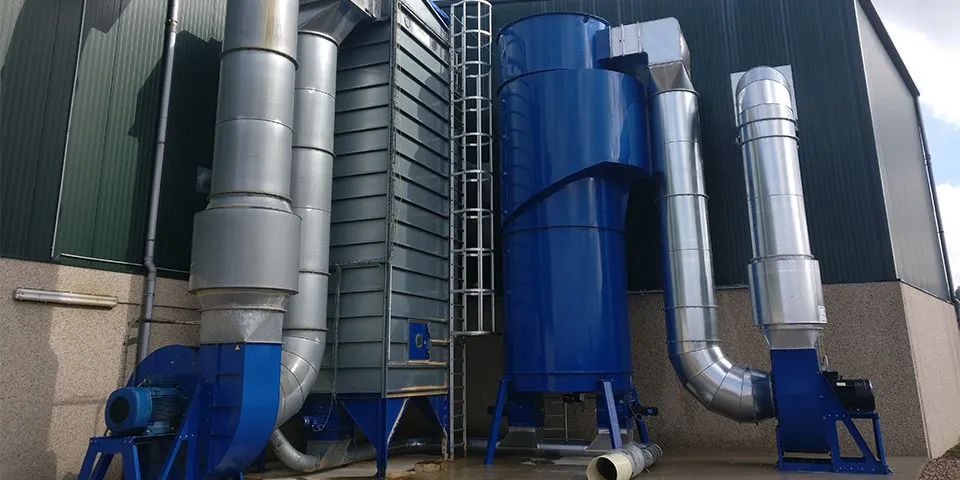
Covid-19 has turned the world upside down, and our economy is suffering. Companies are postponing major investment projects or putting them on hold indefinitely. Understandably, there are other challenges to tackle today. At the same time, Limoco wants to point out that there is another side to the coin, especially when it comes to workplace safety.

Limoco advises clients and provides solutions. (Image: Sourbron Fotografie)
The pandemic has put pressure on budgets, and investments are often being pushed back to future years. But what if the planned investment in a fire-safe dust extraction system is one of the projects that gets postponed? Or if the budget is cut? “Imagine a fire at your business causing extensive damage. That is something Limoco would hate to see happen,” the company says. “So, in this crisis, we are actively looking for opportunities. History shows that investing during less prosperous times pays dividends for a company later on.”
Inside or outside
Limoco would like to share a few key considerations for fire-safe dust extraction. “First of all, the dust extraction system needs to be correctly sized. If the filter or filter cloth area is too small for the airflow being extracted, the filter can become overloaded, creating a risk of explosion. Some of the extracted dust may also be blown back into the room with the fresh air, creating an unsafe and unhealthy environment.”
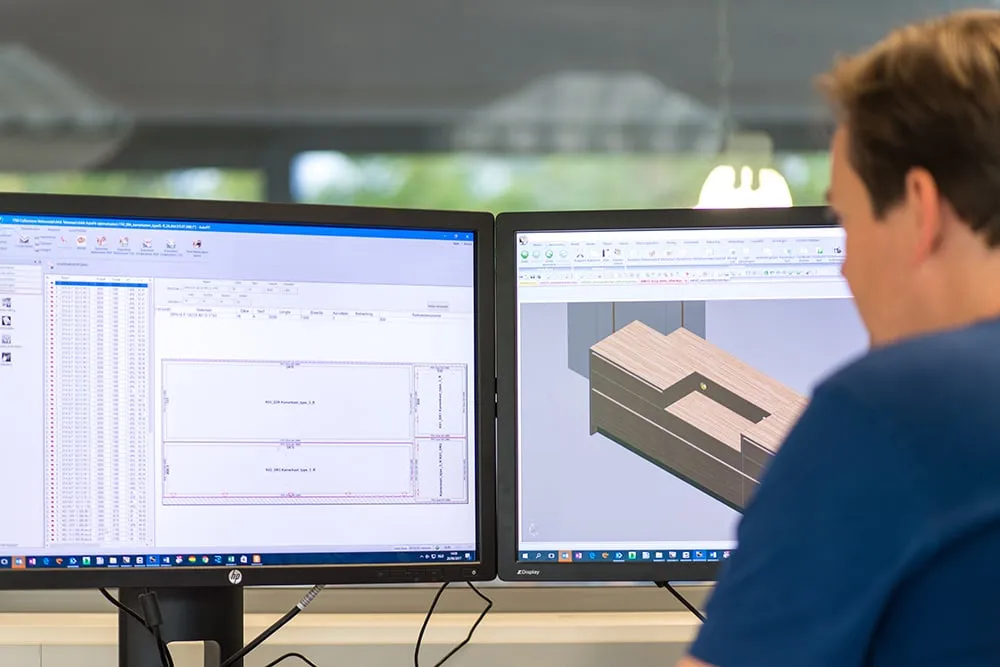
Be prepared and install a fire suppression system in your factory.
Installing a filter unit outdoors is always safer than installing it indoors. If a dust explosion does occur, the factory remains protected. Sometimes the unit can only be installed indoors. In that case, make sure its capacity does not exceed 8,000 cubic metres. This is stipulated in the ATEX directives. It is also important to use enclosed filters, antistatic filter bags, explosion relief panels and explosion-proof non-return valves in the extraction ducts.
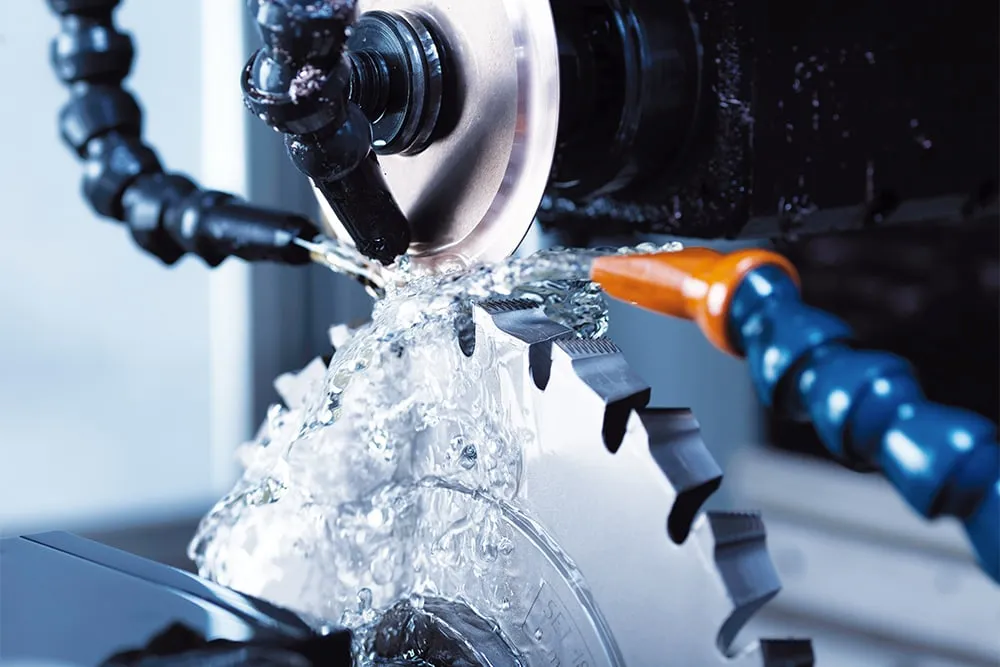
Limoco supports its clients with professional advice on their dust extraction systems.
Spark detection
Install a spark detection system in the extraction ducts between the machines and the filter. Ideally, this system should also be part of the automatic fire suppression system. Why? Because spark detection automatically shuts down the system if even the smallest spark is detected. “The supply of fresh air is cut off, creating a self-extinguishing effect. Your system may, however, sustain considerable damage,” Limoco says. “An automatic fire suppression system of this kind uses a fire extinguisher and a fusible link in the cabinet containing the filter bags. If the temperature in the system rises above 72 degrees Celsius, the link melts and activates the fire extinguisher.”
“Limoco always complies with the ATEX directives and will provide the necessary advice when you invest in a new dust extraction system,” the company adds. “Always consult your insurer too. They often specify requirements for fire-safe systems. Investing in safe working practices now means you can get back to full capacity with peace of mind later.”
Question about this story? Ask your question
Keep following this
Get an email when a new story is published. No account needed.
- SubjectGeneral







