











Which drill is right for which job?
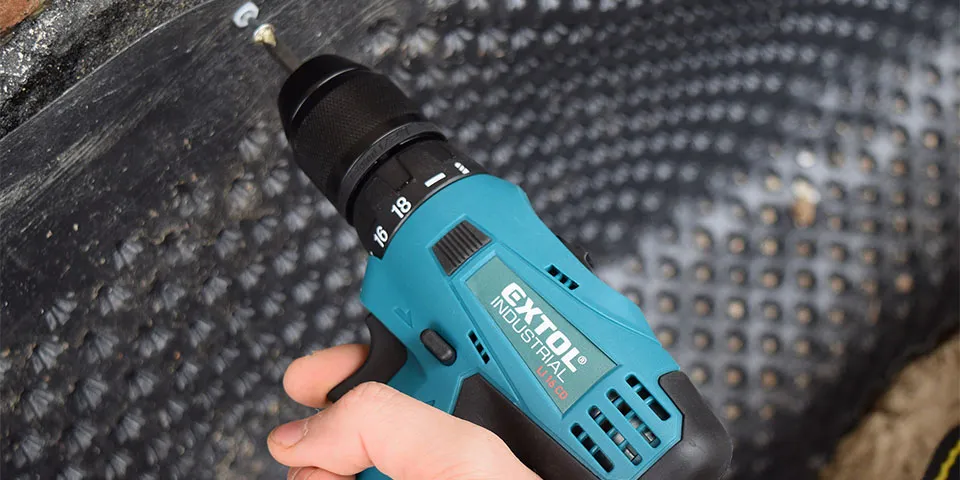
During the coronavirus crisis, many people have been getting back to DIY projects around the home. From converting an entire room to simply putting up a picture. Whatever the job, drilling is often part of the process. Drilling a hole may seem easy, but in practice it can be anything but. It can sometimes be much harder than you might expect, and the drill you use makes all the difference.
The hammer drill
The hammer drill is a versatile tool that can be used to drill into a wide range of materials, including wood and plasterboard, as well as metal and masonry. When buying a hammer drill, check its maximum drilling diameter carefully, as this varies from model to model. Hammer drills are available both as mains-powered and cordless models. Most have two speed settings, allowing you to choose the right one for the job. One speed is usually ideal for driving screws, while the other lets you drill quickly into soft materials. A hammer drill is not suitable for drilling into hard concrete, as it does not have enough power.
The rotary hammer
A hammer drill and a rotary hammer look very similar, but there is one clear difference: a rotary hammer can drill through hard materials such as concrete. Its pulsing action delivers considerably more power. However, this means a rotary hammer can only be used at one speed. To prevent the hole from becoming too deep, you can use a depth stop. A diamond core drill is also suitable for drilling into hard concrete.
The pillar drill
A pillar drill is quite different from a hammer drill or rotary hammer. One key difference is that it is fixed to a stand or workbench, so it cannot be moved around. The drill is secured to the base, and the material you want to drill is placed between the drill and the base. You then drill a hole by lowering the drill into the material. A major advantage of this method is that the hole is always straight. The downside is that the machine cannot be moved, so it cannot be used to drill holes in walls.
The cordless drill
Many drills are now also available as cordless models. A major advantage is the freedom of movement they offer, as there is no cord to get in the way. This makes cordless drills very easy to use. Their batteries can often be recharged quickly, with most cordless drills taking between 60 and 90 minutes, so you can get back to work soon after the battery runs out. The only drawback is that a battery cannot deliver a great deal of power, meaning cordless drills are only suitable for light drilling work.
Question about this story? Ask your question
Keep following this
Get an email when a new story is published. No account needed.
- SubjectGeneral







