











The role of decorative panels is gradually changing in interior construction
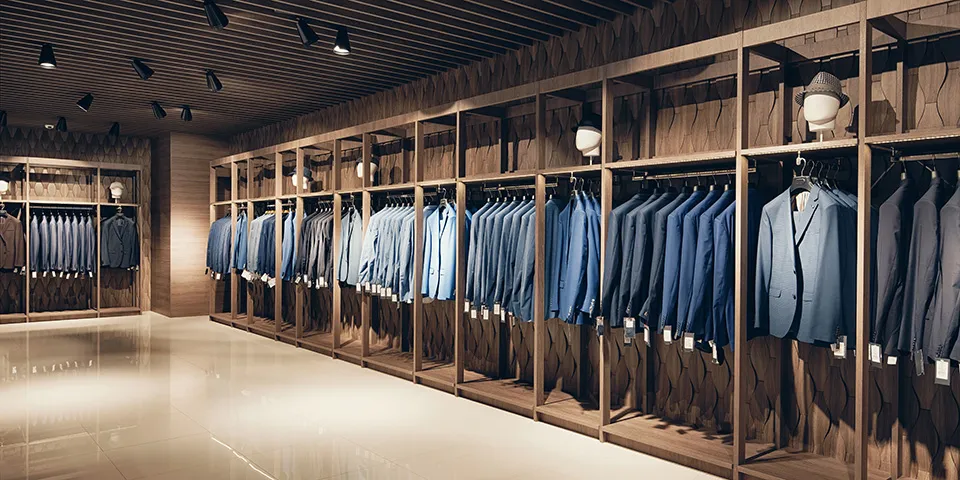
You may have noticed: decorative panels are currently undergoing a (r)evolution. Once valued mainly for the convenience of needing no further finishing after processing, decorative panels are increasingly taking centre stage as stylish features in interiors.
The wider choice of colours, patterns and textures allows interior architects and designers to give their creativity free rein. By choosing a stylish, richly finished surface, they can add subtle accents or turn a wall or piece of furniture into an eye-catching feature. Decorative panels have thus become a valuable visual element in a space, rather than simply a way of covering something.
Corporate identity
Looking at commercial applications of decorative panels, we can see that interior designers are increasingly opting to use panels extensively across the premises of franchise organisations and retail chains. The appearance of the panels thus becomes part of the company’s corporate identity. As more and more richly decorated designs are produced in series by different manufacturers, they can be reproduced reliably. This ensures that the distinctive look of a recurring retail interior is maintained.
See and feel
With the introduction of structures and textures in surface finishes, decorative panels have become tactile. Have you ever been sitting in a restaurant and wondered whether the wood grain that looked so lifelike was also textured? And what did you do then? That’s right, you (unconsciously) reached out and touched it. It is no coincidence that suppliers of decorative panels with textured surfaces at trade fairs let visitors touch everything. The material invites you to do so, and that is precisely its added value. ‘Look and feel’ can be taken quite literally. You really do see and feel it. That brings the material to life.
It certainly invites you to reach out and touch it (Image: FINSA, Tono Arias)
Suitable for automated processing
One advantage of mass-produced decorative panels is that they can be processed automatically. From automated panel storage to automatic panel saws, from automatic drilling units to CNC routers, work can be carried out accurately and in series. This saves time and ensures a perfect end result.
Explore the depth
We’re talking millimetres of depth, of course. A very welcome addition to the range of decorative panels is MDF-based sandwich panels, in which the core is a different colour from the top layers. Designed to be machined with a router, they can create surprising design effects. Whether you are routing a decorative pattern of lines, a complete text or a company logo, it can all be done without further finishing. Here, too, the only limit to the design is the designer’s imagination.
We’re looking forward to seeing what design achievements will emerge in interior design over the coming period, thanks to the use of decorative panels. One thing we can promise: you’ll be reading more about them in this magazine in the months ahead.
Question about this story? Ask your question
Companies in this story

Keep following this
Get an email when a new story is published. No account needed.
- ThemeSelecting timber and panel materials
- SubjectGeneral
- CompanyFINSA B.V.







