Covid forced digitalisation, the crisis is forcing decarbonisation
All sectors, not just energy-intensive ones, are directly or indirectly affected by high energy prices today. In addition, our economy has faced high inflation of 10 per cent or more in recent months. As a result, many businesses are feeling a double impact: a cost-of-living crisis combined with an energy crisis.
Since the Green Deal was launched in 2019, Europe has set out highly ambitious climate and energy goals. It aims to become the first climate-neutral continent by 2050. This means no longer using fossil energy sources, or capturing or offsetting emissions from any remaining consumption by transforming the agricultural system and planting new forests, thereby removing CO2 from the atmosphere. This ambition calls for a major effort, additional investment and, above all, the necessary coordination.
The energy transition is not a new imperative, but 2050 once seemed a long way off. Exceptionally high gas prices, a consequence of the war in Ukraine, have prompted Europe to accelerate its move away from Russian gas. This means our use of fossil energy must already fall dramatically by 2030. In other words, the transition deadline has been brought forward by no less than 20 years.
What is the best way for your business to tackle this? The first step is to assess how much you can reduce your own direct CO2 emissions. Map out which stages of your processes are the most carbon-intensive and therefore have the largest carbon footprint. Also consider the indirect emissions associated with all the raw and auxiliary materials sourced from every corner of the world. Once you have a complete picture, you can develop a strategy step by step to reduce your footprint as efficiently as possible. This is no easy task. Anyone who has never considered it before will be overwhelmed by extremely complex questions and uncertainties.
Not every small SME has enough time and people to work on this, so collaboration is essential. Fortunately, there is good news: industry federations can play an important role in sharing knowledge between businesses and helping them connect with potential partners, enabling them to tackle these issues. In addition, our governments fund research in this area, making it more financially manageable. One final piece of advice? Foster more interaction between the public and private sectors. It is in everyone’s interests not to miss the boat on decarbonisation.
Collaboration is essential to reducing CO2 emissions.
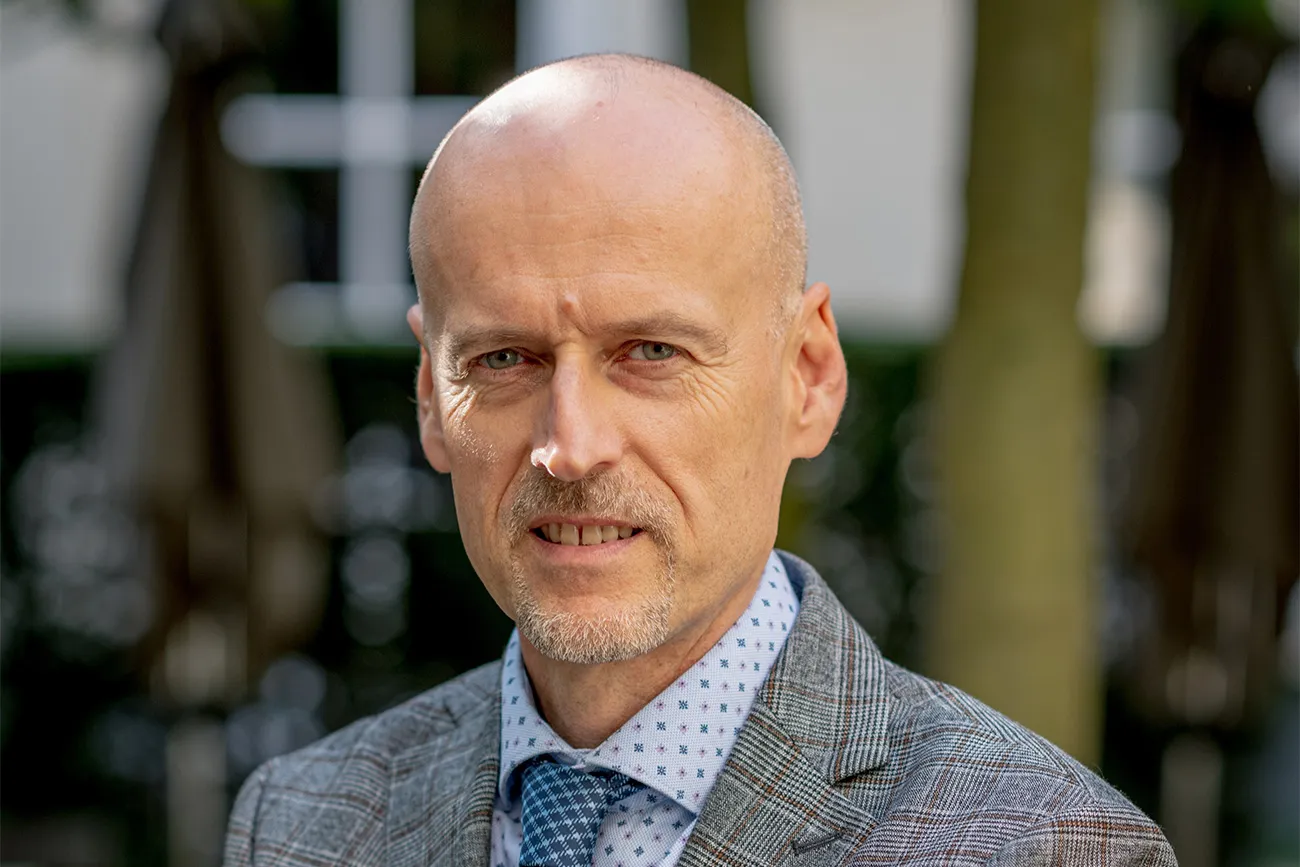
Johan Albrecht, Professor at the Faculty of Economics and Business Administration at UGent
Question about this story? Ask your question
Keep following this
Get an email when a new story is published. No account needed.
- ThemeDigital workflows from design to production
- SubjectThe Pen