











The impact of biophilic design on body and mind
Centuries ago, the ancient Romans were already seeking to design buildings and spaces where the soul could feel at home. Today, this ambition lives on around the world. Research has shown that biophilic design has a positive effect on the health and wellbeing of individuals and society as a whole. But how exactly does it work?
What is biophilic design?
Biophilic design aims to promote physical and mental wellbeing in public and private spaces by creating a connection between nature and the interior or architecture. Successful biophilic design combines a human-centred approach with a natural perspective to create inspiring and calming spaces.
Research has also established that this approach offers tangible benefits in public spaces. Absenteeism is much lower in biophilic offices, shops sell more, and hospital statistics even show that patients recover faster in environments with plants and natural daylight.

The benefits of biophilic design
- It promotes overall wellbeing
Research shows that our stress levels, blood pressure and heart rate decrease when natural elements are incorporated into buildings, either directly or indirectly. At the same time, our productivity and creativity increase, while our emotional and even physical wellbeing also get a boost.
- It boosts productivity
Biophilic design in classrooms and offices has been shown to have a positive effect on productivity, creativity and concentration. Research in schools even concluded that it leads to better exam results and eases the symptoms of ADHD.
- It adds value
Natural elements in a space, such as plants or a landscaped garden, increase average rents for commercial premises.


The right flooring solution for even better biophilic design
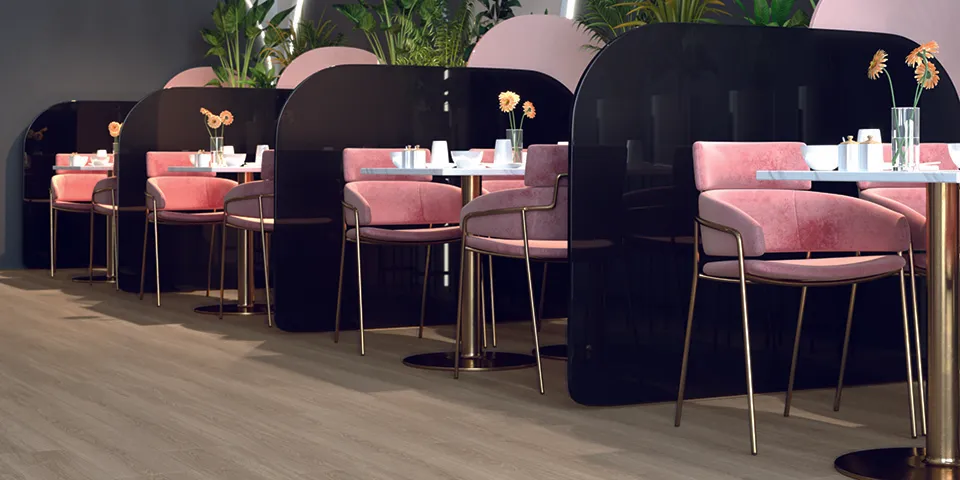
Although plants and natural daylight take centre stage in biophilic design, other interior elements can also play their part. A vinyl floor that combines a realistic look and texture with warmth and comfort, for example, can help create a stimulating and harmonious environment. Dutch housing association Viveste is a fine example: the company used wooden walls and Moduleo 55 Verdon Oak by IVC, with its realistic wood effect, to create a natural feel. The textured grain and knots make the floor feel just like real wood. Light green walls, a blue stretch ceiling and yellow accents provide the perfect finishing touch.
Inspired by the potential of flooring solutions and biophilic design? Let your creativity run free with the Moduleo 55 Impressive LVT collection by IVC and discover all the possibilities.
Question about this story? Ask your question
Companies in this story


Keep following this
Get an email when a new story is published. No account needed.
- ThemeInterior comfort and aesthetics
- SubjectGeneral
- CompanyModuleo
- CompanyIVC







