











The correct use of steel in interior design
An alloy of iron and other metals, steel has long been a striking feature of architectural buildings. With more than 2000 types of steel in Europe, there is plenty of choice for the creatively minded. What are the material’s properties? How can it be used aesthetically indoors? And what factors need to be taken into account? Find out here.
Advantages of steel in construction
What makes this material so popular in the construction industry is its ability to withstand all types of tensile force. Thanks to its elasticity, for example, steel compensates for short-term fluctuations in buildings. This is why it is used in the construction of bridges, skyscrapers and complex structures such as the Eiffel Tower. Architects in particular favour the material for its decisive properties. But metal is not only stable, it can also be a real eye-catcher when used skilfully. Architects and builders also appreciate these additional benefits:
- Steel houses: Steel frames for buildings are generally made to measure. This saves a great deal of time.
- Dry construction method: Unlike a traditional brick house, this material requires no drying time. This means the work can be completed quickly.
- Non-load-bearing exterior walls: this is the secret of building with steel. The building’s frame performs all the supporting functions. This makes it possible to construct large and, above all, freestanding buildings.
Steel creates space
As mentioned, this material is now the first choice for creating large spaces. Thanks to the enormous possibilities offered by steel, open-plan areas in offices and industrial buildings can be built with ease. More and more private developers and interior designers are making use of these possibilities. The trend towards large spaces supported by steel is therefore clear. This is exactly what modern developers want today: plenty of room for the family and an open-plan layout throughout the home.
Interiors with character
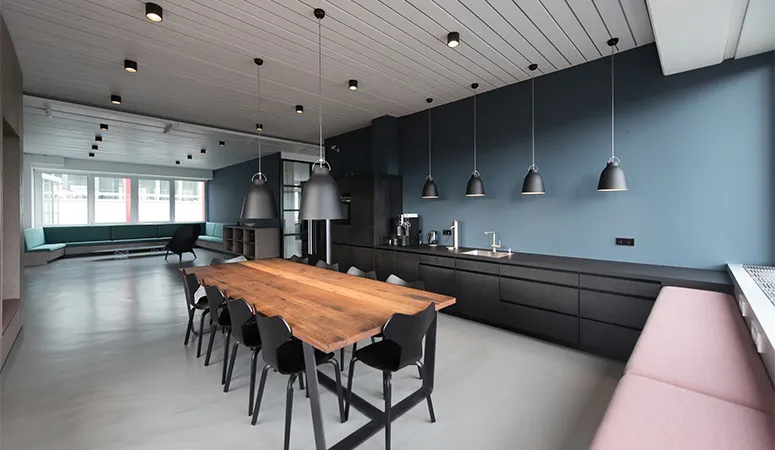
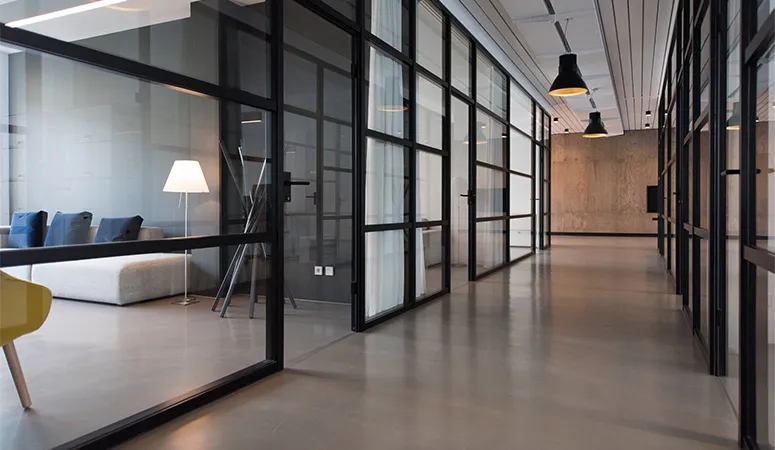
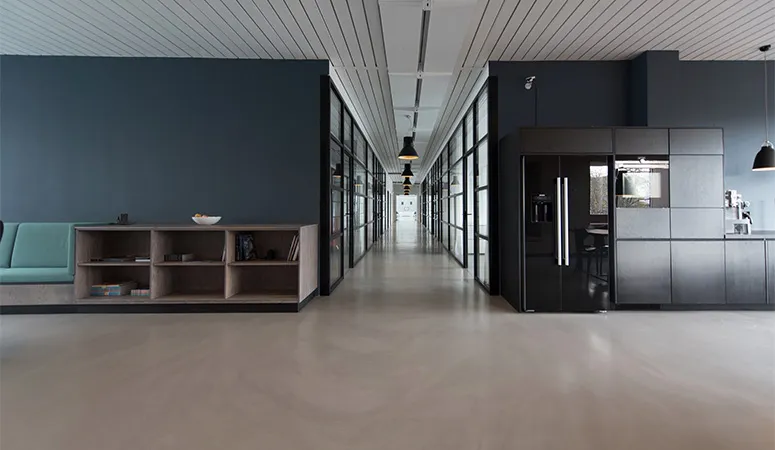
Steel construction is particularly suited to the trendy loft style. Interior walls are almost redundant, with partitions needed only to separate individual rooms such as the bathroom. What’s more, the steel framework can be built so that it remains visible inside the home. This further emphasises the character of the spacious rooms. The industrial look, which is particularly fashionable today, can be established by the living spaces themselves. Interior designers can find many ways to source the right materials online, such as this online shop for all kinds of steel components. Matching furnishings, such as a designer kitchen in understated grey or large industrial-style lamps, complete the look.
Disadvantages of building with steel
There are, however, a few points to bear in mind. Steel has several advantages, but also some drawbacks:
- Prices: The cost of the material has risen again in recent years. But that alone does not make a steel house expensive. Building owners need to decide in advance whether the structure should remain visible or be concealed indoors. Cladding it with plasterboard or other materials is expensive.
- Avoid thermal bridges: This is probably steel’s biggest drawback. It conducts heat and cold extremely well. In practice, this means thermal bridges can develop quickly and lead to high heating costs. A good (interior) architect specialising in steel construction will take this into account from the outset.
Conclusion
Building with steel is becoming increasingly popular, and not only because the material is particularly well suited to today’s trend for industrial design. Thanks to its proven stability and the time it saves, steel is now a MUST in the construction industry.
Image: © „Nastuh abootalebi“ / unsplash
Question about this story? Ask your question
Keep following this
Get an email when a new story is published. No account needed.
- SubjectGeneral







