











Sustainable renovation: step by step towards an energy-efficient manufacturing business
Text Wendy Thijs
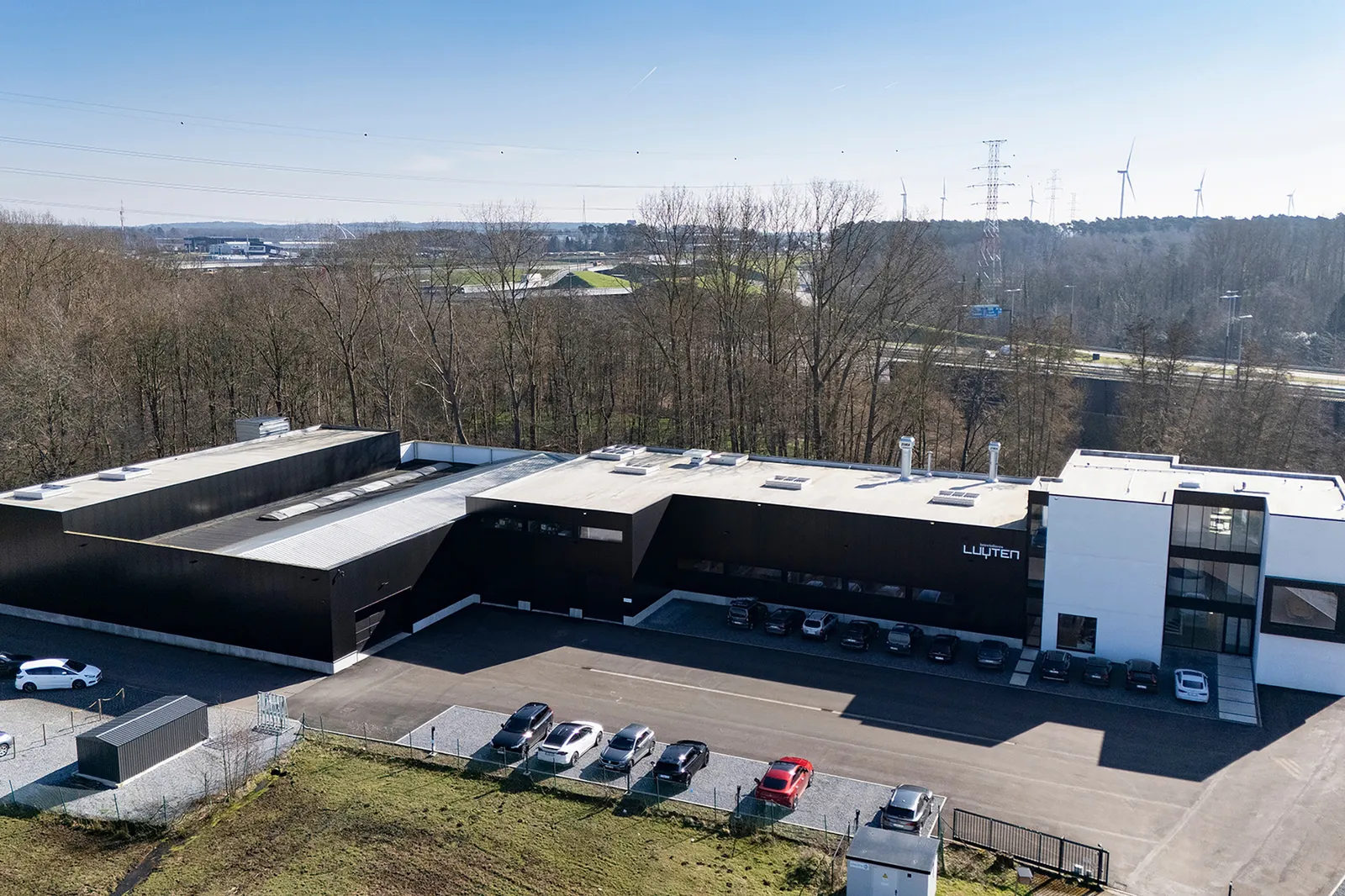
Taking steps towards sustainability is not a given. That is why we want to inspire you with stories from colleagues in the sector. Luyten Interiolizers is taking a step-by-step approach, making sustainable choices without losing sight of the realities of running a manufacturing business.
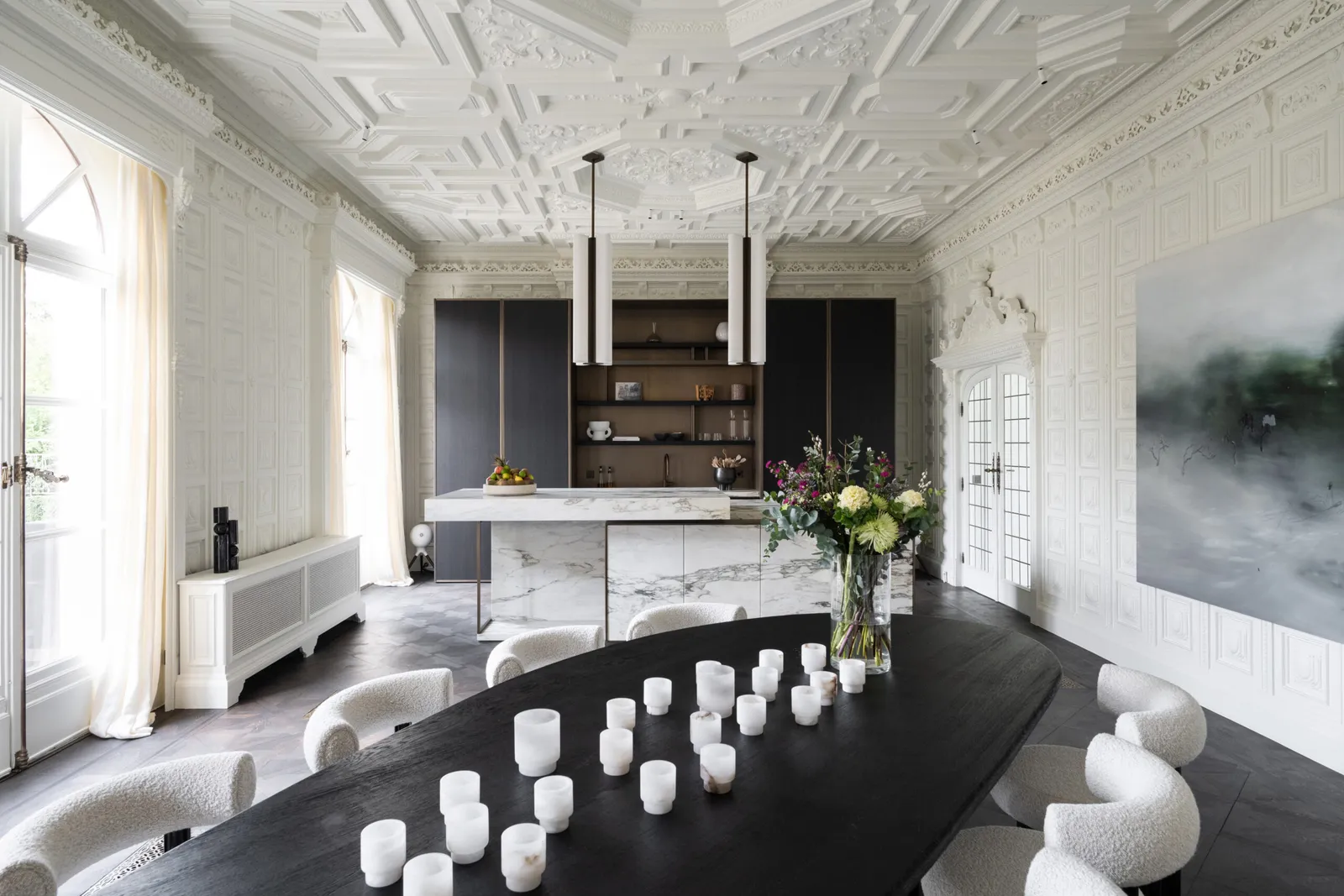
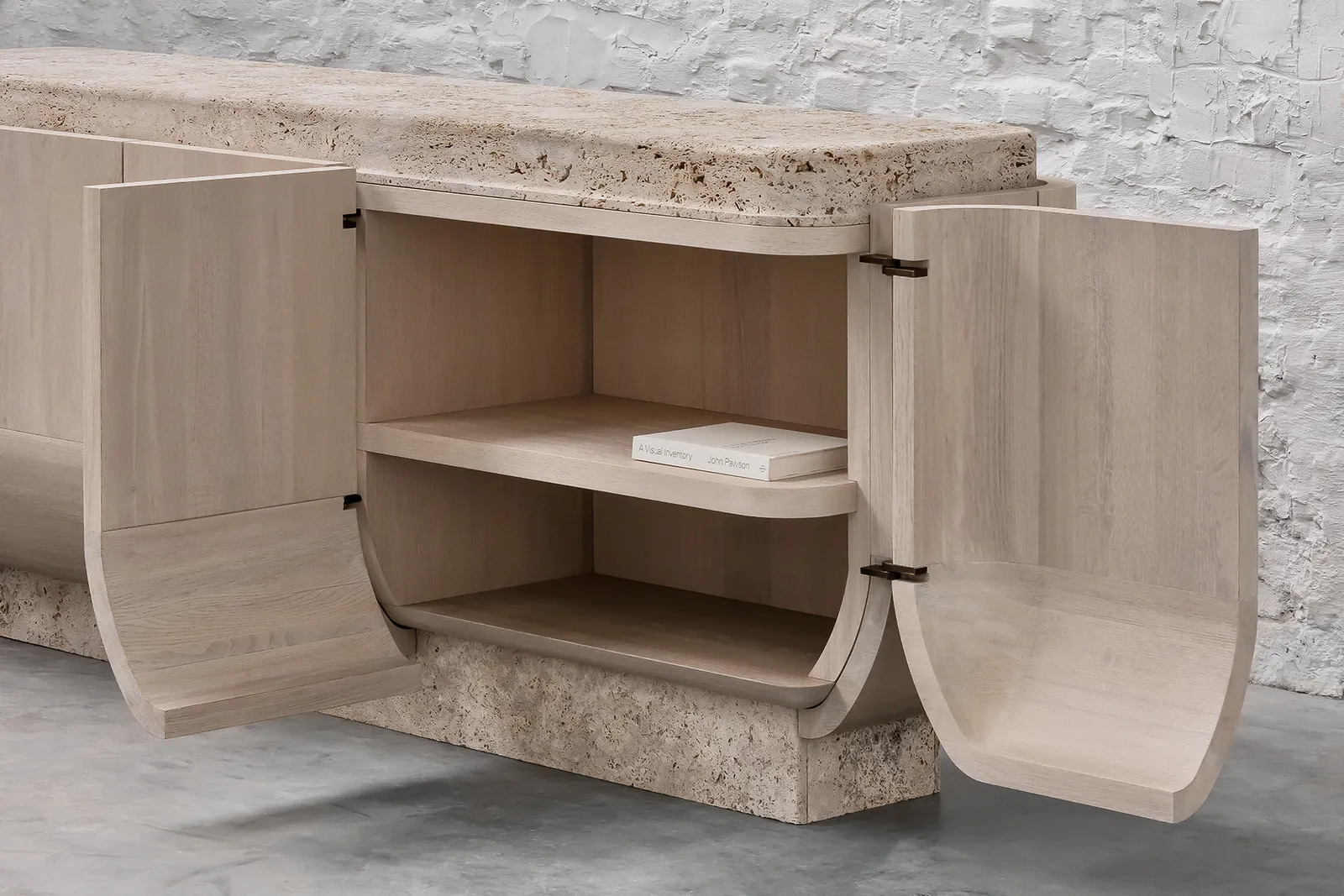
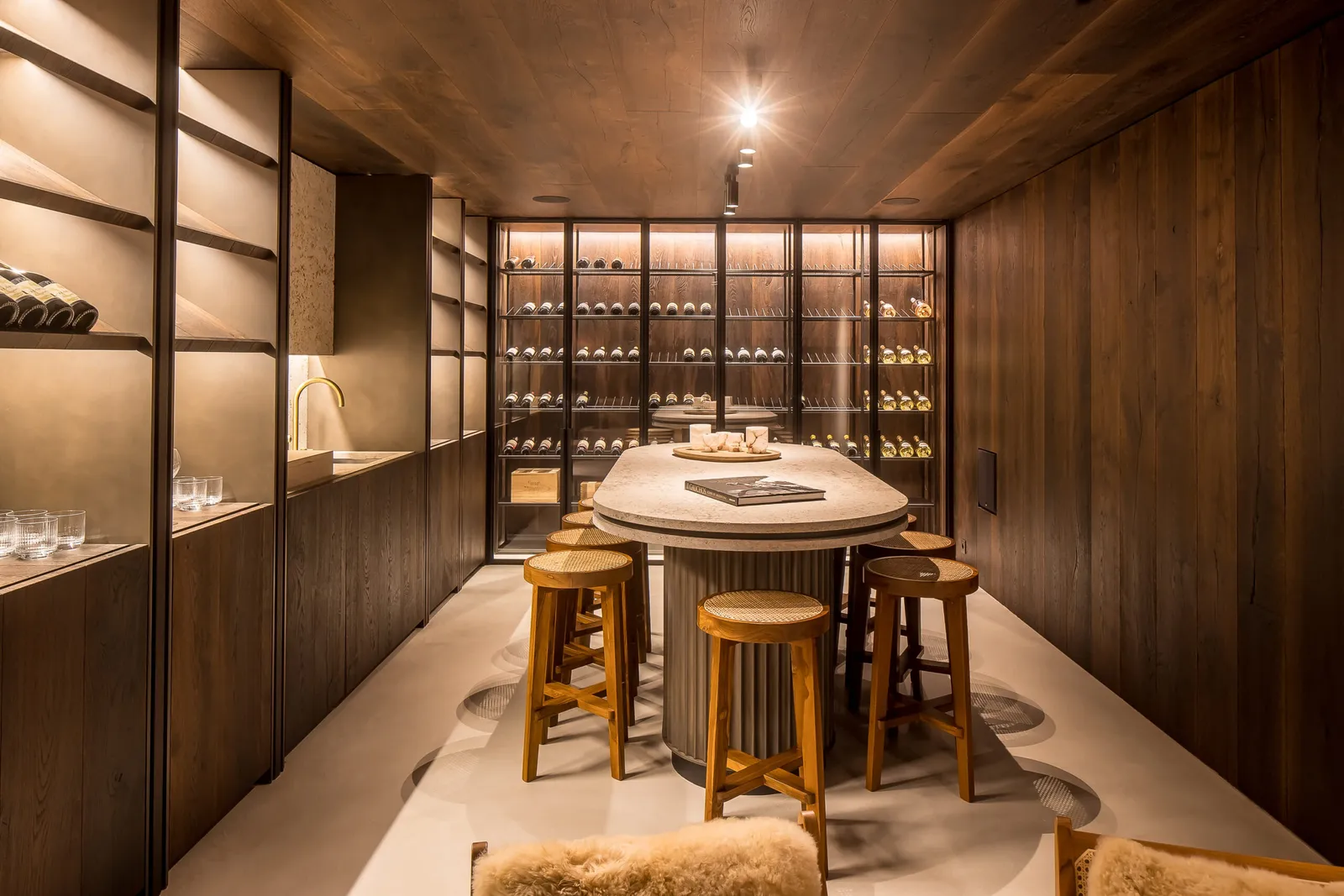
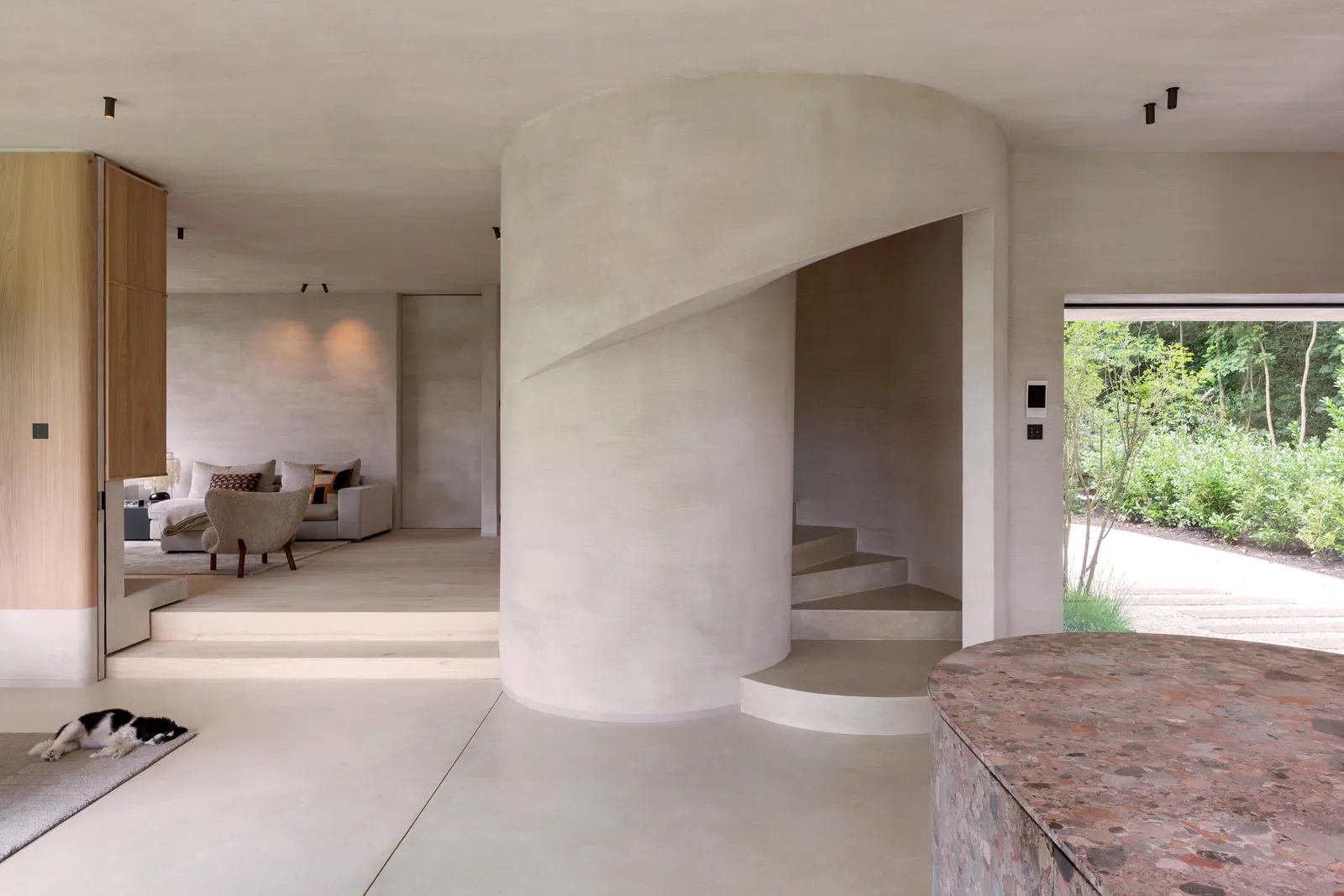
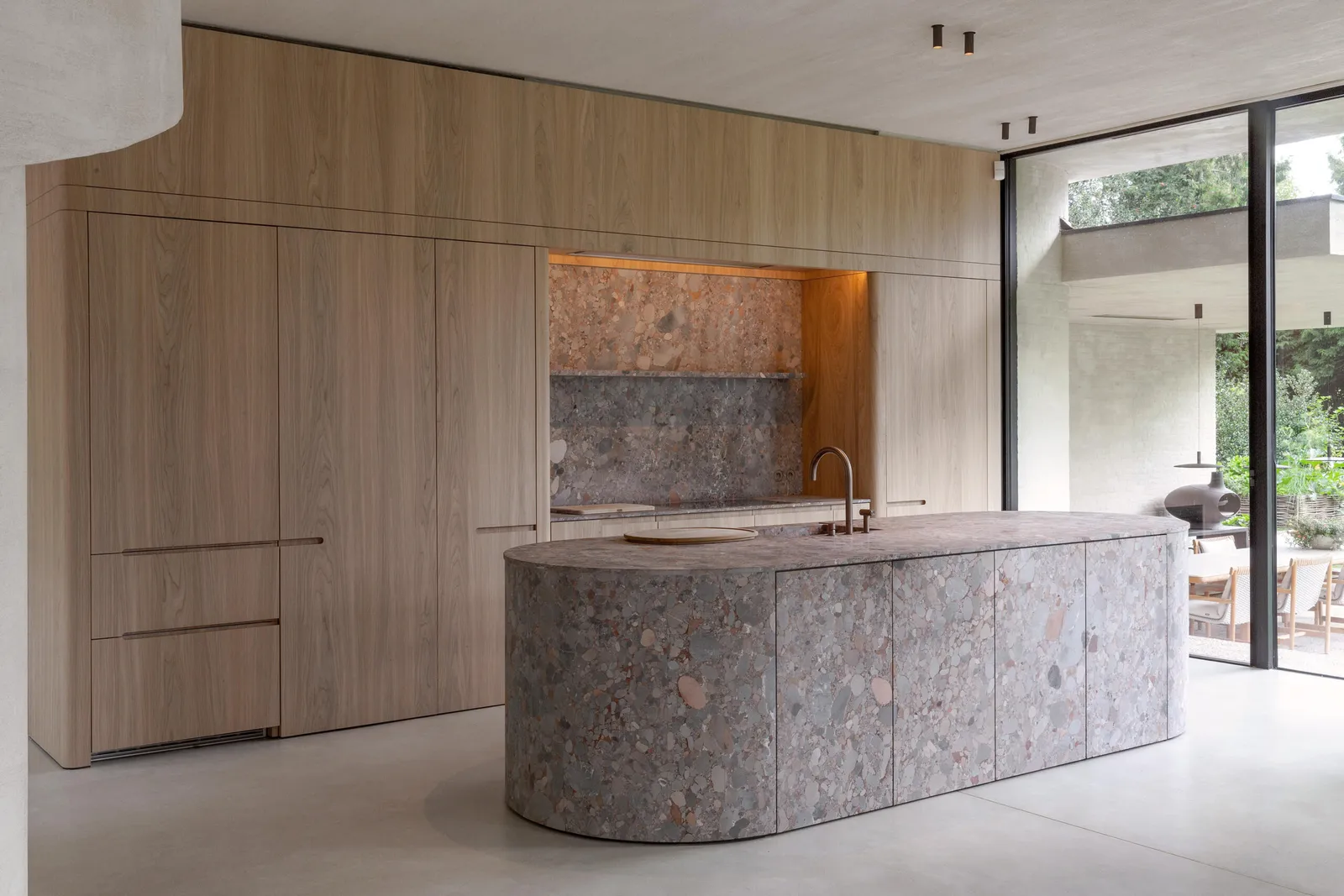
Luyten Interiolizers does not create run-of-the-mill interiors: they like to go a little further. They are drawn to daring designs, exclusive materials and challenging bespoke work. Furniture is made in-house. They also coordinate complete renovation and construction projects, from demolition to the cleaning crew. Alongside the high-end residential market, they also specialise in retail, offices and healthcare. And with their own collection of designer furniture, showcased in galleries in cities including Paris, New York and Sydney, they are also establishing an international presence.
Same site, new building
The company was founded in 1969. As is often the case with a growing SME, its premises expanded over time. Eventually, Luyten reached its limits and it was time for an ambitious innovation and sustainability programme.
“It began with the decision to invest in CAD/CAM software and a major upgrade of the machinery so we could produce more efficiently and sustainably,” says managing director Bert Luyten. “We also needed more space, so the company building underwent a thorough renovation. As the building footprint could not increase, we built upwards: the sheet material store, metal store and spray booth were moved to the upper floor. The offices span three floors.”
No compromises were made on insulation. “Insulation is the basis of a sustainable building. This building meets the highest standards. We took a step-by-step approach to the technical installations: we implemented what is feasible and cost-effective today, while planning ahead so we can switch to more sustainable technologies in the future.”
Energy-efficient choices
Underfloor heating was an obvious choice for Luyten. “It is energy-efficient and fully compatible with a heat pump system in the future. The system currently runs partly on waste heat from our compressor. For now, we use gas to top up the heat, as a heat pump was not yet cost-effective.” A heat pump will probably be installed in the future, as will solar panels on the roof of the production area once it has been renewed. The high-voltage substation on the site is already equipped to connect these technologies later.
Investing wisely in technology
Luyten knows that not everything can be done at once: “Sustainability is a gradual process. You have to make choices, weigh up what is financially feasible and proceed with good information.” One carefully considered choice was an energy-efficient dust extraction system. “We use four motors that switch on in stages, so the system only runs at the power required. The investment is higher, but if you can afford it, it is a very smart move.”
They also invested straight away in a new spray booth. It is ATEX-compliant and as solvent-free as possible, as the technology is still developing rapidly.
“In some cases, water-based products still do not deliver the required level of quality,” says Luyten. This installation can also be connected to a heat pump in the future.
Digitalisation and materials management
The CAD/CAM system that formed the basis of the programme was introduced to improve efficiency and use sheet material more sparingly. “It generates optimised cutting plans to minimise cutting waste. Offcuts are returned to the sheet material store and automatically reused wherever possible,” explains Luyten.
Sustainability and cost savings go hand in hand, as the container for wood waste now takes longer to fill. Waste management is another environmental issue that Luyten takes seriously, although it is nothing new. What is new is that clients are setting high requirements for waste processing. “For a project for Chanel, we literally had to document how waste was sorted on site and keep track of how many kilos went to each waste processor,” he explains.
A clear vision, but no label
Some clients are already asking whether the company can provide a certification, but for now this remains the exception. “One asks for a VCA certificate, another for ISO 45001 or ISO 14001. We have not yet decided which certification would be the best fit for us. They are also more geared towards multinationals. For SMEs, finding the time and resources to obtain them and embed them in the organisation is far from straightforward.”
Advice for colleagues: get informed
Anyone looking to run a sustainable business needs to be willing to make choices. “We are a manufacturing business. Margins are tight and costs are high, so you cannot do everything at once. Start with the obvious wins, such as LED lighting, and make larger investments when you have the capacity,” says Luyten. Having your own vision is essential. “Get advice, but decide for yourself what is feasible and worthwhile for your business. There are so many possible options, but ultimately you have to determine which investment will help you move forward.”
One final tip: anyone with a high-voltage substation, as Luyten does, should check their contracted capacity. “A substation can often handle much more than you need at the time. If you register the full capacity, you end up paying unnecessarily much through the capacity tariff. So declare only what you actually use. That way, you avoid unnecessary costs.”
Question about this story? Ask your question
Keep following this
Get an email when a new story is published. No account needed.
- SubjectGeneral







