











Sustainability in the kitchen industry
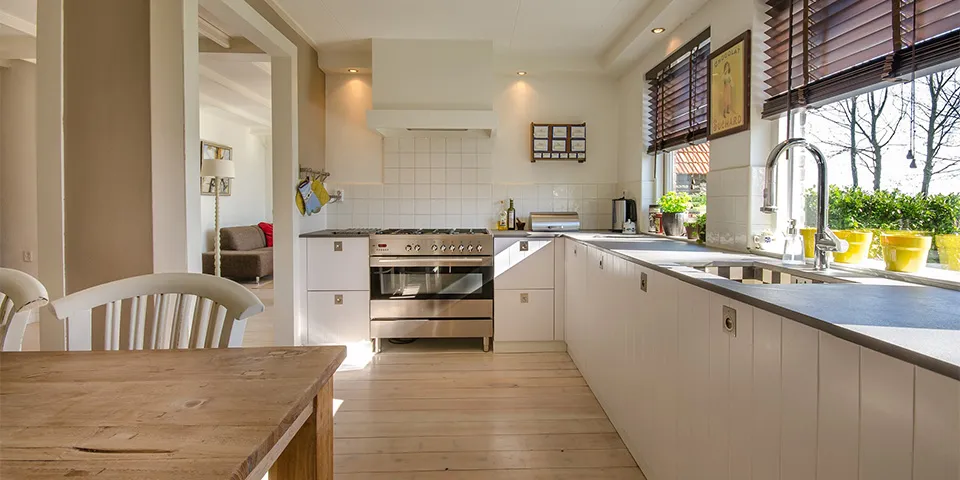
Sustainability is hugely important these days, and we are seeing this trend increasingly often in the kitchen industry too. Suppliers are focusing on eco-friendly materials and carbon-neutral kitchen production, among other things, but there are more options. This article explores the different ways to make the kitchen industry more sustainable.
Sustainable appliances
Appliances are the foundation of every kitchen, but their quality varies enormously. Appliances from one supplier may last a lifetime, while with another supplier you may need to look for replacements after just 15 years. When choosing appliances, it is therefore wise to consider their warranty and lifespan. Energy consumption is another important factor. Take an oven, for example. A cheap oven may cost hundreds of euros less to buy, but it will use much more electricity. Its running costs will be higher than those of a low-consumption alternative. Over time, an oven that uses much less electricity but costs more upfront may therefore work out cheaper. It is also important to check the energy label. An A+++ rating is the most efficient. But there are other options for sustainable kitchen appliances too. For example, water-saving taps use far less water, something you will not notice when using them, but you will see it on your water bill. The water still comes out of the tap at the same pressure. Given that an average household uses thousands of litres a year, this can add up to significant savings after a few years.
No gas
To meet its climate commitments, the Dutch government has decided to phase out gas by 2050. This decision is intended to help reduce CO2 emissions from the Dutch economy. In future, cooking will therefore be electric rather than gas-powered. This is a significant development that will have a major impact on the kitchen industry. There will soon be no point installing kitchens with gas cookers, and demand for kitchens with electric hobs will rise enormously.
Eco-friendly materials
Kitchens made with eco-friendly materials are on the rise. Kitchens are now being made from bamboo, for example. This type of plant grows back very quickly, whereas most other types of wood take decades to regrow. Leftover wood from the production of other products is used for small components such as spacers and handles. Recycled glass is also used in worktops. These worktops look very similar to granite, offering the same appearance without granite’s environmental footprint.
Kitchen renovations
A brand-new kitchen is not always necessary. Often, a few minor renovation updates can make a kitchen look as good as new. This not only saves thousands of euros, it also puts much less strain on the environment. For example, sanding and revarnishing a wooden worktop will immediately give the kitchen a different look. Kitchen cabinets can be repainted, and replacing the handles with more modern versions can also help create a fresh look. The options for a kitchen renovation are endless. In most cases, a kitchen can even be renovated within one month!
Question about this story? Ask your question
Keep following this
Get an email when a new story is published. No account needed.
- ThemeSustainable and circular timber supply chain
- SubjectGeneral







