











Second Innovation Day focuses on customer experience
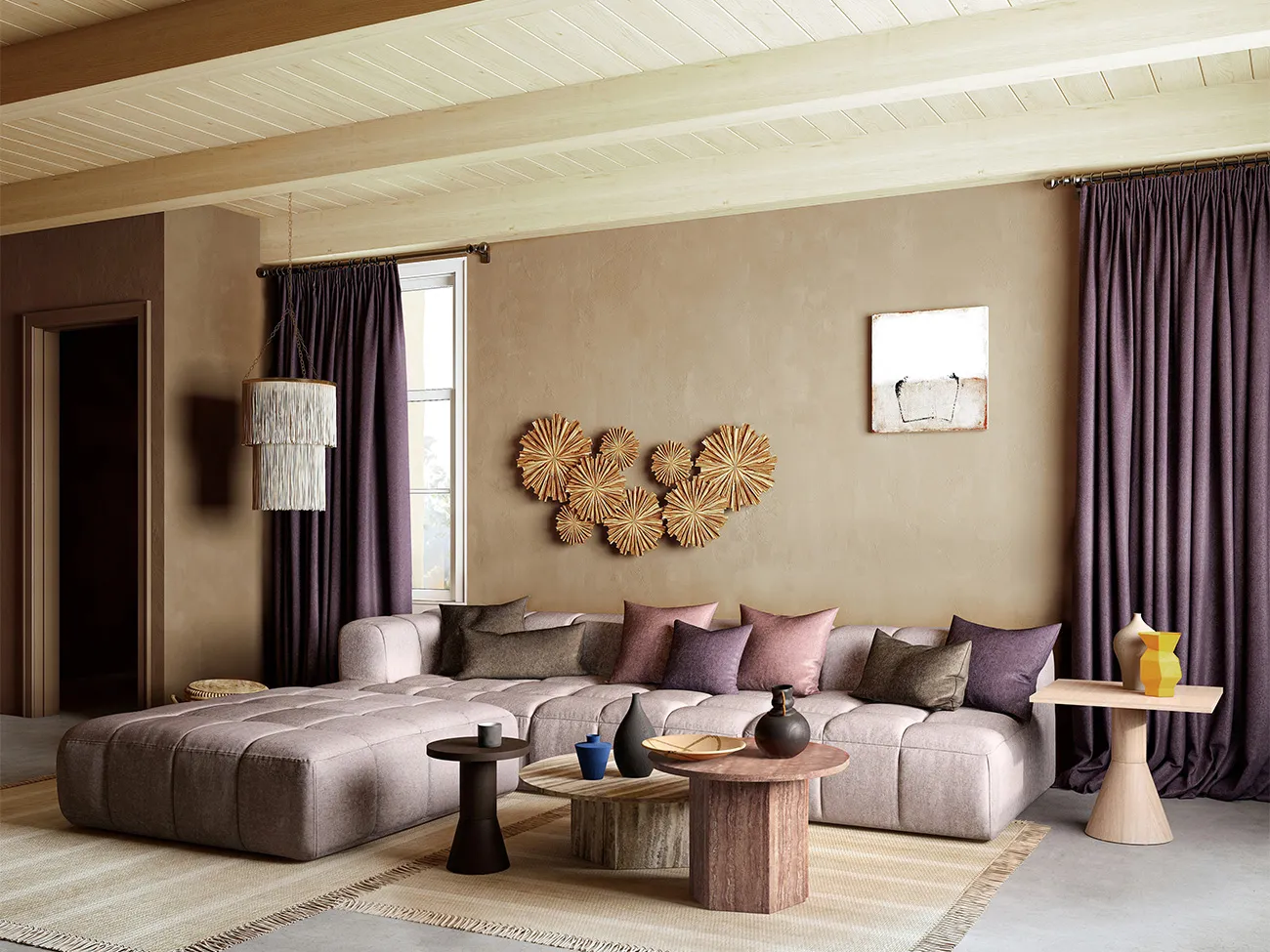
Repeated following its success: WOOD.BE held the second online edition of its Innovation Day on 27 January. This time, the focus was on customer experience, with particular attention to the added value of digital technology. Speakers from across the furniture sector shared their experiences of digital tools, inspiring their peers.
Text: Stephanie Demasure Image: Wood.be / Twinbru
Last year, WOOD.BE, the knowledge centre for the timber and furniture industries, held its online innovation day for the first time. It was the ideal way to continue informing and inspiring interior fit-out professionals during the coronavirus pandemic. The positive response and engaging presentations called for a follow-up. And so, at the end of January, four industry experts shared their experiences.
The online programme opened with Tom De Baenst, managing director of LS Bedding. With Ergosleep-Cocon 2.0, the company uses modern digital technology to map its customers’ individual sleep patterns in an immersive experience space. Next to speak was Diederik Vanbrabant. His startup TreeSpoke makes bespoke furniture more accessible to online shoppers, while putting local furniture makers centre stage. The business model grew out of his own frustrating search for a suitable made-to-measure bookcase.
Building a strong customer experience
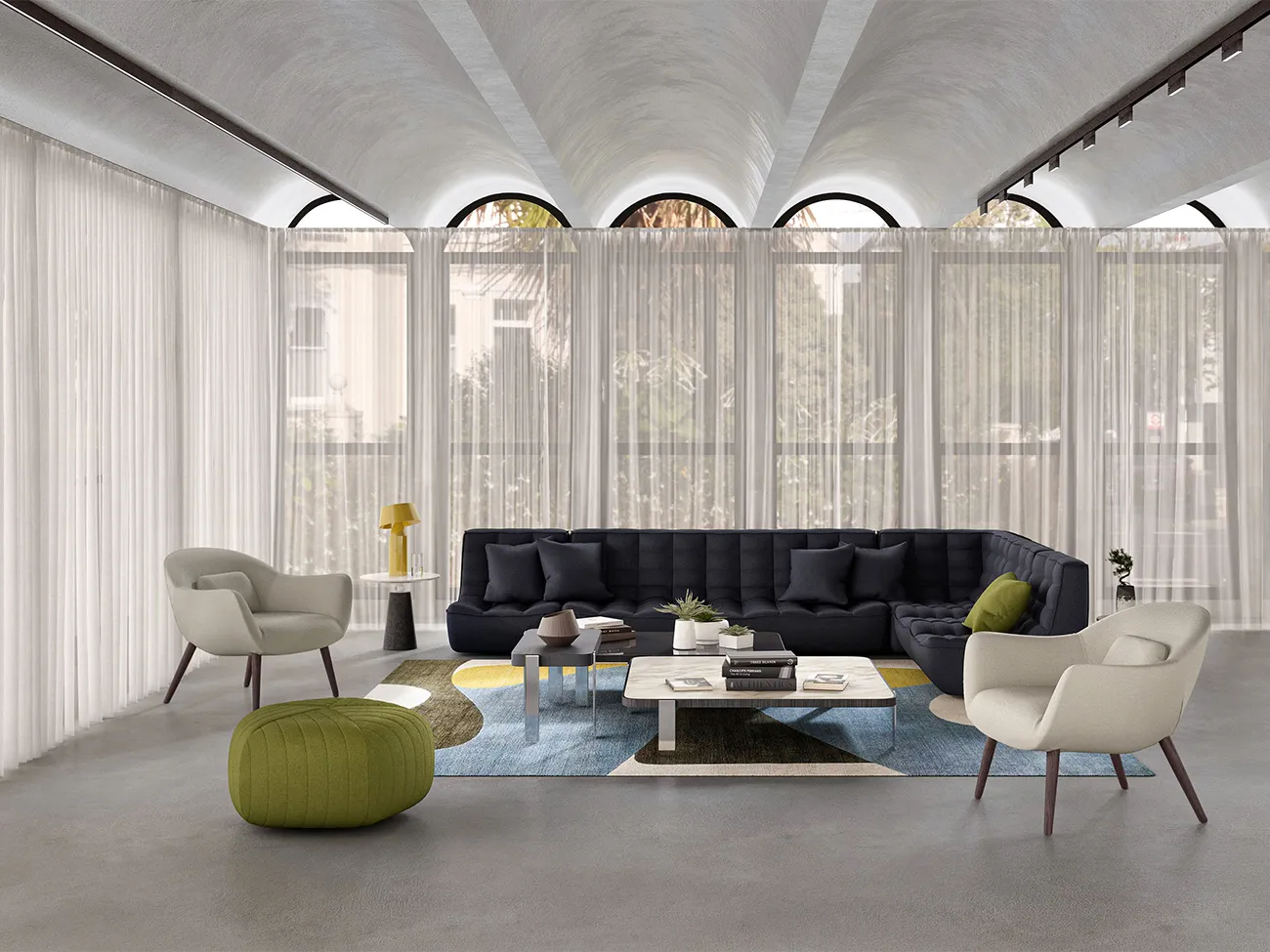
The third speaker was Jo De Ridder, innovation consultant at Bru Textiles. As an international supplier of fabrics for furniture and wall coverings, Bru has had product and service innovation at the top of its agenda for many years. Its hybrid showroom model is now well established. Digital twins play an important role in Bru’s digital showroom. A digital twin is an exact digital copy of an existing material, replicating both its appearance and the feel of its texture.
“These digital twins are realistic scans of the fabrics. This makes it possible to experience these materials virtually, in a very real way,” explains Jo De Ridder. “Architects and interior fit-out professionals can work with realistic representations of their chosen fabrics directly in their 3D software, rather than using standard materials or something that only approximates them. Our digital twins are increasingly being added to existing libraries for 3D interior visualisation artists. For us, that is important confirmation of the added value of this innovative technology.”


Artificial intelligence in the furniture sector
To round things off, keynote speaker Geertrui Mieke De Ketelaere joined the proverbial table. The director of AI at IMEC, the research centre for nanoelectronics and digital technology, took a closer look at the potential of artificial intelligence for the furniture and interiors sector. From digital twins, as outlined by Jo De Ridder, to virtual reality in apps and physical showrooms, or even faster training for new employees at interior companies, Geertrui Mieke showed attendees how to prepare their businesses for artificial intelligence.
“We want to build a relationship with every customer as if we have known them for years. In the digital world, too,” stresses De Ketelaere. “AI can play an important role in that, but it still has a number of drawbacks today. The environmental impact is one example. Asking Siri what the weather is like produces 12 grams of CO2. So there is still work to do before this can be incorporated into the customer experience. That is certainly no argument for giving up on it, though. Cars faced similar problems in the 1950s. Many of those obstacles have since been overcome, and cars are now ubiquitous. But we must remain aware of these hurdles, including in AI-driven processes, and continue working to overcome them. Then we can do great things.”
Question about this story? Ask your question
Keep following this
Get an email when a new story is published. No account needed.
- SubjectGeneral







