











Knowledge centre supports the timber and furniture industry
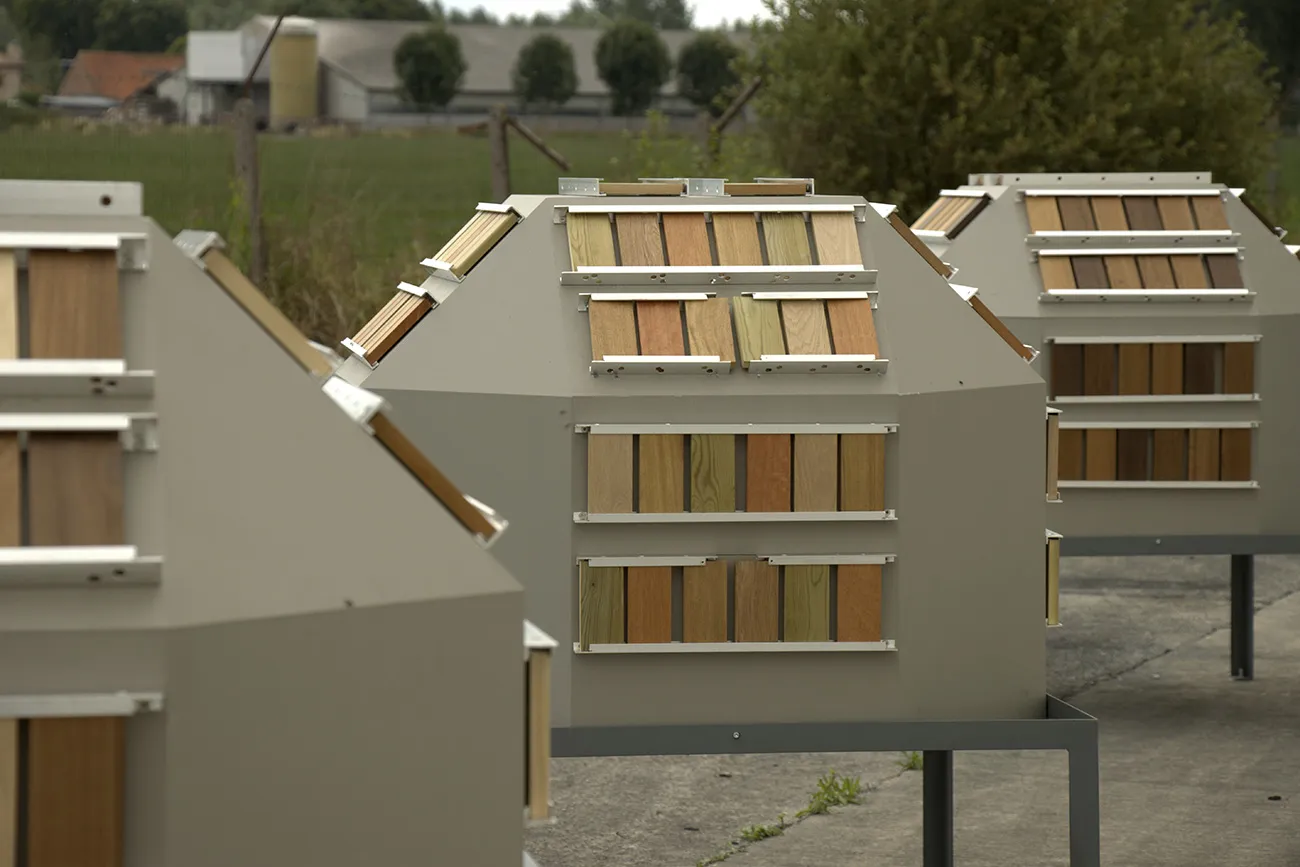
From research projects to certification
Innovation and sustainable production are key issues for the Belgian timber and furniture industry. Sectoral knowledge centre WOOD.BE supports companies as they tackle the challenges they face. It does so in a number of ways: research, certification, laboratory testing, standardisation, innovation services and safety advice.
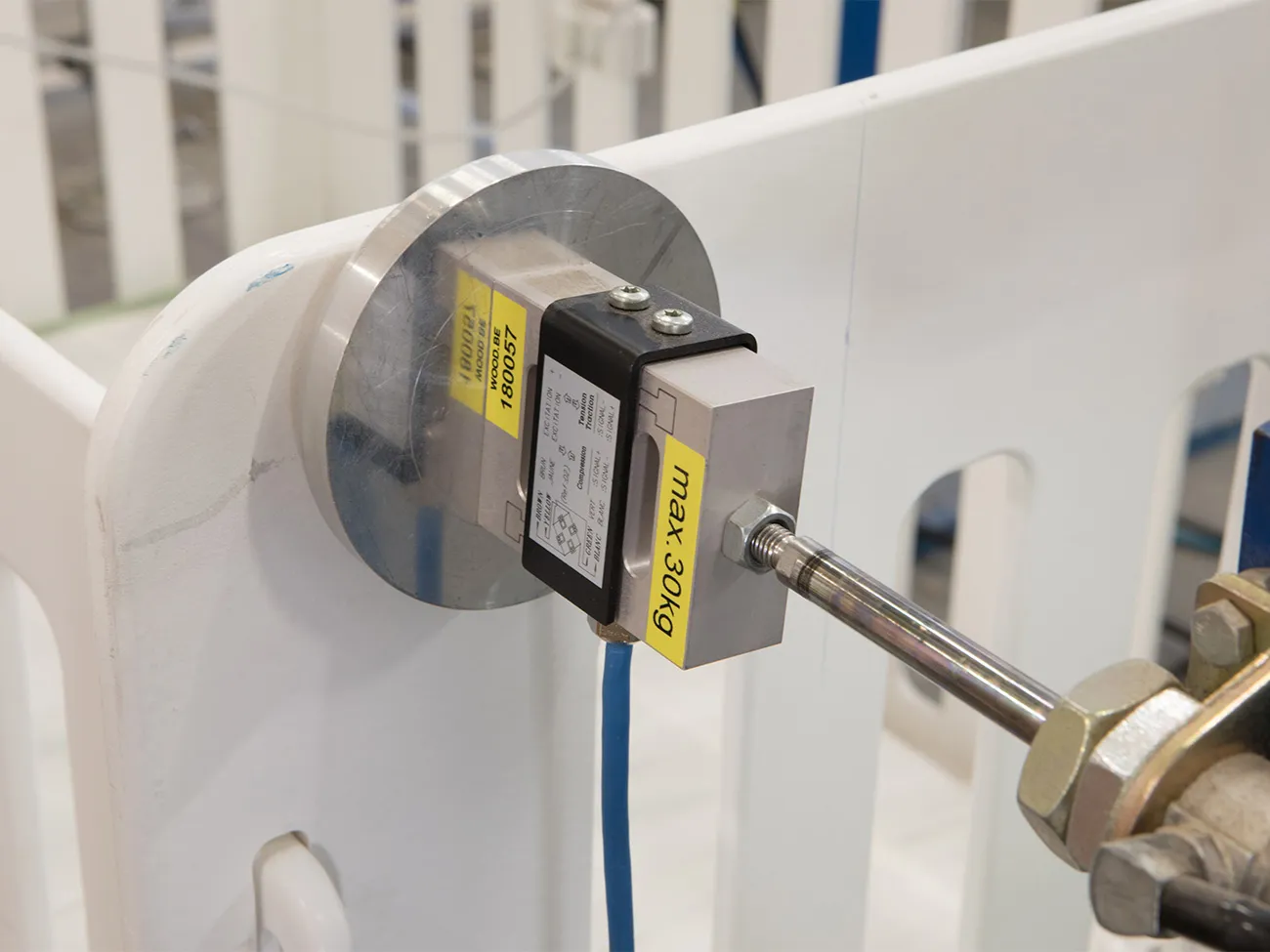
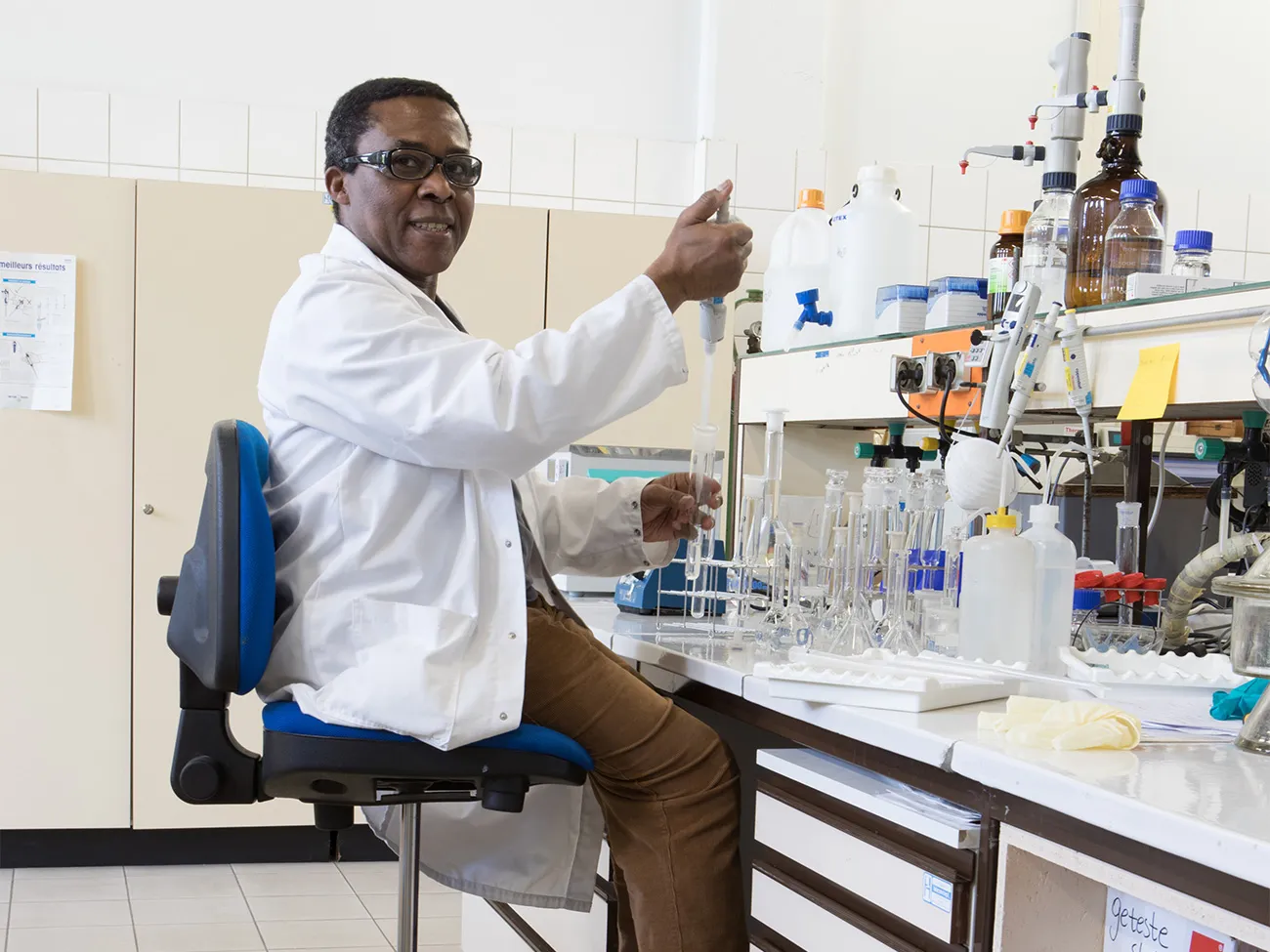
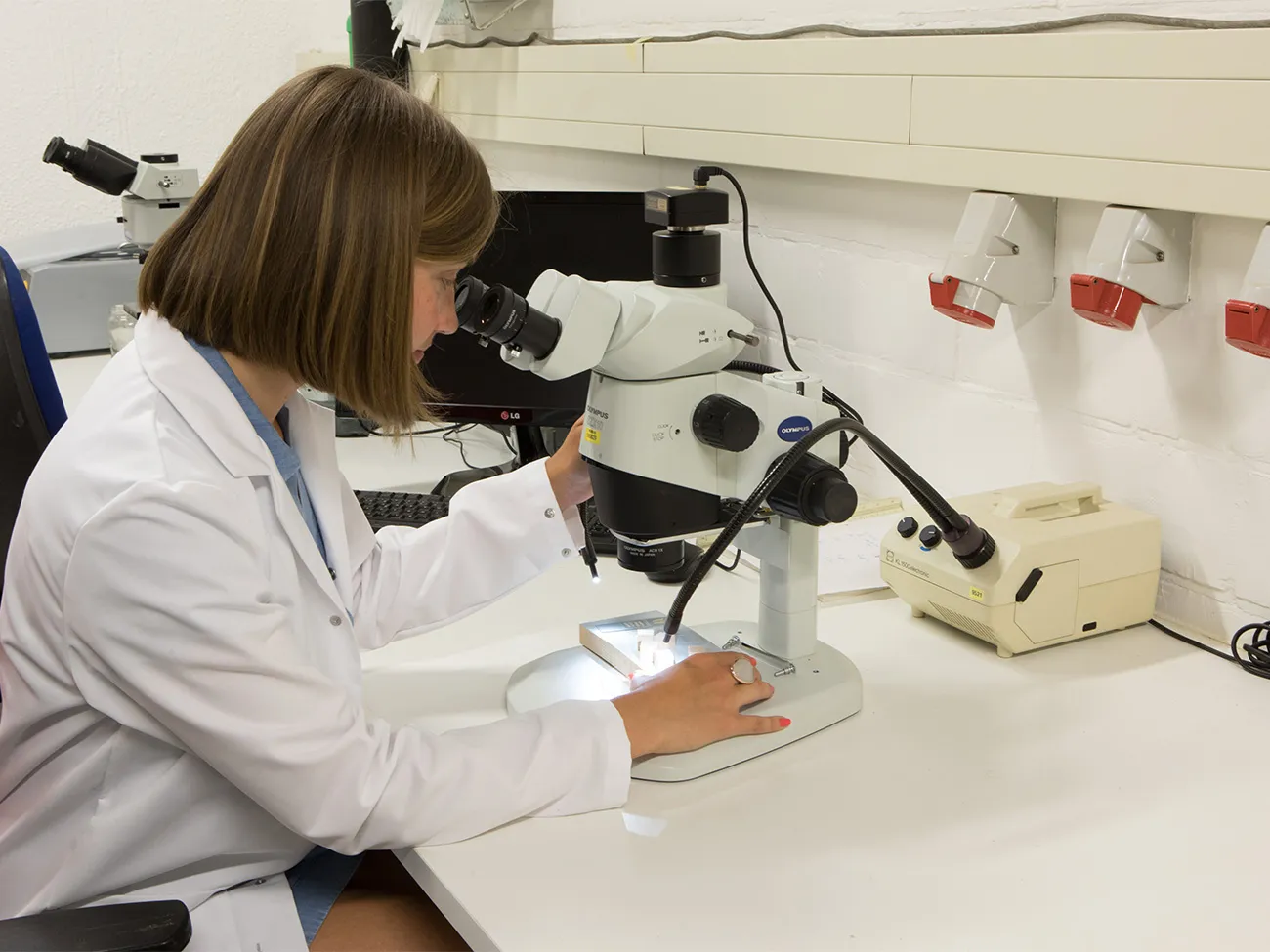
The timber and furniture industry is constantly evolving. As a knowledge and research centre, WOOD.BE supports companies in meeting today's and tomorrow's challenges. Its researchers contribute to projects across all product groups in the timber and furniture sector. “These may be research projects that concern the entire sector or a subsector, or a specific group of companies,” says general manager Chris De Roock. “There is also an increasing amount of bespoke work: we provide one-to-one advice to companies. For example, we help them solve a technological problem or optimise their business processes.” Alongside its research work, WOOD.BE is the leading authority on certification in the timber and furniture industry. This includes CE marking, which guarantees the strength, durability and safety of timber construction products, and Chain of Custody certification such as FSC or PEFC. WOOD.BE's laboratory comprises three departments: a mechanical laboratory, a chemical laboratory and a finishing laboratory. “As a standards monitoring centre and sector operator, we ensure that the latest European and global standards are known, and represent the voice of Belgian industry on the relevant committees.”
The WOOD.BE team brings together people with a range of backgrounds, united by their belief in timber as a raw material and their desire to do what is right for both the economy and the environment by helping address future challenges. “Our team includes bio-engineers with in-depth knowledge of timber, civil engineers who bring expertise in areas such as structural stability, and creative professionals such as product developers, … WOOD.BE also employs a level 1 prevention adviser who helps companies improve safety in their production environments. Our own laboratories are also home to many technical specialists. As an organisation, we have grown considerably in recent years and are always looking for people to strengthen the team.”
Focus on innovative sustainability
This year WOOD.BE celebrates its 75th anniversary. “We have come a long way as a sectoral knowledge centre. At the same time, I prefer to look ahead,” says Chris. “We are living in fascinating but challenging times. As a sector, we need to move towards a circular economy. We can do this by closing loops at the level of products, components and materials. At present, around fifty per cent of our research projects are already focused on the circular economy. By 2025, I expect that figure to reach one hundred per cent.”
There is no getting away from it: climate change is the most far-reaching transformation of our time. The coronavirus outbreak and the war in Ukraine have also shaken the world as we know it. “Nothing is certain except change,” says Chris. “That is why I am convinced that every company needs a strategy for dealing with change, and even embracing it, to turn threats into opportunities.” WOOD.BE is currently undertaking this strategic exercise to prepare for the future. “You also have to be willing to question yourself critically in order to do better in the future. That attitude, together with our drive for innovation and sustainability, is inextricably woven into our DNA.”
Timber in the fight against climate change
“The timber sector can play an important role in carbon storage. On average, this amounts to 1.3 tonnes of CO2 per cubic metre of timber. The advantage of timber is that the CO2 remains captured for as long as the product continues to exist in some form. Take a solid timber piece of furniture: you can give it a second life through a charity shop. When it is finally beyond repair, the timber can be chipped. The resulting particleboard can then be used to make new furniture. This allows you to achieve a life cycle that lasts longer than the time it takes to grow new trees. The result is a significant net contribution to the fight against CO2 emissions and climate change. Timber is a raw material that has been used for millennia. Yet it is more relevant than ever and has enormous potential for the future.”
Question about this story? Ask your question
Keep following this
Get an email when a new story is published. No account needed.
- SubjectGeneral







