Interieurbouw & Schrijnwerk is part of Louwers Mediagroep: 45+ trade platforms in the Netherlands, Flanders and Wallonia. Trade magazines, websites, newsletters, video and podcasts, since 1987.
What sparked your passion for acoustics? How did you get into the field?
After 20 years working in decorative technical sheet materials for interiors (Unilin Panels), I also got to know the world of timber frame construction as a consultant from 2010 onwards.
Through timber frame construction, I took courses at WTCB and NAV on the broader issue of building acoustics (in timber frame construction in particular, the lack of mass was a major drawback when it came to keeping low frequencies outside the building).
During my frequent contacts with architects and contractors in the construction industry, I realised that building acoustics in the broad sense was a greatly underestimated issue in the construction process.
Alongside the 4 ‘core building acoustics topics: façade, airborne, impact and building services noise’, the best-known acoustic problems in construction, I noticed that after handover, building owners often complained about ‘poor acoustics’ when what they actually meant was speech comfort in a single room.
The 5th building acoustics problem, reverberation noise, was long neglected in the construction industry, but has received increasing attention over the past 10 years as we strive for greater comfort in our homes, workplaces and leisure spaces.
Drawing on my combined knowledge of decorative interior sheet materials and the acoustics expertise I gained through timber frame construction, I worked with a team at Triplaco to develop a full range of Helmholtz acoustic absorbers from 2014 onwards, for use on walls, ceilings and furniture. We now supply these products worldwide to the high-end, demanding interior project market.
What do clients, contractors, architects and specifiers look for when searching for acoustic solutions?
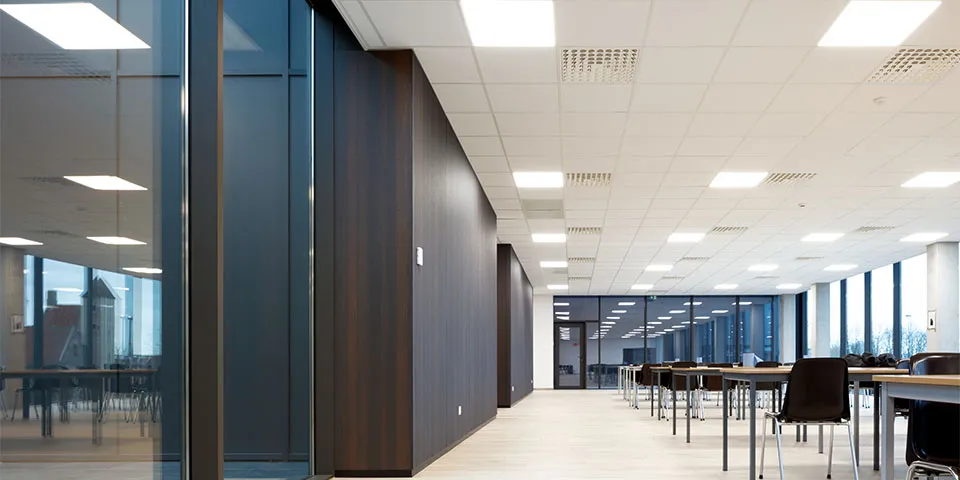
Alongside the obvious balance between acoustic comfort requirements and budgetary concerns for all stakeholders, what strikes me most is the strong need for integrated product solutions that can be incorporated into the design of walls and fitted interiors from the outset.
There are very few ‘integrated sound-absorbing solutions’ on the market. Acoustic elements that can usually be added later, such as wall and/or ceiling elements, screens, frames and meeting pods, are the clearest evidence that insufficient attention was paid to the indoor acoustic environment when the spaces were designed.
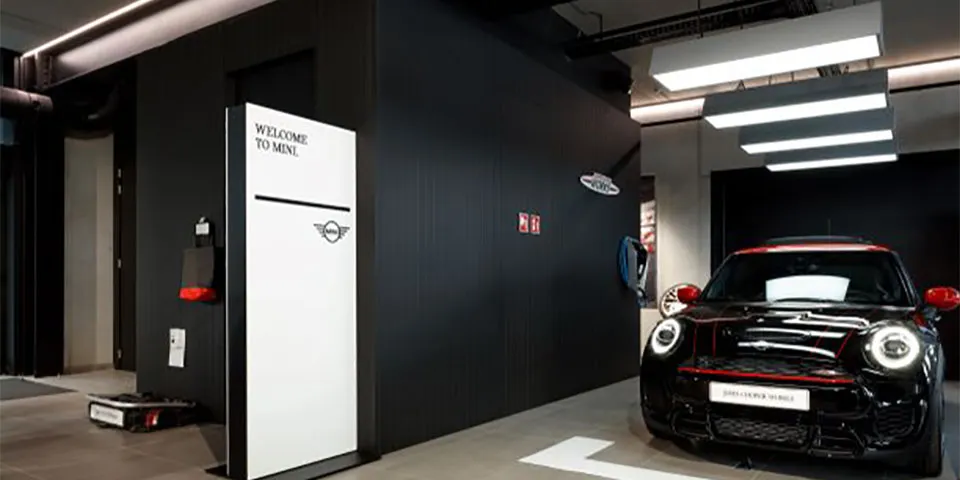
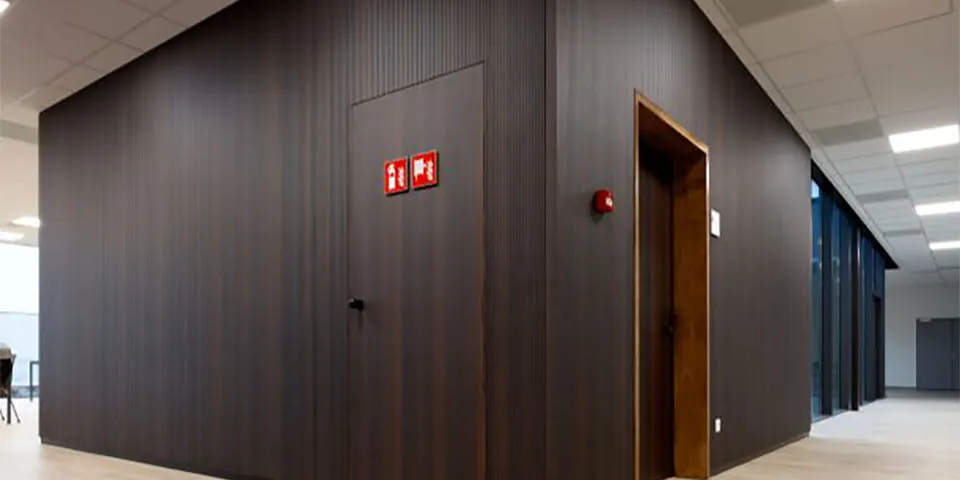
Print acoustics and Woodcoustics by Triplaco products meet these needs with a complete solution for walls, ceilings, internal door cladding, cabinet fronts and more.
Products also need to have a long service life and therefore be ‘sustainable’. That is why our products are impact- and scratch-resistant and easy to maintain, making them better suited to long-term use than soft, porous sound-absorbing materials.
Which products and décors are important within the Print Acoustics range?
There is no straightforward answer to this question.
Triplaco targets the high-end interior fit-out segment with all its products. In the acoustics segment (Print Acoustics and Woodcoustics), aesthetics are just as important as reverberation control performance.
We offer a very wide range of materials, shapes, colours and performance levels, giving designers and end clients as much choice as possible. The surface finishes are split evenly between laminate and real wood veneer. Products with a woven vinyl surface or synthetic felt panels are also gaining ground as innovative materials.
From grooved, drilled and micro-perforated products to invisible sound-absorbing finishes, the choice depends on whether the client and designer are looking for a minimalist solution or a feature finish.
Are trade fairs and industry events important, and if so, why?
Trade fairs aimed at architects and interior design practices are particularly important meeting places for the kind of solutions we offer. There, we mainly showcase product applications, usually in a small ‘experience space’. Acoustic comfort should be a sensory experience, both visual and, above all, auditory. At countless trade fairs, we have pleasantly surprised visiting designers with the high speech absorption performance of our www.printacoustics.be collection.
Is ‘ecological’ the most important thing these days?
Living, working and producing responsibly in ecological terms is a social duty we all share. Our acoustic panels are primarily recyclable wood products (based on black MDF) and, at the end of their life cycle, can be disposed of through the separate waste stream for recoverable materials.
By integrating our products into fitted interiors, we provide a sustainable acoustic solution that can remain useful throughout the building’s normal service life.
What is your view of the current state of the acoustics industry?
Too few suppliers and manufacturers are bringing sound-absorbing products to market in a responsible way. Our industry is characterised by a proliferation of acoustic screens, panels and elements, with no independently verified performance test reports. End clients also find it difficult to check a product’s sound absorption performance without testing it in a reverberation chamber. There is still room for improvement among design teams and building owners when it comes to understanding (softer) building acoustics and choosing the right solution for the right problem. And it is not getting any simpler...
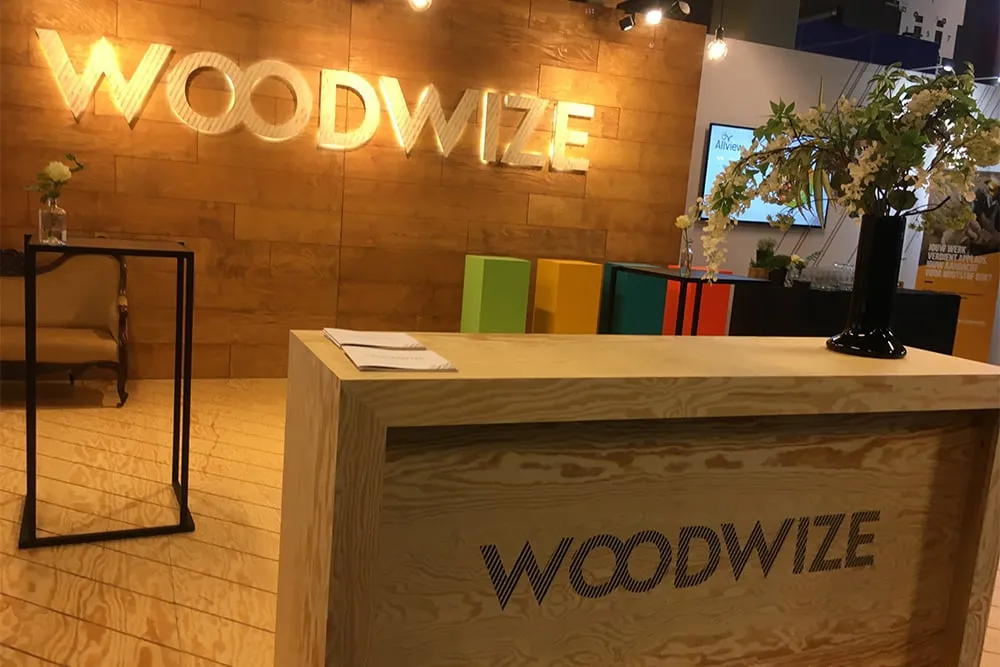
Woodwize stelt aan zijn stand, vlak bij de ingang van de beurs, zijn dienstverlening voor aan het publiek.
What are the acoustic products of the future?
Products that strike the right balance between absorption, aesthetics and price, while enabling high-quality project delivery, will become increasingly successful in the project market.
What added value does Triplaco Print Acoustics offer clients, contractors, architects and specifiers?
In short, we offer solutions rather than products to demanding designers and end clients, and regard contractors and installers as partners in delivering a high-quality, integrated result. We consult frequently with all these parties and provide project-specific support where appropriate. The earlier we are involved in the design phase, the clearer the benefits of our solutions become in the overall project.
What is the biggest challenge facing Triplaco Print Acoustics in the coming years?
Without a doubt, the impact of the Covid pandemic on how we work and spend our leisure time. It will not be the company that remains unchanged that is still relevant tomorrow, but the company that can adapt most quickly to the drastic changes this global pandemic will bring.
Over its 150-year history, Lefevere, Triplaco’s parent company, has had to reinvent itself several times. Adapting to change is therefore part of the company’s DNA.
Find the right company in the sectorSearch by product, field, region or project in the company directory and across all Interieurbouw & Schrijnwerk articles.
We use cookies to keep the site working properly. With your consent, we also use cookies for statistics and third-party banners. Read more in our privacy and cookie statement.