A closer look at external joinery
Text Majorie Desmet
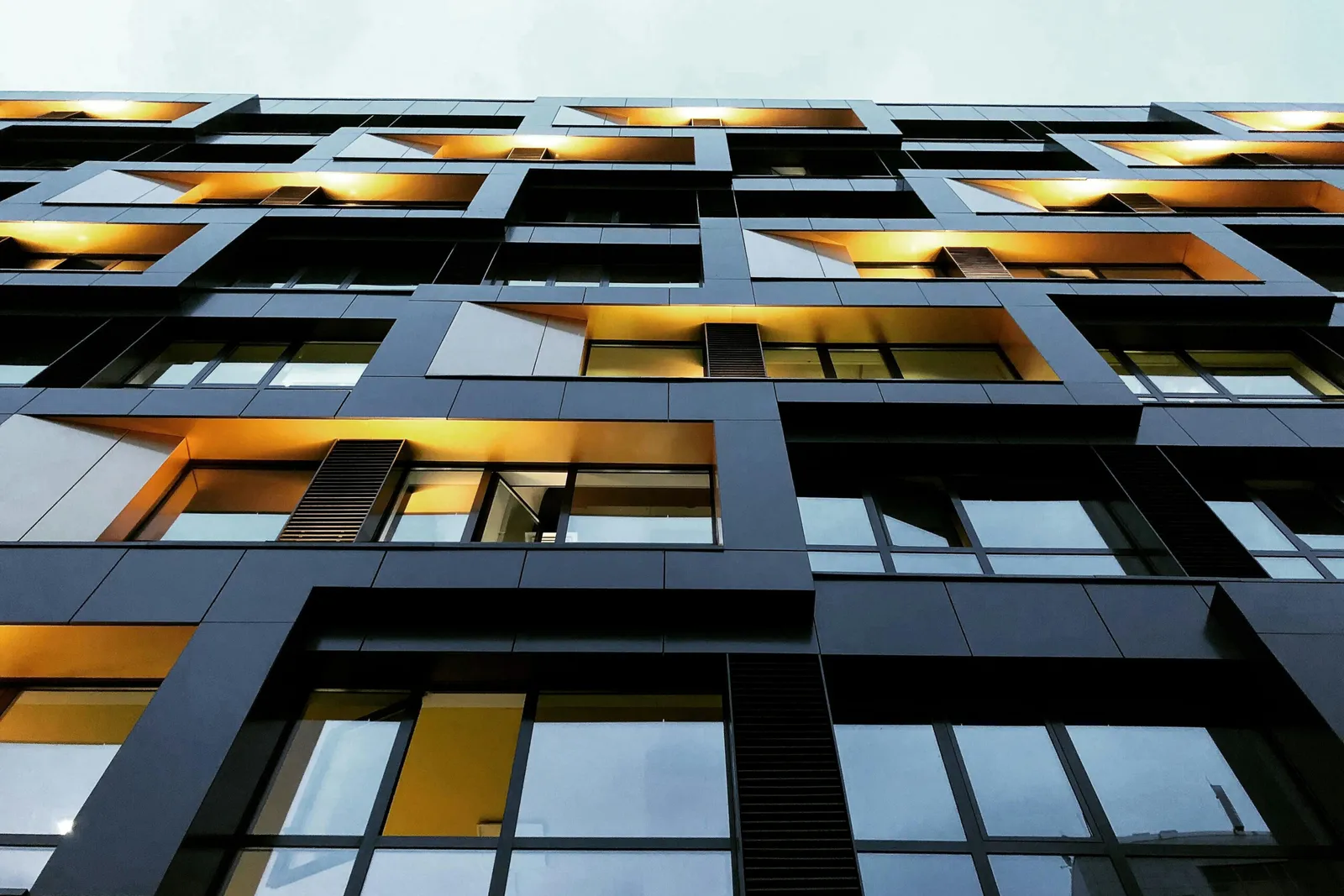
Windows and doors define the look of any building, influence comfort and are crucial to energy performance. Expectations are high, from both customers and legislators. To stay ahead as a professional, it pays to keep abreast of technological, regulatory and aesthetic developments. Your role is shifting from simply carrying out work to becoming a fully fledged knowledge partner.
Energy efficiency is now an absolute requirement. Tougher EPB and EPC standards are driving a sharp rise in demand for high-performance external joinery. Where double glazing used to be the standard, high-performance (HR) glazing is now the minimum. And for good reason: HR glass insulates two to three times better than conventional double glazing and even four to five times better than single glazing. Triple glazing performs even better.
Energy as the benchmark
For consumers, windows and doors must therefore do more than look good: their energy performance must also measure up. Those who fail to meet the standard risk fines (where EPB requirements apply) or a lower energy rating, with a direct impact on resale value. But regulation is far from the only driver. Consumers feel energy costs directly in their pockets. Especially now that the Flemish government is cutting subsidies again, demand for tangible savings is greater than ever.
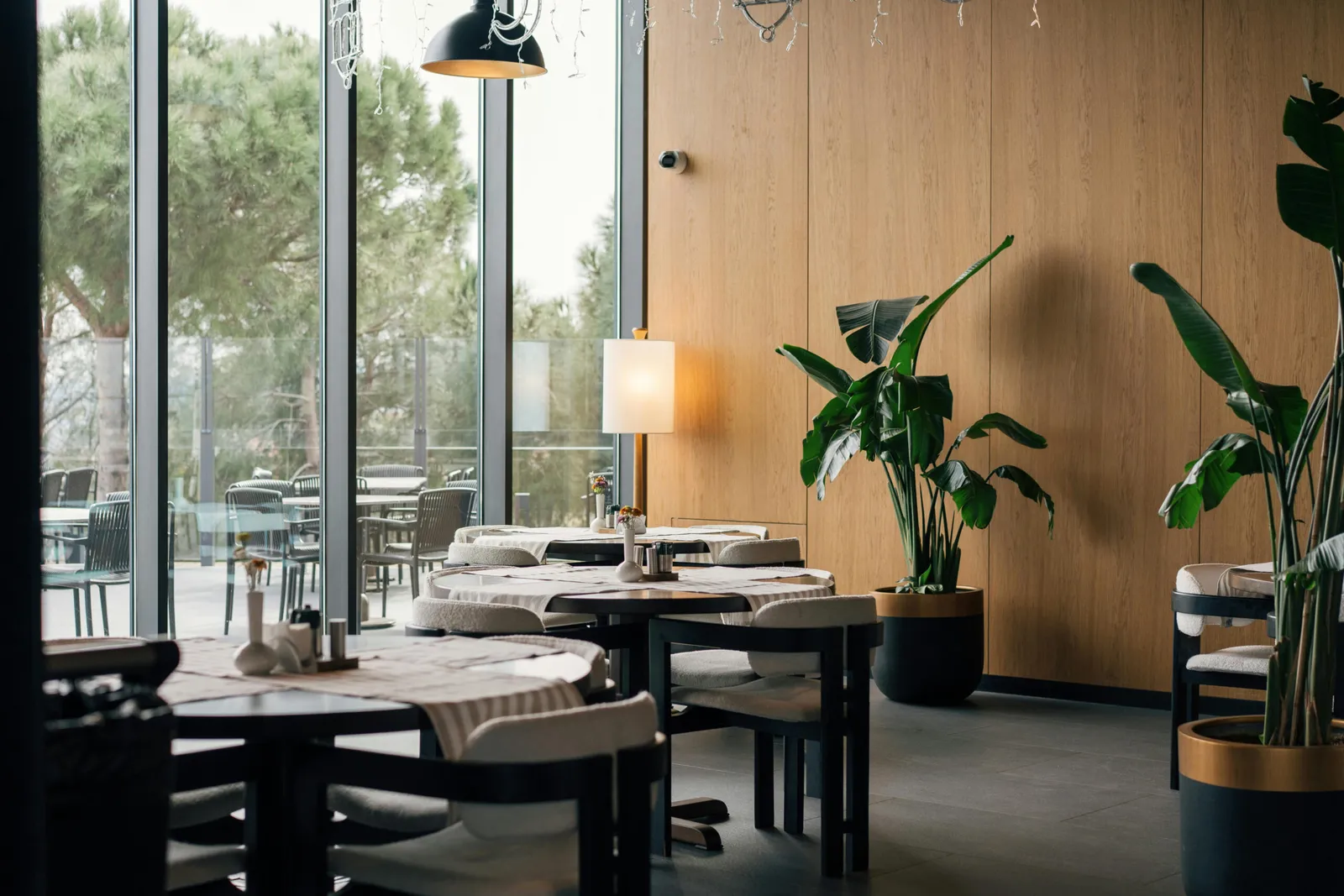
On average, around twenty per cent of heat escapes through the façade.
Poor-quality joinery, gaps and thermal bridges lead to heat loss and therefore higher costs. This is where the joiner can make a difference, with a strong product range, precise installation and airtight finishing. As the focus on energy performance grows, the joiner is taking on an additional role as adviser and knowledge partner. Customers expect someone who can think ahead and apply technical knowledge skilfully in practice.
Materials in flux
When choosing external joinery, customers weigh up aesthetics, performance and budget. A versatile range that strikes the right balance between all three is therefore essential today.
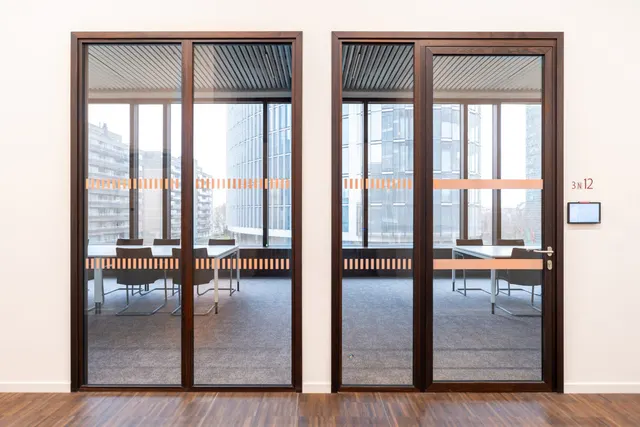
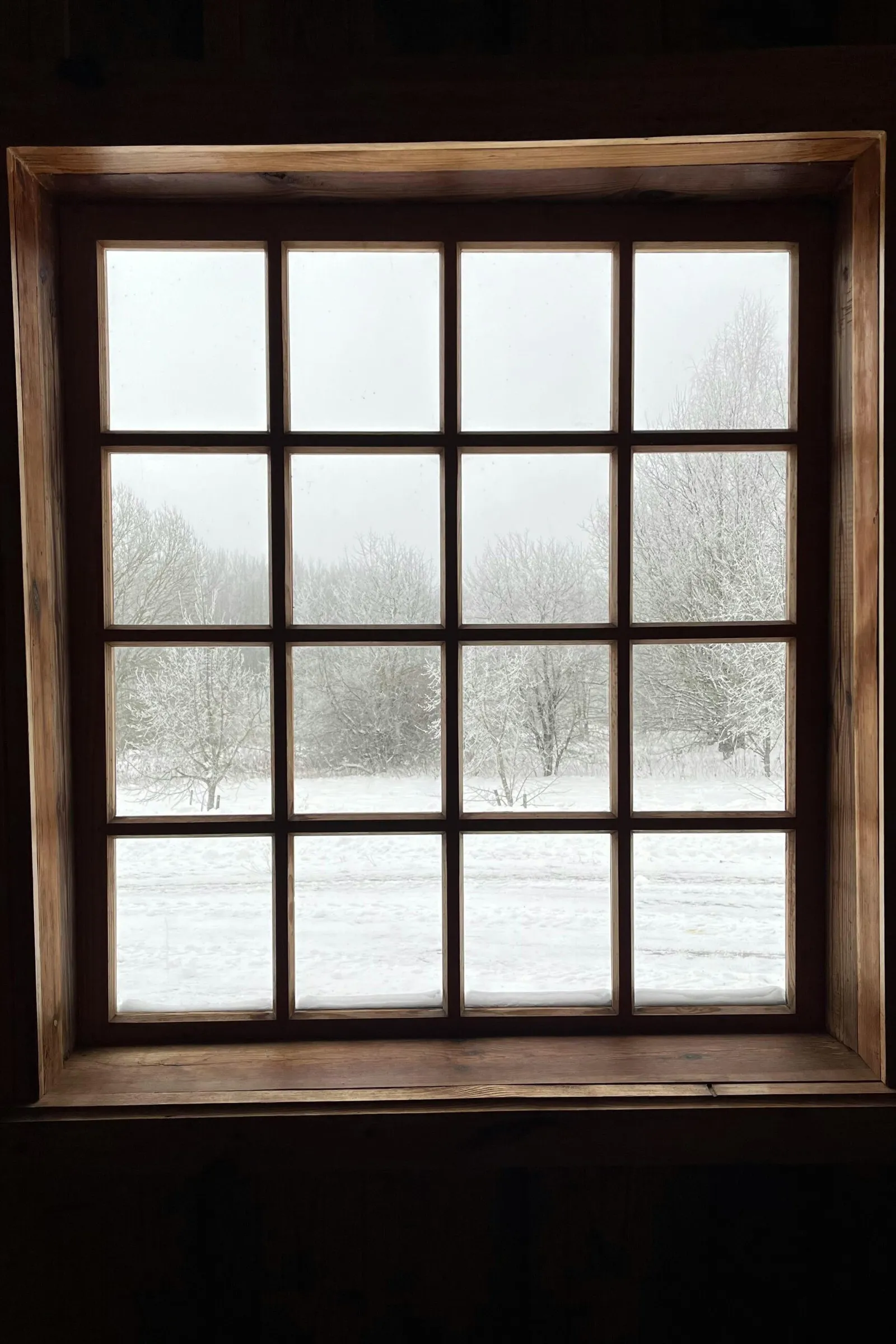
Aluminium and PVC have long dominated the market. Aluminium remains particularly popular for its slim profiles, robust nature and luxurious appearance. But it is facing increasing competition from PVC, thanks to its excellent thermal performance, low maintenance requirements and price. PVC is also now available in every colour imaginable, even with a realistic woodgrain finish. Natural timber, however, remains a popular choice for private homes, thanks to its warm appearance and natural insulating properties.
For years, the unwritten rule was to use the same material throughout a project, but that idea is now outdated. An aluminium sliding window, PVC windows and a timber front door? This is no longer unusual, although the mix has its supporters and detractors. Hybrid solutions, such as aluminium on the outside and timber on the inside, are also widely accepted. The front door still receives special attention as the calling card of the home. Because residents pass through it every day and welcome visitors there, it is less likely to be an area where they cut costs.
Consumers are also taking a more critical view of where materials come from. For timber joinery, FSC- and PEFC-certified species are a no-brainer. PVC, in turn, can be reused up to eight times without any loss of quality, while aluminium stands out for its long service life. This shows that material choice today is not just about appearance and price, but also about environmental responsibility.
Making a statement with colour
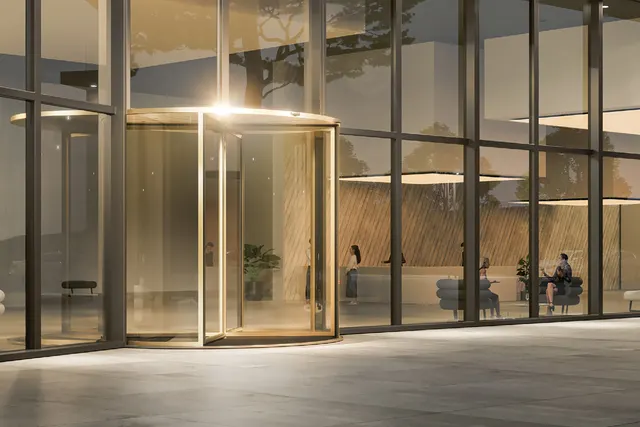
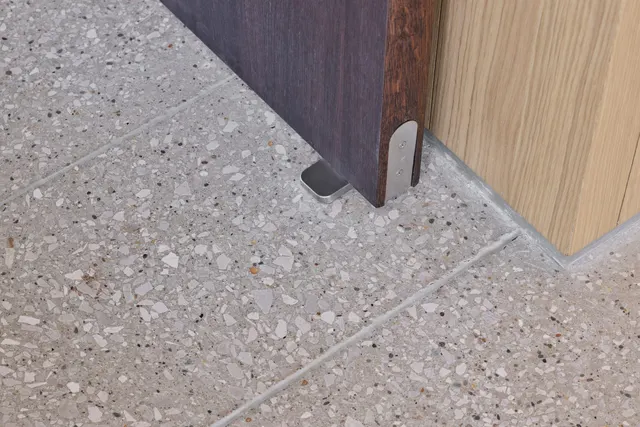
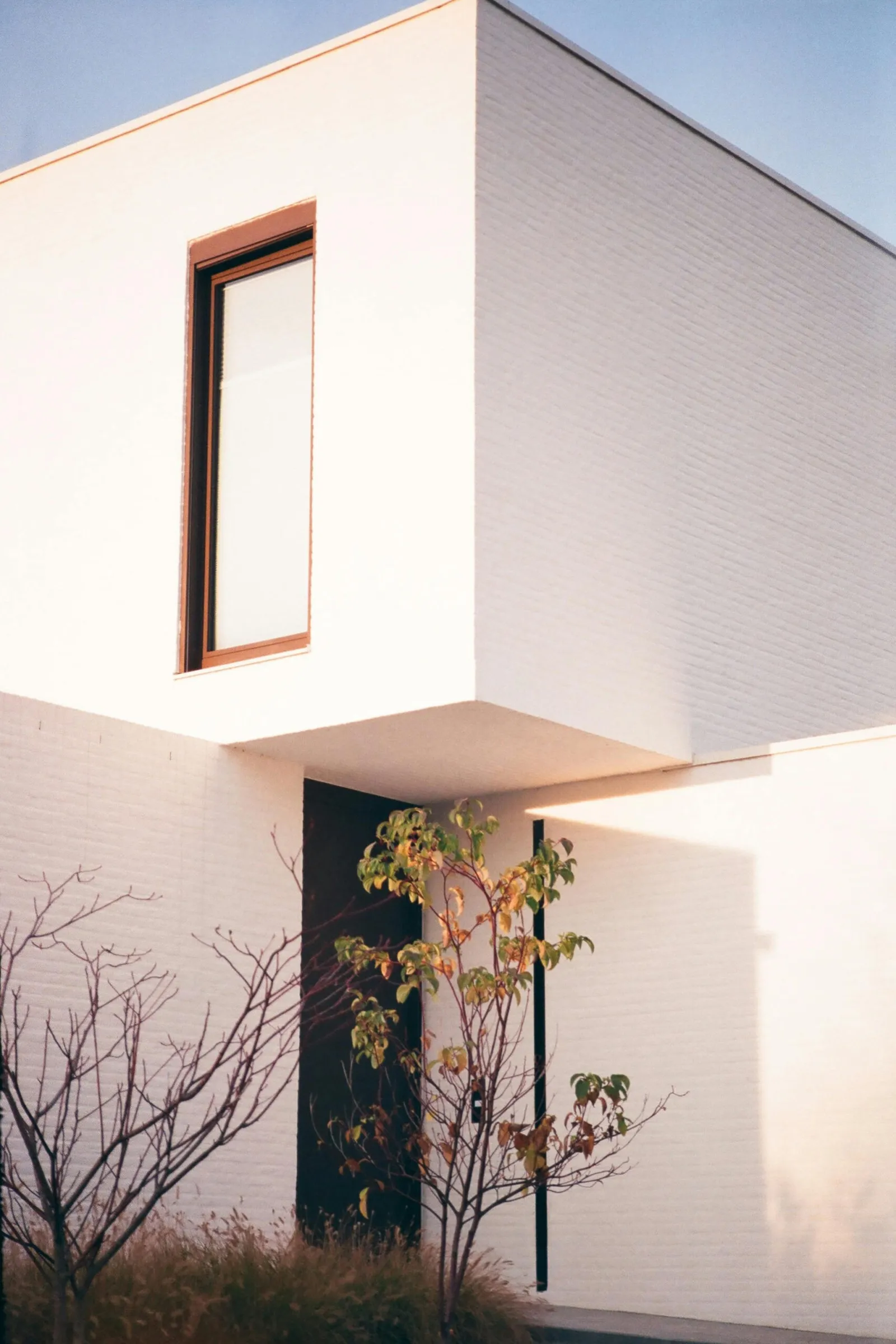
Architects and clients are now opting in large numbers for slim profiles and generous expanses of glass that maximise natural light. Minimalist sliding windows with integrated tracks, doors with concealed hinges and flush junctions between the floor and profile: the aim is to create the strongest possible connection with the outdoors, without obstacles. This calls for careful preparation, perfectly tailored work and collaboration with other construction partners, such as the floor layer, bricklayer or ventilation specialist.
Black, along with its variations, remains the undisputed favourite when it comes to colour. It works beautifully with industrial and contemporary architecture, where simplicity and minimalism set the tone. But it can also suit country homes: traditional brickwork, a pitched roof and timber accents gain a contemporary edge with dark windows, often finished with glazing bars for extra character. Neutral white also fits this minimalist look, especially on the inside. It creates a sense of calm and complements the trend for natural, tranquil interiors where residents can unwind after a busy day.
Alongside this understated palette, a growing number of people are embracing colour. In these challenging times, residents are looking for cheerfulness and self-expression in their homes. Every RAL colour is in the running, and no one bats an eyelid. Combined with a painted façade or coloured render, these shades create vibrant, personal accents that are increasingly enlivening the streetscape.
A digital leap forward
Digitalisation is also transforming the world of windows and doors. CAD/CAM systems, CNC milling and 3D configurators make production and preparation faster, more precise and less prone to errors. Customers also expect more than a traditional quotation: they want realistic visualisations or BIM models that fit seamlessly into the overall project. Businesses unable to offer this today are falling behind. VR is no longer science fiction either. Increasingly, clients want to walk through their future home and experience for themselves how their choice of windows and doors will affect the interior and natural light.
Want to keep setting yourself apart as a professional? Look beyond your craft. Tomorrow’s client is looking for someone who can think ahead, anticipate what’s coming and offer confident advice. In other words, a knowledge partner with the tools and ideas to deliver.
Question about this story? Ask your question
Keep following this
Get an email when a new story is published. No account needed.
- ThemeImproving window and door performance
- SubjectInternal doors