











Innovative bonding
Bonding has become the most popular joining technique in interior construction.
And for good reason: when high-quality products are used correctly, they deliver outstanding results. Especially when you use Jowat adhesives. The German manufacturer continues to surprise the market with innovative solutions, such as the granulate version of the Jowatherm-Reaktant® MR 607.90 edge banding hot-melt adhesive, launched earlier this year.
Words: Els Jonckheere Images: Jowat
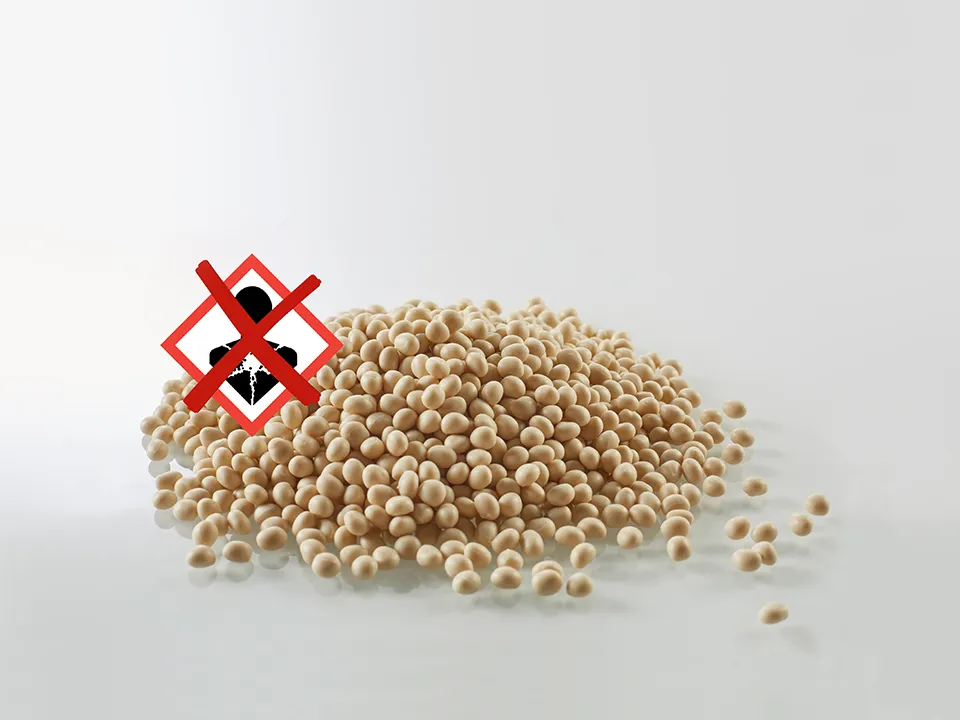
Since the early 2000s, Jowat has successfully developed alternative production technologies. These have resulted, among other things, in PUR hot-melt adhesives that are not classified as hazardous substances. The Jowatherm-Reaktant® MR product family contains far fewer monomers than comparable products. Technical sales adviser David Costermans says: “We continue to refine this already extensive range of PUR adhesives. This year, for example, we added an edge banding hot-melt adhesive in granulate form, suitable for bonding standard edge banding materials such as ABS, PP, PVC, veneer or melamine paper on edge banding machines. There are two product families: the standard 607.90/90 range and the premium 608.90/91 series. The 90 is transparent and produces a very fine-looking glue line, particularly with dark colours or black, and in high-gloss finishes. The 91 is intended for light decors and white.”
Continual innovation
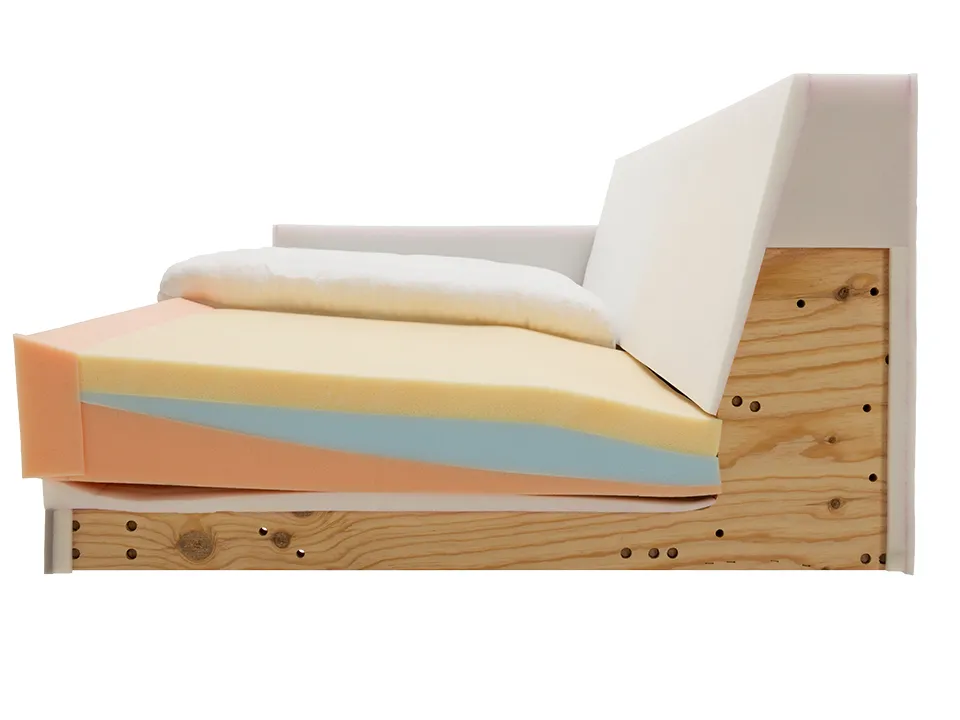
One product range with which Jowat responds to the wide variety of materials used in upholstered furniture is its solvent-based Jowat ac adhesives. “Our R&D department continues to develop this range,” David Costermans continues. “These are very strong products, thanks to their high initial tack, short pressing time and high cohesion build-up. Today, the range contains a minimal amount of solvents and a maximum proportion of solids. This enables us to meet environmental and safety requirements while reducing the cost per bonded component. One standout product in the range is 471.64, an adhesive that is easy to spray, provides good adhesion to a wide range of materials and forms a soft glue line once dry. The 482.64 also performs well, thanks to its high temperature resistance in applications where the bonded parts are subjected to considerable stress.”
Question about this story? Ask your question
Keep following this
Get an email when a new story is published. No account needed.
- ThemeSustainable surface and edge finishing
- SubjectGeneral







