











How to install a bathroom professionally and successfully
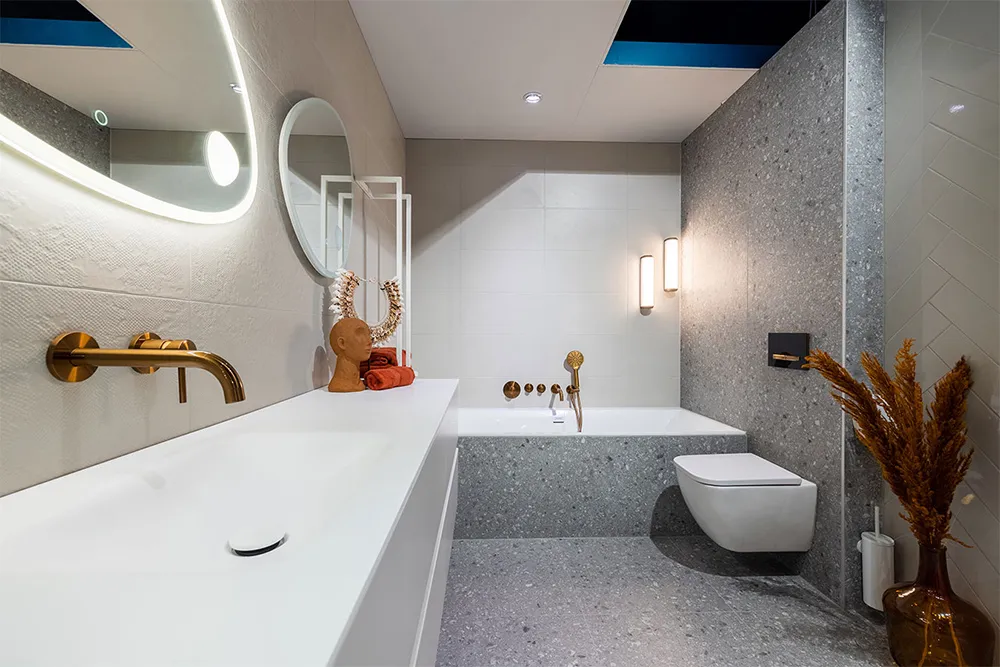
Installing a bathroom calls for more than knowledge and craftsmanship: it also requires a well-considered approach. As a professional, it is essential to follow a structured plan to install a bathroom with finesse. In this article, we take a closer look.
Thorough inspection and design
Before starting the actual installation, it is important to carry out a thorough inspection of the space. Take accurate measurements and assess its structural aspects. Then discuss the client’s requirements and translate them into a detailed design. Make sure the design is not only attractive, but also practical and functional. The bathroom should last for years, and the client should be, and remain, satisfied.
Materials and tools
A professional bathroom installation calls for high-quality materials. Make sure you have purchased all the materials you need in advance, including tiles, sanitaryware (take a look at Sawiday), pipes and electrical components, so you can keep working without interruption. You also need high-quality, certified tools suited to the various tasks involved in the installation.
Removing the existing bathroom
If the space already has a bathroom and you are therefore renovating the bathroom, start by removing the existing elements, such as old tiles and sanitaryware. Dispose of the demolition waste in an organised way to keep the work area clean. Hiring a skip and having it placed outside the front door is a good idea. This way, everything is kept together rather than left loose by the roadside.
Tiling and floor finishing
Check the substrate for any unevenness and repair it if necessary. Then apply a waterproof layer to protect it from moisture. Tiling requires precision and craftsmanship. Start by tiling the floor and work gradually towards the walls. Make sure the tiles are laid evenly and level.
Installing sanitaryware and electrical systems
Install the sanitaryware in line with the design and the client’s requirements. Make sure the pipes are connected correctly and that there are no leaks or risk of leaks. Always test the sanitaryware thoroughly to ensure it is working properly. If required, carry out the necessary electrical installation work. Install lighting and sockets in accordance with the applicable safety standards. Make sure the electrical components are properly earthed and safely accessible.
Finishing
The final step is the finishing work. Seal joints and gaps, paint if necessary, and carry out final checks to make sure everything is working properly. Then have the bathroom thoroughly cleaned and make sure all building waste has been removed.
Question about this story? Ask your question
Keep following this
Get an email when a new story is published. No account needed.
- SubjectGeneral







